A quiet but determined battle is unfolding in British Columbia, where activists are actively protesting the logging of the region's last remaining old-growth forests. These ancient rainforests, some home to thousand-year-old trees, are incredibly rare, covering less than one percent of Earth's land surface. They serve as vital carbon stores and irreplaceable habitats. As logging continues, the urgency to protect these unique ecosystems for their environmental value and the future of our planet grows with each passing day.
Nueces County on the Texas Gulf Coast is grappling with the growing threats of a warming climate, facing more extreme heat, floods, and powerful storms. These escalating dangers directly imperil community health, spreading disease and damaging vital infrastructure. Recognizing that existing financial and health burdens often leave certain populations more exposed, local efforts are now focused on understanding these vulnerabilities. A new online map pinpoints these risks, offering a crucial tool to guide effective climate action and protect the most vulnerable residents.
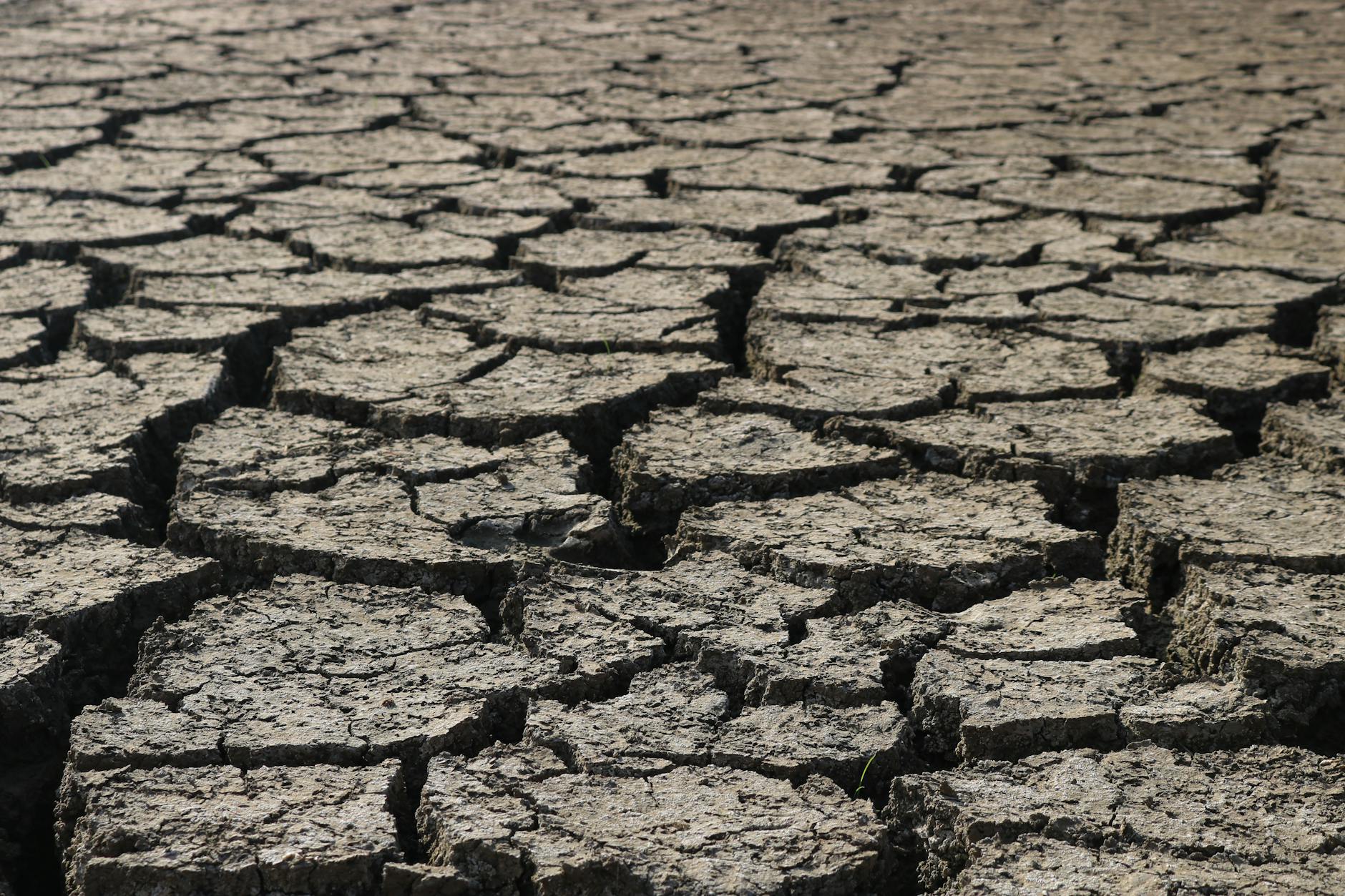
A devastating rock and glacier collapse in Nepal recently claimed over 1,300 lives and left thousands missing, causing an estimated $5 billion in damages and obliterating communities. New research from World Weather Attribution definitively links this catastrophe to decades of global warming. Record-hot temperatures and thawing permafrost fundamentally weakened the mountain, leading to an unprecedented disintegration of ice and rock. This disaster highlights the urgent need for global climate action to protect vulnerable regions from irreversible environmental shifts.
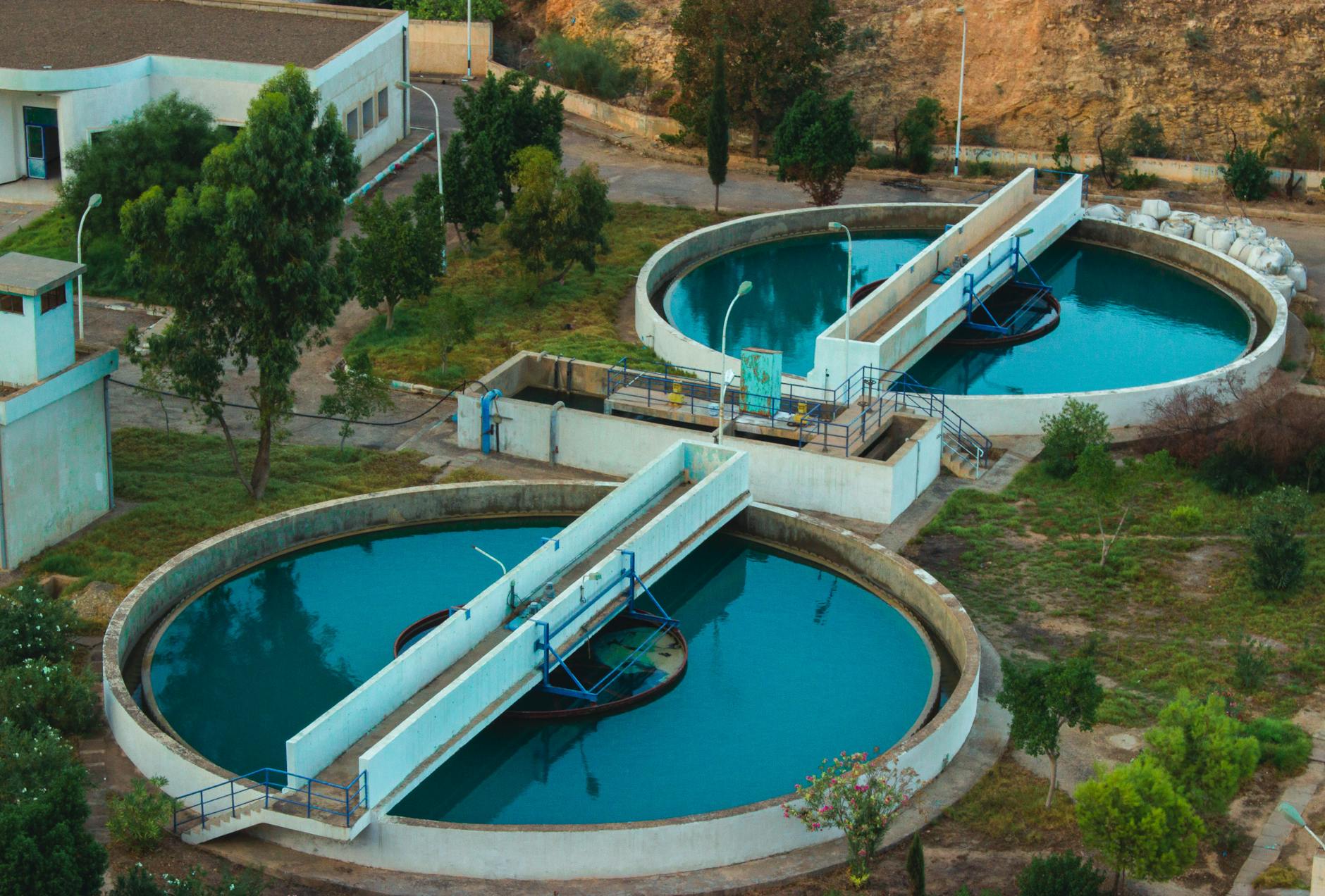
Reno is taking a major step towards securing its water future by breaking ground on Nevada's first-ever wastewater purification plant. This innovative facility will treat roughly 2 million gallons of wastewater daily, transforming it into drinking-quality water to replenish groundwater supplies. This vital project will significantly reduce the region's reliance on the Truckee River, offering a sustainable solution in a time of increasing drought and changing climate patterns. It highlights how communities are adapting to environmental challenges to ensure long-term water independence.
A new bill, the Energy Efficiency Reform Act, is currently under consideration in the Senate, sparking a crucial debate over the future of home appliance energy standards. If passed, this legislation could make it significantly harder for the Department of Energy to update efficiency requirements for products like washing machines and boilers, and even make it easier to repeal existing mandates. This move challenges decades of progress that have not only saved American households thousands on utility bills but also contributed to reducing national energy consumption and fighting climate change. The outcome could profoundly impact both consumers' wallets and environmental efforts.
Texas Railroad Commissioner Wayne Christian recently defied state lawmakers by skipping a critical hearing concerning the oversight of the state's powerful oil and gas industry. This comes amid a controversial change to the commission's public participation policy, which now limits guaranteed public comment periods. The move has sparked a serious clash with the Texas House Committee on Energy Resources, raising significant concerns about transparency and accountability in regulating issues like abandoned wells and hazardous wastewater, which deeply impact Texas communities and the environment.
A new scientific report reveals that Greenland and Antarctica have lost a staggering 12.5 trillion tons of ice since 1979. This massive melt, largely driven by warming ocean waters, has already contributed to a global sea level rise of about an inch. Experts warn that this seemingly small change leads to annual flooding for millions of people, highlighting the urgent need for global climate action. The study underscores how quickly our planet's polar regions are transforming, with significant consequences for coastal communities.
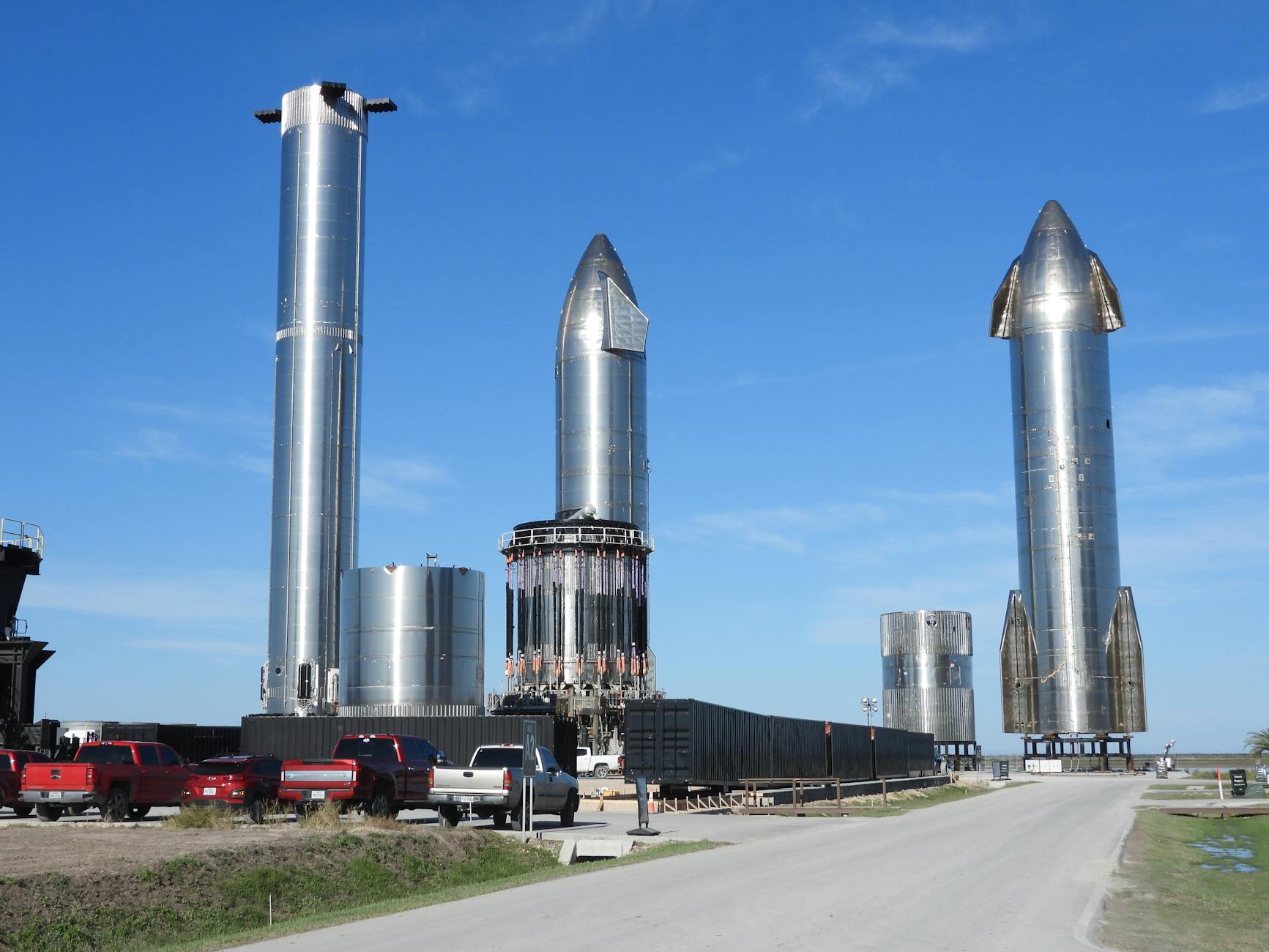
SpaceX is preparing for a landmark moment as its Starship rocket targets September 22 for its 14th test flight. Unlike previous suborbital journeys, this mission aims to achieve a genuine orbit around Earth for the first time. This ambitious step is not just about reaching space; it also seeks to deploy a fresh batch of Starlink V3 satellites, promising a significant boost in global internet bandwidth. Following extensive testing of Starship's heat shield and reusability, this flight represents a pivotal shift from experimental hops to delivering real payloads. Success here is vital for advancing more sustainable and efficient access to space, helping connect the world while paving the way for future exploration.
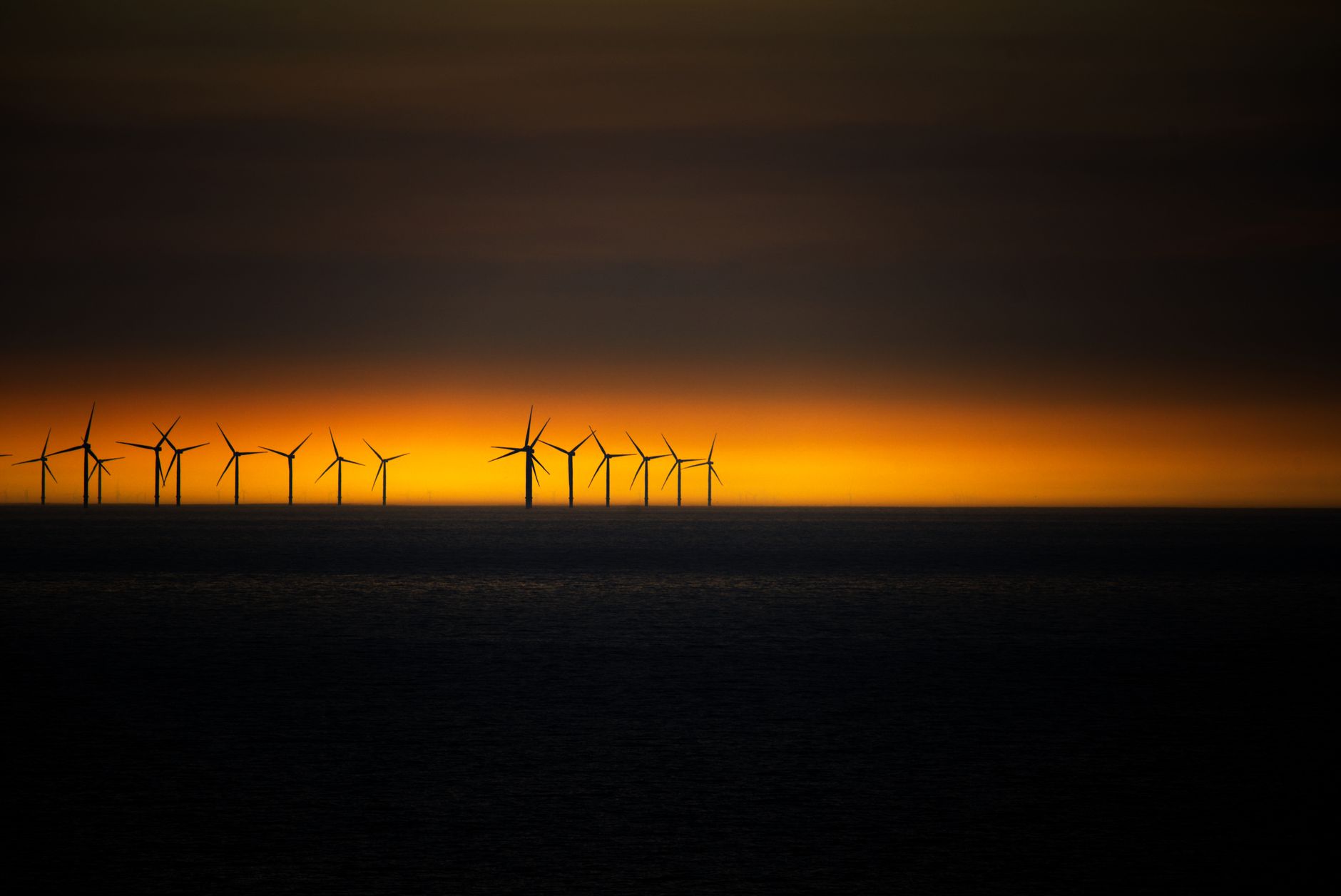
Germany is making a significant leap towards its clean energy goals with a massive €2.1 billion (roughly $2.4 billion) financing package for the Gennaker offshore wind farm. This landmark project, backed by BlackRock-owned Skyborn Renewables, will add nearly 1 gigawatt of clean electricity to the German grid. Set to power approximately one million households by late 2028, it marks a crucial step in reducing reliance on fossil fuels and accelerating the country's transition to sustainable, domestically produced energy. The investment underscores Europe's growing commitment to robust environmental action.
A quiet revolution is stirring in our food system, challenging the way we think about everything from wheat fields to the bread on our tables. Farmers, bakers, and consumers are uncovering the complexities of industrial agriculture, particularly in grain production. This movement emphasizes local economies, transparent processes, and genetically diverse crops, aiming to build soil health, boost biodiversity, and provide truly nourishing food. It's a shift towards a more sustainable and community-driven future, highlighting the urgent need for environmental action in how we grow what we eat.
Canada has launched an ambitious initiative, the Canada Investment Summit 2026, aiming to attract C$1 trillion in global investments over five years. At the core of this plan is a significant focus on critical minerals, essential for electric vehicles, renewable energy, and other clean technologies. With 63 mining and metals projects highlighted, the nation seeks to become a key player in diversifying global supply chains. This strategic push is crucial for accelerating the worldwide shift towards sustainable solutions, but it also underscores the vital need to manage the environmental impact of increased mining activities responsibly.
Tesla is set to unveil its highly anticipated next-generation Roadster on October 1st in Waco, Texas. This electric supercar promises to redefine speed and range, showcasing the incredible potential of sustainable transportation. After years of speculation and delays, the event is expected to reveal mind-bending performance specs, including a potential 'SpaceX thruster package.' This launch highlights how electric vehicles are pushing boundaries, offering a cleaner, more thrilling future for driving and accelerating our shift away from fossil fuels.