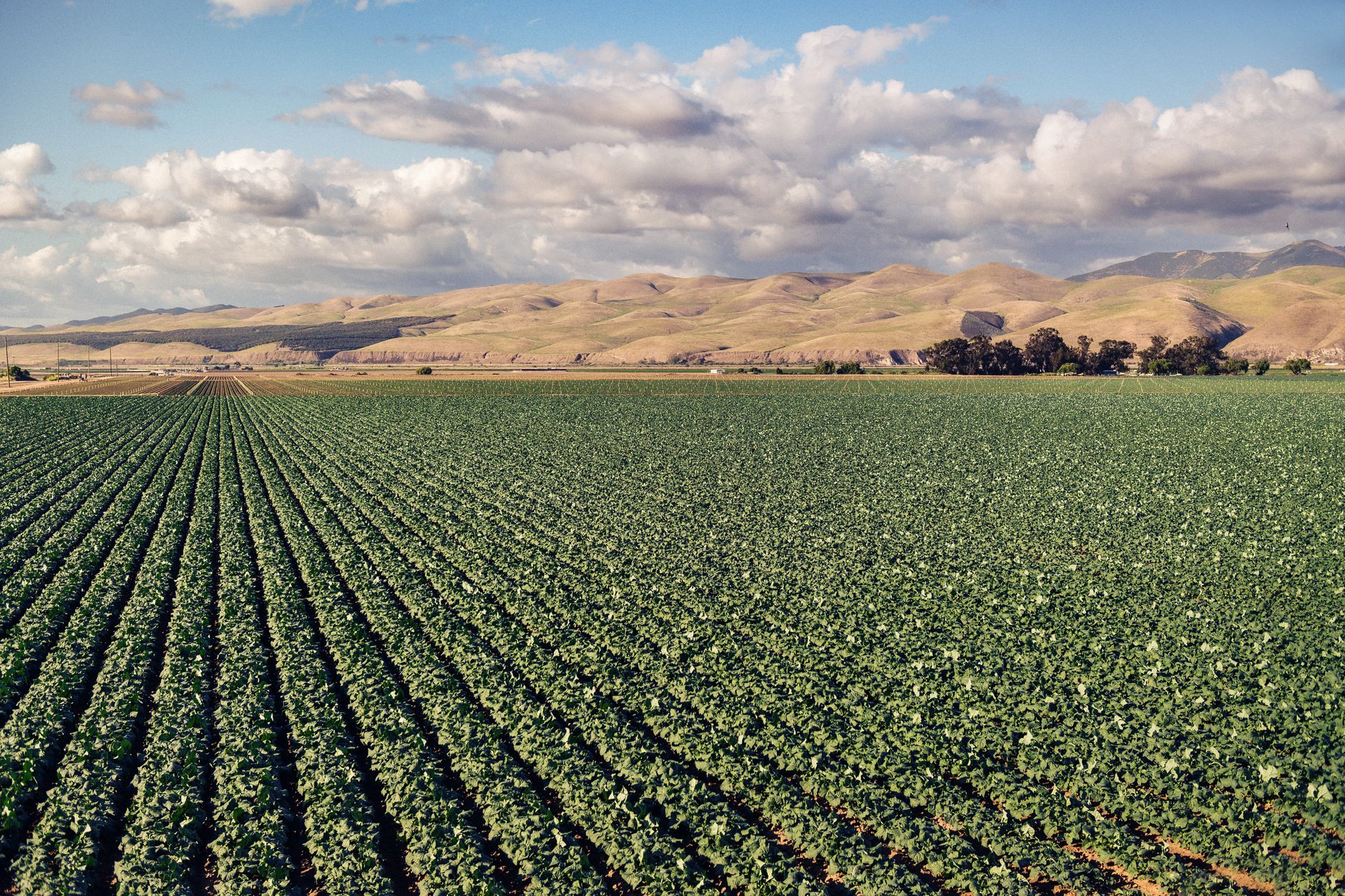
Google has announced its largest carbon removal purchase yet, partnering with Terradot on a pioneering project in southern Brazil. This ambitious initiative will tackle climate change by reducing potent methane emissions from over 200,000 hectares of rice farmland while also permanently removing carbon dioxide from the atmosphere. By combining these two crucial strategies, the project offers a blueprint for how agriculture can play a significant role in our urgent global efforts to stabilize the planet's warming and foster sustainable solutions for the future.
California's State Water Resources Control Board has approved long-awaited, stricter regulations to combat water pollution from dairy farms, particularly in the Central Valley. This critical move aims to curb nitrate contamination from manure, which has seeped into groundwater and drinking water sources for years. The pollution poses serious health risks, including "blue baby syndrome" in infants and increased cancer risks for adults, disproportionately affecting vulnerable low-income communities of color. These new rules are a significant step towards ensuring cleaner, safer drinking water and addressing a persistent environmental justice issue.
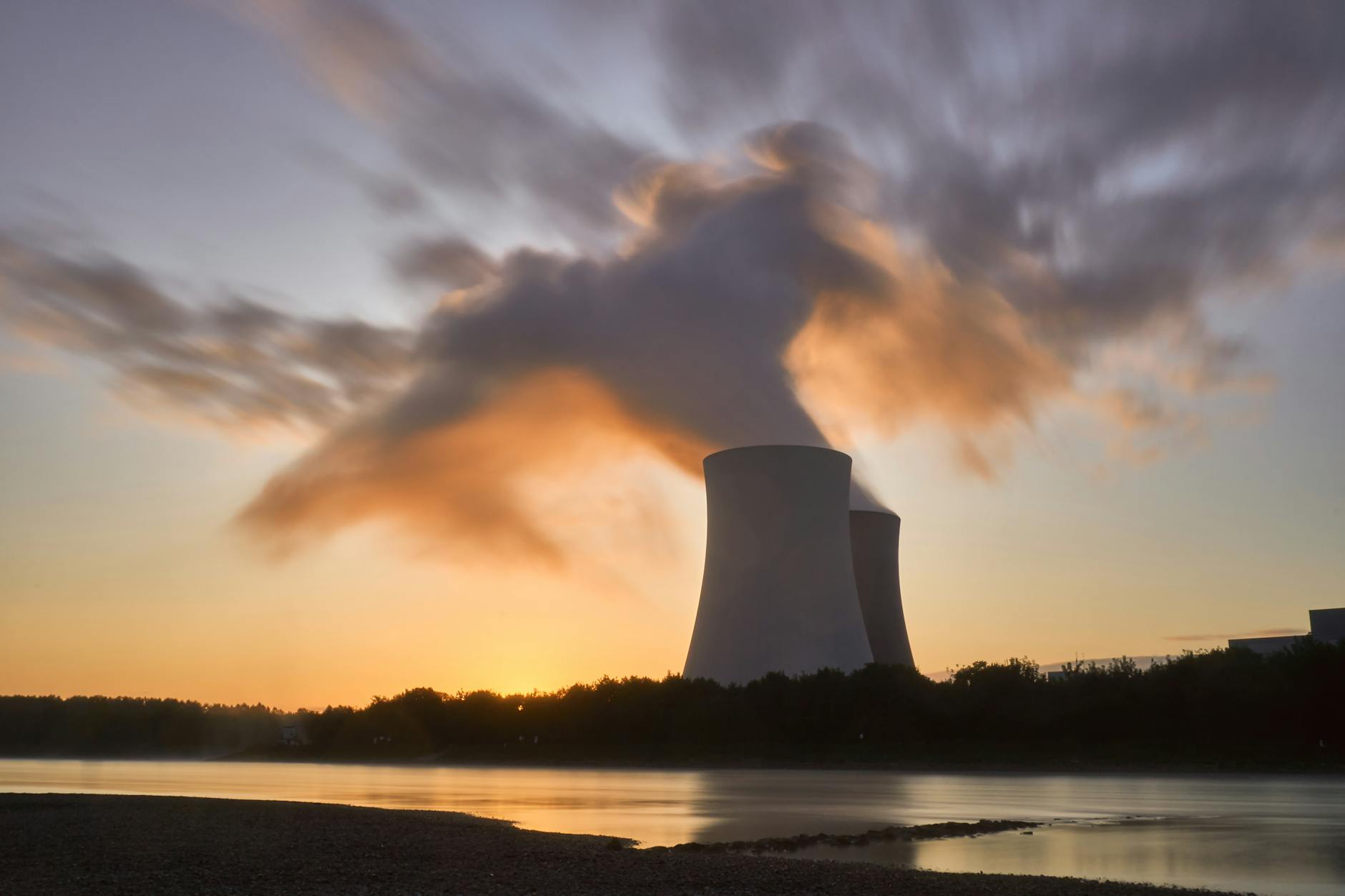
Once a fervent advocate for carbon taxes and renewable energy, one analyst recounts a profound shift in his perspective on nuclear power. This change was sparked by the failure to implement effective carbon pricing and the controversial closure of New York's Indian Point nuclear plant. The experience forced a critical re-evaluation of how we truly decarbonize our energy grid, highlighting the complex trade-offs and unexpected setbacks in the urgent fight against global warming. It underscores why every source of carbon-free electricity matters.
Oracle is making significant strides in sustainable data center operations with its ambitious Project Jupiter in New Mexico. As the demand for AI infrastructure skyrockets, so does the energy and water consumption associated with these facilities. Oracle's innovative approach aims to tackle these environmental challenges head-on by redefining how large-scale cloud and AI data centers are built and powered. This project highlights a critical shift in the tech industry toward more environmentally responsible practices, focusing on reducing its impact on vital natural resources.
The United Kingdom and the United States are deepening their collaboration on fusion energy, a move aimed at speeding up the development of a clean, near-limitless power source. This new partnership, announced in London, focuses on integrating artificial intelligence (AI) and advanced computing with fusion research, alongside simplifying regulations for future power plants. Both nations are investing heavily to turn decades of laboratory work into real-world electricity, hoping to address the urgent need for sustainable energy solutions. This strategic alliance represents a significant step towards unlocking a future powered by clean, reliable fusion energy, offering a powerful alternative to fossil fuels and combating climate change.
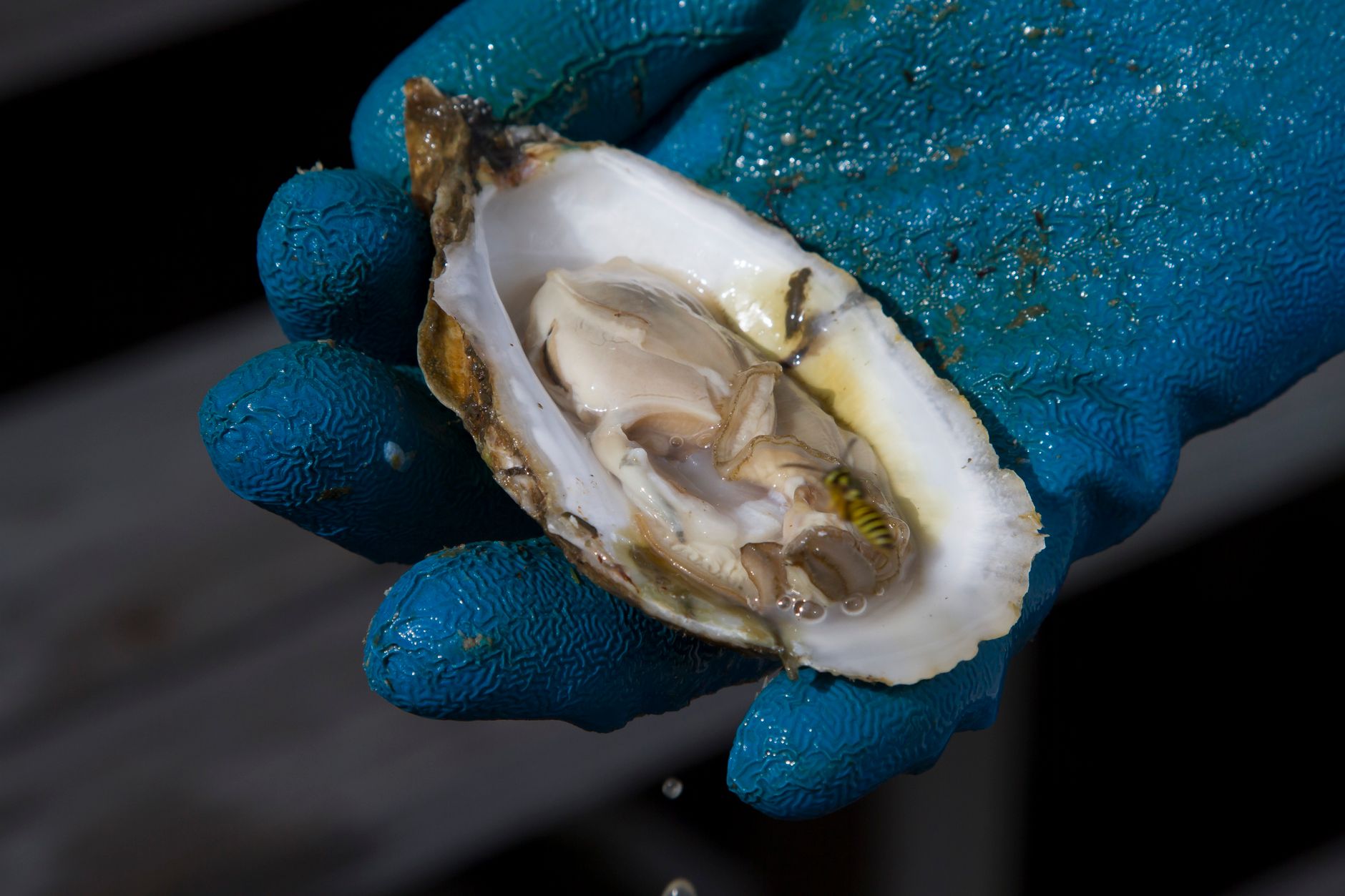
A unique natural defense is taking shape in Laurel Bay, South Carolina, where coastal erosion threatens homes and a beloved park near Port Royal Sound. With rising water levels and intensifying storms due to climate change, this vital coastline faces growing risks. Local efforts, spearheaded by partners like The Nature Conservancy, are deploying "oyster castles" – a living solution designed to halt erosion and naturally adapt to environmental shifts. This innovative approach not only protects the land but also restores crucial marine habitat, showcasing a sustainable path forward for vulnerable communities.
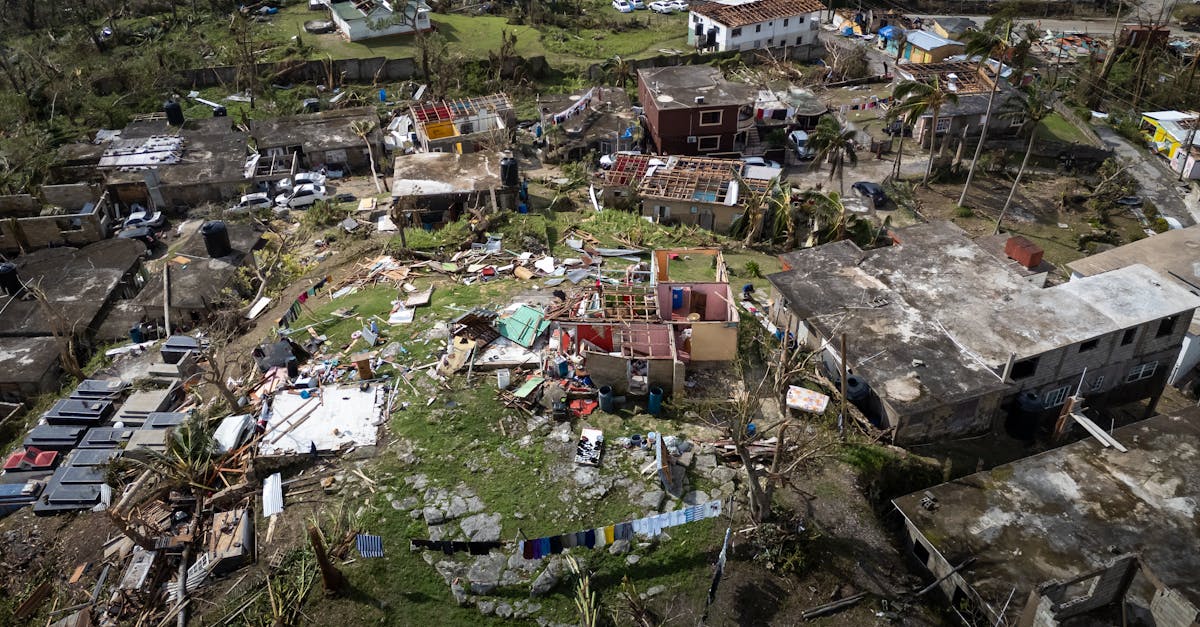
The Great Miami Hurricane of 1926 was a devastating Category 4 storm that caught South Florida largely by surprise a century ago. On September 18, its massive eye, 30-40 miles wide, made landfall, bringing 145 mph winds and an unprecedented storm surge. This catastrophic event resulted in significant loss of life, widespread destruction, and plunged Miami into an economic downturn years before the Great Depression. Reflecting on this historical disaster offers crucial lessons for today, especially as coastal communities face increasing threats from extreme weather in a changing climate.
FedEx is making a significant move towards a more sustainable future by securing over 20 million gallons of sustainable aviation fuel (SAF) for its U.S. air network through 2027. This expansion at five major airports is a crucial step in the company's ambitious goal to achieve carbon-neutral operations by 2040. As aviation is the largest source of its direct emissions, embracing cleaner fuels like SAF, alongside modernizing its fleet, is vital in the urgent fight against climate change and for protecting our planet.
Along the United States' coasts, homes are increasingly vulnerable to the relentless forces of erosion and rising sea levels, exacerbated by climate change. In North Carolina alone, dozens of houses have fallen into the ocean since 2020, with over a hundred more at imminent risk. A crucial federal policy, managed by the Federal Emergency Management Agency (FEMA), is creating a perverse incentive: homeowners are paid only after their houses collapse, not before, leaving them in a devastating bind. This not only causes immense personal hardship but also leads to widespread environmental pollution as debris washes into sensitive ecosystems.
Tech giants Tesla and SpaceX have taken a legal fight to federal court, seeking a judge's ruling on their ambitious "Terafab" chip factory. The dispute centers on a trademark claim from TERA-print LLC, an Illinois nanotechnology company, which holds a federal trademark for "Tera-Fab" and sells specialized printers. TERA-print argues that Tesla's use of "Terafab" would cause consumer confusion with its existing products. After months of failed negotiations, Tesla and SpaceX aim to protect their vision for a massive $16.8 billion facility designed to produce chips for advanced AI, robotics, and orbital data centers.
Long-time Tesla supporter and investor Ron Baron is urging potential buyers to invest in Tesla stock immediately. The founder of Baron Capital, known for his early and significant bets on innovative companies, believes the time is right due to the rapid adoption and growing influence of Tesla's Full Self-Driving (FSD) technology. He sees FSD as a game-changer, shifting from a niche feature to a core expectation for new vehicle owners and a major driver of future company value beyond just car sales.
As the world increasingly turns to nature-based solutions to combat climate change, ensuring these investments deliver real environmental benefits is crucial. Two key concepts, Measurement, Reporting, and Verification (MRV) and additionality, act as the backbone for credible climate action. These checks determine whether a project genuinely reduces emissions or protects nature beyond what would have happened anyway. Understanding them is vital for anyone aiming to make a true, verifiable impact in the fight against global warming.