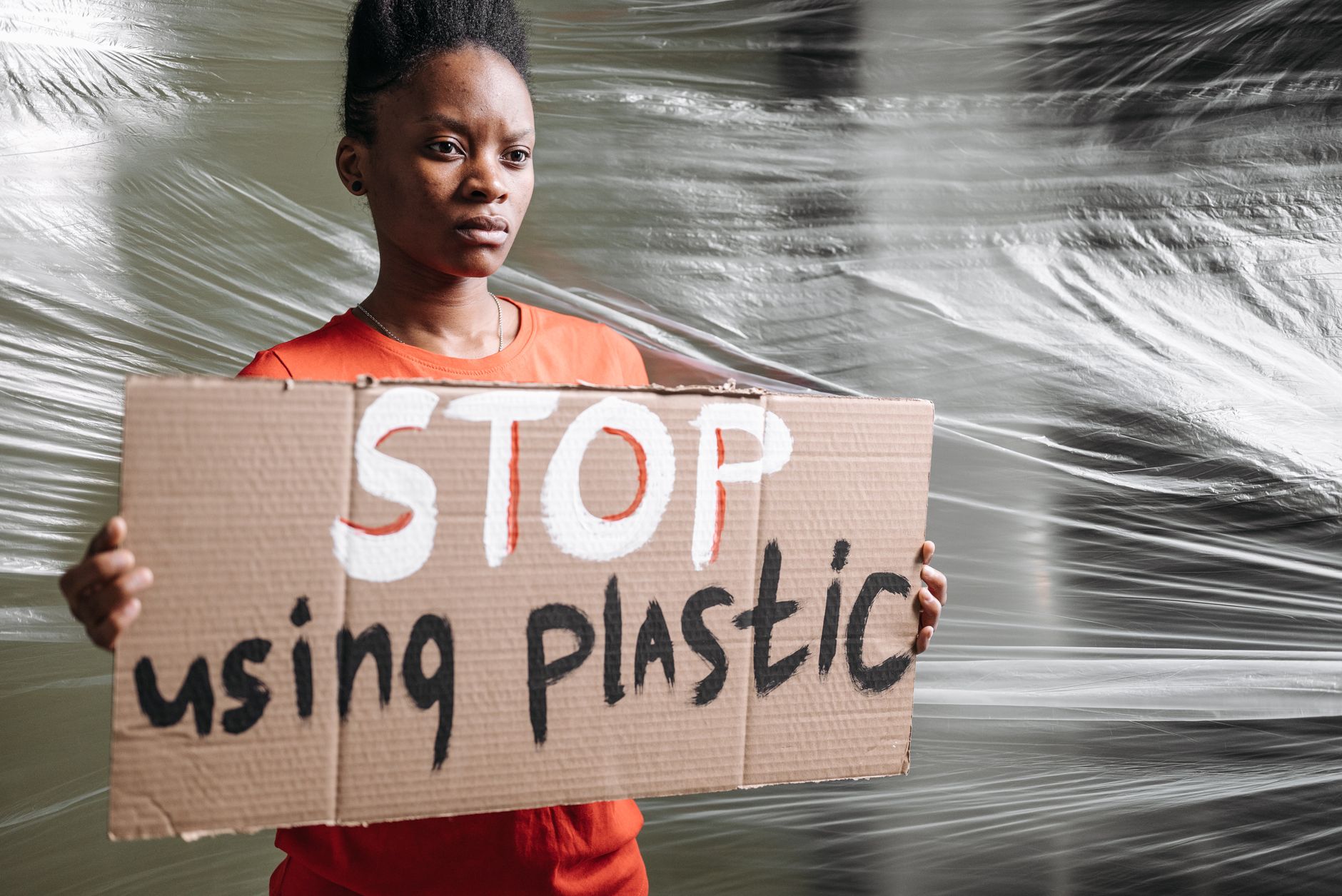
California's ambitious law to tackle single-use plastic waste, known as Senate Bill 54, is facing intense pressure from industry groups. A secretive coalition, "Californians for Affordable Packaging," is leading a multi-front campaign with lawsuits, lobbying, and ads to "pause and replace" the landmark legislation. This push comes despite the law's critical aim to slash plastic pollution and make all packaging recyclable or compostable by 2032. The battle highlights the urgent need for sustainable solutions and the significant hurdles in protecting our environment from widespread plastic waste.
Understanding our changing planet is more crucial than ever. The team at Yale Climate Connections has curated a list of their top climate book recommendations, offering fresh perspectives and deep insights into the challenges we face. These selected reads aim to cut through complexity, making the science and stories of climate change accessible to everyone. Dive into these powerful narratives to grasp the urgency and inspire meaningful action for a sustainable future.
As our climate warms, extreme heat waves are becoming a dangerous reality for many communities. In response, faith leaders are stepping up to protect their congregations and neighbors. A new initiative from Duke University is empowering churches, particularly in rural areas, to transform into vital cooling centers. This innovative approach not only provides immediate relief from dangerous temperatures but also embraces sustainable solutions like solar power to ensure continuous operation.
Faraday Future, once hailed as a potential rival to Tesla, is taking a dramatic new direction after its electric vehicle ambitions faltered. The El Segundo-based company, which struggled to sell its pricey $300,000 EVs, is now focusing on developing and selling humanoid robots. This strategic pivot aims to leverage its existing infrastructure and expertise in a rapidly evolving tech landscape, hoping to find success where its initial electrification efforts fell short. The move highlights the dynamic nature of innovation, even as the company faces skepticism about its ability to redefine its narrative.
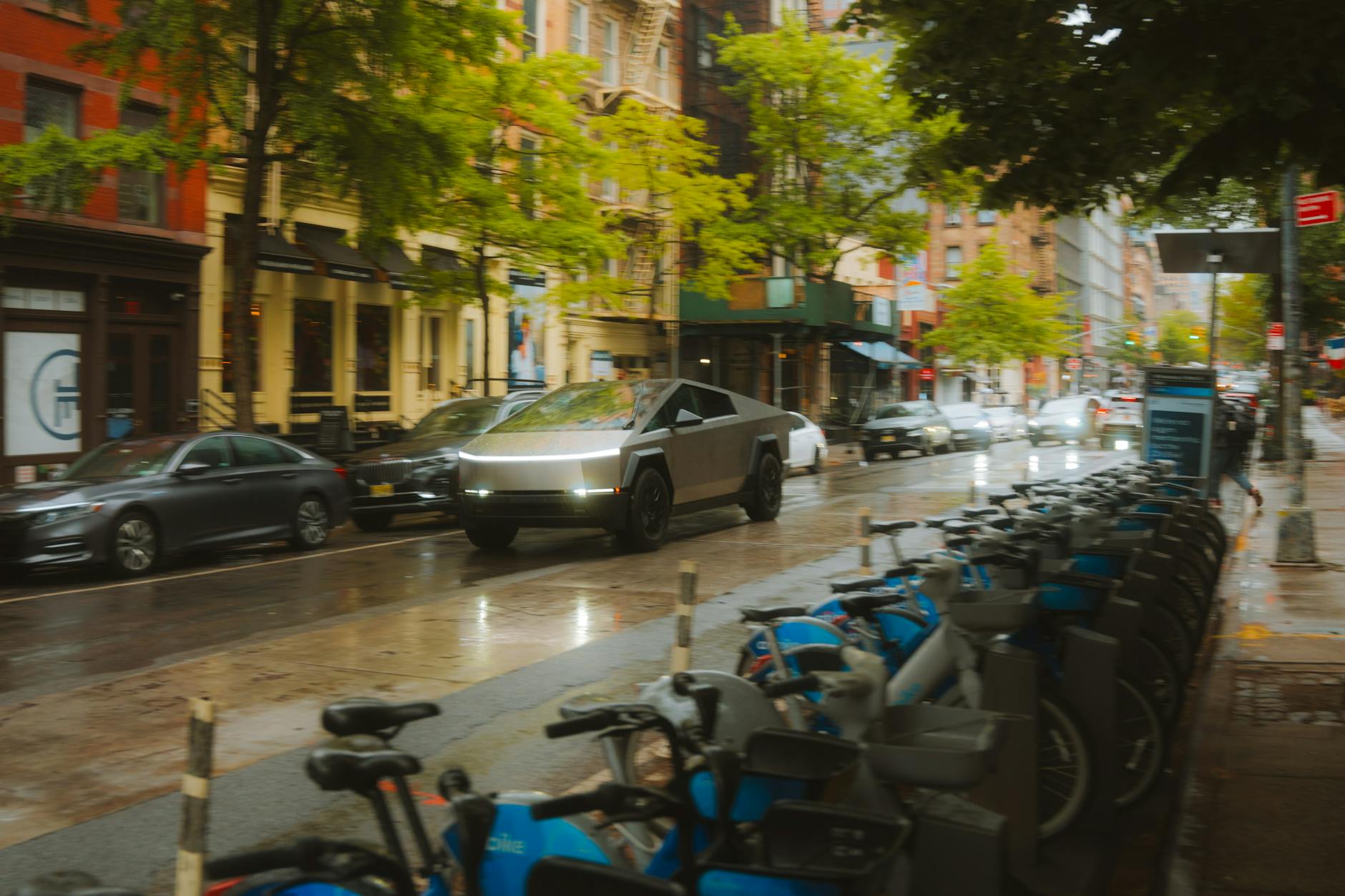
Tesla is upgrading its Robotaxi app, giving riders an exciting new choice: the compact, purpose-built two-seat Cybercab or the familiar four-seat Model Y. This shift allows passengers to pick the perfect electric vehicle for their trip, moving beyond a single-vehicle service. The introduction of the Cybercab, designed for optimal efficiency and accessibility, underscores a commitment to smarter urban mobility. This development is key for reducing energy use and promoting sustainable transportation solutions in our cities.
In Homestead, Florida, hundreds of families are facing a dire situation this summer as their electricity is disconnected amidst record-breaking heat. A new city policy to aggressively collect overdue bills has led to a significant increase in shutoffs, impacting working-class and largely immigrant communities. With Florida lacking statewide protections against disconnections during extreme heat, vulnerable residents are left struggling to stay cool and safe as climate change drives hotter summers, exacerbating energy insecurity and highlighting the urgent need for sustainable solutions and support.
A new report from the United Nations delivers a stark warning: the world is rapidly approaching a critical climate warming threshold. This level was previously agreed upon by countries as a limit to avoid the most severe impacts of climate change. Crossing this line means facing increasingly extreme weather events, rising sea levels, and profound disruptions to ecosystems and human life. The findings underscore the urgent need for global action to transition to sustainable solutions and protect our planet for future generations.
Tesla is taking a significant step towards revolutionizing urban transportation by opening a public interest form for companies to acquire fleets of its purpose-built Cybercab robotaxis. This electric, autonomous vehicle, designed without a steering wheel or pedals, signals Tesla's commitment to scaling a sustainable ride-hailing network. Moving beyond traditional car ownership, the Cybercab offers a glimpse into a cleaner, more efficient future for our cities, reducing emissions and transforming how we move.
A significant agreement has been struck between carbon project developer Econetix and energy trader RWE Supply & Trading, aiming to provide much-needed carbon credits for the international aviation market. This multi-million dollar forward deal comes at a crucial time, as the sector faces a growing shortage of eligible credits required by CORSIA, the global scheme for offsetting aviation emissions. This deficit highlights the urgent need for sustainable solutions to combat climate change, ensuring airlines can meet their environmental obligations and work towards a greener future.
A federal judge has temporarily blocked the Environmental Protection Agency (EPA) from challenging California's special ability to set its own strict vehicle pollution rules. This decision is a win for cleaner air and a temporary setback for the EPA's recent efforts to weaken vital environmental protections. For over sixty years, California has used this power to reduce smog and push for cleaner cars, influencing standards across the nation. The judge's ruling ensures this crucial authority remains intact for now, highlighting the critical role states play in tackling global warming and promoting sustainable solutions. This legal battle underscores the ongoing urgency of protecting our planet from harmful emissions.
A new study reveals a generation of children in England is growing up with surprisingly little direct contact with nature – many have never climbed a tree or identified a wildflower. Despite this growing disconnect, their desire to understand and protect the natural world remains incredibly strong. Three-quarters of these young people would choose a proposed Natural History GCSE, seeing themselves as part of nature with a major responsibility to safeguard it. This urgent call for practical, outdoor learning highlights a crucial pathway for empowering future generations to tackle environmental challenges.
Verra, which runs the world’s largest voluntary carbon credit program, has received a crucial endorsement for its Verified Carbon Standard (VCS) Version 5. The Integrity Council for the Voluntary Carbon Market (ICVCM) recognized VCS Version 5 as meeting its Core Carbon Principles (CCPs), a global benchmark for trustworthy carbon markets. This decision marks a significant step towards boosting confidence in carbon credits by ensuring they deliver real climate benefits and protect local communities. It is vital for accelerating climate action through credible, market-based solutions.