Verra, which runs the world’s largest voluntary carbon credit program, has received a crucial endorsement for its Verified Carbon Standard (VCS) Version 5. The Integrity Council for the Voluntary Carbon Market (ICVCM) recognized VCS Version 5 as meeting its Core Carbon Principles (CCPs), a global benchmark for trustworthy carbon markets. This decision marks a significant step towards boosting confidence in carbon credits by ensuring they deliver real climate benefits and protect local communities. It is vital for accelerating climate action through credible, market-based solutions.
SpaceX is gearing up for a major milestone with its Starship program as it seeks federal approval for Flight 14. This isn't just another test flight; it's designed to be Starship's first genuine attempt at reaching Earth's orbit, a significant leap forward from its previous suborbital journeys. The mission plans to carry about 20 Starlink V3 satellites, which, if successful, will enter operational service and boost global internet coverage. This development signals a pivotal moment for Starship, paving the way for its future role in deploying vital satellite infrastructure and advancing space exploration.
The Federal Emergency Management Agency (FEMA), once a target for elimination by the Trump administration, is now considered safe from drastic cuts. This shift comes after significant efforts by its former leader, David Richardson, to reduce the agency's size, a mission he now admits was ultimately unsuccessful. While other federal bodies faced dismantling, FEMA's vital role in disaster response, highlighted by increasing natural disasters, proved resilient. Its continued operation underscores the critical importance of a robust agency dedicated to helping communities prepare for, endure, and recover from crises.
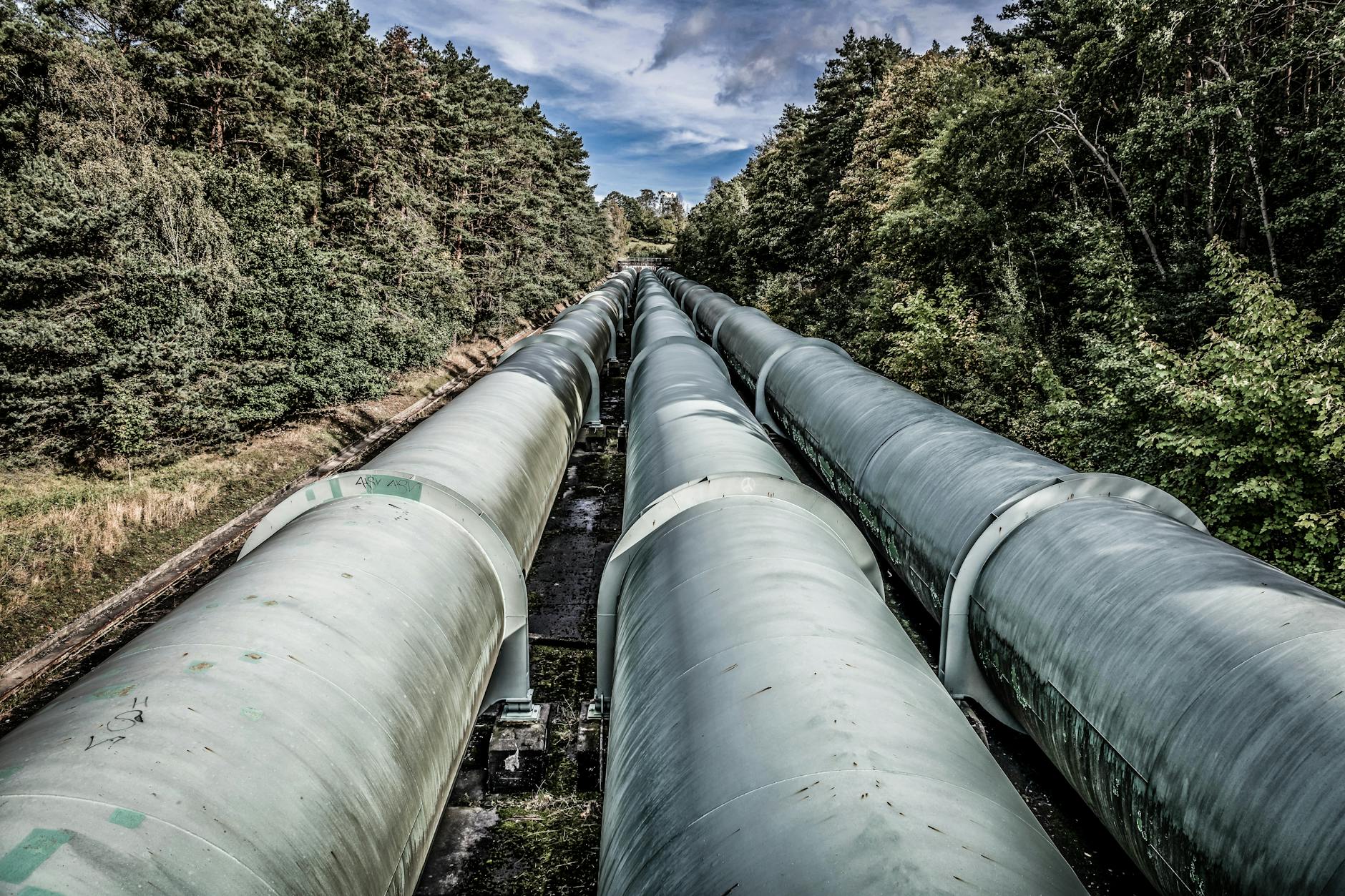
The Trump administration is advancing new rules under the Clean Water Act that could significantly curb states' and tribes' ability to block major energy projects like pipelines and dams. These changes would narrow the scope of environmental reviews, limiting states to considering only direct pipe discharges, rather than a project's broader impact on water quality. Critics argue this move, despite claims of "cooperative federalism," will ultimately weaken vital protections for America's waterways and undermine local control over critical environmental decisions. This shift makes it easier to approve projects that could further contribute to climate change and pollution, highlighting the ongoing urgency of safeguarding our natural resources.
California lawmakers have taken a significant step to transform how the state's demonstration forests are managed, moving away from a primary focus on commercial logging. Assembly Bill 2494, now awaiting the governor's signature, aims to prioritize vital environmental goals like carbon storage, wildfire resilience, and biodiversity conservation. This pivotal legislation also paves the way for Native American tribes to co-manage these lands, integrating invaluable traditional ecological knowledge into modern forest stewardship. This shift highlights a growing commitment to sustainable practices and climate action, ensuring our forests can thrive for future generations.
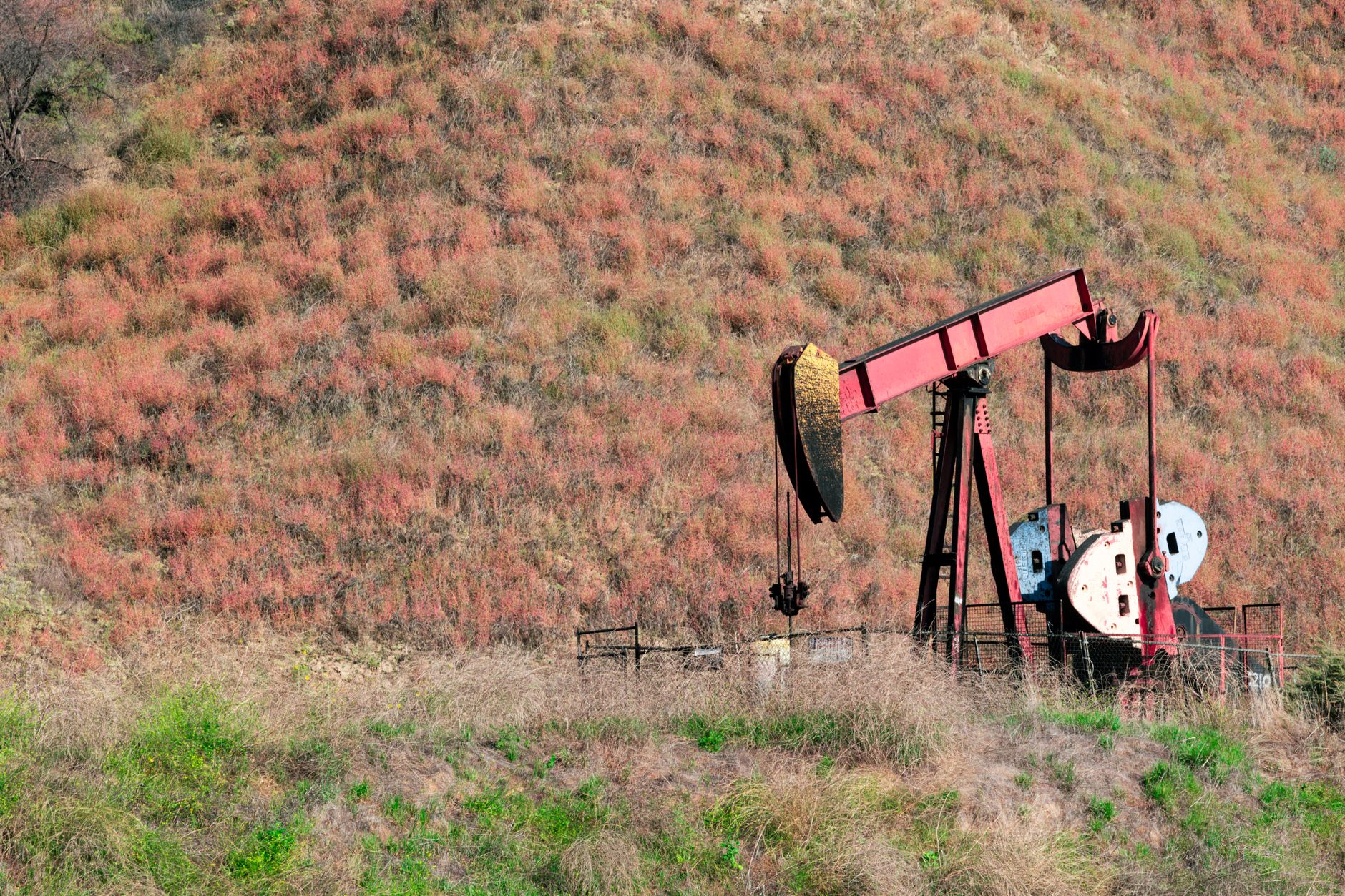
Chevron is significantly expanding its oil operations in Venezuela, pledging a $7 billion investment over five years to boost production to 600,000 barrels per day. This move follows Venezuela granting the U.S. access to vast oil reserves, marking a deeper commitment by Chevron as the country's largest foreign operator. The decision unfolds amidst Venezuela's ongoing political and economic challenges, including extensive disrepair in its oil infrastructure. This expansion stands in contrast to the urgent global need for a shift away from fossil fuels, underscoring the complexities of energy decisions in the face of escalating climate concerns.
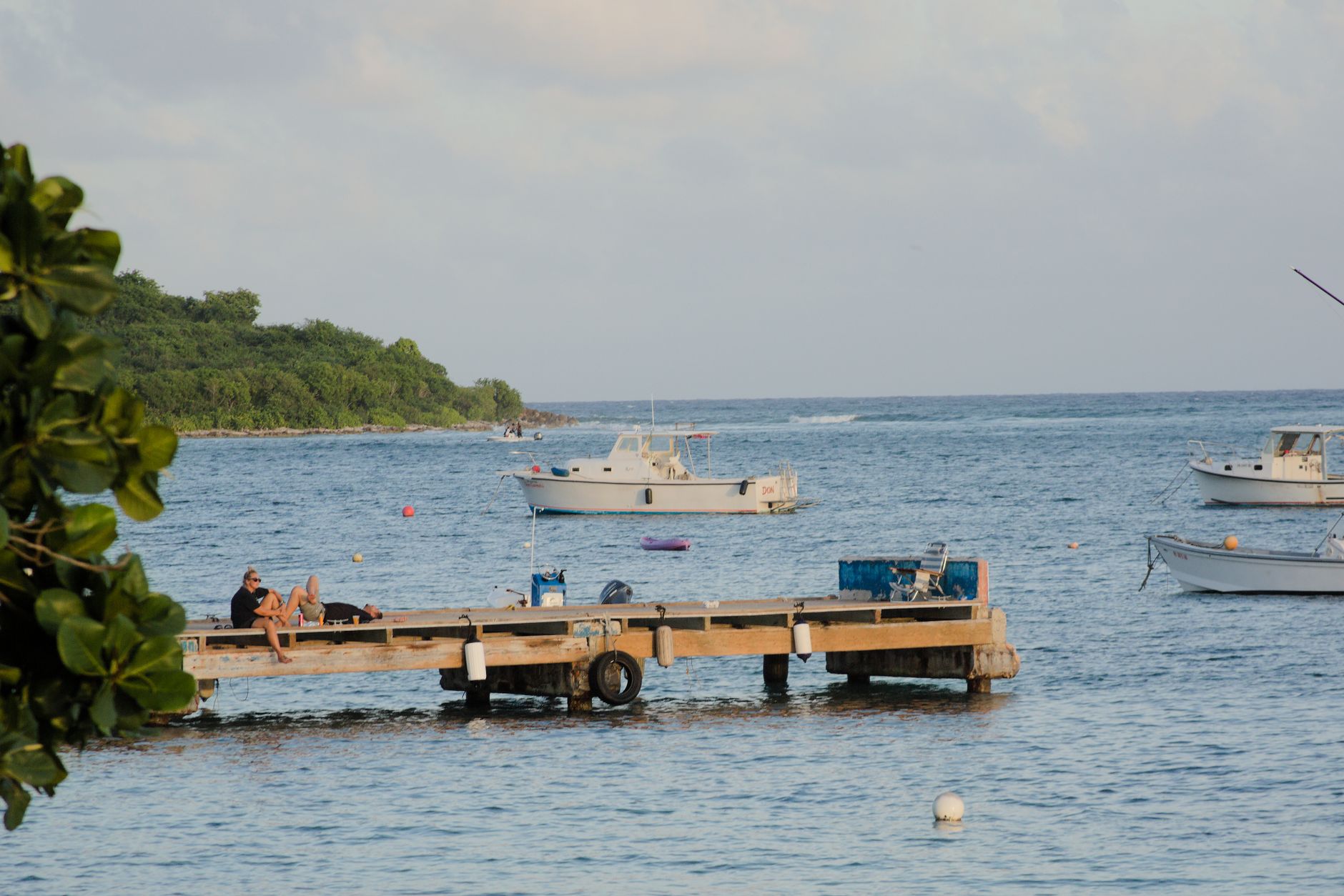
A new documentary, "Agricultores del Mar" (Farmers of the Sea), shines a light on the resilient commercial fishermen of Vieques, Puerto Rico. Led by Pedro A. Zenón, these "sea farmers" navigate a complex web of environmental and historical challenges. The film reveals how climate change is heating and acidifying the ocean, impacting vital coral reefs, while the legacy of past military occupation continues to affect their waters and land. Despite these immense obstacles, their dedication to fishing remains crucial for the island's food security and a powerful example of environmental stewardship.
In a recent New York City soccer match, star player Trinity Rodman visibly struggled in extreme heat and wildfire smoke. This alarming incident highlights the growing dangers faced by young athletes, whose bodies are more vulnerable to such harsh conditions. As climate change fuels more frequent and intense extreme weather events, organizations like Moms Clean Air Force are urging schools, youth leagues, and Congress to implement vital safety measures, underscoring the urgent need to protect children's health.
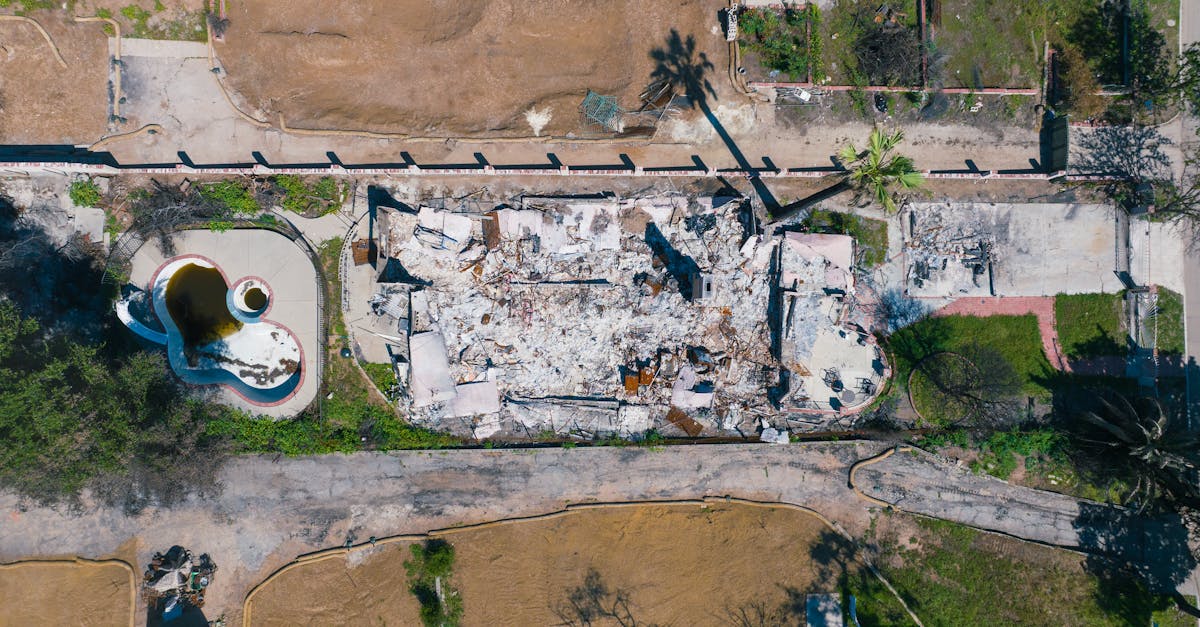
Three years after the devastating Maui wildfires destroyed Lahaina, survivors face a heartbreaking new challenge: widespread contractor fraud. Many who lost their homes, like Raquel Utrillo, have paid hundreds of thousands of dollars to unscrupulous builders who disappear or do shoddy work, leaving families stranded. This exploitation compounds the trauma of a climate-fueled disaster that displaced thousands and caused billions in damage. The slow pace of official action against these 'bad apples' prolongs suffering, highlighting the critical need for effective oversight in disaster recovery.
As severe wildfires push resources to their limits across the American West, an ancient solution is gaining new traction: targeted grazing. Livestock like cattle, goats, and sheep are being intentionally deployed to munch and stomp down flammable vegetation, drastically reducing fire risks. This innovative approach offers a sustainable, nature-based method to protect communities and ecosystems, highlighting the critical need for diverse strategies in adapting to our changing climate.
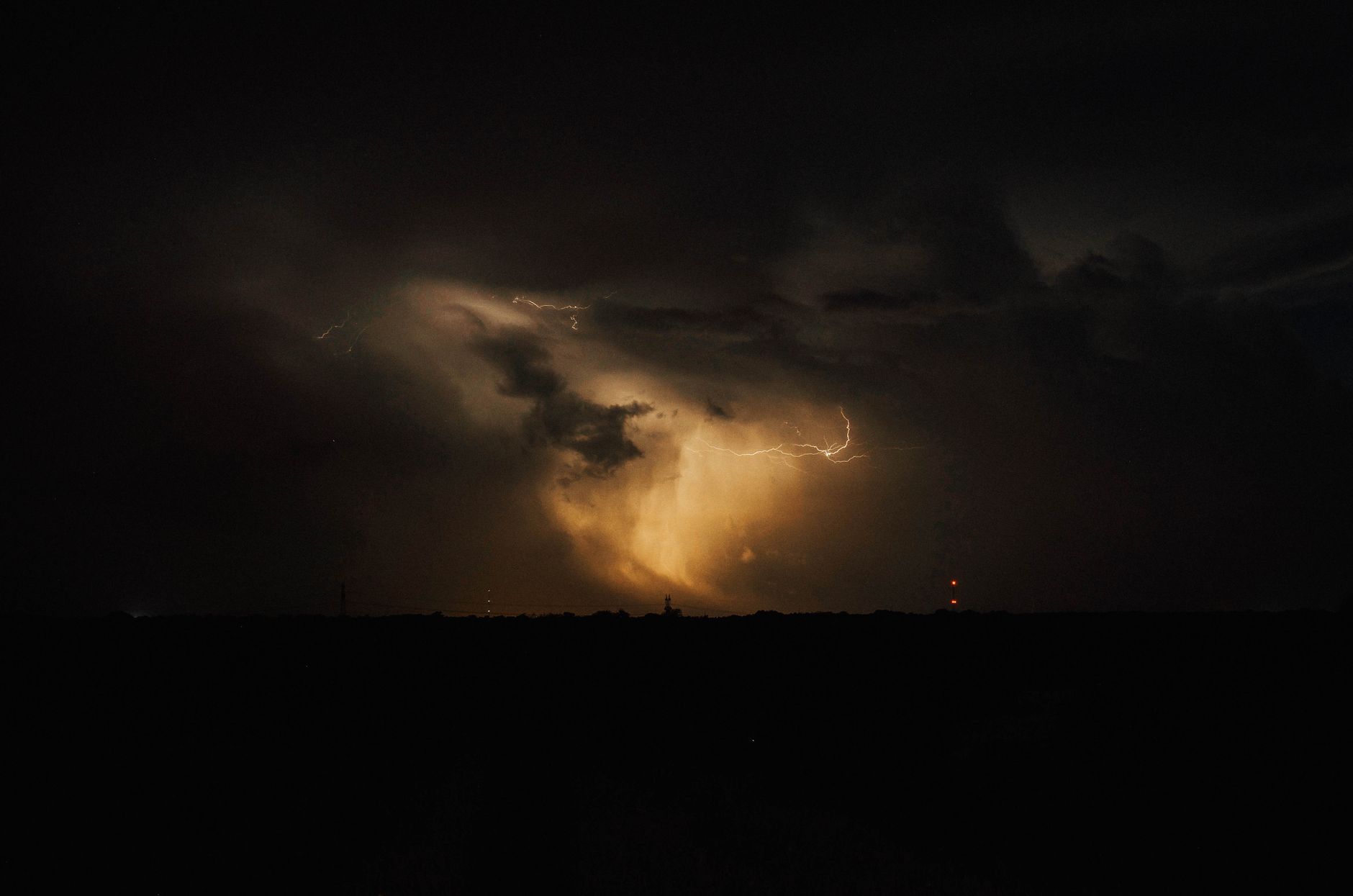
Tropical Storm Edouard, though short-lived and seemingly mild, brought devastating flash floods to East Texas this week. Despite its weak winds, the storm dumped exceptional amounts of rain inland, causing local emergencies. This event underscores how even lesser-known storms can unleash significant destruction, a stark reminder of our changing climate. Meanwhile, two powerful Pacific hurricanes, Lowell and Marie, show the intensifying global storm activity and potential threats to Hawaii and the U.S. Southwest, highlighting an unusual and concerning hurricane season.
SpaceX, now a titan of space exploration, once teetered on the edge of extinction. After three consecutive rocket launch failures, the company had just one last chance to succeed with its Falcon 1 rocket. Its make-or-break fourth flight in 2008 wasn't just about putting a satellite into orbit; it was about saving the entire venture. This pivotal moment not only secured SpaceX's future but also paved the way for unprecedented advancements in space travel, enabling more affordable access to orbit that benefits global communication and environmental monitoring efforts.