Pennsylvania is spending hundreds of millions of taxpayer dollars to burn waste coal, a practice that environmental experts say actively harms climate goals. While companies argue this method cleans up historical pollution, burning waste coal is significantly more carbon-intensive than traditional coal, worsening global warming. This costly approach diverts funds and attention from critical renewable energy development, leaving Pennsylvania far behind in the clean energy transition. The state produces more power from this polluting waste than from vital solar arrays, highlighting a critical environmental and financial misstep.
Tesla vehicles appear to be quietly expanding their in-car entertainment options, offering drivers more ways to relax while on the go. Recent discoveries by owners show that popular streaming platforms like Apple TV, HBO Max, and Prime Video now launch in a full-screen, app-like format directly from the vehicle's browser. This makes charging stops or parked breaks much more engaging, transforming necessary downtime into a seamless entertainment experience. It’s a smart move that further enhances the appeal of electric vehicles, making sustainable transport more enjoyable. This upgrade underscores the continuous innovation making EVs more attractive.
Tesla has officially discontinued its in-house vehicle wrap service, a customization option first launched in China in 2020 and introduced to the U.S. in October 2023. The service, which allowed owners to change their car's look with vinyl wraps, was only available in a handful of locations in California and Washington. Despite the popularity of vehicle wraps among Tesla owners seeking unique aesthetics, the program's limited geographic reach likely contributed to its brief lifespan.
Microsoft and Aker Solutions are partnering to accelerate carbon capture and removal projects worldwide. This collaboration aims to move promising ideas from concept to reality by addressing critical challenges like financing and project readiness. As global temperatures rise and emissions continue, speeding up these sustainable solutions is vital for tackling climate change and helping major companies meet their ambitious environmental goals. The urgency for effective carbon management has never been clearer.
Royal Philips has made a landmark move in sustainable finance, issuing the healthcare industry's first-ever €650 million green bond under the strict European Union Green Bond Standard (EuGB). This pioneering step, as announced in their official statement, not only secures funding for Philips' ambitious environmental goals but also sets a new benchmark for how healthcare companies can credibly link their financing to measurable ecological impact. It signifies a crucial shift towards combating 'greenwashing' and accelerating the transition to a more sustainable, circular economy within the vital healthcare sector.
Thanks to a remarkably successful fundraiser, critical reporting on extreme weather and climate change is expanding. Readers from across the globe generously exceeded the $10,000 goal, bolstering efforts to track dangerous storms and explain their connection to a changing climate. This vital support ensures that important environmental information reaches a wider audience, including Spanish-speaking communities, at a time when understanding climate impacts has never been more urgent.
Meet a former educator who has dedicated their life to a crucial cause: climate advocacy. After years in the classroom, this individual transitioned to addressing the growing urgency of global warming, driven by a deep commitment to future generations. Their journey highlights how personal passion can spark significant action, underscoring the critical need for everyone to engage in building a sustainable future. This advocate's story is a powerful reminder that it's never too late to make a difference for our planet.
A catastrophic rock-and-ice avalanche unleashed devastating floods across Nepal and Tibet on August 26, claiming hundreds of lives and leaving thousands missing. Rescue efforts faced further complications due to new flooding concerns. This tragedy isn't just a natural disaster; it's a stark warning about our warming planet. Experts confirm that long-term human-caused climate change has dangerously destabilized the Himalayas' glaciers and permafrost, setting the stage for such catastrophic events. This disaster underscores the urgent need for global climate action to protect vulnerable communities and ecosystems.
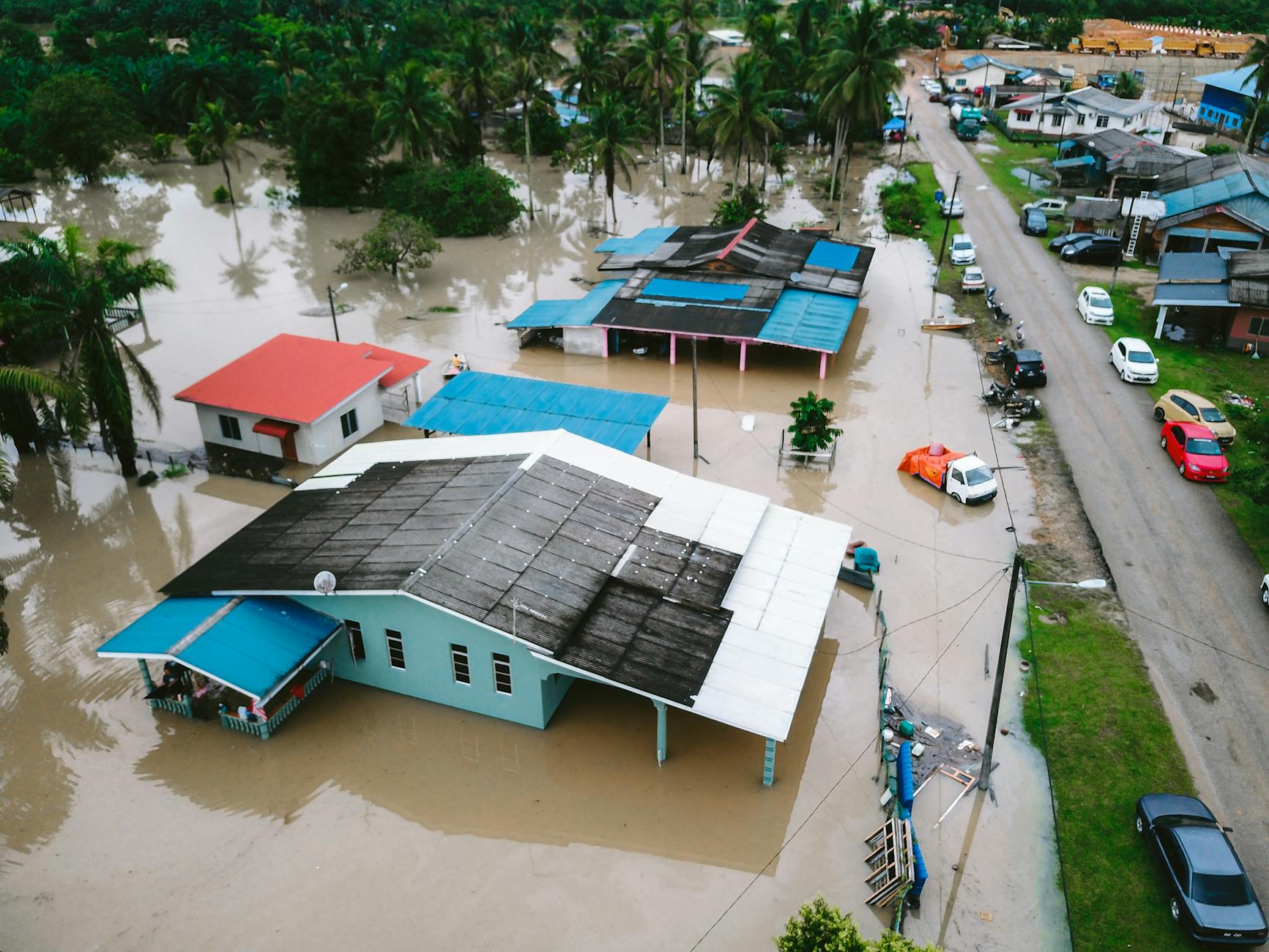
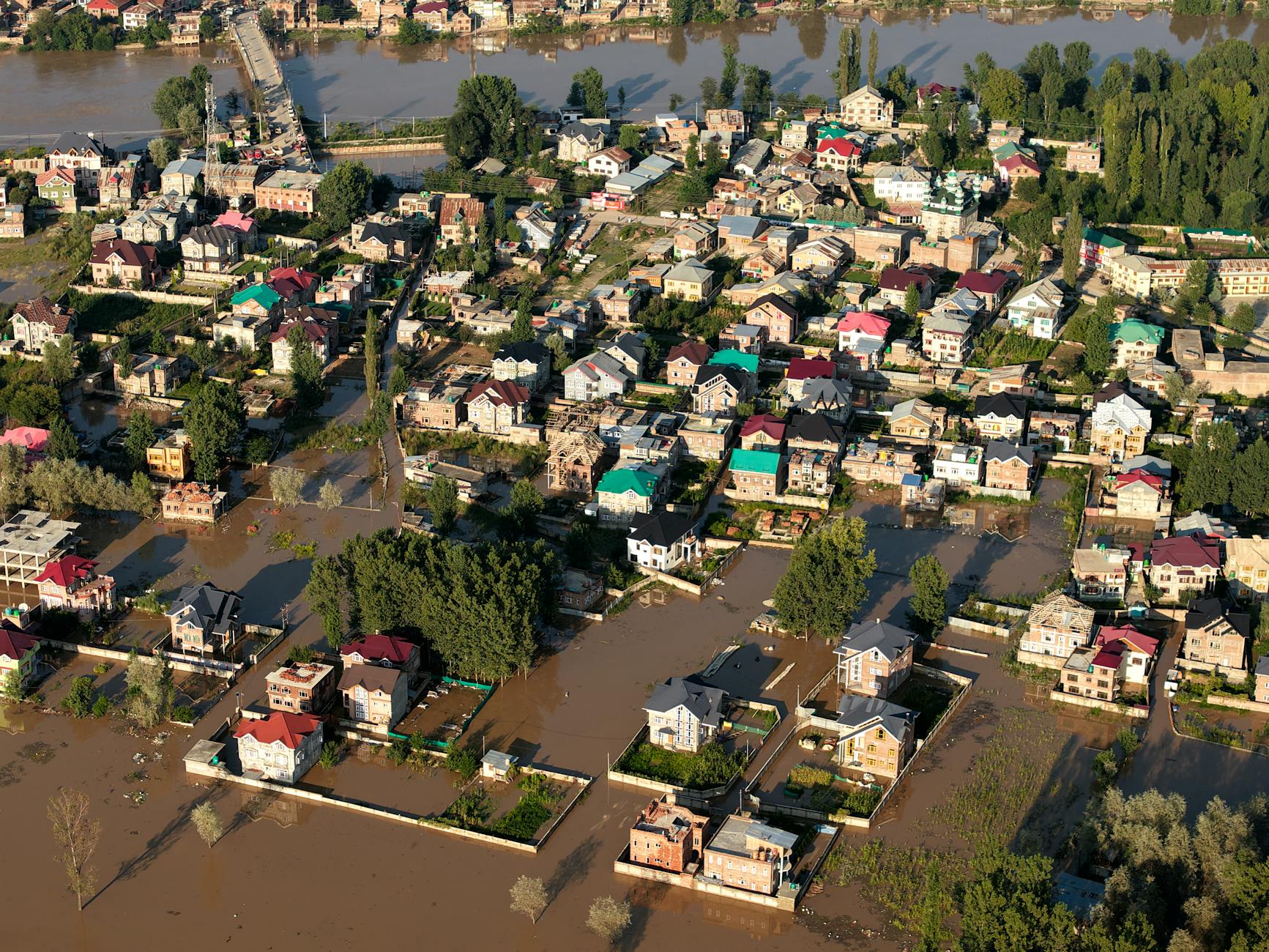
Deadly flash floods have swept through Nepal and Tibet, leaving hundreds dead and over a thousand missing. Initial reports indicate a massive chunk of ice broke off a glacier, sending a torrent of rock, ice, and mud through valleys. This devastating event highlights the increasing instability of glaciers worldwide, a direct consequence of human-caused global warming. As our planet heats up, such natural disasters are becoming more frequent and severe, urging immediate action.
California has launched a lawsuit against the Trump administration and a developer following a controversial deal that saw a critical offshore wind project abandoned for fossil fuel development. The state's Attorney General, Rob Bonta, and the California Energy Commission are challenging a $120 million payout to Golden State Wind, arguing it violates federal law. This legal battle is crucial for California's ambitious clean energy goals, including developing 25 gigawatts of offshore wind power by 2045, a vital step in combating global warming and transitioning to a sustainable future.
Lee Marten, a former Vancouver police sergeant, is sharing his remarkable journey as one of the first patients to receive Neuralink’s brain implant. Diagnosed with ALS, a devastating neurodegenerative disease, Marten faced a future without the ability to move or speak. This advanced wireless brain-computer interface technology has offered him a lifeline, allowing him to communicate and interact with the world using just his thoughts. His story highlights a significant leap in assistive technology, providing hope for many facing similar challenges.
Southern California is experiencing an unusually muggy summer, with humidity levels soaring to create conditions more akin to Florida. This uncomfortable blend of heat and moisture is making already intense temperatures feel even more miserable, especially overnight, where new low-temperature records are being set. Experts link this phenomenon to a mix of tropical storm remnants, a powerful El Niño, and significantly warmer ocean temperatures, a direct consequence of ongoing climate change. The situation highlights the urgent need for action as our planet's warming trends reshape local climates, posing health risks and challenging our perception of 'normal' weather.