The vast majority of meat consumed in America comes from concentrated animal feeding operations, or CAFOs. While efficient for production, these massive facilities generate staggering amounts of waste, pollute vital water sources, and release potent greenhouse gases. Communities living near these operations often face severe health issues and environmental degradation. The urgency of addressing these impacts on our planet and public health is growing, highlighting the critical need for sustainable changes in our food systems.
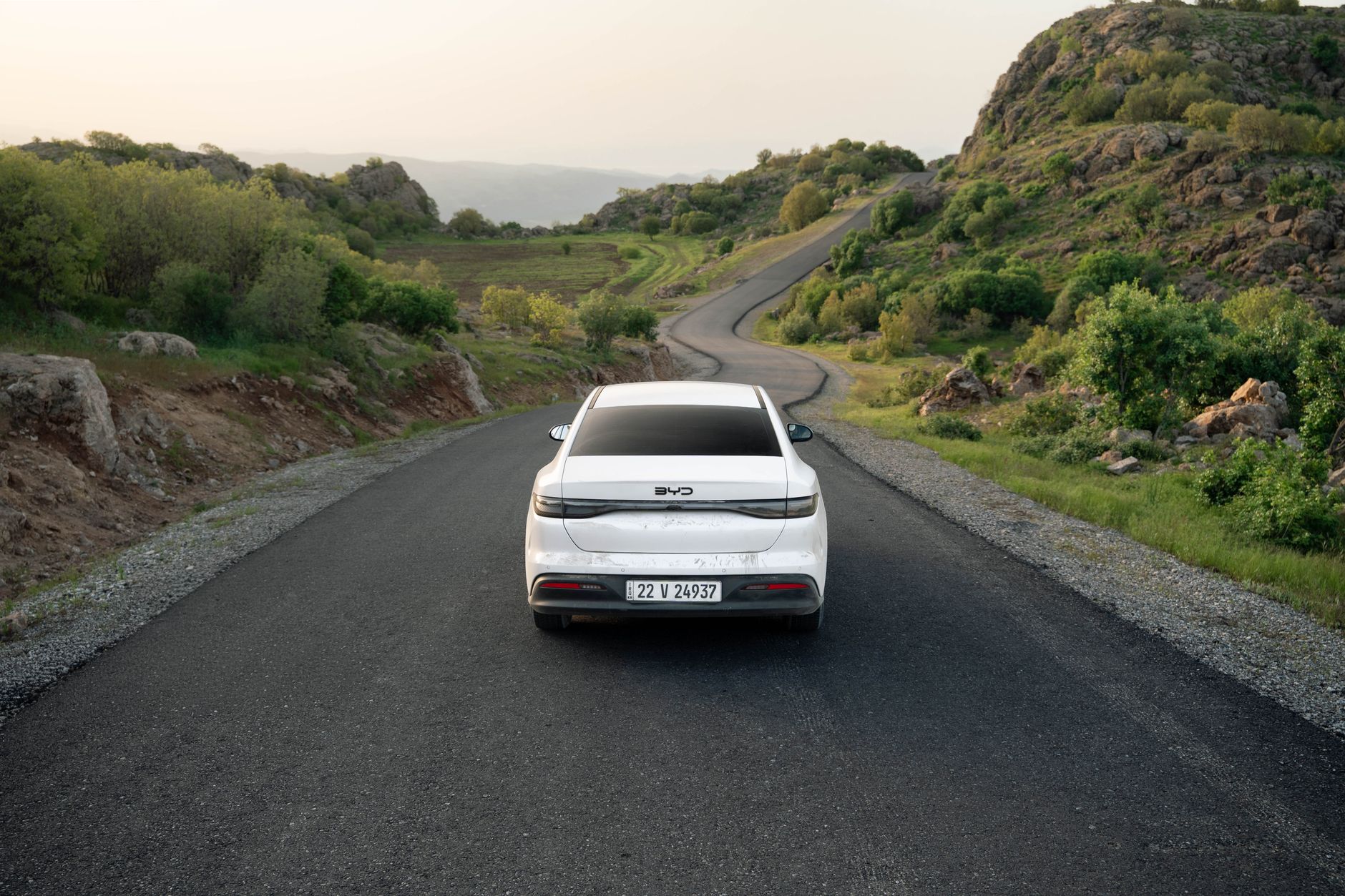
A remarkable shift is underway in South America, with electric vehicle (EV) sales accelerating at an astonishing rate. Argentina, in particular, has seen its EV market share jump significantly, driven largely by Chinese manufacturers like BYD. This rapid adoption is a "leapfrog" moment for emerging markets, bypassing the slower transition seen in some leading economies. While this surge offers hope for reducing global transportation emissions and combating climate change, experts caution that true decarbonization requires more than just vehicle electrification.
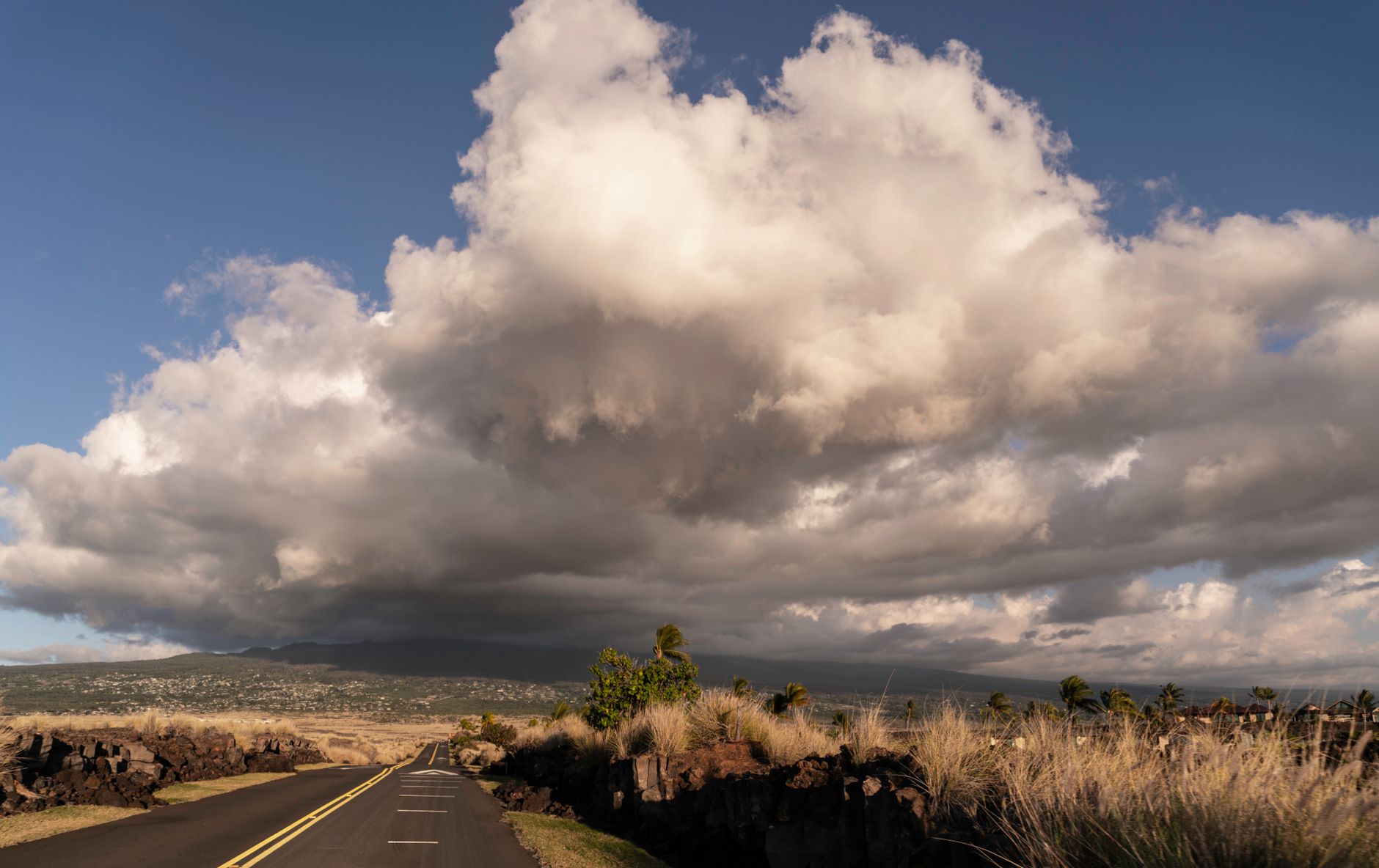
Tropical Storm Lala is rapidly approaching Hawaii's Big Island, poised to become the first hurricane to make direct landfall in 155 years. Residents are bracing for "enormous" impacts, including up to 25 inches of rain, life-threatening mudslides, and dangerous flooding across the islands. This comes as Hawaii is still recovering from previous severe weather events and faces elevated wildfire risks. The storm's arrival during a powerful El Niño year underscores the growing urgency of preparing for extreme weather in our changing climate.
Colombia's new president, Abelardo de la Espriella, is dramatically altering the nation's energy course, signaling a renewed focus on oil and gas production. This marks a sharp departure from former President Gustavo Petro's push for renewable energy and Amazon protection. While acknowledging the need for an energy transition, de la Espriella insists it must not compromise the country's fossil fuel industry, citing energy security as a national priority. This policy shift raises significant questions about Colombia's commitment to global climate action and the urgent need to move away from fossil fuels to protect our planet.
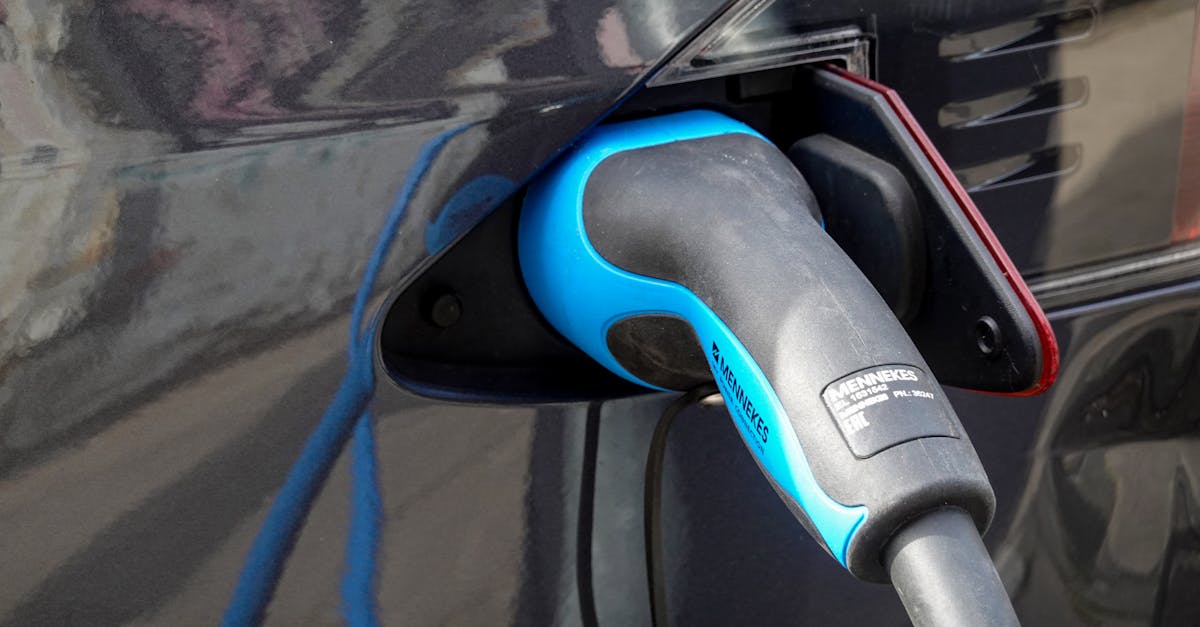
After years in the shadows, hybrid cars are making a stunning return to popularity worldwide. With high gasoline prices and electric vehicle (EV) sales cooling due to cost and charging concerns, consumers are increasingly choosing hybrids for their blend of fuel efficiency and convenience. This unexpected surge highlights a pivotal moment in our transition to greener transport, offering a tangible step towards reducing emissions while full electrification takes hold. Major automakers are ramping up production to meet this renewed demand.
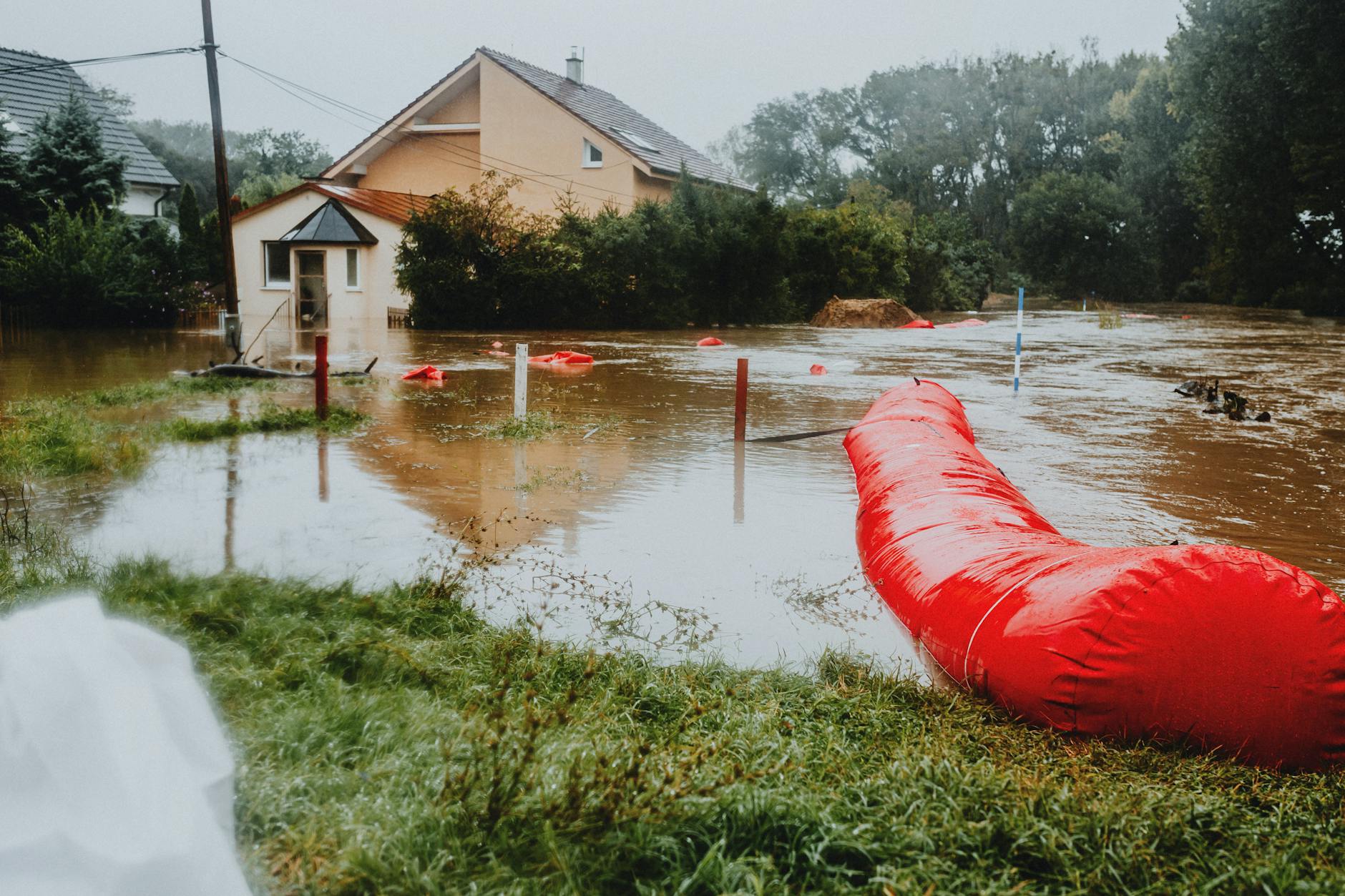
Severe storms and relentless rainfall have caused catastrophic flooding across Indiana, leading to at least five fatalities and widespread devastation. Rivers, including the White River, have swelled to record-breaking levels, surpassing those from over a century ago. This 'once-in-a-lifetime' event has prompted emergency declarations, significant rescue operations, and mass evacuations, highlighting the growing challenge of extreme weather for communities.
Fishermen at Malibu Pier were recently stunned by a rare visit from a hammerhead shark, an encounter usually reserved for much warmer waters. This unexpected sighting is attributed to a combination of factors, including a strong El Niño cycle and the pervasive effects of climate change, which are driving ocean temperatures to unusual highs. The event serves as a vivid reminder of how our warming planet is shifting marine environments, bringing species into new territories and highlighting the urgent need for environmental action. Such sightings are especially significant given the global decline of hammerhead populations.
A young river otter, recently struck by a car in Vacaville, California, is making a remarkable recovery at the Solano Wildlife Rescue and Education Center. Despite suffering brain swelling and a chin abrasion, the otter avoided broken bones, signaling a hopeful prognosis. This incident highlights the increasing challenges wildlife face as human populations expand, making dedicated rescue efforts and environmental awareness more crucial than ever for protecting vulnerable species.
NextEra Energy, once a vocal leader in renewable energy and climate action, has notably scaled back its clean energy messaging and commitments. The world's largest publicly traded electricity company now emphasizes a "diverse" energy mix, including natural gas, adopting language like "American energy dominance." This shift aligns with a political environment that increasingly favors fossil fuels and casts doubt on clean energy initiatives. Critics are questioning NextEra's sincerity regarding its environmental pledges, highlighting a concerning trend for climate progress. The move underscores how political pressures can undermine critical steps toward a sustainable, electrified future.
Hawaii's Big Island is on high alert as Tropical Storm Lala is set to strengthen into a hurricane, potentially marking the first direct landfall since 1871. Forecasters predict heavy rainfall, risking severe flooding, dangerous mudslides, and even igniting wildfires. Communities are preparing for the worst, highlighting the need for immediate action to protect lives and property from this rare and potent weather event. The storm underscores the increasing vulnerability of coastal regions to extreme weather.
A pivotal legal battle is unfolding in the American West, questioning if a massive dam expansion on the already strained Colorado River can proceed without fully considering climate change impacts. Environmental groups are challenging Denver Water and the U.S. Army Corps of Engineers, arguing the river has no more water to spare, a stark reality underscored by a rapidly warming planet. This case in the 10th U.S. Circuit Court of Appeals could reshape how water resources are managed across seven states and for millions of people, making it a crucial test for integrating climate realities into major infrastructure decisions.
Malaysia is stepping up its efforts to manage growing energy use with a new 10-year plan, the National Energy Efficiency Action Plan 2026–2035 (NEEAP 2.0). This strategy aims to save an impressive US$21.5 billion and cut energy demand by 11.6% by 2035. With electricity needs rising from industrial growth and more data centers, this initiative is crucial for both economic stability and environmental protection. By focusing on efficiency, Malaysia seeks to lower greenhouse gas emissions while continuing its rapid development, contributing significantly to global climate action.