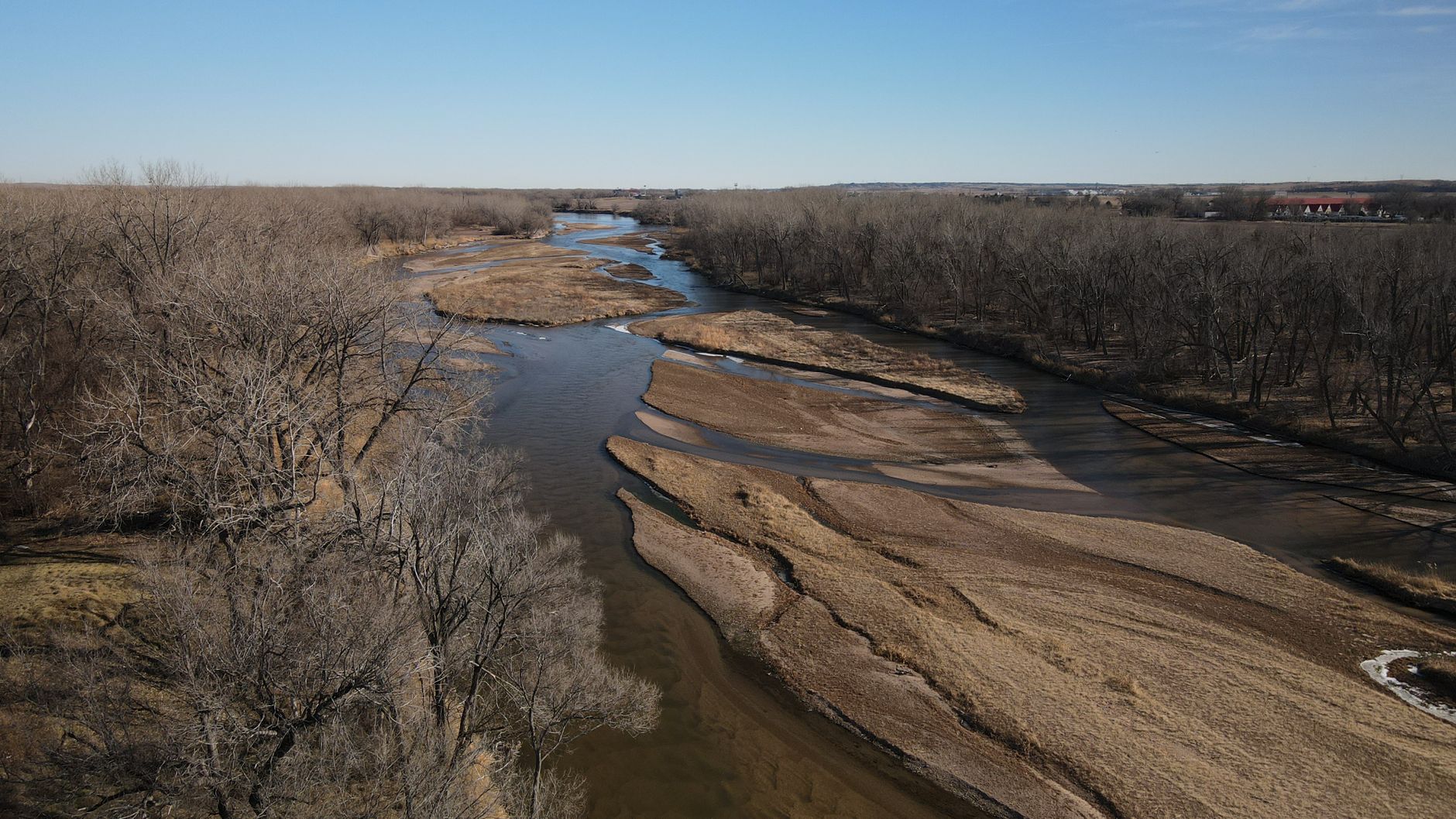
In Nebraska's 'Beef Country,' a new facility known as Blackshirt Feeders is set to become the nation's largest single-site beef feedlot, housing 200,000 cattle. This massive operation, covering nearly 700 acres, is sparking significant local concern over dwindling water resources and potential pollution. Beyond its immediate footprint, industrial-scale livestock farming, like Blackshirt, represents a major challenge for global climate goals. The staggering volume of methane and manure produced intensifies the urgency of finding sustainable solutions for our food system.
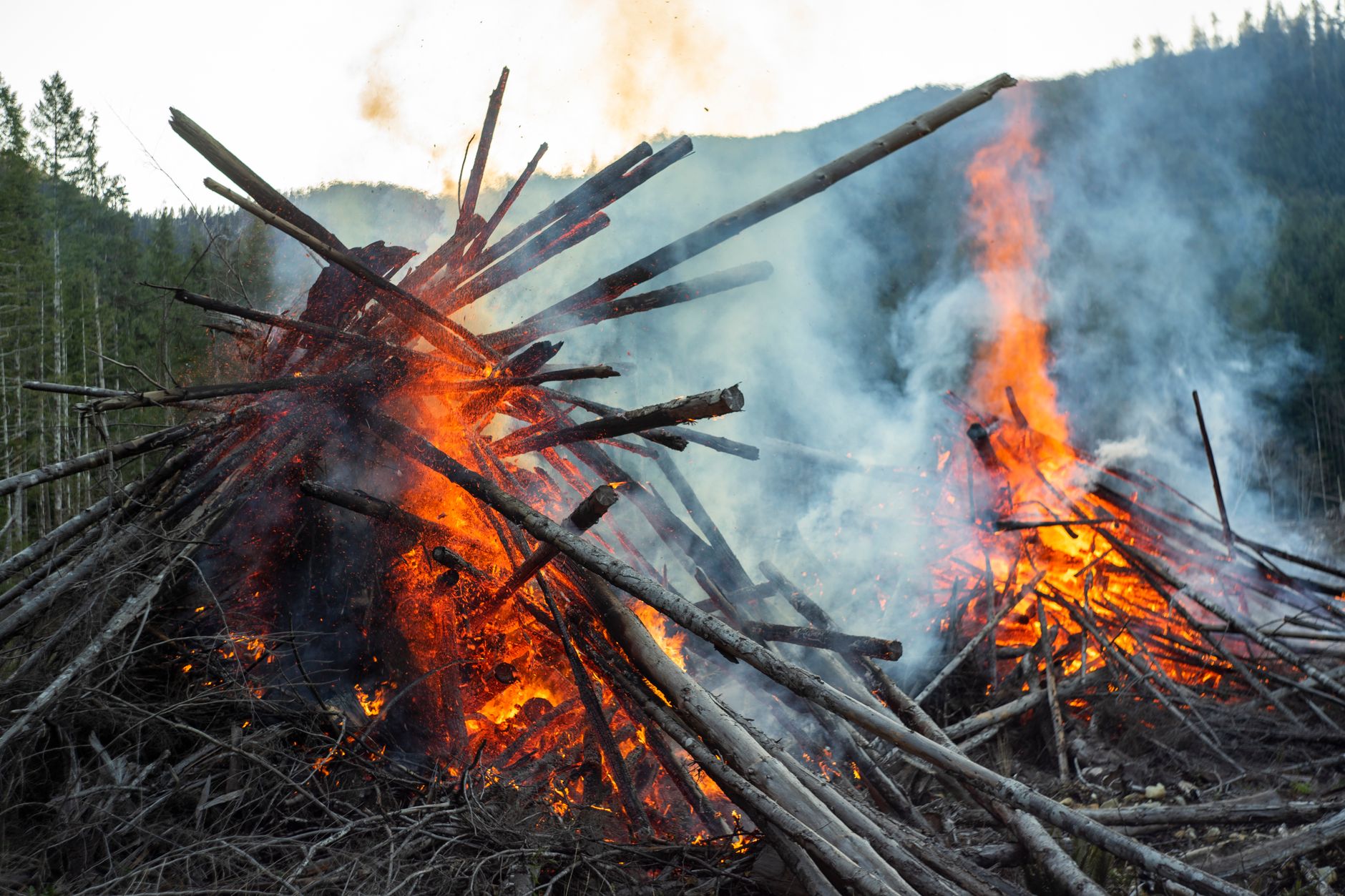
A dangerous wildfire in Utah is preventing emergency crews from safely reaching the remote site of a helicopter crash, leaving the status of two people aboard unconfirmed amidst intense flames. This incident is just one example of a broader crisis, as numerous large wildfires rage across several Western U.S. states and Canada. From national park closures in Washington to thousands evacuated in British Columbia, these widespread blazes highlight the escalating challenges of managing a rapidly warming environment and the urgent need for sustainable solutions.
The promising U.S. offshore wind industry, once poised to deliver thousands of high-paying jobs and crucial clean energy, is now in sharp decline. Recent federal policy shifts, including halted permits and canceled leases, have left many workers like Gerard Mullin, who saw their futures in this growing sector, struggling to find new employment. This sudden reversal not only devastates individual careers and local economies but also significantly delays the nation's transition to sustainable, climate-friendly power sources when urgency is paramount.
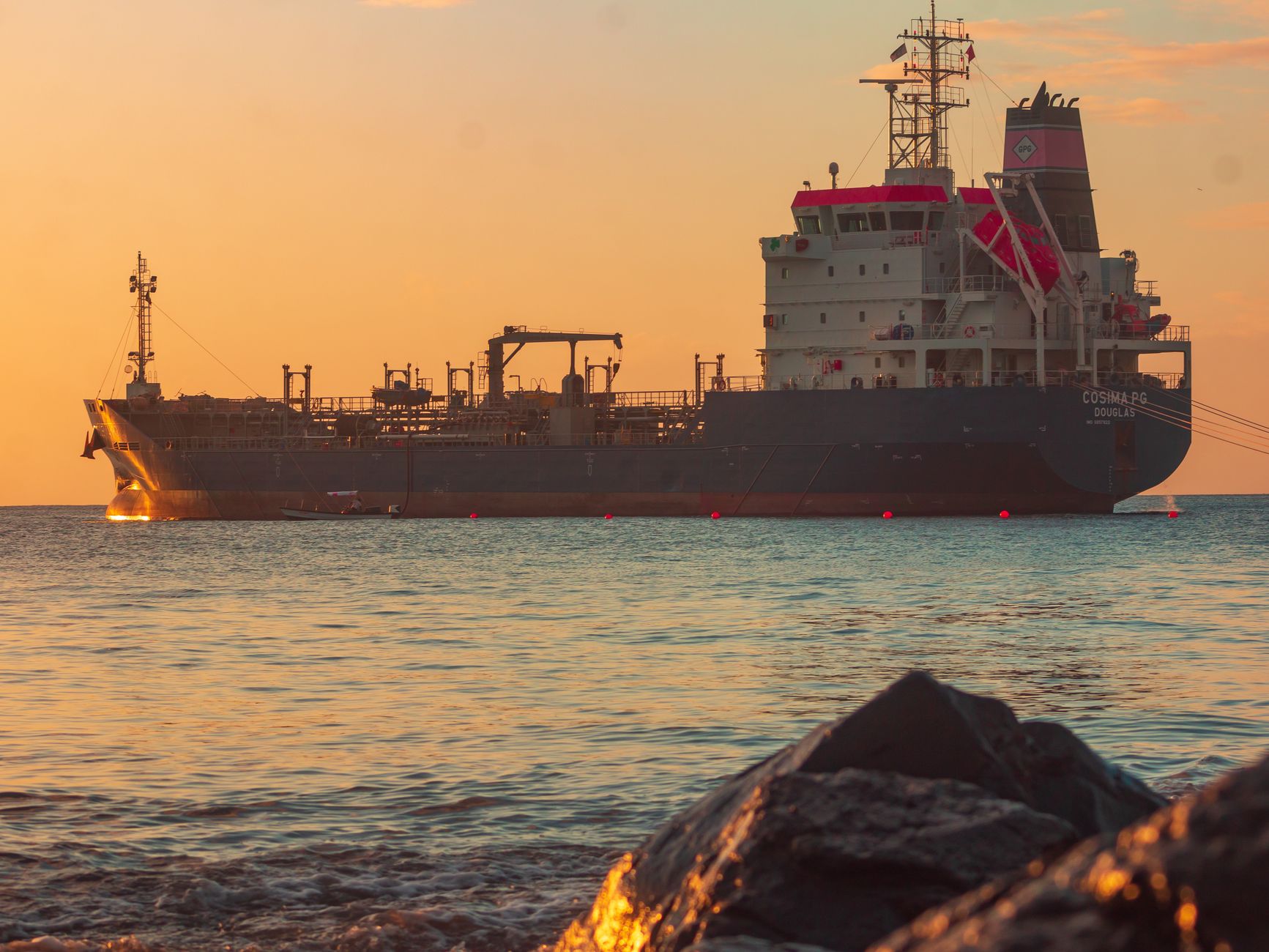
A sanctioned oil tanker, the Caroline Bezengi, is sinking deeper off Oman's coast, leaking nearly a million barrels of crude oil. Satellite images confirm the vessel's worsening condition, with oil spreading rapidly and reaching Qibliyah Island. This unfolding disaster poses an immediate and severe threat to the Arabian Sea reserve, a crucial habitat for endangered species like the Arabian Sea humpback whale and various petrels. Environmental groups are issuing urgent warnings of an unprecedented ecological catastrophe, emphasizing the critical need for swift action to protect precious marine life and fragile coastlines from widespread devastation.
Ford is set to launch its budget-friendly electric pickup, the "Fathom," priced just under $30,000. This new vehicle, arriving in 2027, marks a crucial step for the automaker in offering an affordable electric option, designed to compete with low-cost EVs from global manufacturers. The Fathom is built on a new, efficient electric platform, aiming to make sustainable transportation accessible to more drivers. This move highlights a significant push towards accelerating the shift away from fossil fuels, offering an environmentally conscious choice at a compelling price point.
Ford is set to launch its budget-friendly electric pickup, the "Fathom," priced just under $30,000. This new vehicle, arriving in 2027, marks a crucial step for the automaker in offering an affordable electric option, designed to compete with low-cost EVs from global manufacturers. The Fathom is built on a new, efficient electric platform, aiming to make sustainable transportation accessible to more drivers. This move highlights a significant push towards accelerating the shift away from fossil fuels, offering an environmentally conscious choice at a compelling price point.
Ford is set to launch its budget-friendly electric pickup, the "Fathom," priced just under $30,000. This new vehicle, arriving in 2027, marks a crucial step for the automaker in offering an affordable electric option, designed to compete with low-cost EVs from global manufacturers. The Fathom is built on a new, efficient electric platform, aiming to make sustainable transportation accessible to more drivers. This move highlights a significant push towards accelerating the shift away from fossil fuels, offering an environmentally conscious choice at a compelling price point.
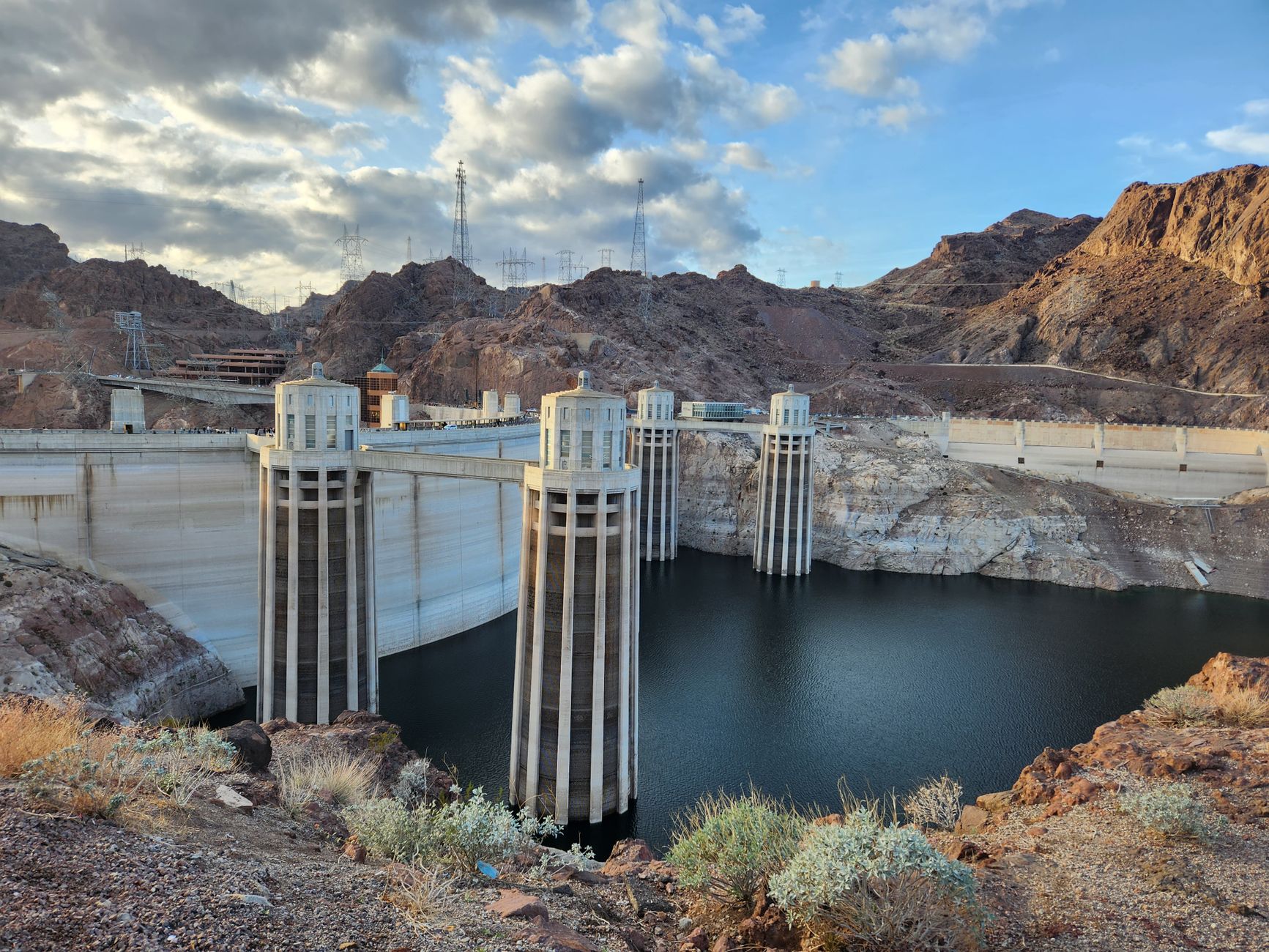
Lake Mead, the United States' largest reservoir, has just recorded its lowest water level in 90 years, signaling a deepening crisis for the vital Colorado River system. Dropping to 1,040.4 feet above sea level, this historic decline surpasses even the severe levels seen in 2022. The shrinking waters are a stark reminder of persistent drought, years of overuse, and the escalating impacts of rising temperatures on our natural resources. This critical situation directly threatens water supplies for over 40 million people, agriculture, and critical hydropower production across seven U.S. states and Mexico. The urgent need for sustainable water management and climate action has never been clearer.
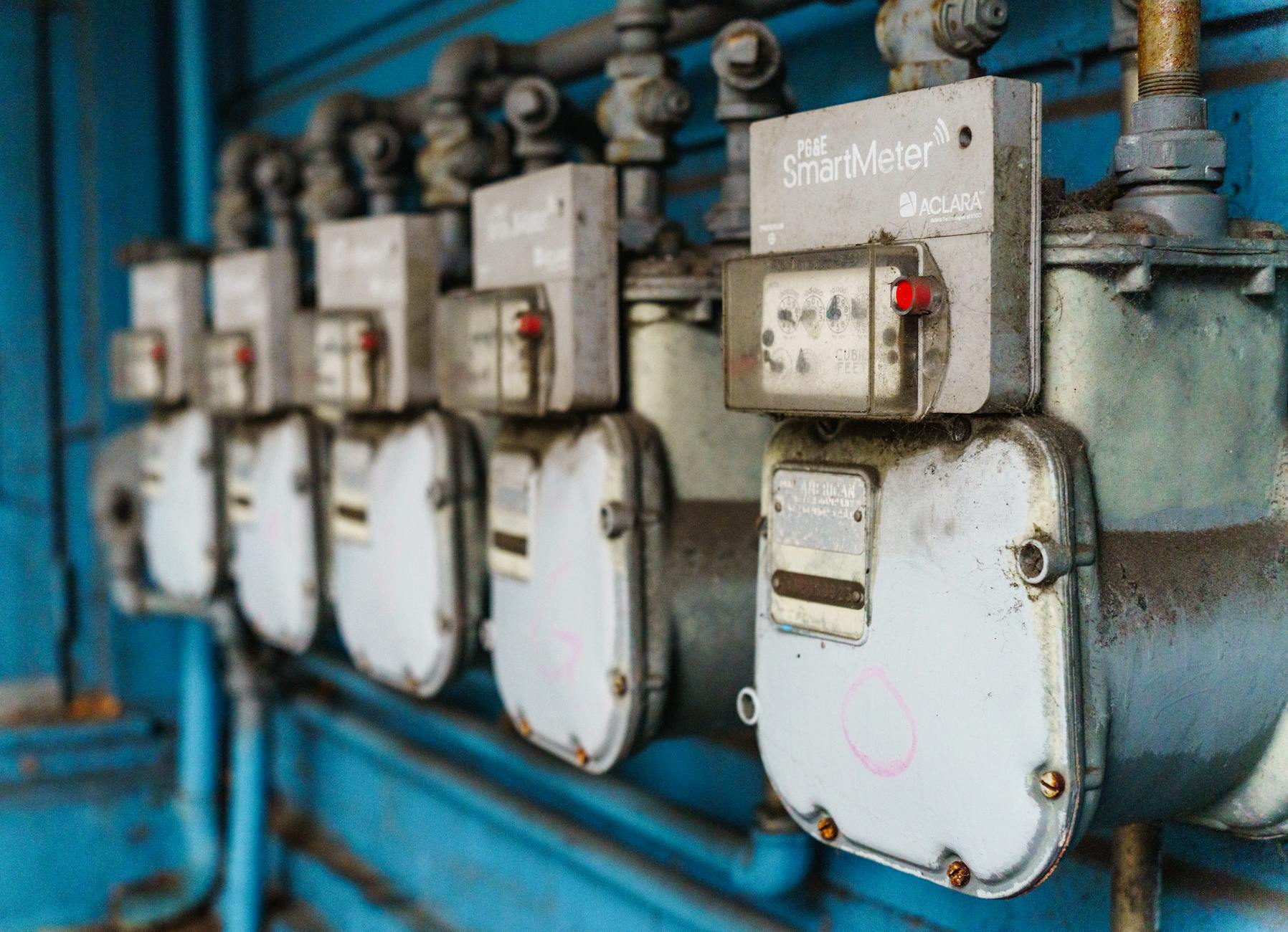
For the first time in over four decades, Alabama utility regulators are holding public hearings to potentially reduce the guaranteed profits of Spire Alabama, a major natural gas provider serving millions. This rare move by the Alabama Public Service Commission (PSC) follows a push by the state’s Attorney General to lower the allowed earnings of Spire, a company that delivers natural gas to homes and businesses across Alabama and neighboring states. The outcome, expected in September, could significantly impact customer bills and signal a broader shift in how states oversee essential utility services. This debate comes at a critical time when communities are increasingly seeking cleaner, more affordable energy choices, highlighting the importance of moving away from fossil fuels.
Elon Musk recently shared a compelling video showcasing the future vision for Terafab, a colossal new facility planned for Grimes County, Texas. This render highlights not only the stunning architecture but also upcoming advancements like the driverless Robovan for cargo and passengers, alongside the Tesla Semi and Cybercab. The video also features Optimus robots, central to the facility's operations. This ambitious project signals a significant leap toward highly automated, electric, and environmentally conscious industrial infrastructure, demonstrating a bold step in sustainable technology and global manufacturing.
British Columbia has declared a state of emergency as raging wildfires force over 20,000 people to evacuate their homes near Okanagan Lake. Fueled by hot, windy weather and a prolonged drought, these fast-moving blazes have already destroyed homes and threaten entire communities like Summerland and Peachland. With more than 100 wildfires burning across the province, nearly half out of control, emergency officials describe the situation as unprecedented. This dire event underscores a worrying trend of increasingly destructive wildfire seasons across Canada, serving as a stark reminder of the urgent need for action against global warming and its environmental impacts.
Elon Musk recently shared a compelling video showcasing the future vision for Terafab, a colossal new facility planned for Grimes County, Texas. This render highlights not only the stunning architecture but also upcoming advancements like the driverless Robovan for cargo and passengers, alongside the Tesla Semi and Cybercab. The video also features Optimus robots, central to the facility's operations. This ambitious project signals a significant leap toward highly automated, electric, and environmentally conscious industrial infrastructure, demonstrating a bold step in sustainable technology and global manufacturing.