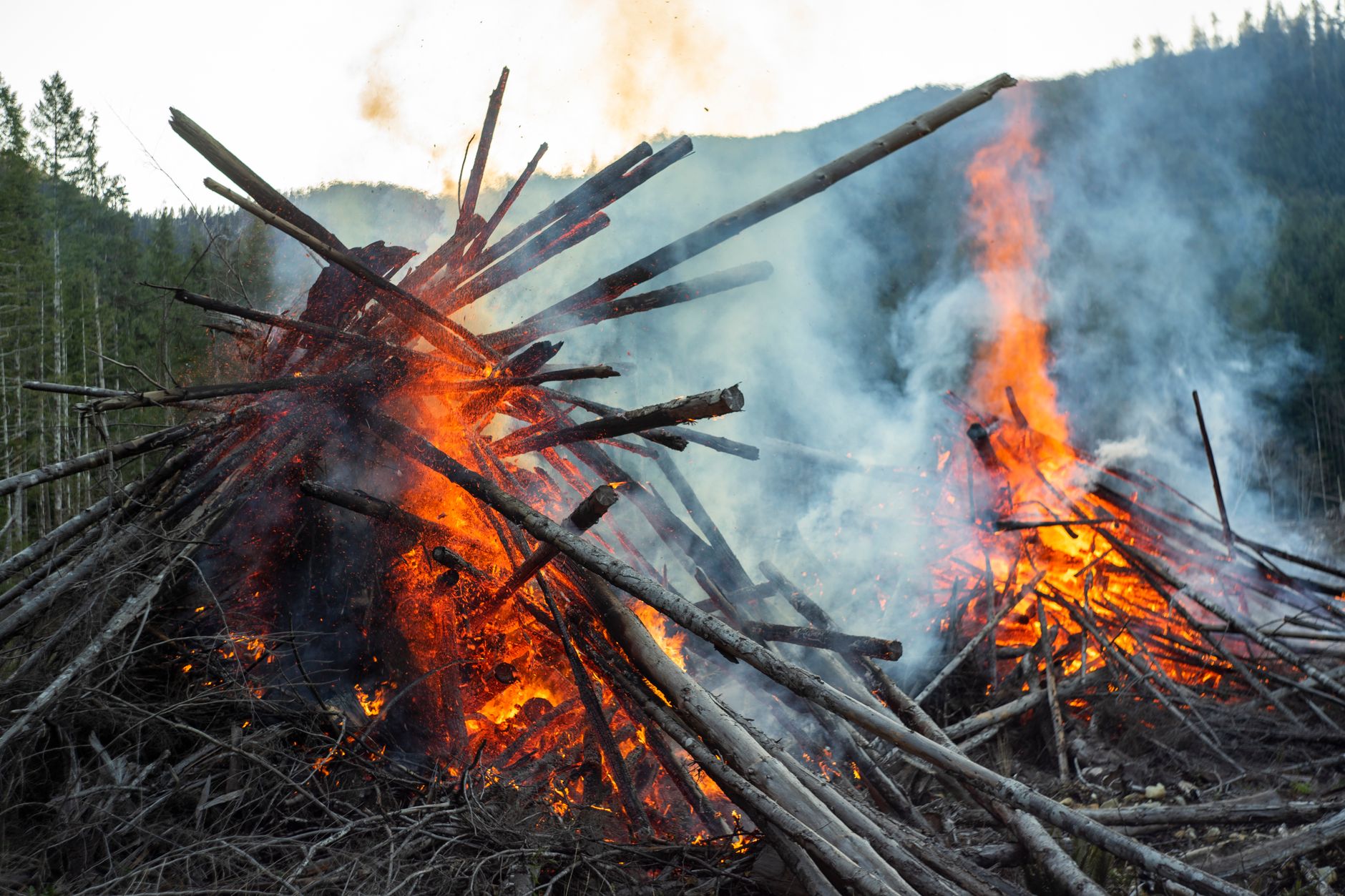
British Columbia has declared a state of emergency as raging wildfires force over 20,000 people to evacuate their homes near Okanagan Lake. Fueled by hot, windy weather and a prolonged drought, these fast-moving blazes have already destroyed homes and threaten entire communities like Summerland and Peachland. With more than 100 wildfires burning across the province, nearly half out of control, emergency officials describe the situation as unprecedented. This dire event underscores a worrying trend of increasingly destructive wildfire seasons across Canada, serving as a stark reminder of the urgent need for action against global warming and its environmental impacts.
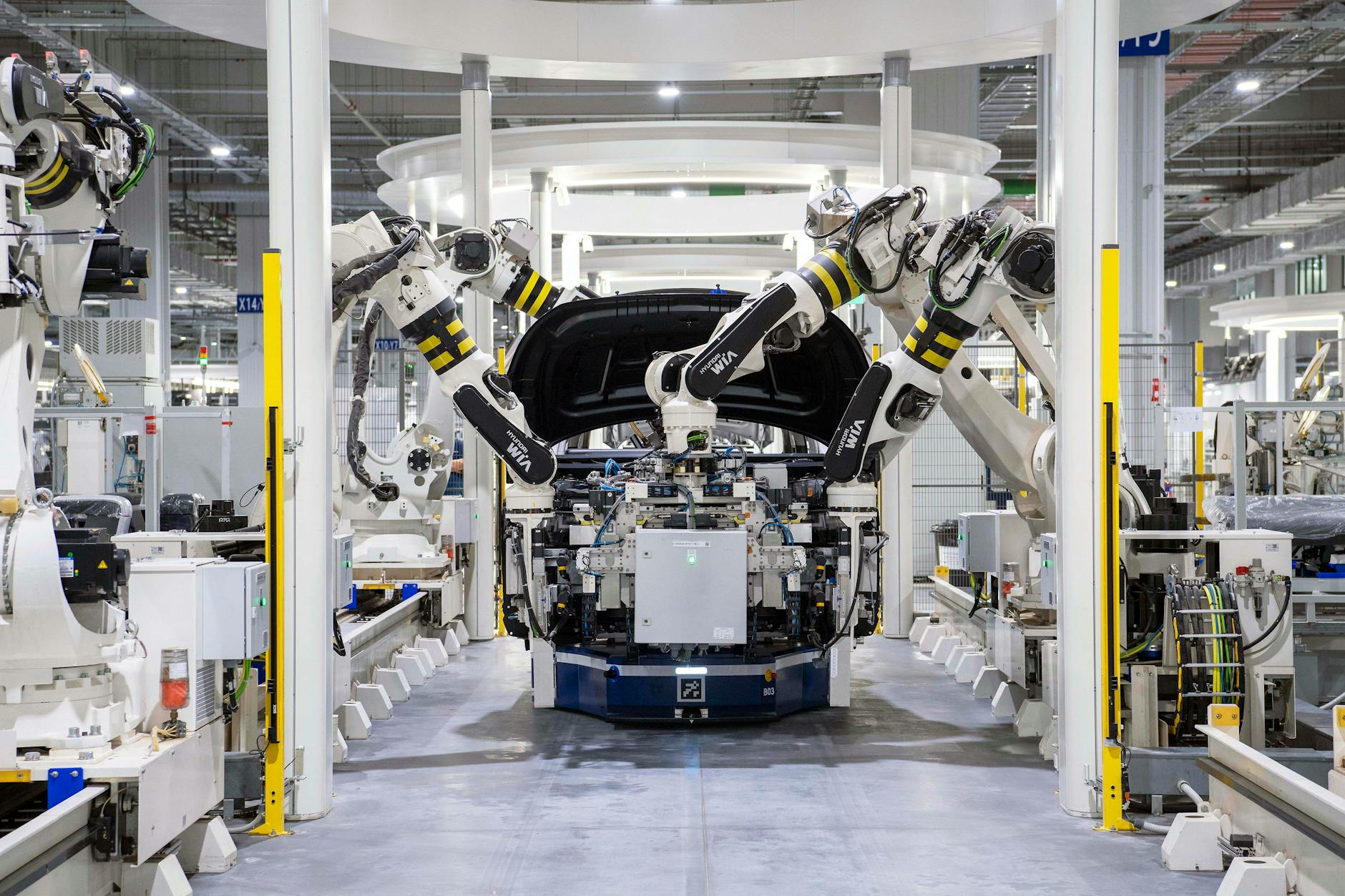
Elon Musk recently shared a compelling video showcasing the future vision for Terafab, a colossal new facility planned for Grimes County, Texas. This render highlights not only the stunning architecture but also upcoming advancements like the driverless Robovan for cargo and passengers, alongside the Tesla Semi and Cybercab. The video also features Optimus robots, central to the facility's operations. This ambitious project signals a significant leap toward highly automated, electric, and environmentally conscious industrial infrastructure, demonstrating a bold step in sustainable technology and global manufacturing.
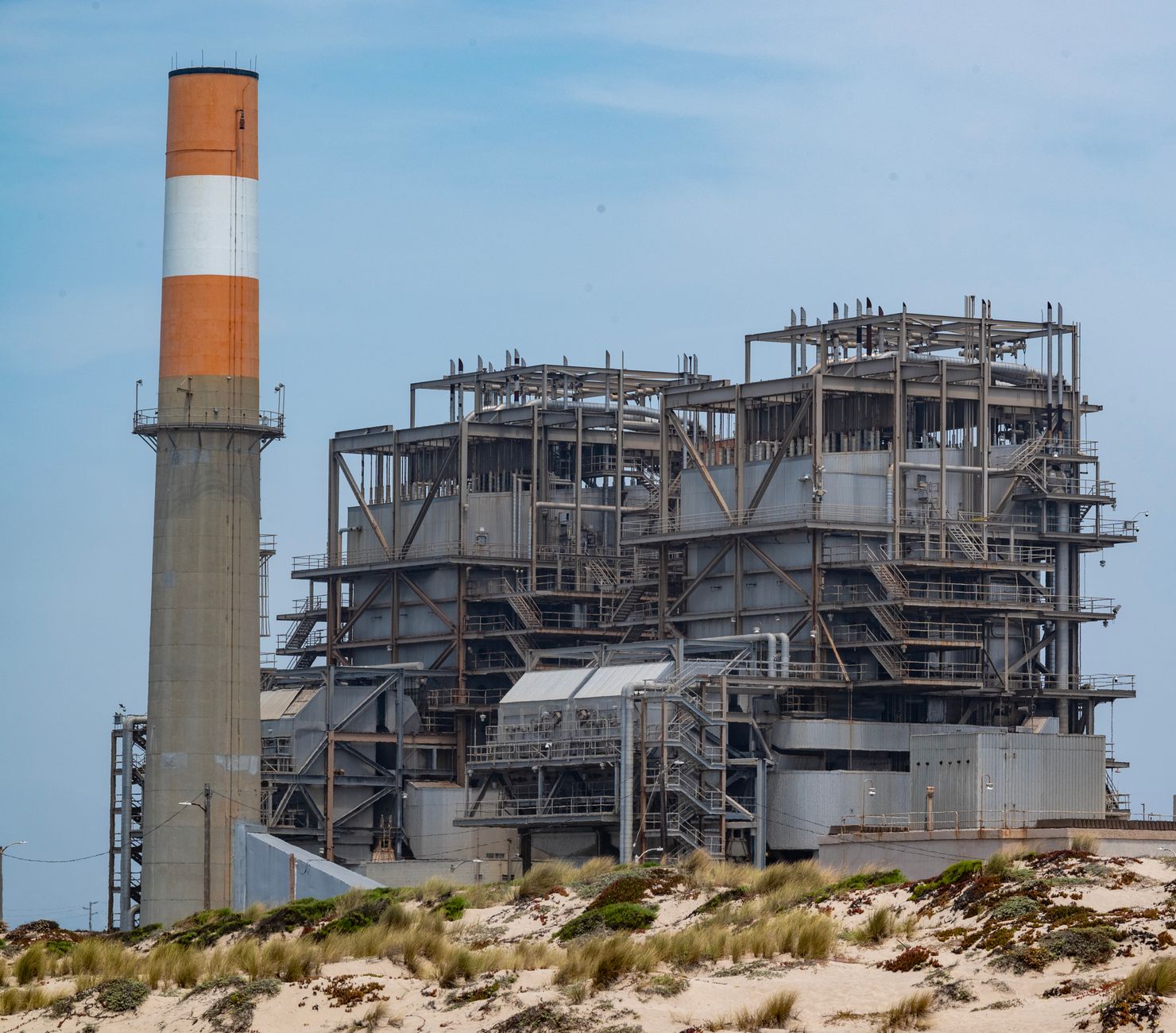
A surprising shift is underway in the PJM Interconnection grid, which powers a large part of the eastern U.S. Natural gas projects now lead new energy proposals in the first round of their reformed interconnection process, making up nearly half of the massive capacity queue. This surge, largely driven by the booming demand from data centers, stands in stark contrast to just a few years ago when clean energy like solar and wind dominated. The situation raises concerns about our progress toward cleaner power and the urgent need for sustainable solutions to combat global warming. Our energy future hangs in the balance as the grid faces increasing pressure.
Elon Musk recently shared a compelling video showcasing the future vision for Terafab, a colossal new facility planned for Grimes County, Texas. This render highlights not only the stunning architecture but also upcoming advancements like the driverless Robovan for cargo and passengers, alongside the Tesla Semi and Cybercab. The video also features Optimus robots, central to the facility's operations. This ambitious project signals a significant leap toward highly automated, electric, and environmentally conscious industrial infrastructure, demonstrating a bold step in sustainable technology and global manufacturing.
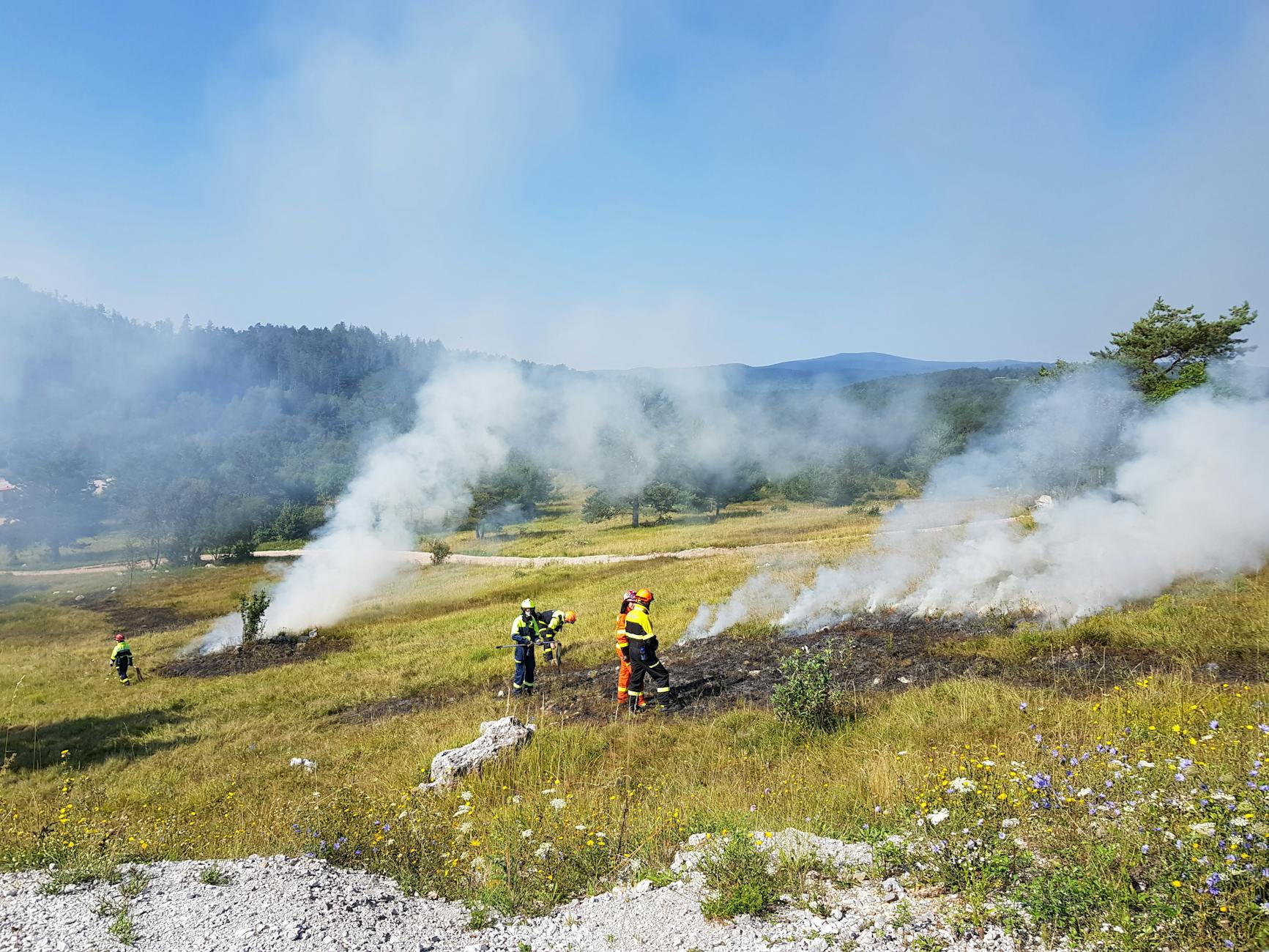
Around the world, from France and Spain to the Pacific Northwest, massive wildfires are testing the limits of international cooperation. While countries have historically shared firefighting resources during severe seasons, climate change is making these fires so widespread and intense that governments are struggling to assist each other. This escalating crisis highlights a critical gap: our firefighting capabilities haven't kept pace with a warming planet, threatening communities and vital ecosystems globally.
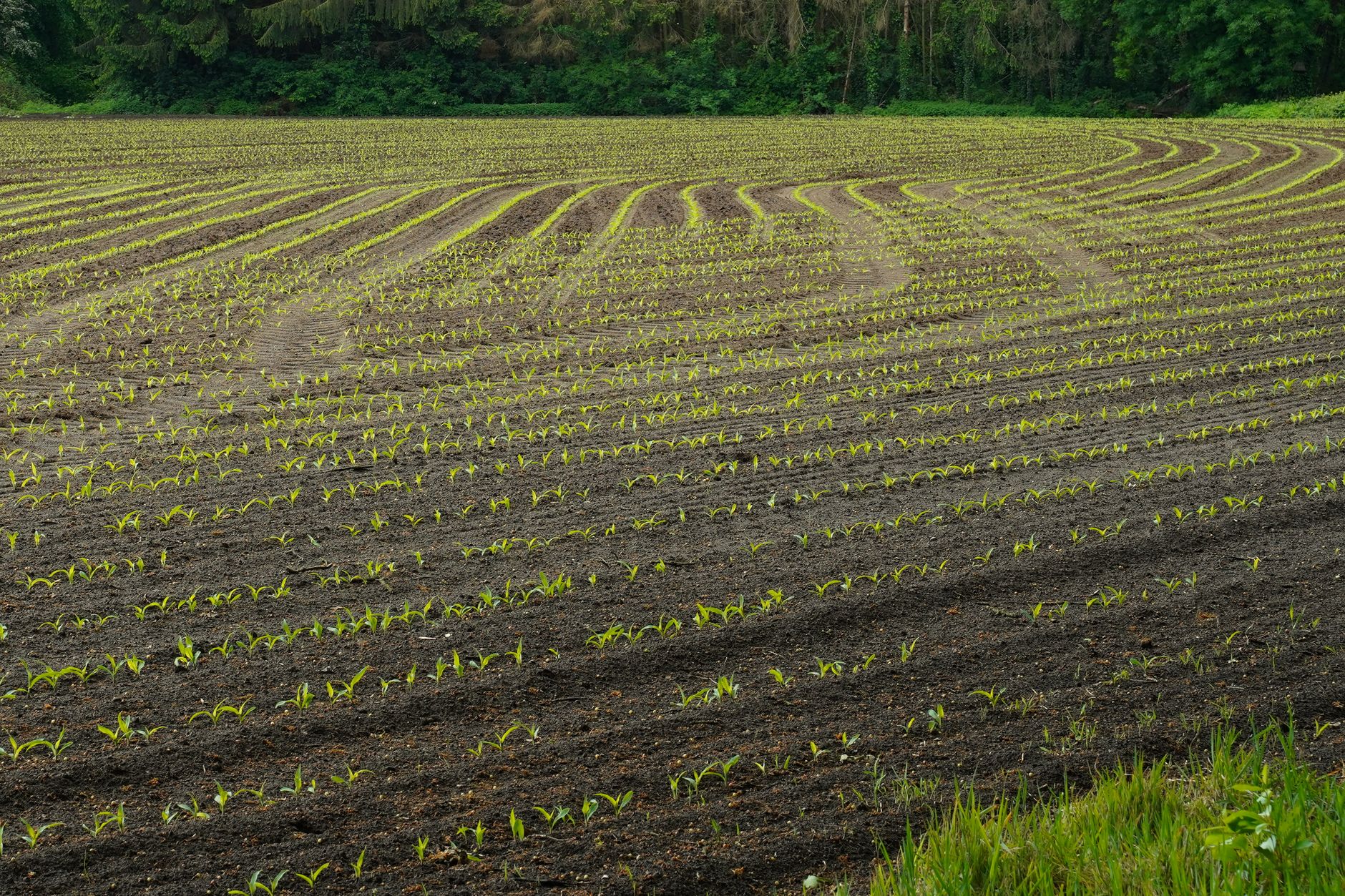
In Puerto Rico, an ancient Caribbean corn variety is being brought back from the past. This significant effort, led by local researchers, aims to preserve a crucial part of the region's culinary history and strengthen food security. With climate change bringing severe challenges like prolonged droughts and water scarcity, this ancestral corn offers a resilient solution. Reconnecting with these deeply rooted agricultural practices is vital for adapting to a changing world and ensuring a sustainable food future for the Caribbean.
Europe is grappling with a severe crisis as extreme heatwaves have claimed over 25,000 lives this year, according to recent data. Germany alone saw nearly 12,000 excess deaths linked to the scorching temperatures. This escalating human cost highlights the urgent threat of climate change, which is intensifying heat events across the continent, now identified as the fastest-warming region on Earth. The situation underscores a critical need for immediate climate action and sustainable solutions to protect vulnerable communities.
Green Party leader Zack Polanski, joined by naturalist Chris Packham, has called for drastic action following recent devastating wildfires across the UK. Polanski urged Prime Minister Andy Burnham to block new North Sea oil and gas drilling and demanded that fossil fuel producers fund emergency firefighting efforts. Warning of the "biggest threat to this country since the Second World War," he stressed the urgent need for a robust wildfire prevention strategy and better-resourced fire services. These proposals aim to tackle the immediate crisis while addressing the long-term climate challenges fueling such environmental disasters.
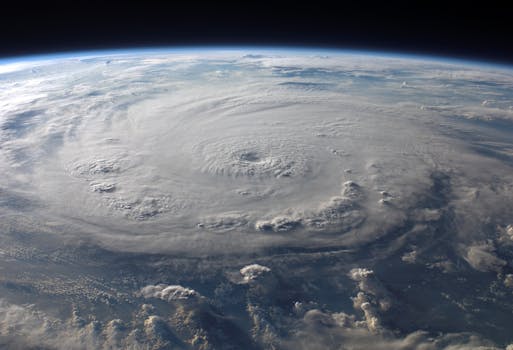
In 2017, Hurricane Harvey delivered a devastating blow to Texas, causing unprecedented flooding. This disaster was a prime example of "compound flooding," where heavy rainfall combines with storm surge, trapping water inland. Scientists warn that such events are set to become far more frequent and severe along U.S. coastlines. Driven by a warming planet, this escalating threat of combined floods, stronger storms, and rising sea levels poses a dire future for coastal communities, risking their very livability within this century.
Summer in San Antonio, Texas, is becoming dangerously hot, with 2023 seeing 75 days over 100 degrees. This extreme heat strains residents' wallets with high AC costs and poses serious health risks, especially in underserved areas with less natural shade. In response, the city has launched its 'Cool Neighborhoods' program. This vital initiative aims to lower temperatures and protect vulnerable communities by implementing innovative, sustainable solutions to combat the growing impacts of climate change.
The Trump administration is attempting an unprecedented move to strip California of its long-held powers to protect its vast coastline. Citing "environmental extremism," federal officials are challenging the state's authority under the Coastal Zone Management Act, a vital law established five decades ago. This action could open California's iconic shores to expanded offshore oil drilling, floating nuclear reactors, and more rocket launches, raising urgent concerns about environmental degradation and setting a dangerous precedent for other coastal states.
Beloved bald eagle Jackie, famous for her Big Bear Lake nest livestream, is facing a severe health setback. After her rescue last month, her condition has declined, with her anemia worsening significantly. She remains in intensive care at the Ojai Raptor Center, receiving vital support. This news has left thousands of her devoted fans deeply concerned, highlighting the strong connection people feel to wildlife and the fragile state of even our most iconic birds.