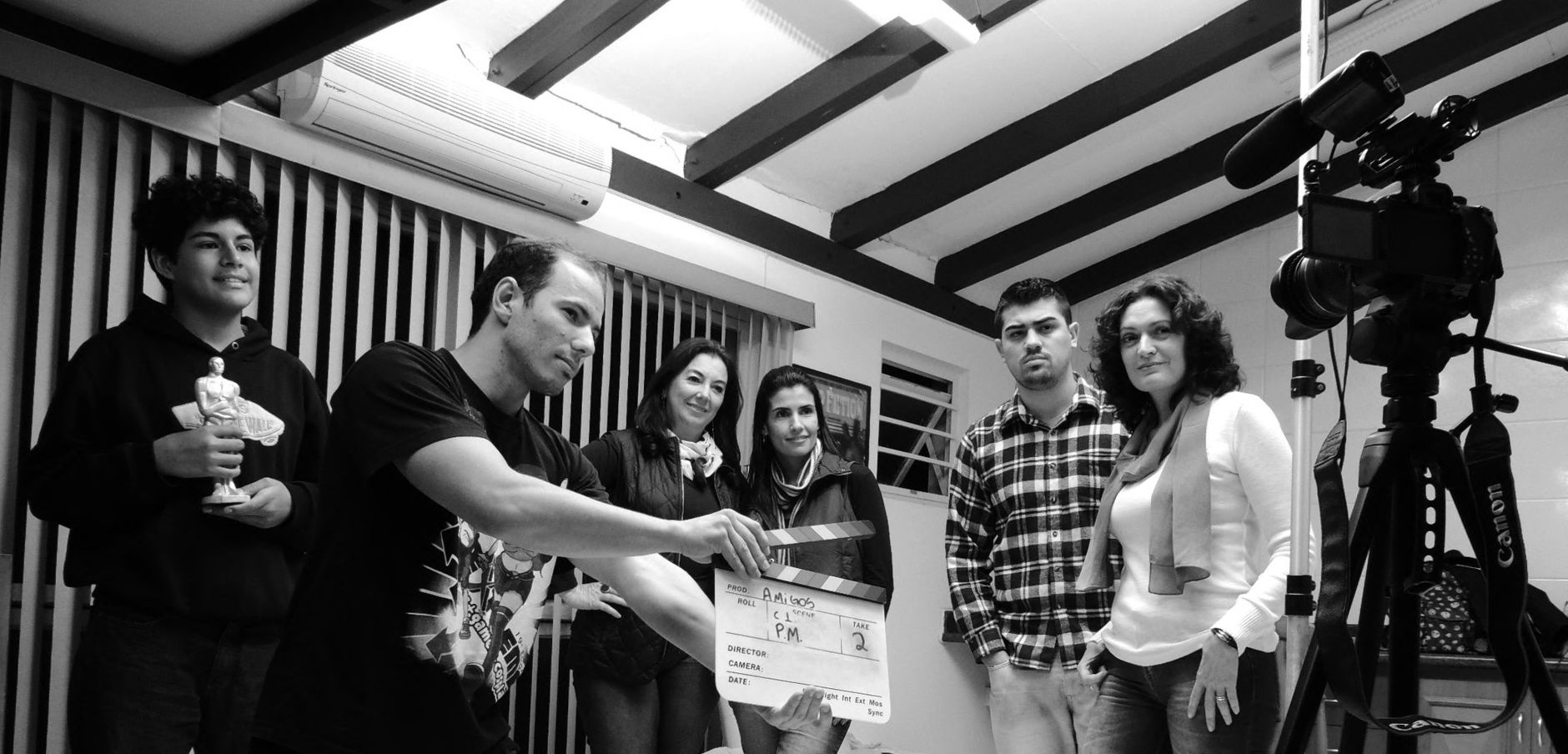
The acclaimed folk musical "Hadestown," based on ancient Greek myths, is now a major film. This cinematic version reunites the original Tony-winning Broadway cast, bringing the beloved story to a wider audience. Set in a 1930s American Deep South backdrop, the musical explores universal themes of love, sacrifice, and societal division. Its timeless narrative, featuring Orpheus, Eurydice, Hades, and Persephone, resonates powerfully with today's world, offering both tragedy and enduring hope.
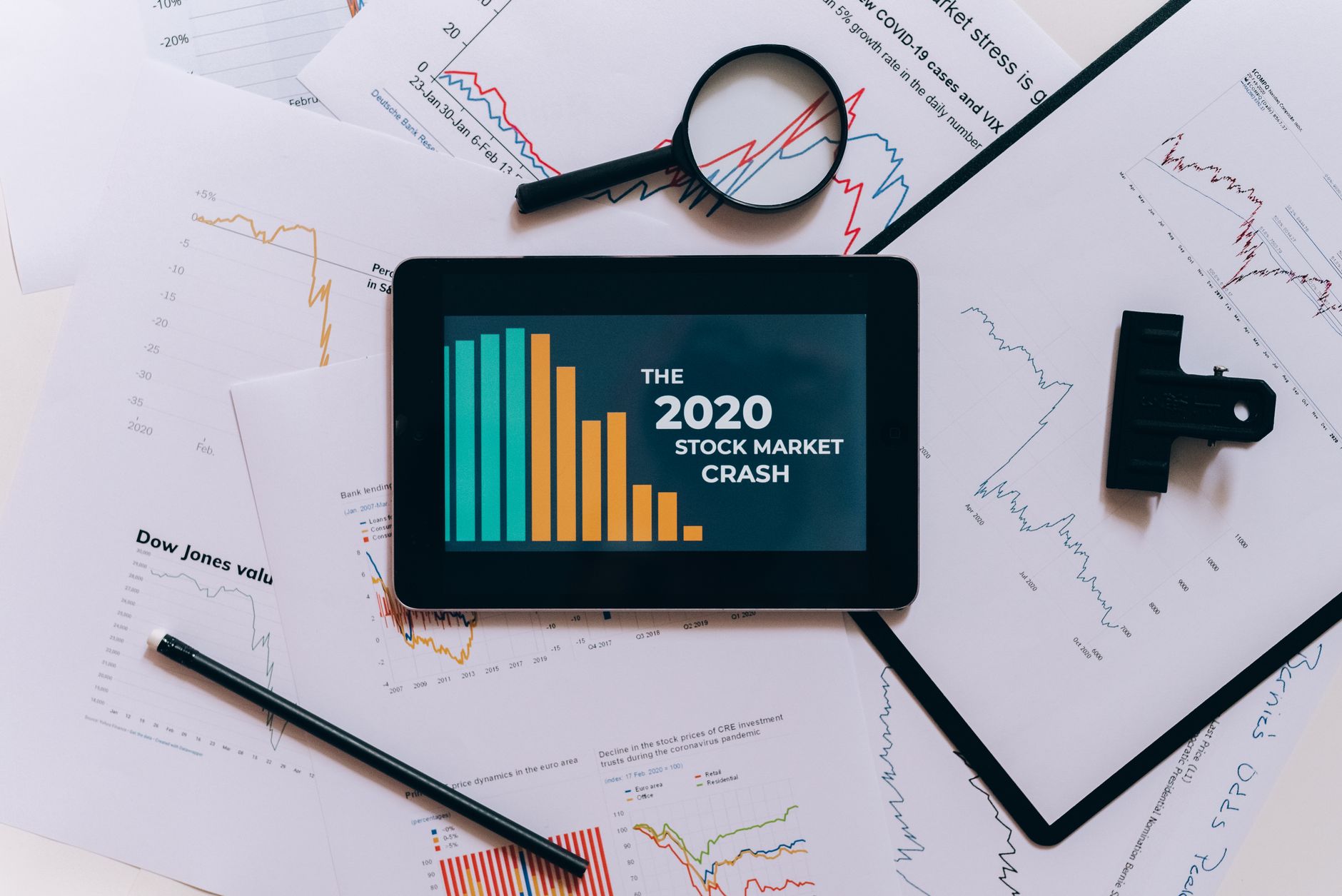
Tesla’s stock saw one of its sharpest declines recently, plummeting almost 15% and wiping out over $140 billion in market value. This significant drop followed the company's Q2 2026 earnings report, which presented a mixed picture: record revenue and vehicle deliveries, yet unexpectedly low profits. While Tesla continues to drive forward with electrification and energy solutions, investors reacted to increased spending on ambitious future projects and lingering questions about their timelines. This highlights the delicate balance between pushing innovative clean technologies and short-term financial performance.
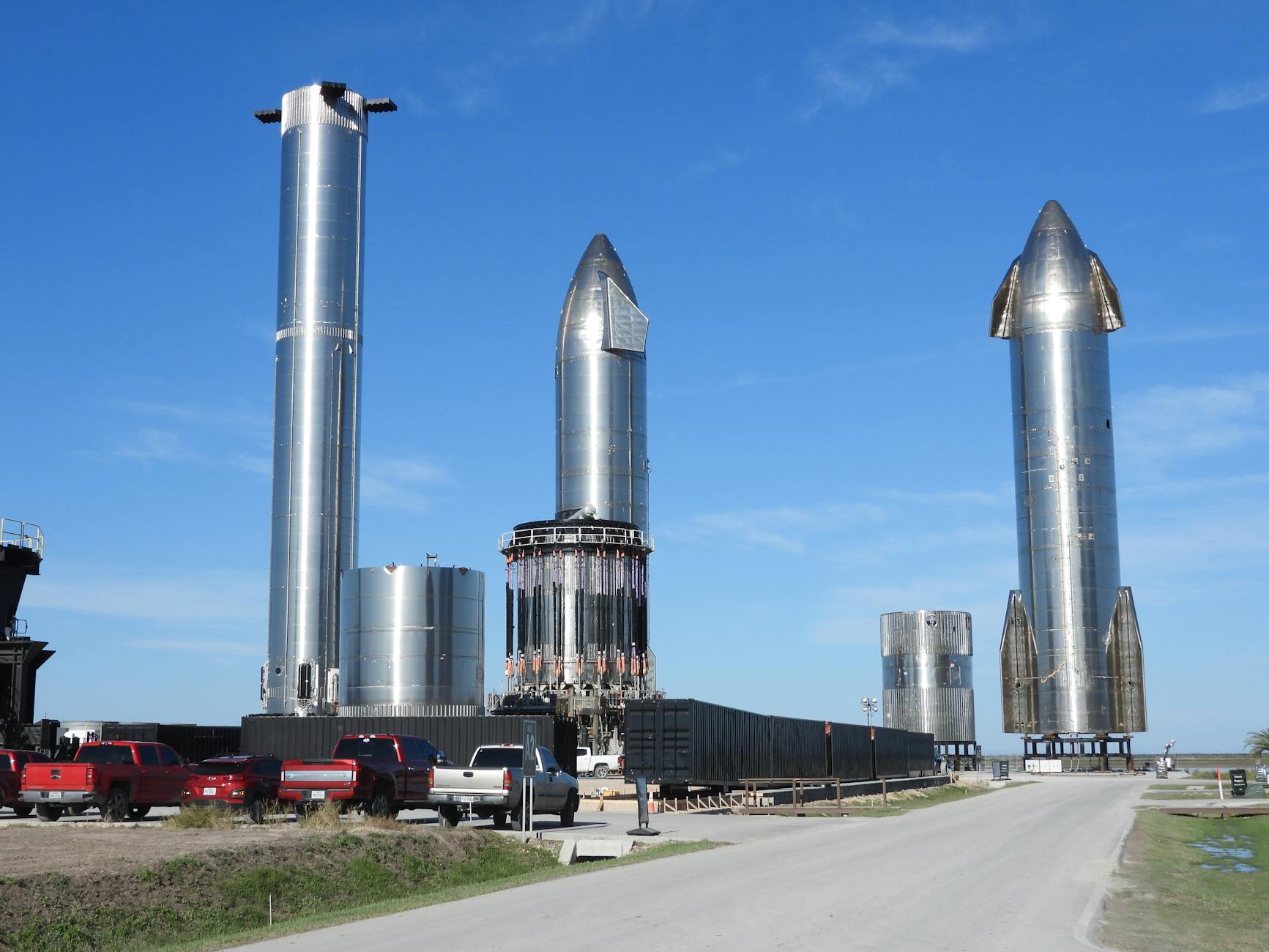
SpaceX has once again delayed its Starship Flight 13 launch, pushing it to Friday, July 24, due to weather conditions from Tropical Storm Bertha. The delay is crucial because the mission requires clear ground imagery to monitor Starship’s heat shield during its ascent through the atmosphere. This marks the second delay for Flight 13; an earlier attempt on July 16 was aborted due to engine ignition issues. The flight is significant, carrying 20 production Starlink V3 satellites and aiming to gather vital data on the heat shield, which is essential for future orbital flights.
The pioneering Shambala music festival, known for eliminating single-use plastics and meat, is taking its environmental commitment to the next level. Organizers are challenging traditional business models to prove that live events can actively fund environmental repair, not just reduce harm. This groundbreaking approach aims to redirect festival profits from conventional brands towards projects that restore our planet, making every purchase a step towards a healthier future. It highlights an urgent need for businesses to move beyond mere sustainability towards regenerative practices that actively heal nature.
The voluntary carbon market is navigating a complex landscape. While buyers are increasingly investing in higher-quality carbon credits, new research from MIT raises critical questions about how these crucial tools for environmental action are truly valued. Despite fewer credits being traded overall, the market value is rising, indicating a growing focus on integrity. However, an MIT study reveals that who buys the credits might influence prices more than their actual climate impact, underscoring the urgent need for greater transparency to ensure these investments genuinely benefit our planet.
France recently declined to approve Tesla's Full Self-Driving (FSD) Supervised system, sparking a strong reaction from Elon Musk. French Transport Minister Phillippe Tabarot cited safety concerns, despite acknowledging technological progress. Musk, however, argues that delaying this advanced system comes at a human cost, pointing to data suggesting FSD vehicles are significantly safer than average. This disagreement highlights a critical debate over how quickly advanced safety technologies should be adopted on European roads.
France recently declined to approve Tesla's Full Self-Driving (FSD) Supervised system, sparking a strong reaction from Elon Musk. French Transport Minister Phillippe Tabarot cited safety concerns, despite acknowledging technological progress. Musk, however, argues that delaying this advanced system comes at a human cost, pointing to data suggesting FSD vehicles are significantly safer than average. This disagreement highlights a critical debate over how quickly advanced safety technologies should be adopted on European roads.
Tesla is set to release its second-quarter 2026 earnings, with financial analysts predicting an Earnings Per Share of $0.53 and revenues around $26.4 billion. Beyond the numbers, investors are keenly awaiting updates on the company's ambitious projects that promise to reshape sustainable transportation and advanced robotics. Key discussions are expected to revolve around the rollout of robotaxis, the production timeline for Cybercabs, and the progress of its humanoid robot, Optimus. These initiatives are crucial for Tesla's future and underscore the accelerating shift towards an electrified and automated world, vital for addressing global climate challenges.
Many have noticed Tesla's Robotaxi fleet isn't expanding as quickly as expected, but CEO Elon Musk has clarified the strategy. During a recent earnings call, Musk emphasized the company's paramount commitment to safety, aiming to prevent any harm to people or even pets. He noted that while conventional car accidents often go unnoticed, a single incident involving a Robotaxi would draw global scrutiny and regulatory backlash. This cautious approach, supported by an impressive safety record of 380,000 unsupervised miles without incident, also allows Tesla to prove its software works broadly across many cities, not just one. Despite calls for faster growth, Tesla prioritizes methodical expansion to ensure trust and reliability for this significant leap in sustainable transportation.
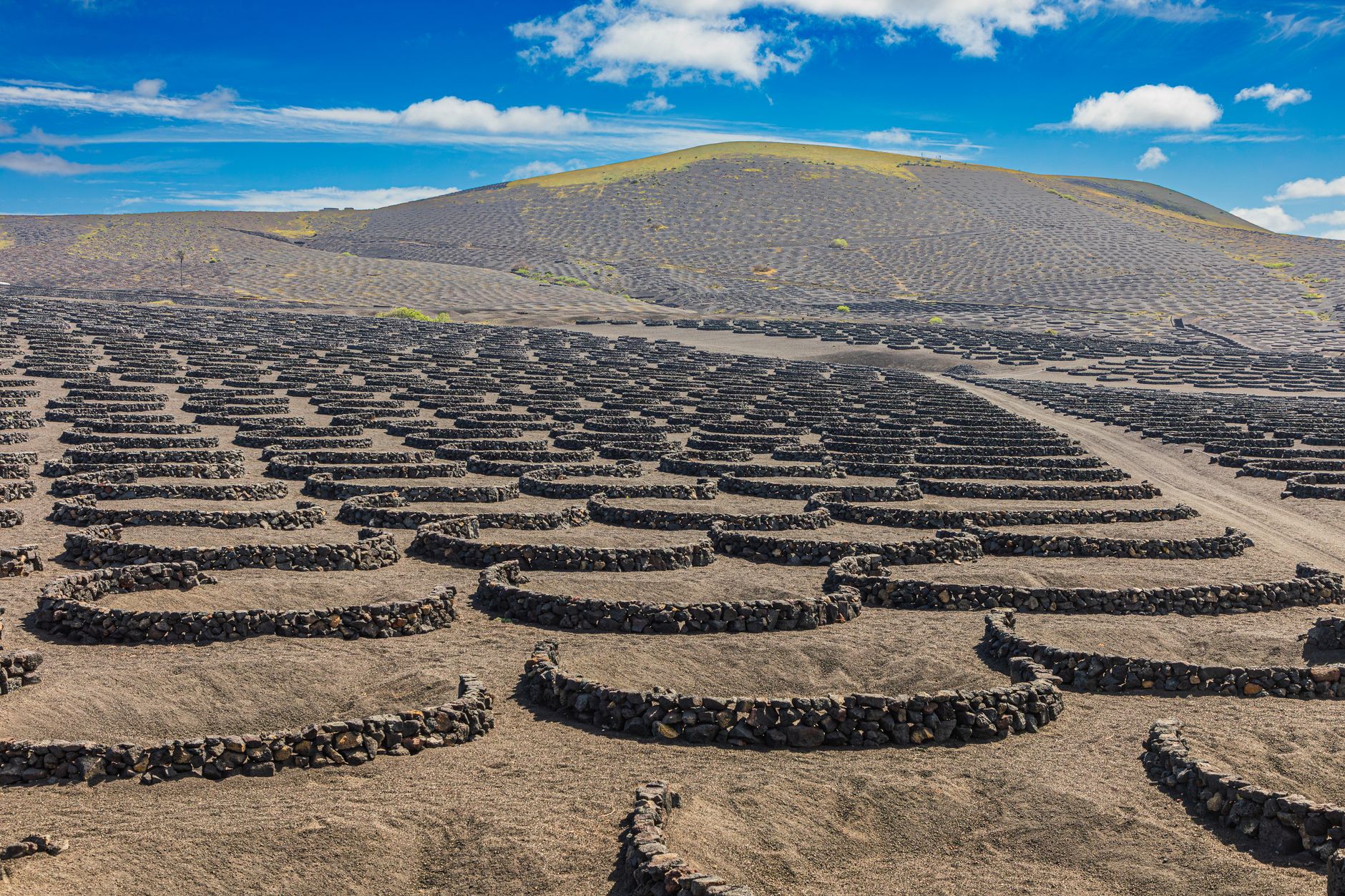
In 2017, winemaker Steve McIntyre witnessed his vineyard hit an unimaginable 116 degrees, a stark reminder of climate change's grip on California's vital wine industry. New research from Tohoku University confirms this threat, predicting a dramatic shift in prime grape-growing regions, potentially moving away from iconic areas like Napa and Sonoma. This isn't just about wine; it’s a clear signal of the urgent need for environmental action as extreme weather reshapes our landscapes. However, growers are already implementing innovative sustainable solutions to adapt to these challenging new realities.
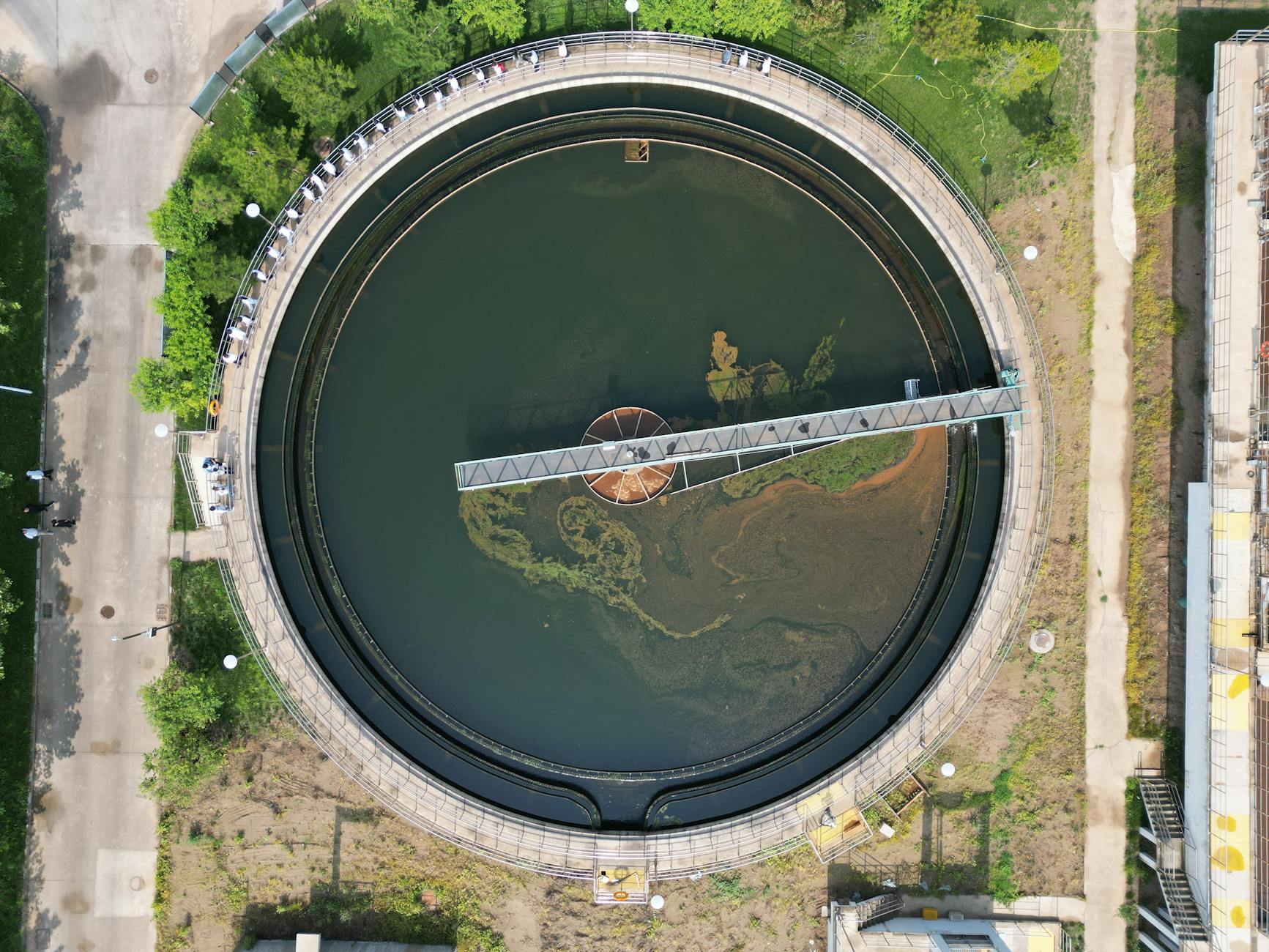
Wastewater treatment plants play a crucial role in protecting our environment by cleaning sewage before it reaches our lakes, rivers, and oceans. However, this vital process can unintentionally release nitrous oxide, a potent greenhouse gas that warms the planet and harms the ozone layer. This hidden pollution arises during the necessary removal of nitrogen from wastewater, which otherwise causes harmful algae growth. The good news is that innovative solutions are emerging, offering simple yet powerful ways to significantly reduce these harmful emissions. Tackling these overlooked sources of pollution is key to addressing the urgency of climate change.
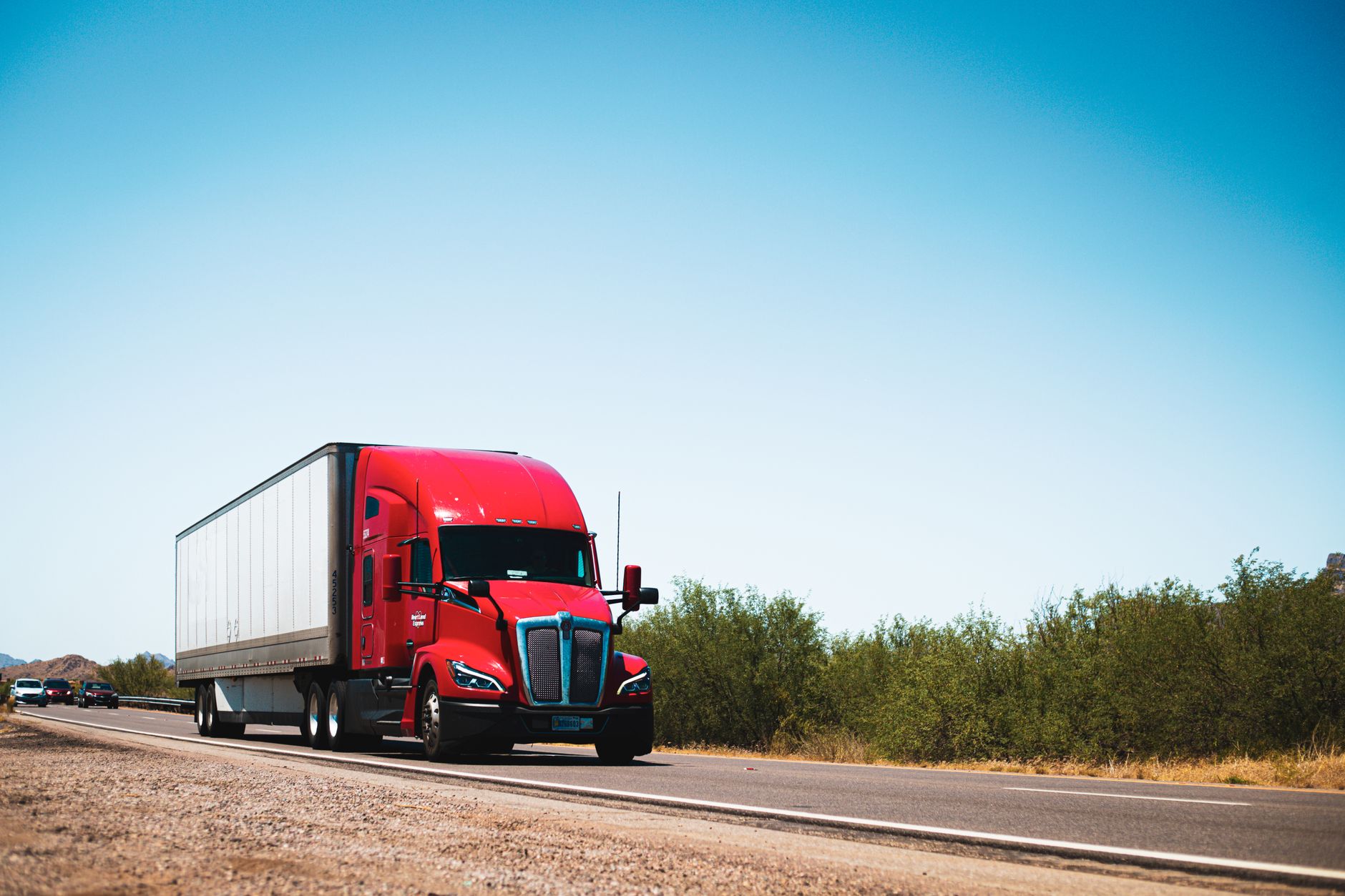
Elon Musk has provided a concrete timeline for when Tesla expects its Semi trucks to achieve autonomous driving capabilities, targeting late this year or early 2027. While Tesla's self-driving team has prioritized high-volume passenger vehicles, the shift towards autonomous electric trucks is crucial. This development promises to tackle a significant shortage of qualified truck drivers, enhance road safety, and accelerate the transition to more sustainable logistics. Embracing electrification in freight transport marks a vital step toward reducing global carbon emissions and building a cleaner future.