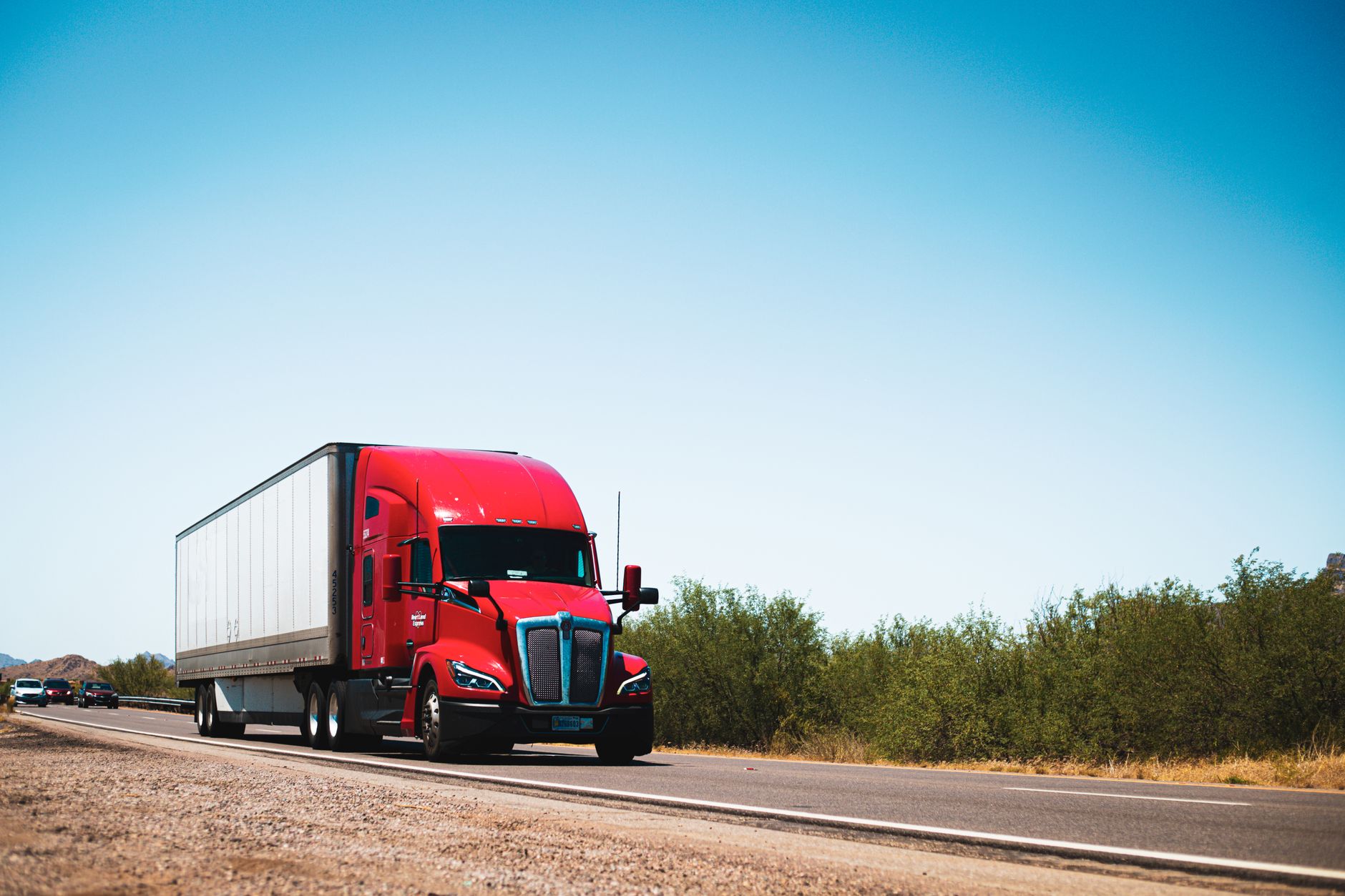
Elon Musk has provided a concrete timeline for when Tesla expects its Semi trucks to achieve autonomous driving capabilities, targeting late this year or early 2027. While Tesla's self-driving team has prioritized high-volume passenger vehicles, the shift towards autonomous electric trucks is crucial. This development promises to tackle a significant shortage of qualified truck drivers, enhance road safety, and accelerate the transition to more sustainable logistics. Embracing electrification in freight transport marks a vital step toward reducing global carbon emissions and building a cleaner future.
Valley Fever, a serious fungal infection, is spreading across the western U.S. as dry conditions, intensified by climate change, create ideal environments for its fungus. Researchers are now hopeful about Olorofim, a new drug showing promise, especially for the most advanced and dangerous forms of the illness. Unlike existing treatments that only suppress the fungus, Olorofim works by actively killing it, offering a potential game-changer. This development comes as cases have dramatically surged in California over the past two decades, underscoring the urgent need for more effective solutions to this climate-sensitive health challenge.
Celebrity bald eagle Jackie, beloved by thousands via a nest livestream, remains in critical condition after being rescued near Big Bear Lake. Despite a life-saving blood transfusion, veterinarians at the Ojai Raptor Center are still working to understand the mysterious cause of her severe anemia. This dedicated care highlights the profound efforts to protect and save iconic wildlife. Meanwhile, her mate Shadow is caring for their eaglets, adding another layer to this unfolding drama that captivates a global audience.
Extreme weather events, increasingly frequent due to global warming, often leave a trail of destruction, including cherished personal belongings swept away by floods and storms. Amidst the chaos, a remarkable network of lost-and-found efforts is emerging across the country. These compassionate initiatives aim to reunite survivors with their irreplaceable items, offering a glimmer of hope and comfort after devastating disasters. This highlights not only the resilience of communities but also the urgent need for action against escalating climate impacts.
North Atlantic right whales, with only about 380 remaining, face a critical threat as new U.S. protections are slated for a nearly decade-long delay. Federal lawmakers recently voted to extend a moratorium on protective rules until 2035, drawing strong opposition from environmental groups. Conservationists warn this pause could accelerate the extinction of these majestic creatures, already struggling with entanglement in fishing gear, ship strikes, and the impacts of a warming ocean. This decision highlights a tense standoff between conservation efforts and the concerns of the fishing industry.
Extreme weather events, increasingly frequent due to climate change, often leave a path of devastation, washing away homes and cherished personal belongings. Across the country, dedicated lost-and-found networks are stepping up to bridge this gap. These community-driven initiatives tirelessly work to recover items swept away by floods and storms, offering a beacon of hope to survivors. Their efforts underscore the human cost of environmental shifts and the resilience found in collective action.
France's Transport Minister, Phillippe Tabarot, has publicly rejected Tesla's Full Self-Driving (FSD) Supervised system in its current form, citing safety concerns. This decision has drawn a sharp rebuke from Elon Musk, who argues that the delay has a human cost. Minister Tabarot emphasizes that FSD is not a truly self-driving system and highlights issues like driver attention and vehicle behavior in complex urban scenarios. Musk counters with compelling data from Tesla's safety reports, which show FSD-enabled vehicles are significantly safer than average human-driven cars.
Silver, long cherished as a precious metal, has become a vital industrial component powering the global shift to clean energy and advanced digital technologies. Its demand is surging from solar panels, electric vehicles, and AI infrastructure, pushing prices near record highs of $59 per ounce. This unprecedented demand, coupled with persistent supply deficits, highlights silver’s growing strategic importance in building a sustainable, low-carbon future. The challenge now is ensuring enough silver is available to meet the accelerating pace of electrification worldwide.
Rewilding projects across Britain are demonstrating how quickly nature can rebound when given the chance. From teeming insects and rare birds at Knepp Estate to bison restoring habitats in Blean Woods, these initiatives are bringing lost wildlife back to life. These inspiring transformations not only boost biodiversity but also enhance our landscapes' resilience to a changing climate, offering hope for a greener, wilder future. They show us what's truly possible when we prioritize environmental action.
Alphabet reported a stellar second quarter in 2026, with revenue hitting $119.8 billion, largely powered by a booming demand for its AI products and Google Cloud services. This impressive financial growth, however, casts a long shadow on the company's environmental aspirations. While Google has successfully reduced emissions from its direct operations, the rapid expansion of AI infrastructure is dramatically increasing its overall carbon footprint and electricity demand. This creates a significant challenge for Google’s long-term climate targets and highlights the urgent need for sustainable technological development.
Elon Musk recently issued a stark warning to firms betting against SpaceX, stating their survival probability is 'very low.' This comes as SpaceX's stock, trading under $SPCX, has seen volatility following its historic IPO, resulting in significant gains for short sellers. However, Musk's message underscores his unwavering long-term confidence in the company's ambitious vision for a multi-trillion-dollar space economy, fueled by Starship's groundbreaking capabilities. His strong words suggest a belief that current market dips are temporary in the face of exponential technological progress.
The U.S. electric vehicle market, despite recent challenges, is showing signs of a promising turnaround. New models from automakers like Toyota and Subaru have significantly boosted sales, demonstrating a growing organic demand for cleaner transportation. This surge highlights how consumers are increasingly valuing the financial benefits and environmental advantages of electric cars, signaling a crucial shift towards a more sustainable future. This momentum is vital for reducing our reliance on fossil fuels and accelerating climate action.