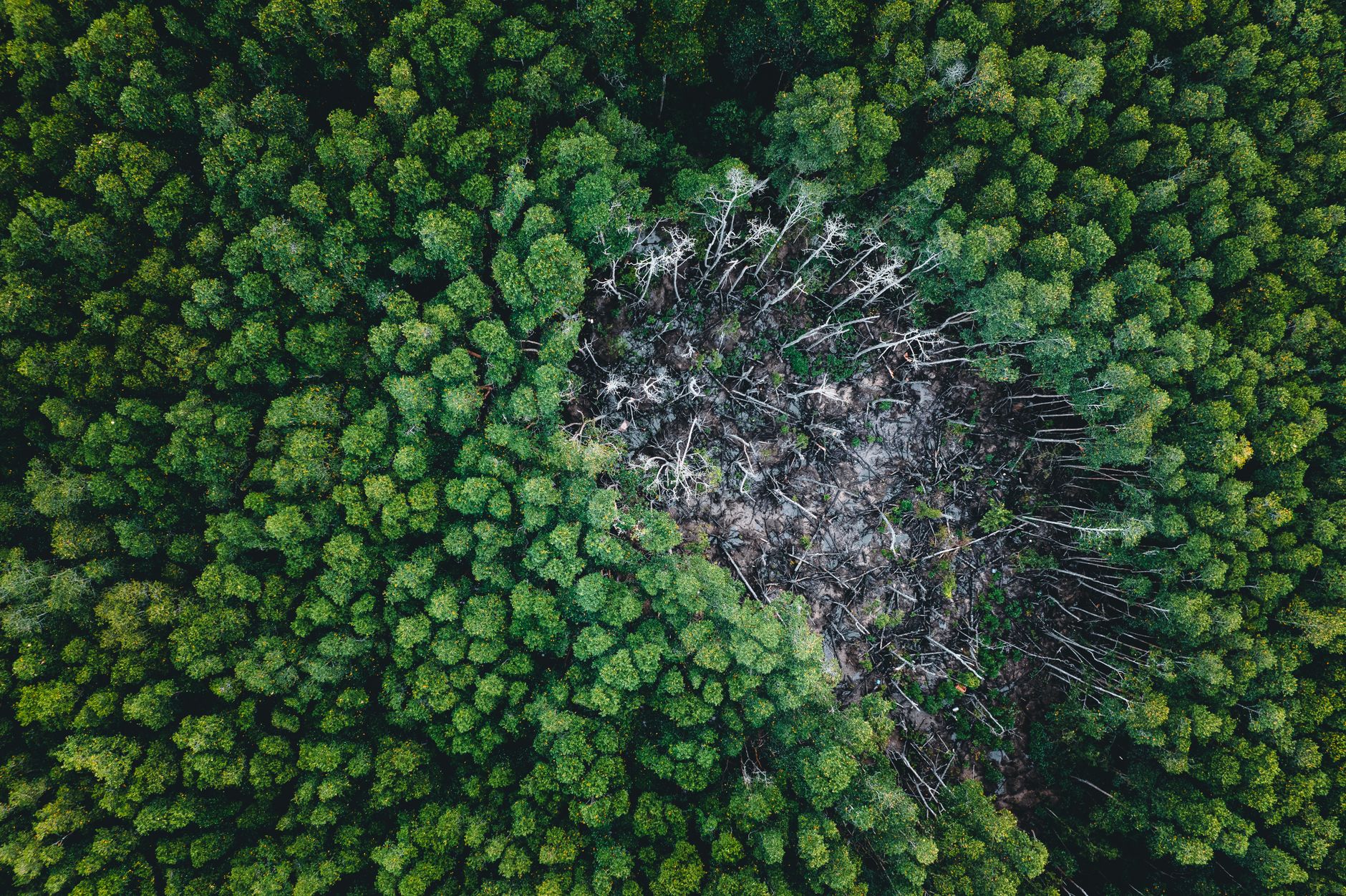
Great Nicobar, an island of ancient forests and vibrant marine life, faces an uncertain future. A massive government development project is set to transform this ecological marvel with a new port, airport, and township. This ambitious plan threatens to destroy millions of trees, dredge precious coral reefs, and shatter the traditional way of life for indigenous communities like the Shompen and Nicobarese. The unfolding situation highlights a critical conflict between rapid human development and the preservation of irreplaceable natural and cultural heritage.
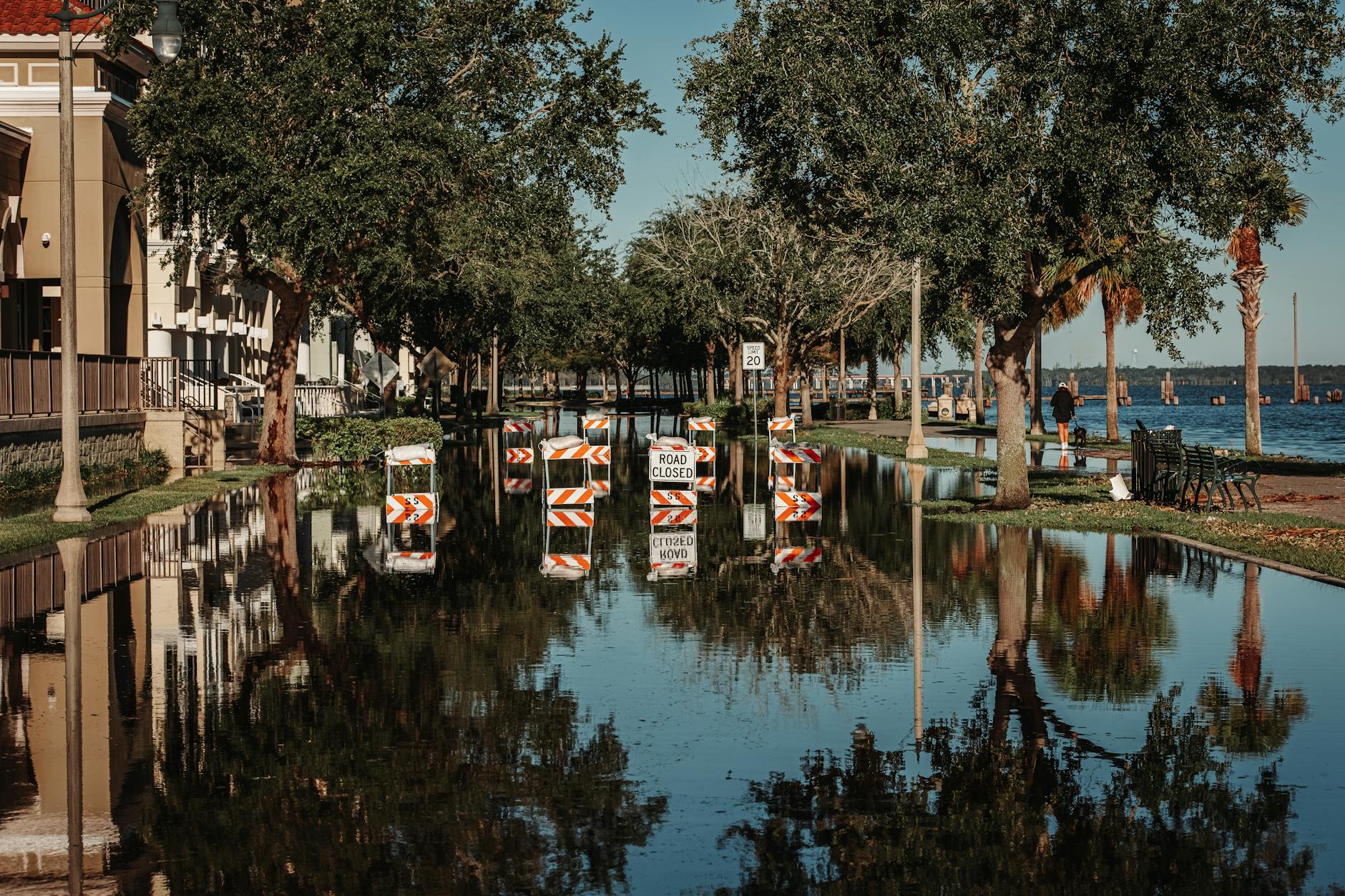
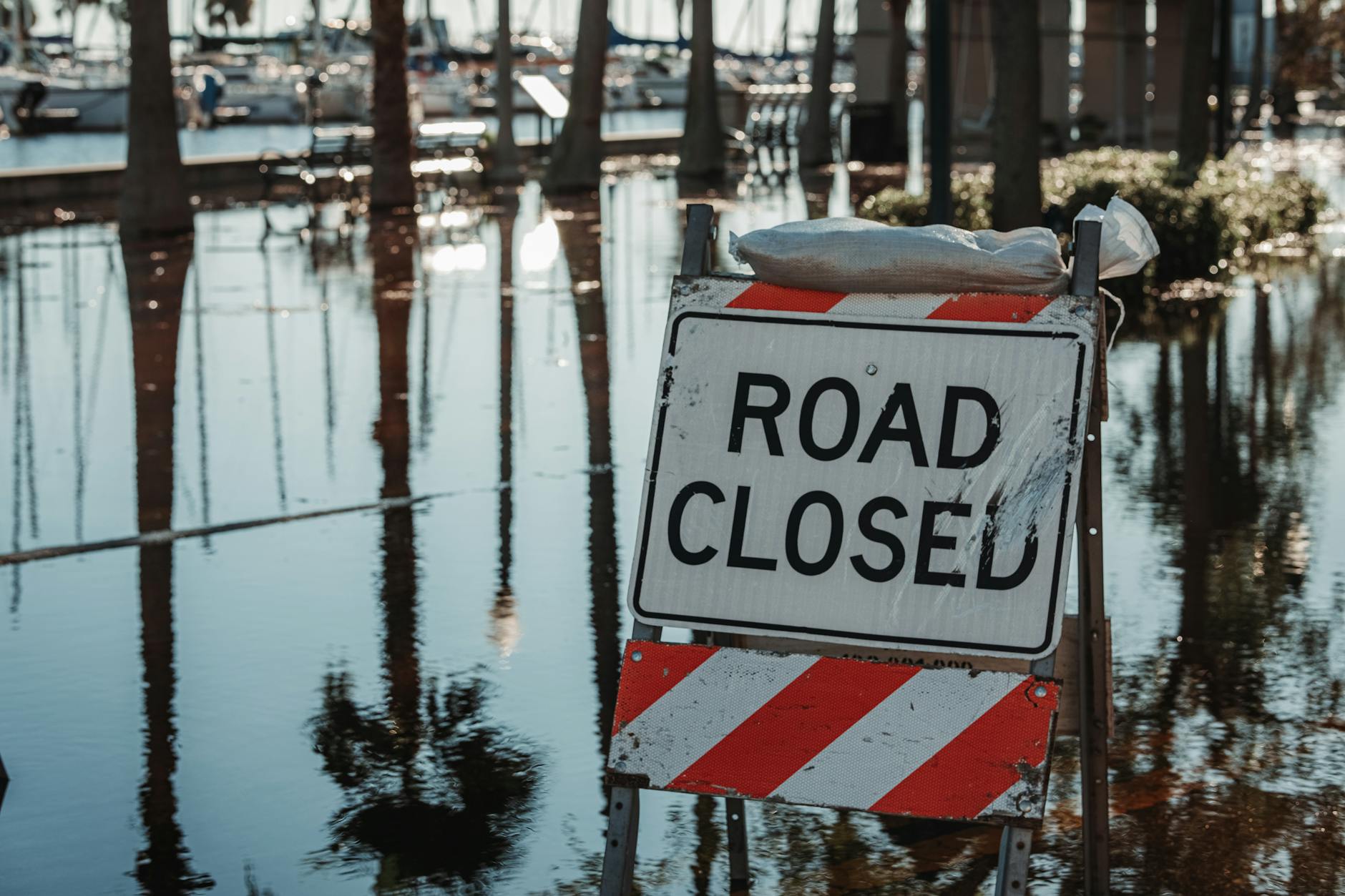
A powerful nor'easter recently unleashed significant damage across the Northeast, leaving over 130,000 homes and businesses without power and causing widespread coastal flooding. The slow-moving storm, which claimed one life in New York City, triggered memories of Superstorm Sandy, though its immediate impact was less severe. Forecasters warn that this event might be a precursor to more storms this fall, influenced by a disruptive El Niño climate pattern. Such intensifying and frequent extreme weather events underscore the urgent need for robust environmental action and sustainable solutions to protect vulnerable communities from the escalating impacts of climate change.
This summer, extreme heat returned to Europe, claiming at least 30,000 lives, acting as a silent, invisible threat. This deadly warmth disproportionately impacted the poor, the very young, the elderly, and those already suffering from health issues. While heatwaves are a growing global concern due to climate change, new insights from Bologna, Italy, highlight a critical "thermal injustice"—how different people experience radically varied temperatures within the same city. This unequal burden underscores the urgent need for equitable climate action and protective measures.
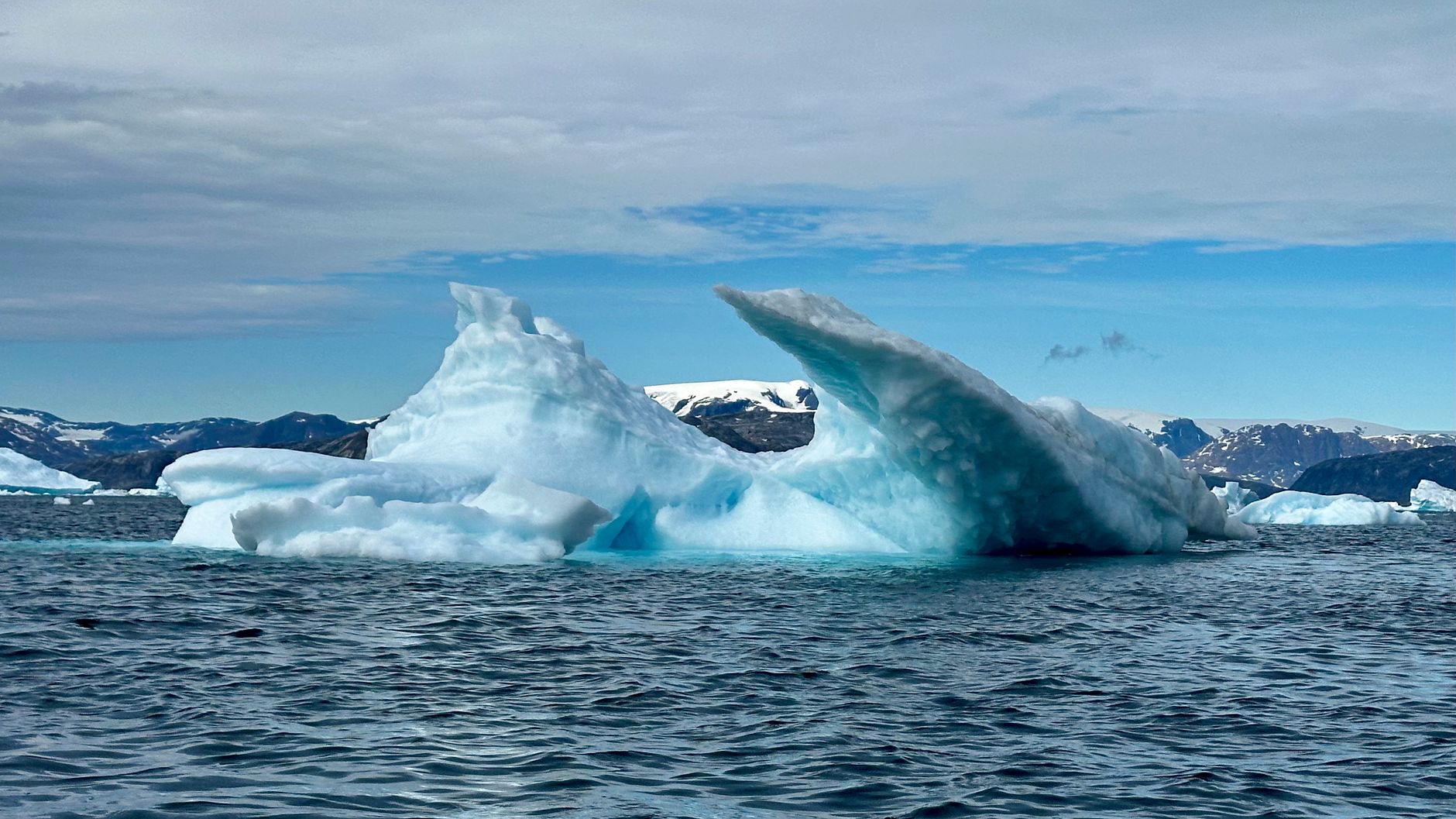
Global efforts to tackle climate change are advancing, with Brazil striving to unify international carbon markets and Verra launching a new standard for supply chain emission reductions. The OECD now offers a tool to track climate policies across 50 countries, providing crucial insights into global progress. Yet, the urgency of environmental action is underscored by a recent study revealing that Greenland and Antarctica have lost a staggering 11.3 trillion tons of ice since 1979. This melt has contributed to a 3.14 cm rise in global sea levels, highlighting the immediate need for sustainable solutions.
A recent operation in the Angeles National Forest has brought three suspected poachers to justice, highlighting the constant threat illegal hunting poses to our precious wildlife. California Department of Fish and Wildlife officers, acting on public tips, discovered a disturbing scene: two freshly killed deer, one fully skinned and both decapitated, along with loaded firearms. This brazen act not only demonstrates a blatant disregard for hunting laws but also severely undermines conservation efforts vital for maintaining healthy ecosystems. Such crimes threaten the delicate balance of nature in areas like the Angeles Forest, underscoring the urgent need for vigilance to protect our natural resources for future generations.
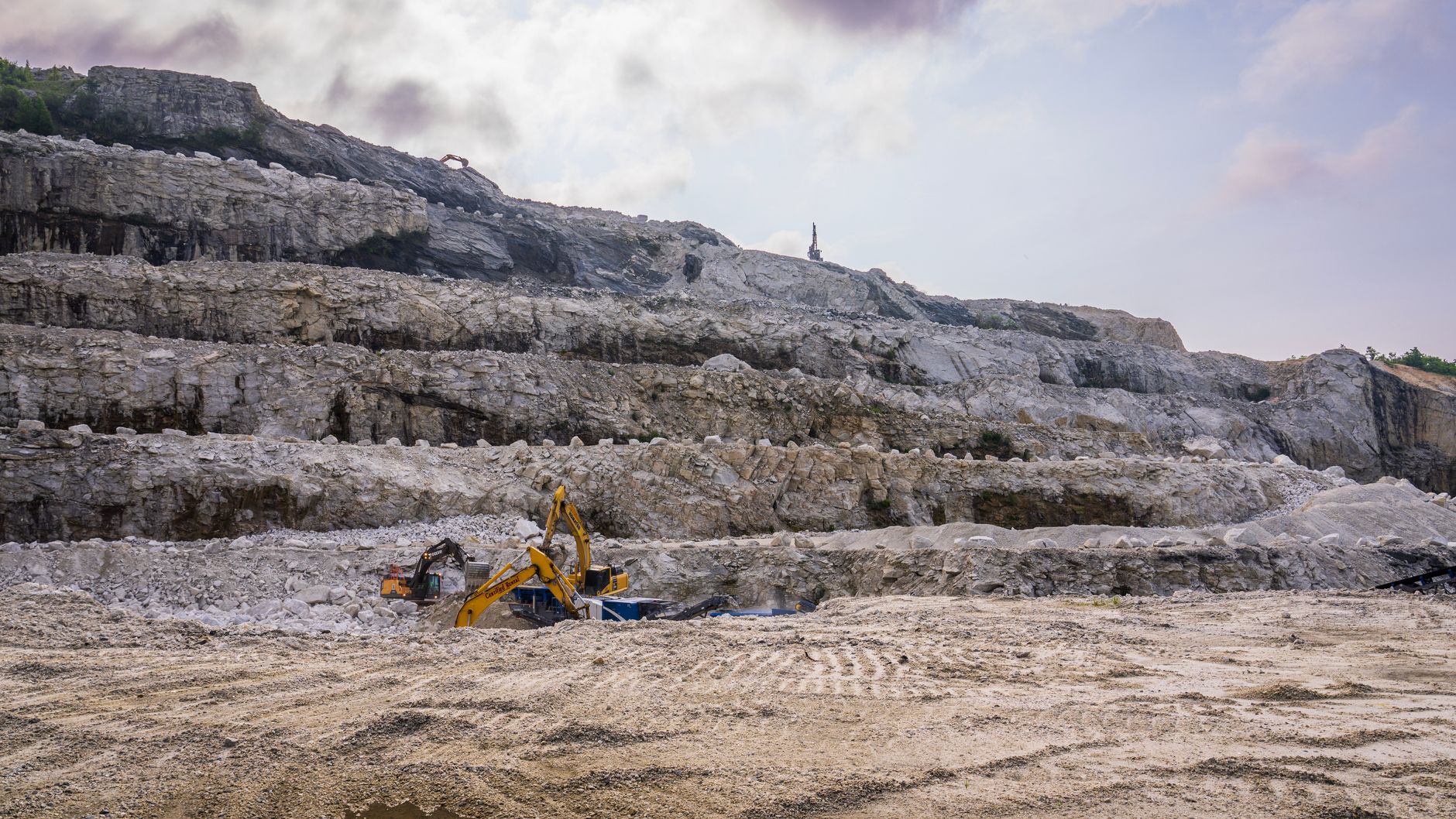
Residents of the serene California village of Wrightwood are in an urgent fight against a massive quarry planned near their homes. This industrial project, approved with "vested rights" in 2019, controversially bypassed a full environmental review, largely unnoticed by the community. Local residents, who only recently learned of the plans, fear devastating impacts on their air, water, wildlife, and even critical wildfire evacuation routes. Their newly formed Lone Pine Canyon Protection Alliance is now mobilizing to challenge a decision they say was made without proper public input, highlighting a significant environmental and community justice struggle.
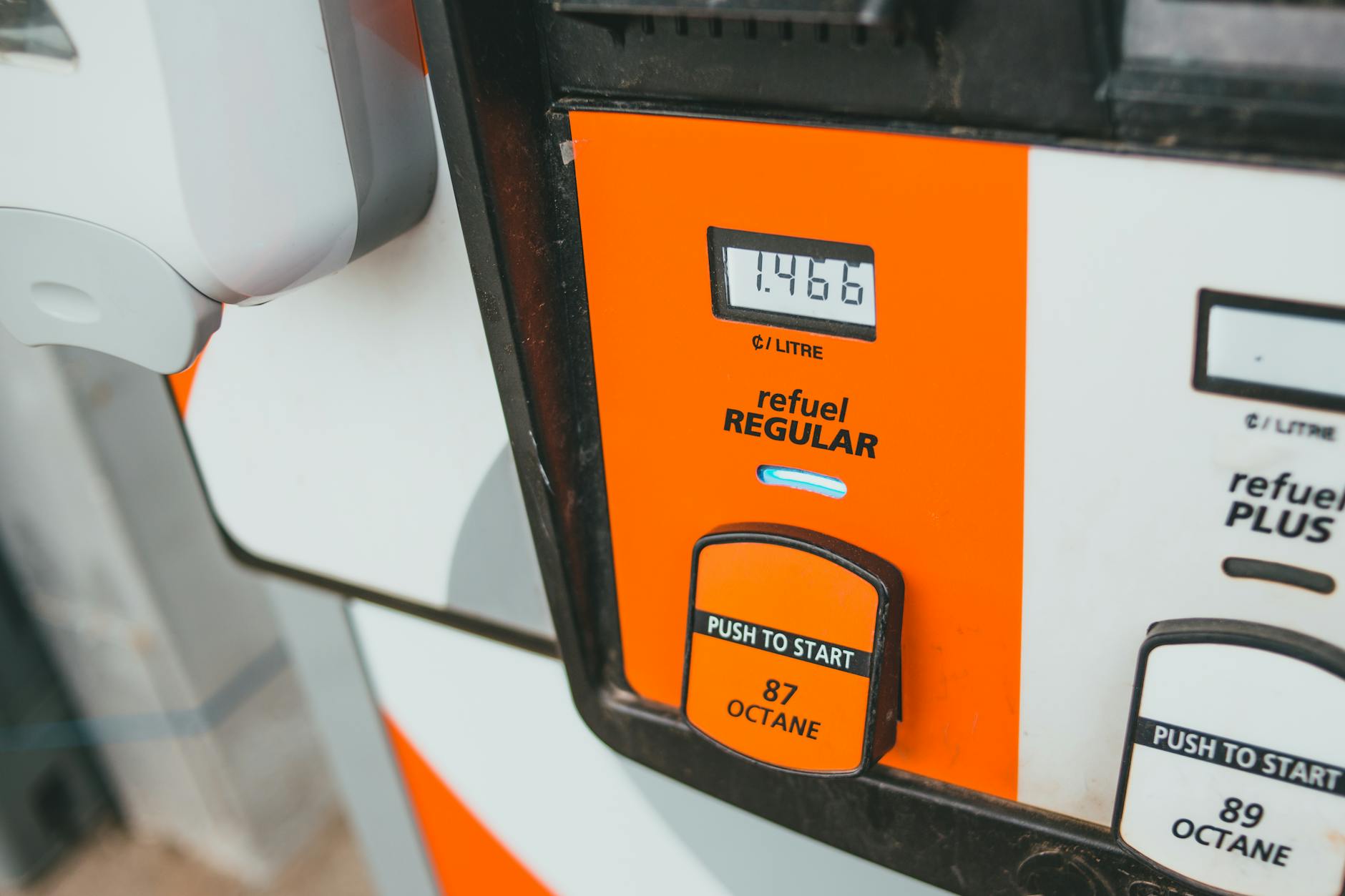
The Trump administration is set to weaken federal fuel efficiency standards for cars, a move that reverses stricter rules from the Biden era. These previous standards aimed to accelerate the shift towards electric vehicles (EVs) and reduce emissions. While the current administration suggests the changes will lower car prices, experts warn they could lead to higher costs at the gas pump for consumers and further delay urgent climate action by encouraging less efficient, fossil-fuel-dependent vehicles. This policy shift comes amidst already high fuel prices and ahead of key midterm elections.
Hawaii is bracing for continued impacts from Hurricane Nolo, which still threatens flash flooding and strong winds even as it moves away. Meanwhile, communities in Baja California are preparing for the imminent arrival of powerful Hurricane Polo, expected to make landfall on Monday. This dual threat comes amidst an unusually active Pacific storm season, consistent with El Niño patterns, raising concerns about increasing storm intensity and frequency. The repeated impacts underscore the urgent need for robust preparedness and resilient infrastructure in a changing climate.
The U.S. Coast Guard mounted a swift rescue operation this week after a sailboat ran aground on Santa Rosa Island, part of the ecologically vital Channel Islands National Park. A 25-foot vessel was found stranded on the beach, prompting a helicopter crew to be dispatched from Ventura County. Fortunately, the sailor on board was rescued safely and reported no injuries, highlighting the importance of rapid response in unpredictable marine environments. While the cause of the grounding remains unknown, the incident underscores the challenges of navigating coastal waters.
X (formerly Twitter) is cracking down on fraudulent activity, filing a lawsuit against individuals accused of faking engagement to unfairly profit from its former Creator Revenue Sharing program. The company claims the scheme generated over $278,000 for the alleged network of accounts. This decisive action comes as X shifts its focus, transitioning to a new Original Content Rewards program designed to value genuine creativity over manipulated interactions. The lawsuit underscores X's commitment to protecting its platform and the earnings of authentic creators in this evolving digital landscape.
Hurricane Polo, a formidable Category 3 storm, is on a collision course with Mexico's Baja California, threatening significant rainfall and dangerous conditions after days as a powerful Category 4-5 hurricane. Simultaneously, an unusually prolonged coastal storm has battered the U.S. Northeast and New England, causing widespread power outages and coastal flooding. These intense weather events highlight a period of heightened storm activity. The extreme strength of storms like Polo, fueled by unusually warm ocean waters, underscores the growing urgency of addressing global warming and its profound impact on our planet's weather patterns.
The global effort to combat climate change is seeing significant movement, from ambitious carbon market integrations to stark warnings from melting polar ice caps. Brazil is positioning itself as a leader in harmonizing global carbon markets, even as new methodologies for emission reduction projects gain traction. Meanwhile, a critical new study reveals alarming rates of ice loss in Greenland and Antarctica, directly contributing to rising sea levels. These developments underscore both the urgent need for action and the innovative steps being taken worldwide to address environmental challenges.