The California Beach Shark Safety program, a vital initiative tracking great white sharks, faces imminent closure due to a lack of funding. Operating since 2018, the program provides crucial data to lifeguards and educates the public, helping prevent costly beach closures. This comes as Southern California expects a “very sharky” summer, with juvenile great white numbers increasing, partly due to warming ocean waters. The program’s potential shutdown in September leaves coastal communities vulnerable, losing a key resource for managing shark encounters and ensuring public safety. Its survival is critical for both human well-being and understanding our marine environment.
The 2026 hurricane season is already proving to be exceptionally active in the Eastern Pacific, driven by what could be the strongest El Niño on record. This surge in tropical storms brings significant risks of flooding and damage, with some systems already making deadly landfalls. While the Atlantic Basin has seen a slower start, forecasters warn of potential development closer to land later in the season. Understanding these weather patterns is crucial for preparing our communities and underscores the urgent need for robust climate action in a warming world.
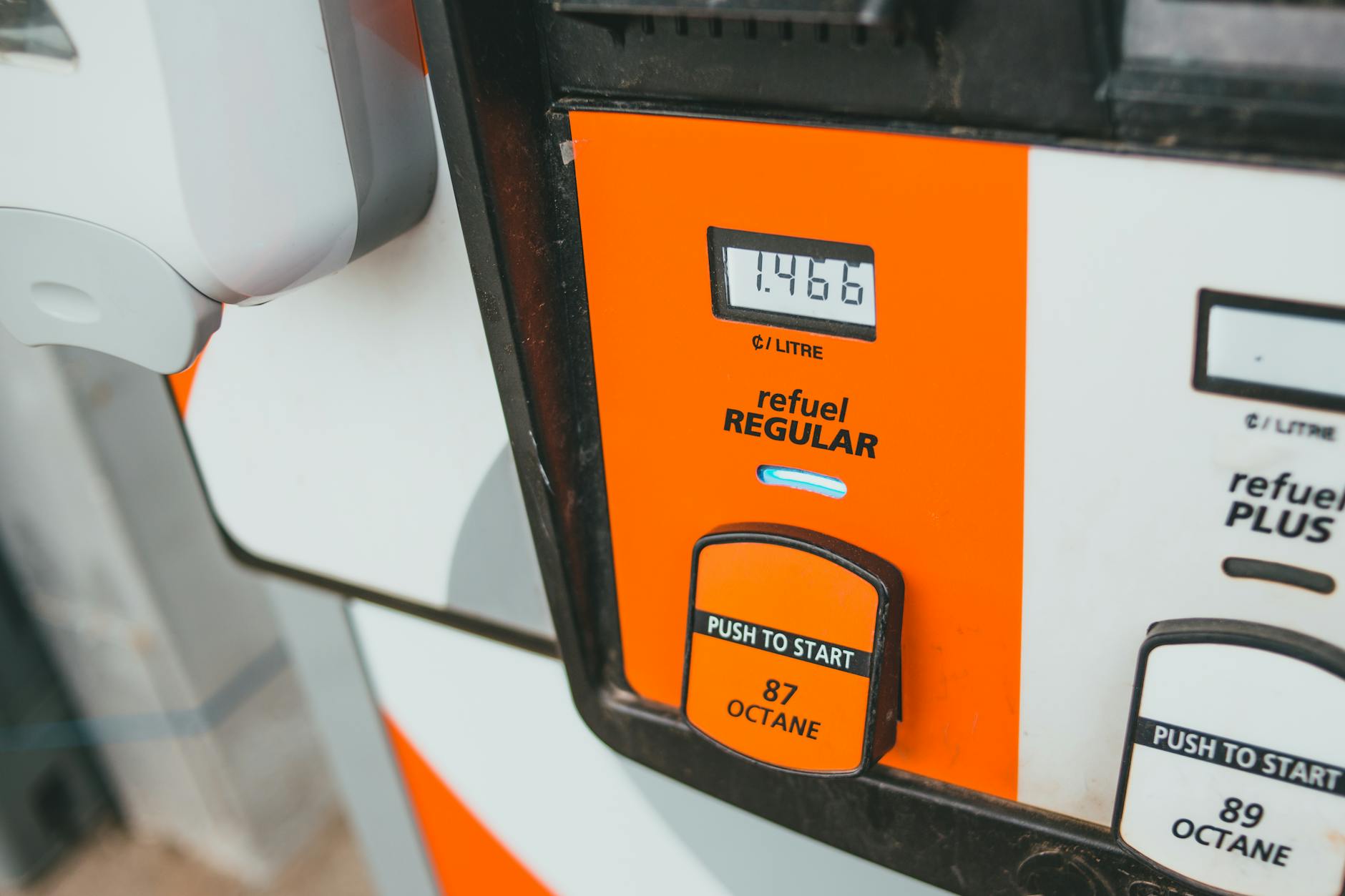
Global oil prices are surging due to renewed conflict, leading to higher costs for American drivers at the gas pump. Meanwhile, major oil and gas companies are reporting enormous, unexpected profits, with some firms earning tens of millions per hour. This stark contrast has ignited calls from U.S. lawmakers to implement a windfall profit tax, aiming to redirect some of these excess earnings to help struggling families. This debate also highlights the volatile nature of fossil fuel markets and underscores the urgent need to transition to stable, sustainable energy sources.
A new report from the U.S.'s leading science panel confirms a major shift in climate attribution science. Scientists are no longer just asking if human-caused global warming drives extreme events like heat waves and floods, but how severe future impacts will become as these events increasingly overlap. This evolution underscores the urgency of addressing climate change, as clearer links between human activity and devastating weather help communities prepare and adapt. Understanding these connections is vital for protecting lives and livelihoods in a warming world.
Los Angeles has quietly replaced its chief heat officer, a pivotal role addressing one of California’s deadliest climate risks. Daniela Simunovic took over the position on May 31 after the administration discreetly fired Marta Segura, the city's first chief heat officer. Simunovic will also lead the Climate Emergency Mobilization Office, which is crucial for coordinating efforts against climate disasters. This leadership change comes as L.A. faces rising heat-related illnesses and deaths, highlighting the urgent need for robust climate action.
A proposed federal law, the Florida Safe Seas Act, aims to ban shark feeding for tourism off Florida's coast. While supporters cite safety, the move has sparked a wider debate among dive operators, fishermen, and scientists. This bill highlights a growing tension over how to manage recovering shark populations in Florida's changing marine environment. It also raises questions about environmental priorities as vital marine ecosystems face broader threats from pollution and declining water quality.
Shell has sold its Sprng Energy business in India to Aditya Birla Renewables Limited for $1.8 billion. This major transaction signifies a pivotal shift in India's rapidly expanding clean energy landscape. It empowers Aditya Birla Group to significantly boost its renewable energy portfolio, accelerating the nation's transition away from fossil fuels. Such investments are crucial for India's commitment to combat global warming and meet its ambitious net-zero emissions targets, reinforcing the urgency of sustainable development.
Electric vehicle manufacturer Lucid Motors faced a tumultuous day recently after a report surfaced suggesting the company was weighing options like going private or even Chapter 11 bankruptcy. This news sent Lucid's stock tumbling by a significant 55%. However, the company swiftly moved to quell the fears, with its CEO strongly refuting the claims. Such rapid market shifts highlight the delicate balance in the burgeoning electric vehicle industry, underscoring the importance of stability for companies driving sustainable transport forward.
Elon Musk is preparing a unique product gallery at his sprawling Texas ranch, an homage to his career from early software to groundbreaking space and electric vehicle ventures. This reflective moment comes as his entities continue to expand their land holdings in Bastrop County, growing to thousands of acres. The gallery will showcase revolutionary inventions, coinciding with SpaceX's record-breaking IPO, signaling a significant inflection point in Musk's career.
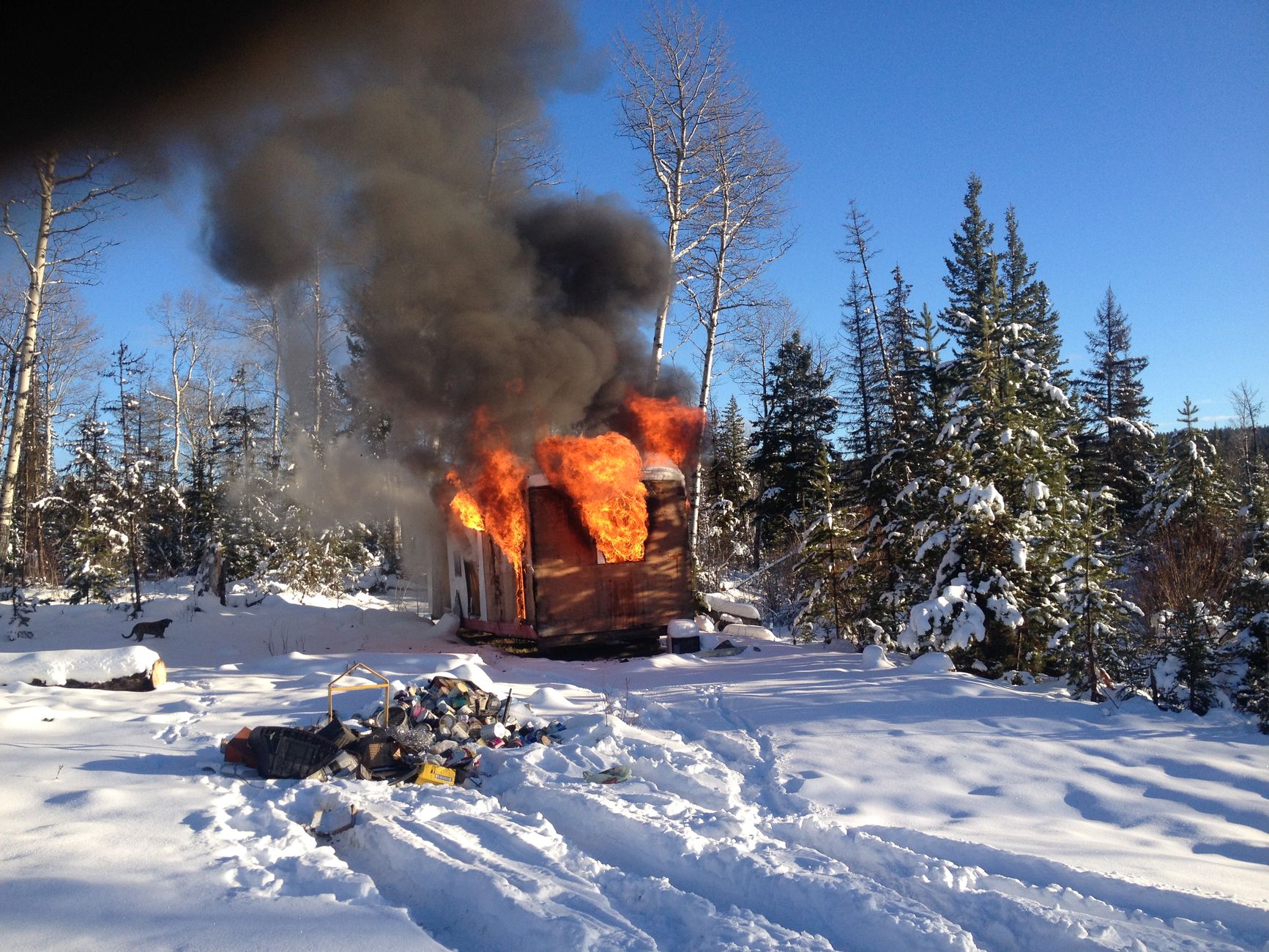
In a unique approach to tackle the growing wildfire crisis, researchers in South Carolina are intentionally burning down specially built houses. This drastic measure helps them understand how fires spread, especially as climate change intensifies heat waves and droughts, fueling bigger and faster wildfires. The goal is to develop smarter building practices and community designs that can withstand these devastating blazes, ultimately protecting homes and lives from a threat that is becoming increasingly common and destructive.
Austin-based SuperCritical Materials has secured an exclusive license from the U.S. Department of Energy (DOE) to commercialize a groundbreaking technology. This innovation aims to extract uranium from seawater, offering a new, virtually limitless source for nuclear fuel. This development is crucial as the nation expands its nuclear power capacity to meet increasing electricity demands, supporting a cleaner energy future and reducing reliance on foreign fuel sources. The technology, developed by Pacific Northwest National Laboratory, promises to bolster America's energy security and accelerate the shift towards sustainable, carbon-free electrification.
As summers grow warmer and wetter due to climate change, regions like New England are seeing an unsettling change: new mosquito species are moving in. These unwelcome visitors, originally from hotter climates, bring with them the risk of serious diseases like dengue and Zika, which were once rare in these areas. Monitoring programs are crucial to tracking these shifts and preventing outbreaks, underscoring the urgent need for coordinated public health efforts in the face of a changing climate.