The global effort to combat climate change is gaining significant momentum, with major advancements unfolding across continents. From Asia's burgeoning carbon markets to Brazil's innovative carbon capture frameworks and Europe's bold decarbonization investments, the push for sustainable solutions is accelerating. These developments underscore a crucial global commitment to reducing emissions and fostering a cleaner, more resilient future, showcasing how diverse strategies are converging to tackle climate urgency.
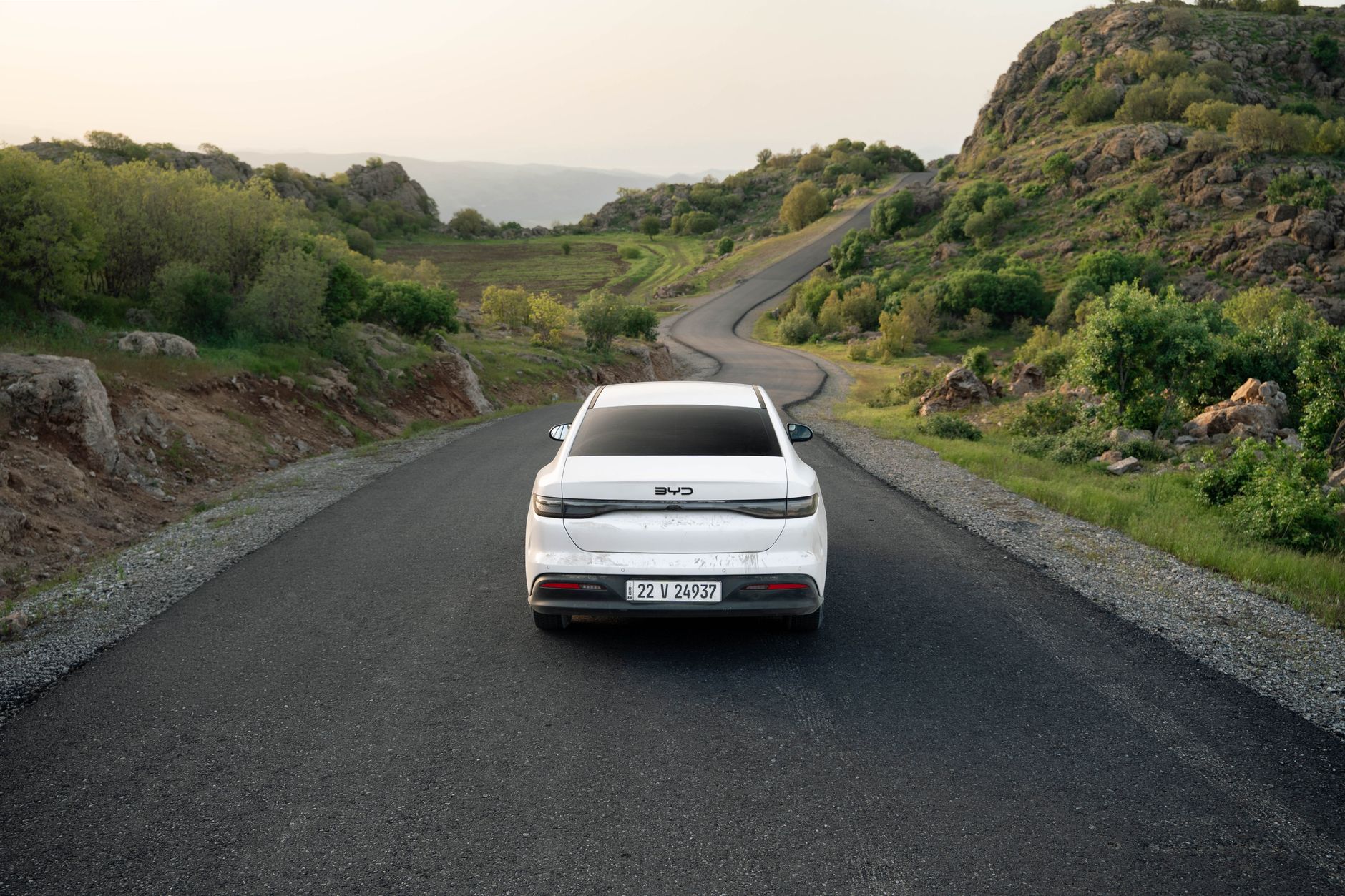
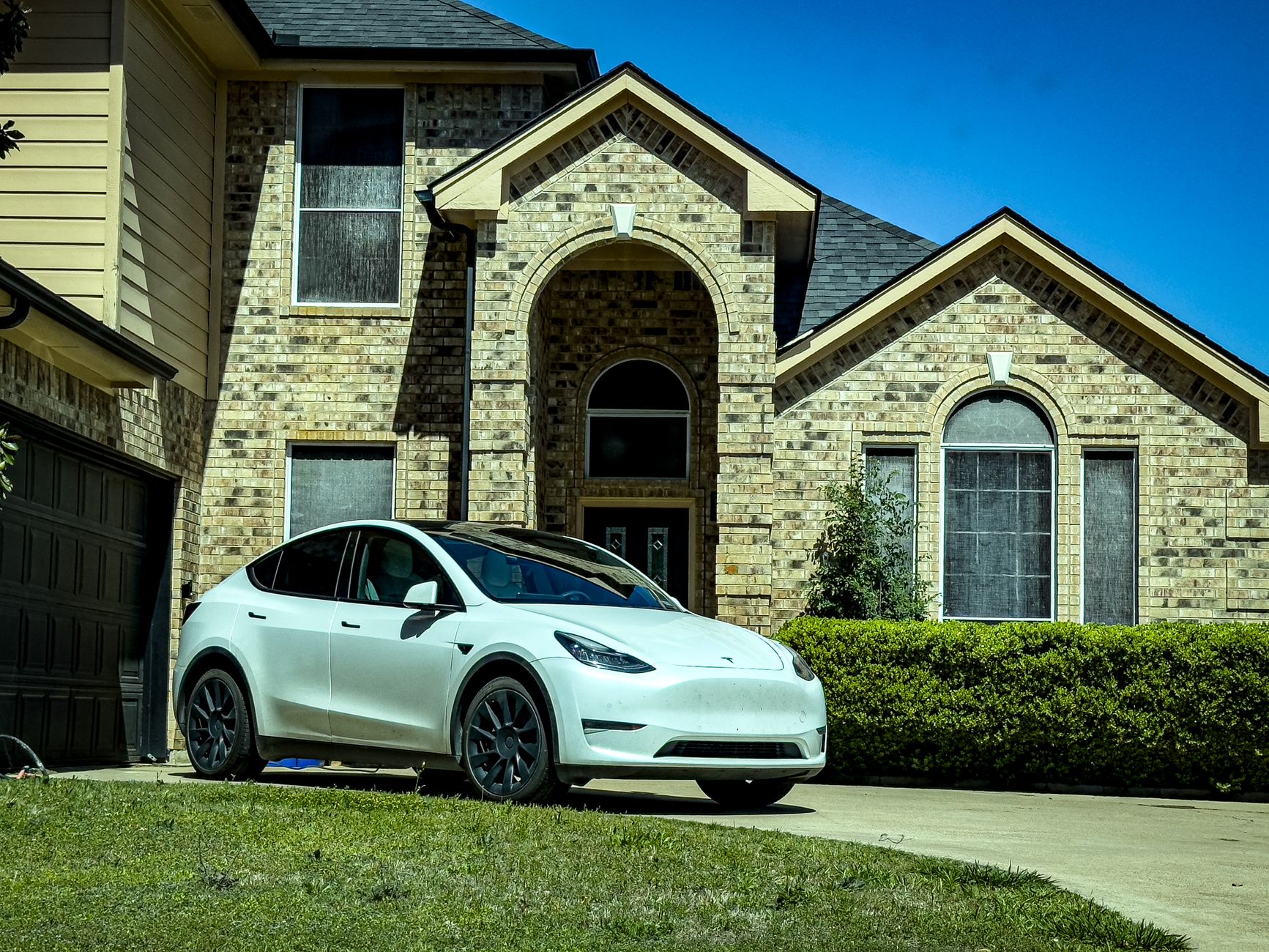
A remarkable shift is underway in South America, with electric vehicle (EV) sales accelerating at an astonishing rate. Argentina, in particular, has seen its EV market share jump significantly, driven largely by Chinese manufacturers like BYD. This rapid adoption is a "leapfrog" moment for emerging markets, bypassing the slower transition seen in some leading economies. While this surge offers hope for reducing global transportation emissions and combating climate change, experts caution that true decarbonization requires more than just vehicle electrification.
After years in the shadows, hybrid cars are making a stunning return to popularity worldwide. With high gasoline prices and electric vehicle (EV) sales cooling due to cost and charging concerns, consumers are increasingly choosing hybrids for their blend of fuel efficiency and convenience. This unexpected surge highlights a pivotal moment in our transition to greener transport, offering a tangible step towards reducing emissions while full electrification takes hold. Major automakers are ramping up production to meet this renewed demand.
NextEra Energy, once a vocal leader in renewable energy and climate action, has notably scaled back its clean energy messaging and commitments. The world's largest publicly traded electricity company now emphasizes a "diverse" energy mix, including natural gas, adopting language like "American energy dominance." This shift aligns with a political environment that increasingly favors fossil fuels and casts doubt on clean energy initiatives. Critics are questioning NextEra's sincerity regarding its environmental pledges, highlighting a concerning trend for climate progress. The move underscores how political pressures can undermine critical steps toward a sustainable, electrified future.
Tesla is considering a massive $10.1 billion solar manufacturing plant in Fort Bend County, Texas, known as Project Crystal Sun. This ambitious proposal aims to create nearly 10,000 jobs and significantly bolster U.S. domestic solar production by 2029. Such an investment highlights Tesla's growing commitment to clean energy and is crucial for reducing reliance on foreign supply chains. While still in early stages, this project could be a pivotal step in accelerating America's transition to a more sustainable, electrified future, helping to tackle climate change head-on.
Five summers ago, an unprecedented heatwave struck the Pacific Northwest, tragically claiming hundreds of lives in a region historically unaccustomed to such extreme temperatures. King County, which includes Seattle, was particularly affected, with many homes becoming dangerous ovens due to their design and a lack of air conditioning. This devastating event underscored the urgent need for communities to adapt to our changing climate. In response, King County is now implementing strategies to protect its most vulnerable, especially older adults, from future heat-related dangers.
Tesla Energy is rolling out a new Powerwall Lease program in Texas, offering homeowners whole-home backup power for a net cost of just $35 per month after credits. This initiative provides two Powerwall units and a fixed electricity rate through Tesla Electric. It aims to boost grid resilience and offer crucial protection during severe weather events, ensuring households maintain power when the traditional grid falters. This move highlights a growing commitment to sustainable, reliable energy solutions for a changing climate.
NVIDIA is rallying top financial firms like BlackRock and Goldman Sachs to fund a massive $500 billion AI infrastructure buildout. This initiative aims to help companies access the capital needed for data centers and computing power, treating these "AI factories" as critical infrastructure. However, this explosive growth in AI also means a huge surge in electricity demand, putting unprecedented pressure on our energy grids. Meeting this demand sustainably with clean energy is crucial to avoid escalating climate impacts and ensure AI development aligns with global environmental goals.
Tesla has recently trademarked 'MEGAPOD', signaling its deepening commitment to artificial intelligence and modular computing solutions. This new filing describes a self-contained, modular system packed with everything needed for AI workloads, from servers to cooling. It represents a significant step in how Tesla plans to build out its AI infrastructure, hinting at a future where powerful computing units can be deployed flexibly. This move could redefine how AI is integrated into our daily lives and energy systems, making advanced computing more accessible and efficient.
Elon Musk envisions a future where every car relies on satellite internet, specifically Starlink, to handle the massive data demands of artificial intelligence. This bold prediction comes as Tesla's upcoming electric Cybercab is set to ship with Starlink V5 technology built-in, marking a significant step towards this vision. While not for autonomous driving, the satellite link will enhance navigation and rider experience. Musk argues that traditional ground networks simply won't keep pace with the data generated by the next generation of AI-powered, sustainable transportation.
The first half of 2026 marked a significant period for the U.S. power sector, revealing a clear trend towards cleaner energy solutions. Data from the U.S. Energy Information Administration highlights 368 utility-scale plants that began operation from January to June, with a striking dominance of solar and battery storage projects. This surge in renewable capacity, particularly utility-scale solar paired with batteries, underscores a crucial step in the nation's electrification journey. This shift is vital for addressing climate change and reducing reliance on traditional energy sources, moving us closer to a sustainable future.
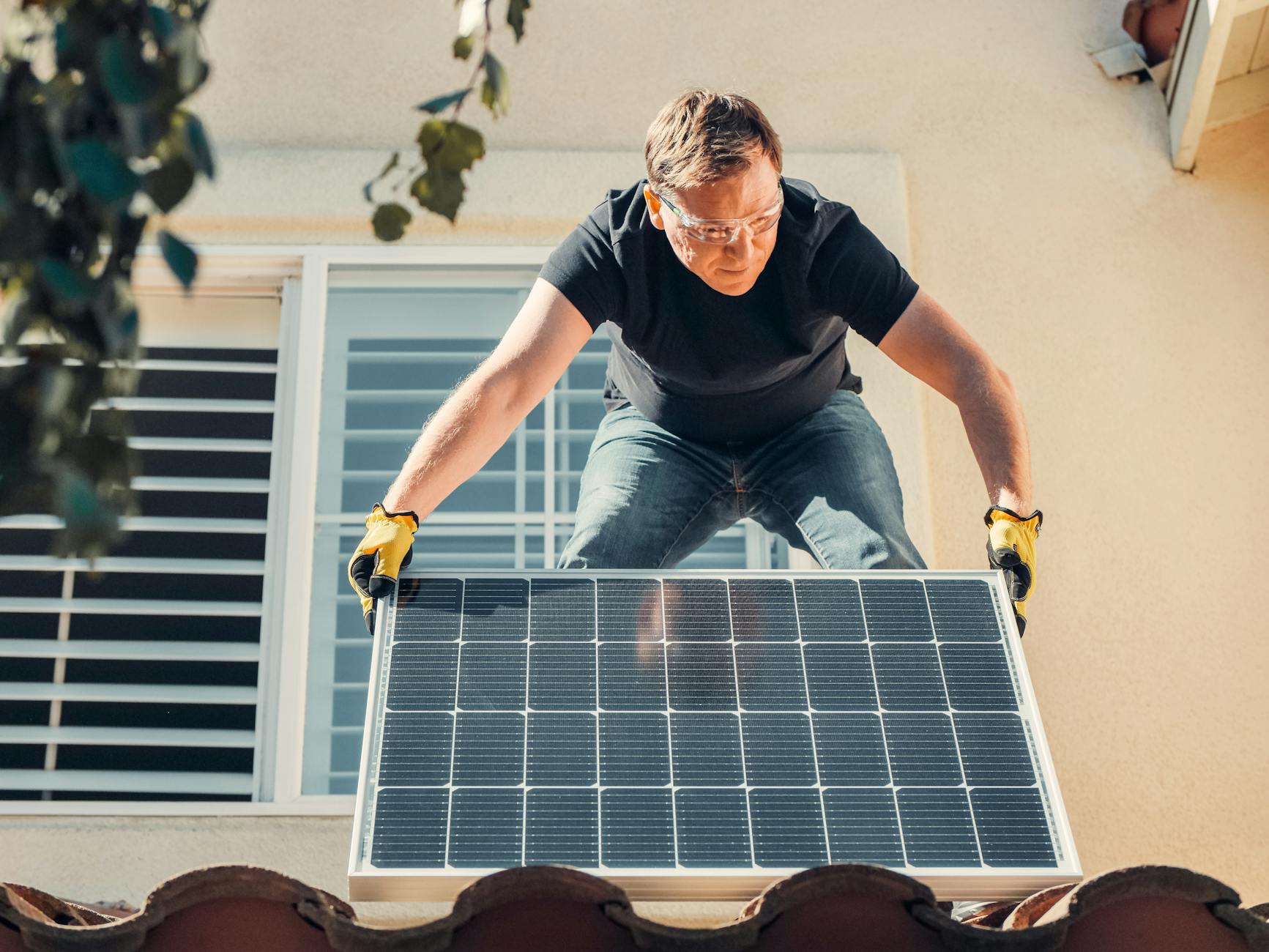
California is on the verge of a significant shift in personal energy use with Senate Bill 868, a proposed law that could legalize "balcony solar" — small, plug-in solar panels for patios or fences. This innovation promises to dramatically lower electricity bills for many, especially renters, by allowing direct connection to wall outlets. The move could empower more Californians to embrace clean energy, driving forward climate action and reducing reliance on traditional power grids. However, the bill faces opposition from utilities concerned about grid reliability and cost shifts, even as advocates champion its simplicity and environmental benefits.