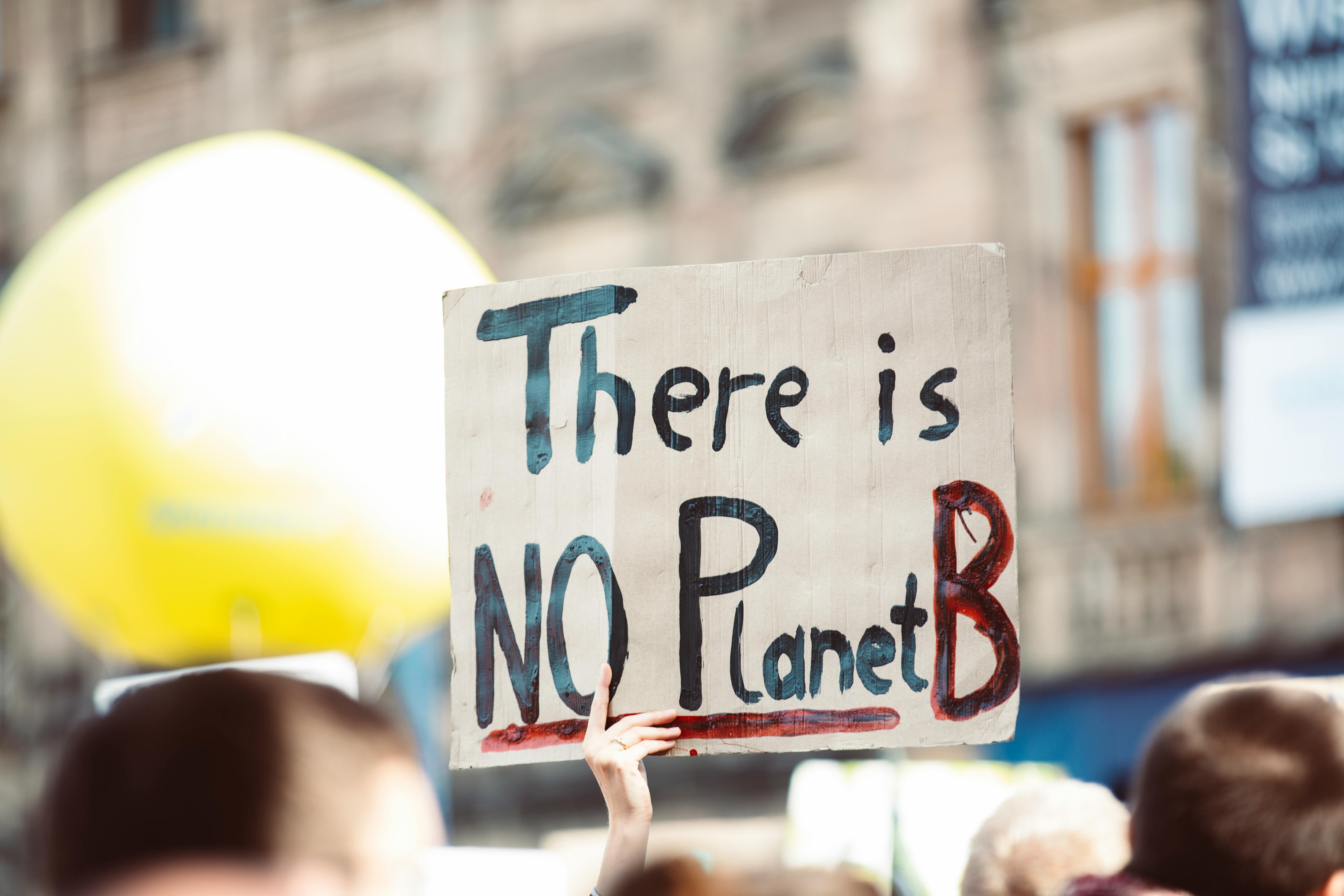
A critical new initiative demands an end to 'corporate courts,' formally known as investor-state dispute settlement (ISDS), which campaigners warn are a major impediment to urgent climate action. These systems allow corporations, particularly fossil fuel giants, to sue governments for implementing environmental policies like banning drilling or phasing out coal. With over $80 billion already paid to fossil fuel companies in claims, ISDS effectively reverses climate finance, compensating polluters at the expense of victims. Leaders at COP30 are now facing urgent calls to declare an end to this "obscene" system, asserting that no nation should have to compromise its climate goals due to corporate litigation. The situation demands immediate global attention to accelerate climate progress.
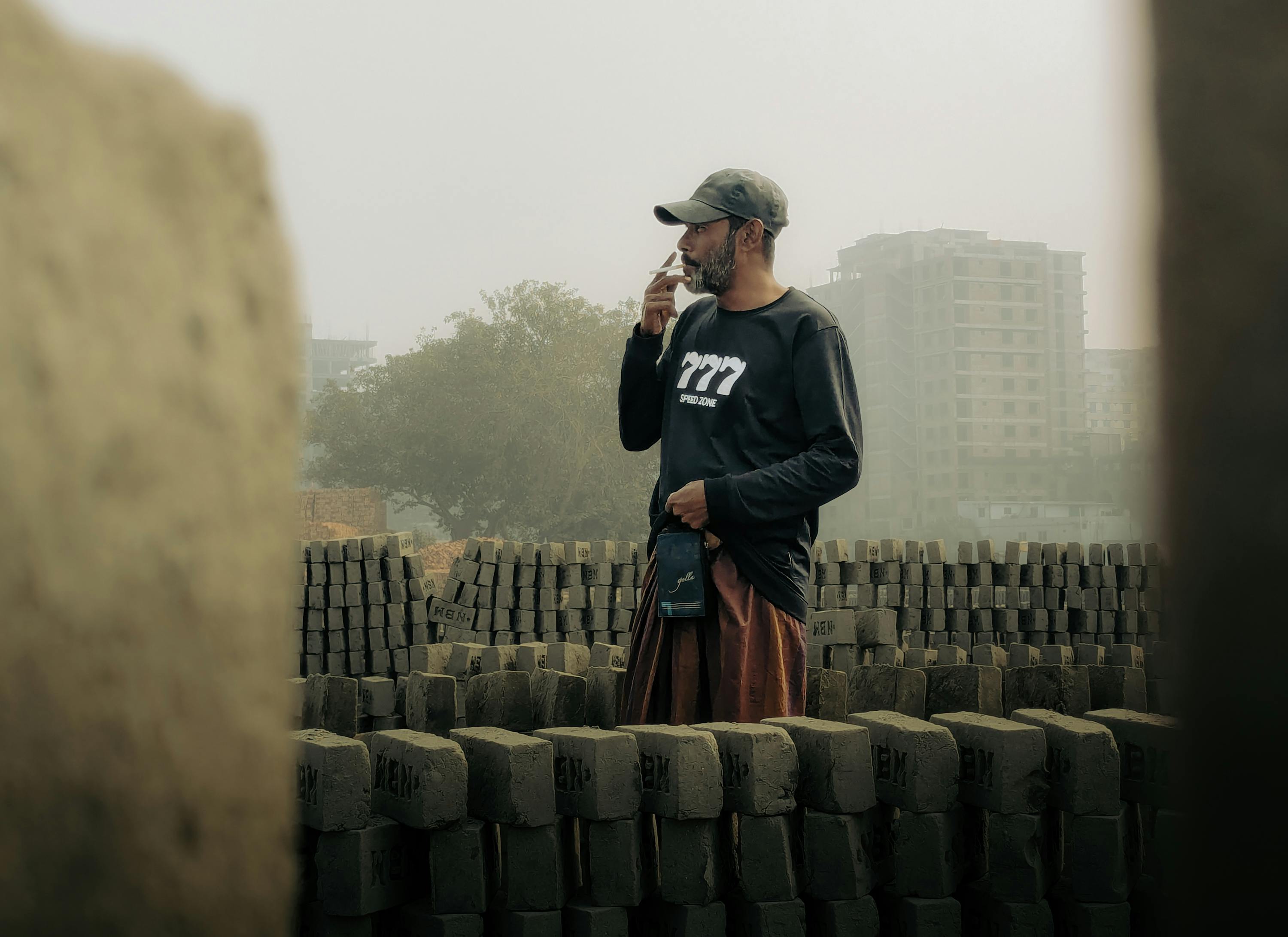
India faces an urgent and deadly air pollution crisis, particularly in New Delhi, where the air is now considered the most polluted globally, contributing to an estimated 1.7 million deaths annually. While the government has imposed emergency measures like halting construction and banning older vehicles, a growing disparity in air quality is emerging indoors. For a select few, expensive "Clean Air Bubbles" from companies like YOGA and Breathe Easy offer a novel solution, mimicking laboratory conditions to provide contaminant-free indoor environments. However, costing around $1,900 to install—nearly 70 percent of the average annual income—this essential life-saving technology remains hopelessly out of reach for the vast majority, turning clean air into a shocking privilege.
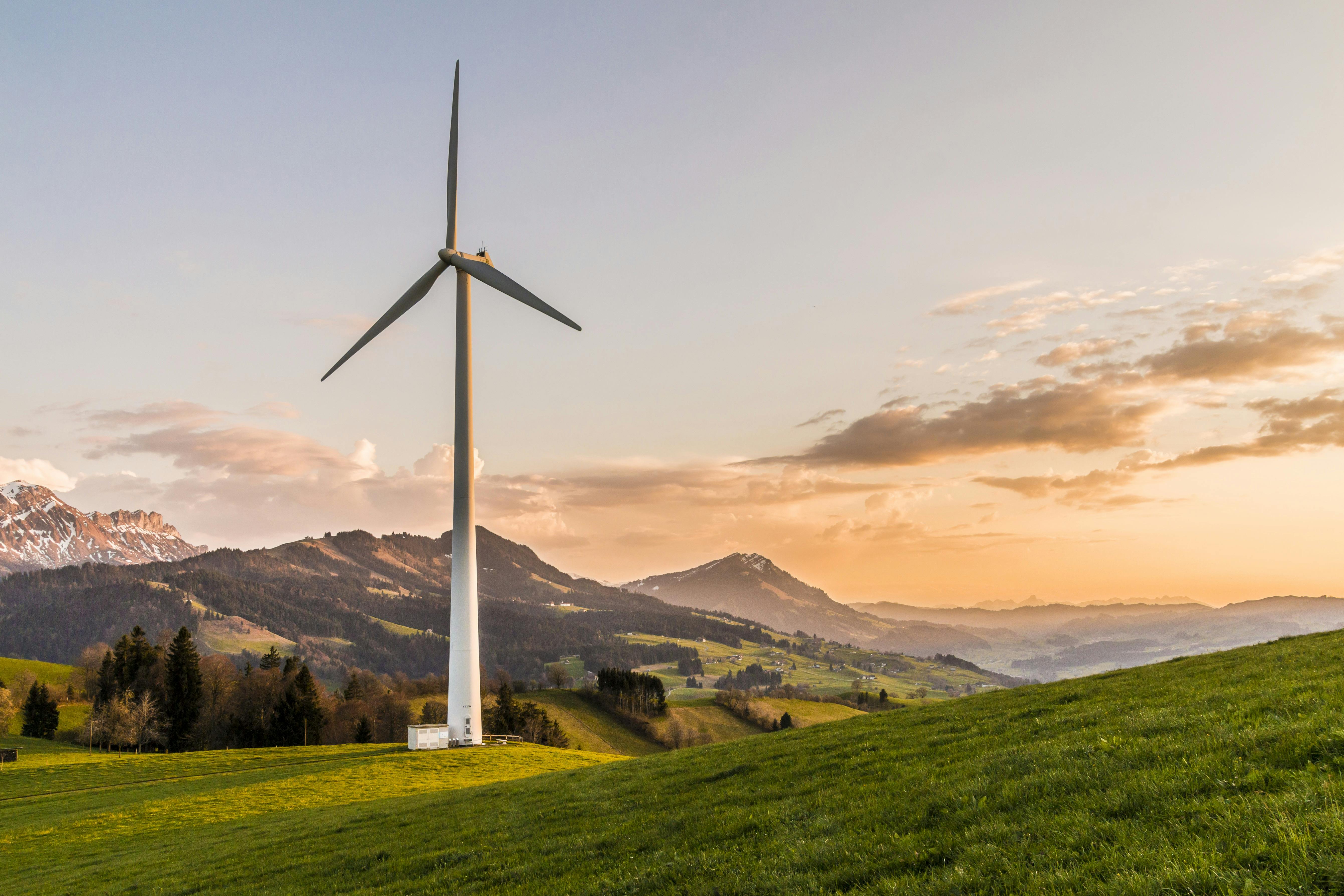
A stark new reality is emerging on the global energy stage, with the United States notably lagging in the rapid transition to renewable power. As the world convenes at significant climate conferences like COP30, data suggests that while other nations aggressively embrace the future of green energy, the U.S. risks being left behind. This delay has urgent implications, not only for environmental targets but also for economic competitiveness and global leadership. The pace of change elsewhere underscores a critical moment for American policy and innovation.
Tesla's Full Self-Driving (FSD) technology and its Robotaxi service are increasingly showing that artificial intelligence can often drive better and safer than humans. Users in cities like Austin and the Bay Area are reporting more comfortable, reliable, and even more affordable rides compared to traditional ride-sharing options. This advanced self-driving capability is not just about convenience; it highlights a significant path toward drastically improving road safety for everyone. With tens of thousands of lives lost annually in crashes and thousands more affected by drowsy driving, the shift towards autonomous vehicles offers a powerful solution to these pressing human-caused problems.
Tesla Chair Robyn Denholm has hailed a recent shareholder vote as an “overwhelming support” for the company's ambitious future, including the controversial approval of Elon Musk's trillion-dollar pay plan. In a direct letter to investors, Denholm framed this decision as a critical endorsement of Musk's leadership and Tesla's accelerating vision for an autonomous, AI-driven world. This pivotal vote, she stated, reaffirms confidence in Tesla's "Master Plan Part IV" and its mission to pioneer sustainable prosperity. The message underscores the urgent mandate given to Tesla to aggressively pursue its next phase of groundbreaking innovation, which is crucial for its long-term trajectory.
The global race for electric vehicles and renewable energy storage faces a critical bottleneck: the urgent need for ultra-pure, battery-grade lithium. 'Surge Battery Metals' is rapidly emerging as a key player, having demonstrated the ability to produce 99.9% pure lithium carbonate from its Nevada North Lithium Project. This unprecedented purity is vital for advanced EV chemistries, including the rapidly expanding LFP battery market, which now accounts for nearly 50% of global EV battery chemistry. The urgency to secure such high-purity supply has never been greater as the industry pivots to more demanding battery technologies.
The UK Department for Education's recent Curriculum and Assessment Review acknowledges the importance of climate science and sustainability teaching in schools, sparking optimism. However, critics argue the recommendations fall short of adequately embedding climate education across all Key Stages. Despite recognizing climate understanding as vital for future green jobs and the economy, the current approach relies heavily on Science and Geography, neglecting a holistic integration. There is a pressing call for immediate, statutory guidance, robust teacher training, and clear timelines to meet the demands of the escalating climate emergency.
As negotiators gather in Belém for COP30, Brazil is trying to brand this summit as a historic course correction on climate – and even as the moment when ethics finally enter the heart of global negotiations through a new Global Ethical Stocktake. Yet on the ground, the “Amazon COP” is being built on fresh destruction: a four-lane highway slicing through remaining rainforest, dozens of construction projects, and the rapid approval of new offshore oil drilling near the mouth of the Amazon. At the same time, a controversial “devastation bill” has weakened environmental licensing just as Brazil’s emissions, deforestation and wildfire impacts remain alarmingly high. Indigenous leaders and social movements are already clashing with security forces to make themselves heard. What happens in Belém in the coming days will help decide whether the Amazon becomes a symbol of protection – or a warning from a world that chose delay over survival.
Around 9,000 years ago, a huge section of East Antarctica suddenly destabilised when warm deep ocean water surged under its ice shelves and made them collapse. A new reconstruction based on marine sediments from Lützow-Holm Bay and advanced climate–ocean models shows that meltwater from other Antarctic regions triggered a chain reaction, reshaping ocean currents and funnelling heat toward this supposedly stable sector. Once the floating ice shelves disintegrated, inland ice flowed faster into the sea, driving rapid ice-sheet retreat and sea-level rise. Scientists warn that the same “cascading positive feedback” is now being set up again as warm water gnaws at West Antarctic glaciers like Thwaites and Pine Island. The message from the past is stark: if warming continues, Antarctic ice loss could accelerate far faster than our coastal defences and societies are prepared for.
As world leaders prepare to meet again at COP30, a new analysis reveals that Britain’s biggest newspapers devoted far more space to adverts for high-carbon lifestyles than to reporting the last UN climate summit. The Promoting Pollution Before Reporting The Climate study shows that on two key days during COP29, high-carbon advertising covered more than three times as many column inches as climate coverage, with travel promotions alone taking up 1,745 inches of newsprint. At the same time, the UK House of Lords has warned that a third of the emission cuts needed by 2035 must come from shifts in how we travel, eat and heat our homes – changes that advertising powerfully shapes. Together, the findings raise an urgent question: whose side are newspapers really on in the climate emergency?
Over 500 California middle schoolers converged at the Future Green Leaders Summit to tackle the urgent challenges of climate change and envision a sustainable future. The day-long event, held in San Bernardino, aimed to empower students from historically underrepresented communities by exposing them to diverse green career paths. Organizers highlighted a critical disconnect: while these communities are most vulnerable to environmental impacts, they are least represented in green industries, where the U.S. solar workforce remains predominantly white and male. This summit sought to inspire a new generation, providing tools and hope to combat the widespread eco-anxiety impacting young people and kickstart vital change.
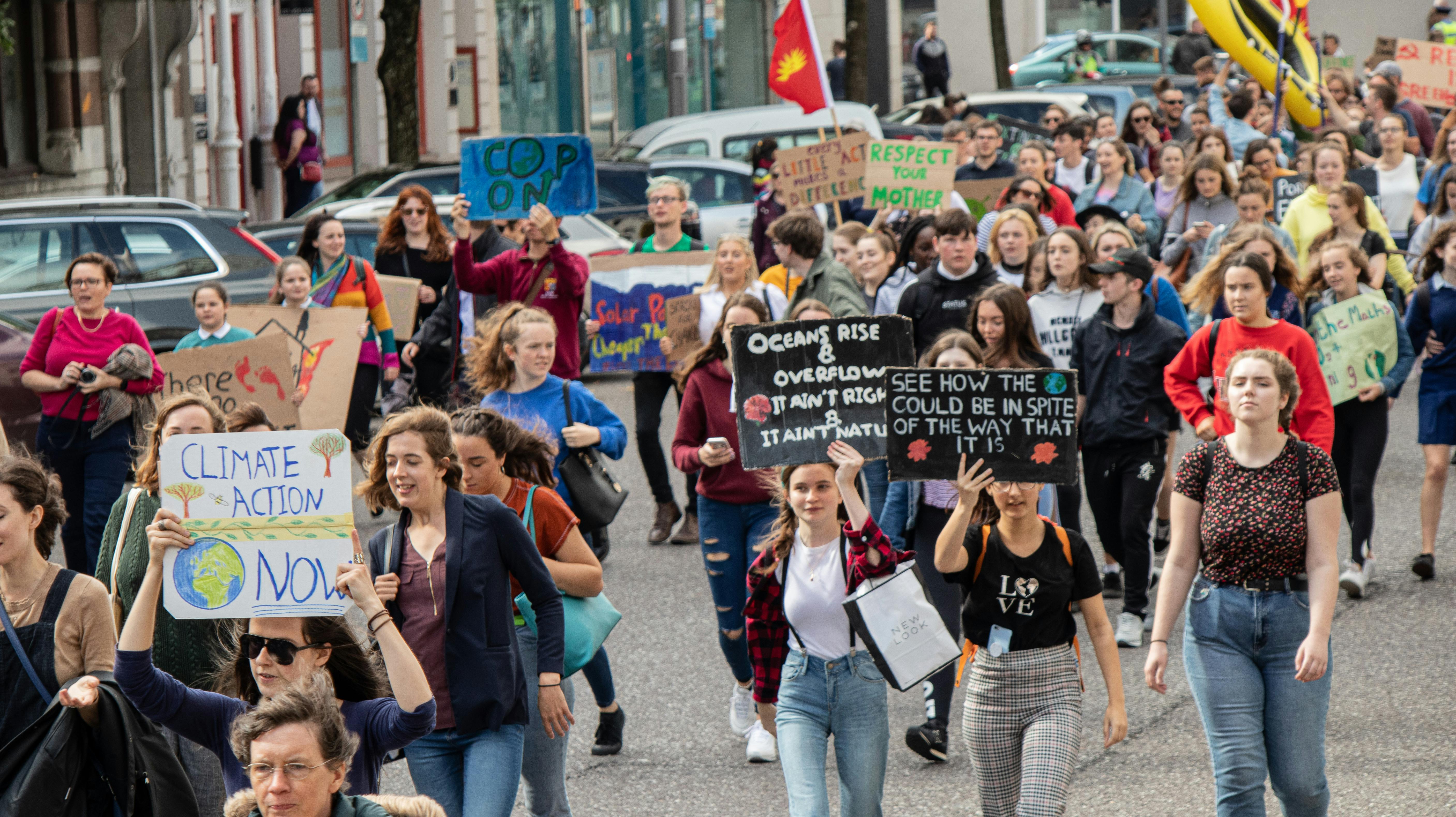
On the edge of the Amazon rainforest, world leaders are opening the COP30 climate summit under mounting pressure from protesters demanding real action instead of more speeches. Inside the heavily guarded venue in Belém, negotiators are debating how to keep global heating as close as possible to 1.5°C, even as UN scientists warn that current policies still point toward far more dangerous levels of warming. Outside, Indigenous leaders, youth movements and climate groups are marching, staging creative actions and delivering a “climate bill” that they say should be paid by fossil fuel companies, not ordinary people. With 2025 set to be among the hottest years ever recorded and the Amazon edging toward an irreversible tipping point, activists argue that what happens in Belém will echo far beyond Brazil’s borders.