Former Reddit chief Yishan Wong has pivoted from social media to forest restoration with Terraformation, a Hawaii-based startup now testing a $25-per-month “tree subscription.” Unlike $1-to-$2 tree pitches that often just cover planting, the fee is meant to fund years of care for native, biodiverse forests on Hawaiʻi Island, with photos and updates sent to subscribers Tree planting by subscription, a new business from the former CEO of Reddit. Researchers say the higher price aligns with reality; as UC Santa Cruz ecologist Karen Holl puts it, “You might be able to plant a tree for a dollar, but you can’t grow a tree for a dollar” Planting trees is no panacea for climate change, says ecologist. Terraformation, backed by well-known tech investors, has long focused on corporate projects but is now inviting individuals to join in Reddit's former CEO wants you to buy a subscription for trees, Terraformation Subscriptions.
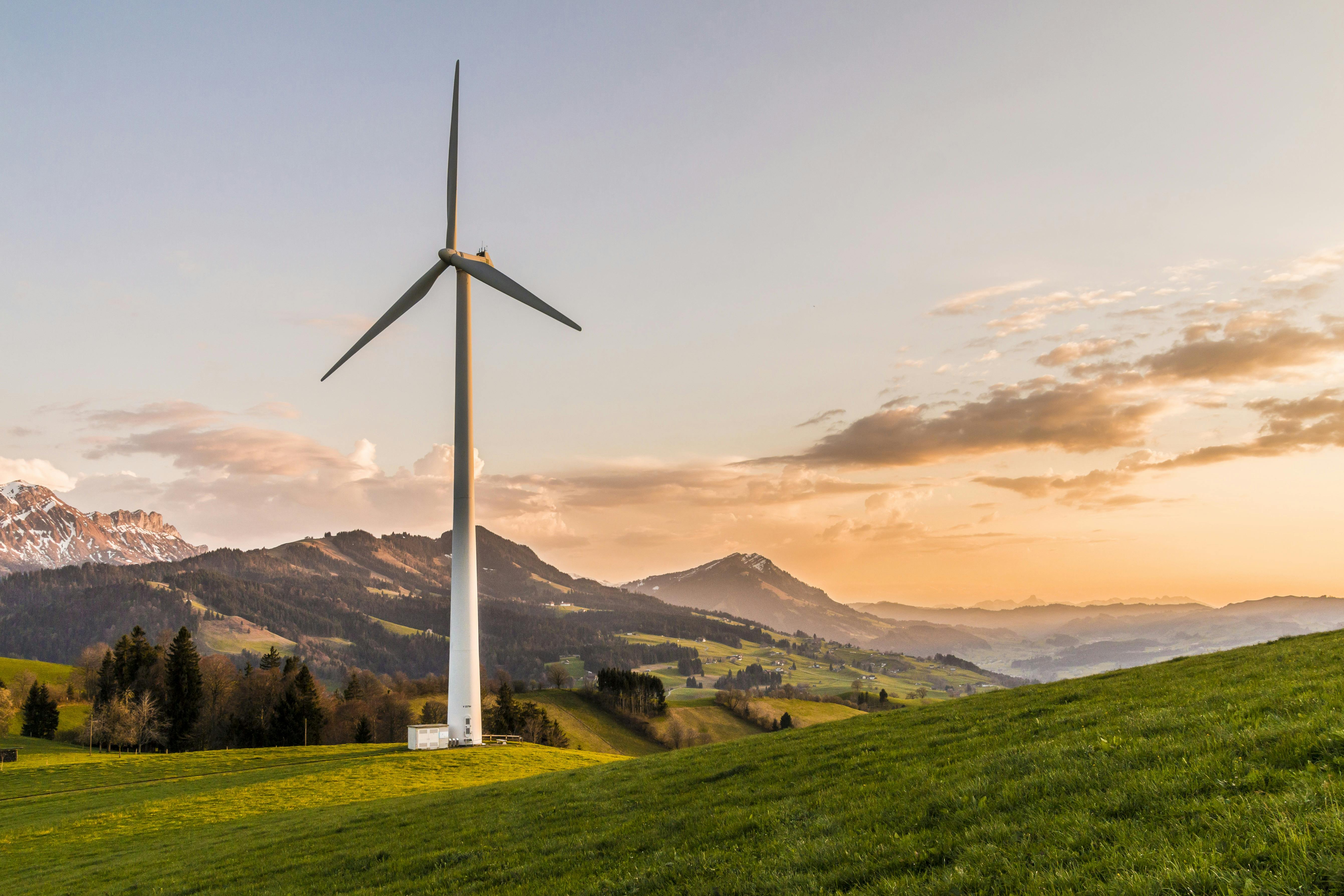
Solar power has crossed a psychological and economic line. A new analysis from the University of Surrey finds that, in the sunniest markets, utility-scale solar can deliver electricity for as little as £0.02 per unit—cheaper than coal, gas or even wind, thanks to decade-long cost declines and rapid scaling. The study also reports an 89% fall in lithium-ion battery prices since 2010, making solar-plus-storage competitive with gas plants and turning sunlight into a more reliable, dispatchable resource. The authors caution that grids in places like California and China already struggle with midday surpluses, so smarter networks, better forecasting and stronger regional links are essential. Read more via ScienceDaily, the University of Surrey and the open preprint on Authorea.
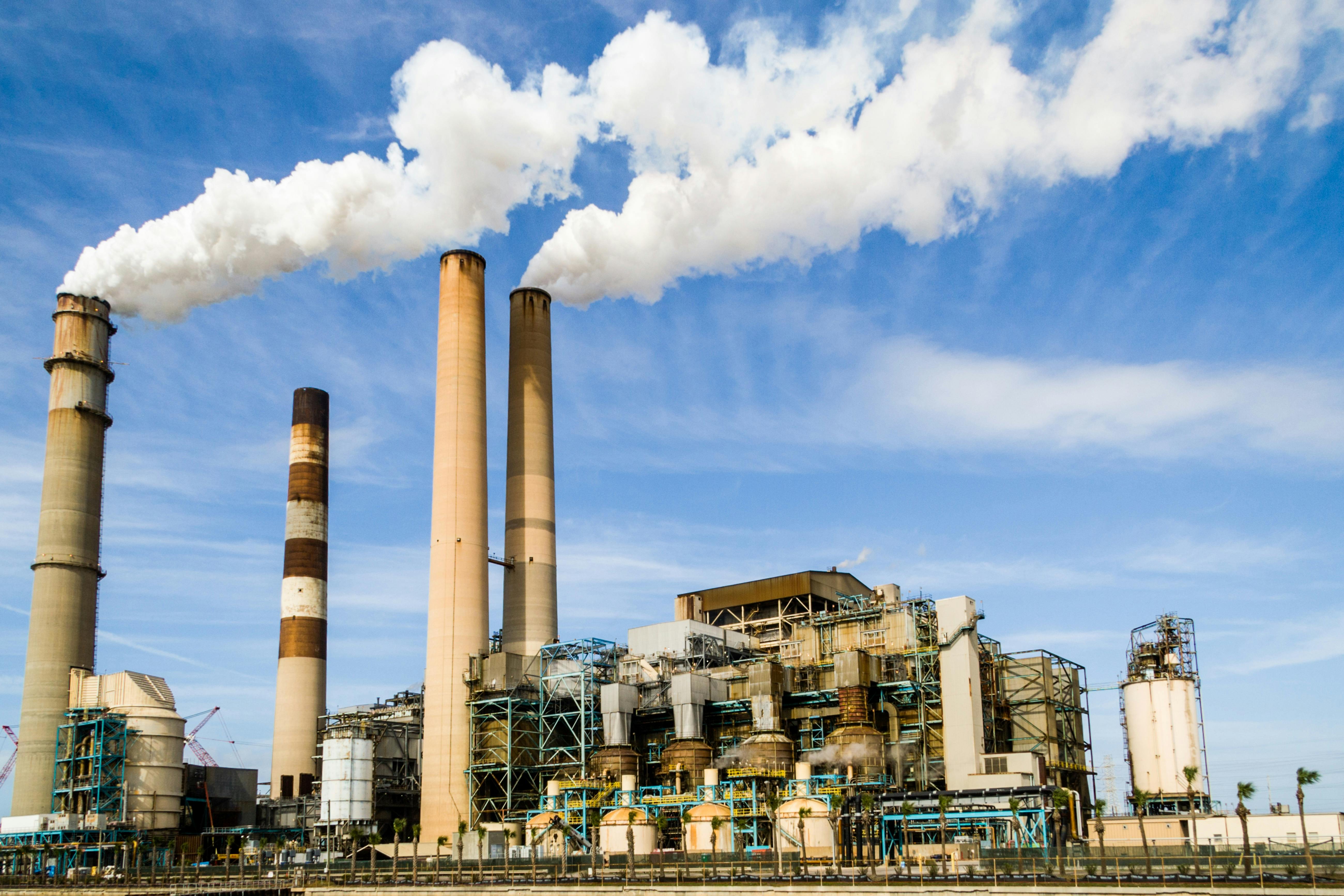
For the first time on record, renewable sources produced more electricity than coal in the first half of 2025, a milestone highlighted by Ember’s mid-year analysis and corroborated by independent coverage from Reuters. The gains were driven largely by solar and wind growth in China and India, which more than covered global demand increases. Yet progress isn’t uniform: the IEA’s new outlook trims its global forecast and cuts the U.S. growth projection by nearly half amid policy rollbacks. The result is a split-screen picture—renewables advancing worldwide while key Western markets wobble—suggesting a fragile but real turning point. For context, see New York Times coverage.
At a wetlands summit near Victoria Falls, U.S. ecologist Gillian T. Davies pressed a radical idea: give wetlands legal rights so courts can protect them before they’re damaged, a strategy gaining traction from Ecuador to Panama. Despite decades of pledges, wetlands keep disappearing—faster than forests—eroding natural flood buffers and carbon stores. Indigenous leaders have long framed nature as a living community; now more Western scientists are joining, bringing data to craft laws and win cases. Politics still slow progress: a Sri Lankan push to encourage “rights of wetlands” was sidelined, and diplomatic squabbles dominated the meeting. Yet momentum is building, as reported by Inside Climate News: The Scientists Making the Case for Nature’s Rights.
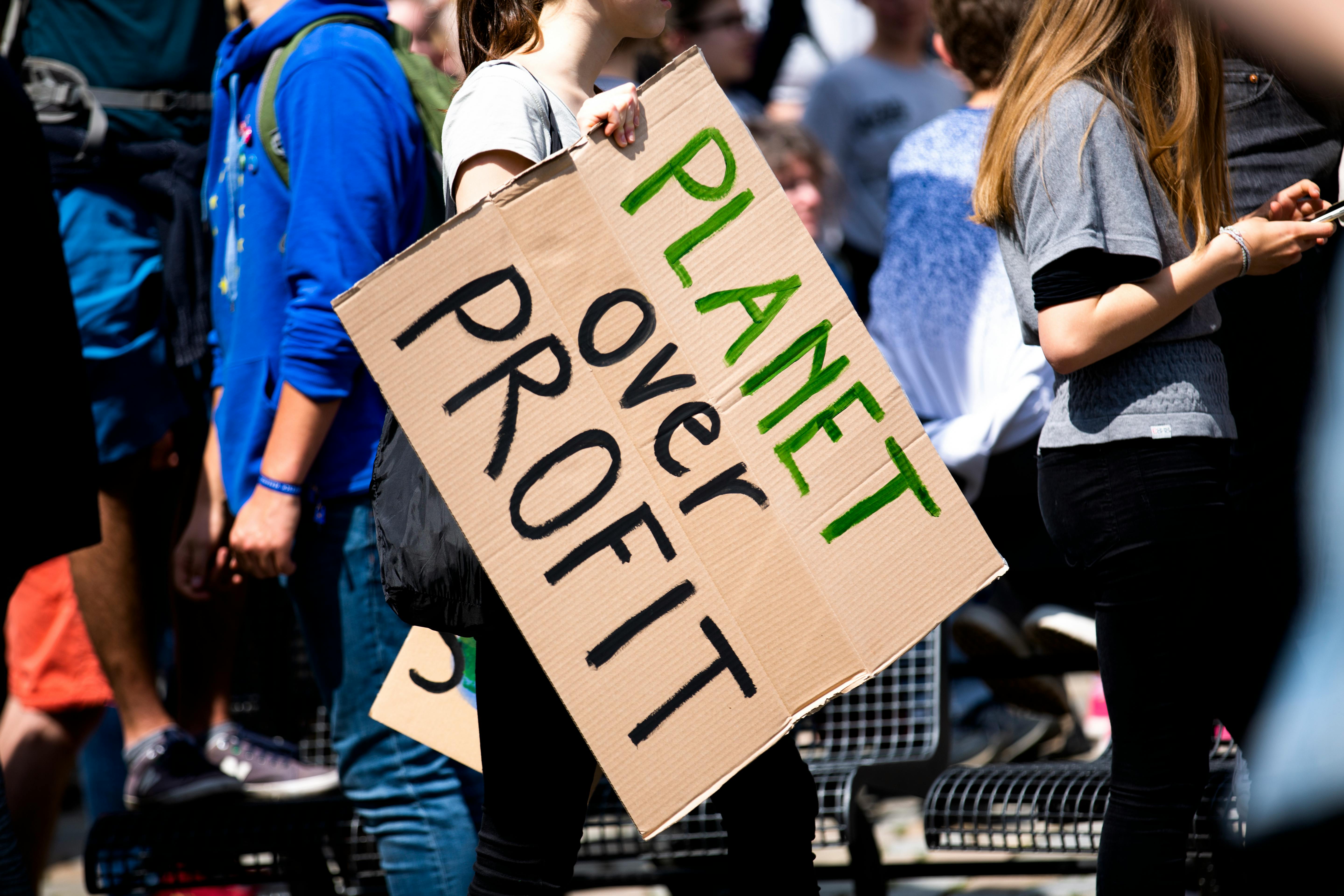
An Indigenous land defender, Efraín Fueres, was killed during protests in Ecuador, a stark example of a grim global trend: on average, three environmental defenders are killed or disappear each week. The unrest erupted after the government scrapped a diesel subsidy and imposed a sweeping state of emergency, with reports of troops in communities and communications blackouts. President Daniel Noboa has also moved toward rewriting the constitution, a step critics say could weaken protections for nature and Indigenous peoples. The case highlights how conflicts over land, mining and austerity collide with human rights. See reporting by Inside Climate News, corroborating updates from AP News, and global context from Global Witness.
Forest carbon credits promise to fund healthier, more resilient forests while offsetting emissions—but many programs still fall short. In a new interview, Clean Air Task Force scientist Rebecca Sanders-DeMott explains why today’s protocols often overstate climate benefits and what to do instead. She highlights four pillars that determine credit quality: durability, additionality, leakage, and long-term monitoring and verification. The proposed fixes include using up-to-date risk maps, revisiting baselines regularly or measuring them with comparison forests, tailoring leakage assumptions to local markets, and tightening monitoring as new tools emerge. Some registries and state programs are already moving, and buyers are demanding higher-quality credits, according to Yale Climate Connections.
A new analysis of chemical “tree rings” in long-lived clams points to mounting instability in a key North Atlantic current that helps regulate global climate. The study finds that freshwater influx has been disrupting the subpolar gyre since the 1950s, weakening the circulation that ferries heat northward and shapes weather across Europe and beyond. Researchers say the signal adds to mounting evidence that multiple Earth systems are edging toward dangerous tipping points. Coverage of the findings is available at Inside Climate News, while the peer-reviewed paper appears in Science Advances. A related review of destabilization signals across several tipping elements was published in Nature Geoscience.
A new analysis from Imperial College London’s Climate Damage Tracker, reported by Yale Climate Connections, finds that human-driven warming measurably intensified Super Typhoon Ragasa. At landfall near Yangjiang, Guangdong, on September 24, climate change increased the storm’s winds by about 7% and its rainfall by 12%, together lifting the overall damage by an estimated 36%. The storm killed at least 29 people and caused losses in the hundreds of millions of dollars, according to insurance broker Aon. The study also shows such intense winds are now 49% more likely than in a cooler, preindustrial climate, shortening their expected return period from roughly 33 to 17 years. Heavy rains that once occurred every 8.8 years are now expected about every 6.7 years.
Spain and Portugal’s catastrophic 2025 wildfire season unfolded under heat and drought that scientists say were supercharged by human-driven warming. A new rapid attribution analysis finds the hot, dry, windy “fire weather” fueling the blazes is about 40 times more likely today and roughly 30% more intense than in a cooler, preindustrial climate. As fires swept Galicia, Asturias and northern Portugal, officials and media reported massive fatalities, including firefighters and residents, underscoring how climate-amplified extremes translate into deadly outcomes. Spain also recorded its hottest summer on record, compounding risks for responders and communities, according to the state weather agency AEMET.
China has signaled its first-ever absolute emissions cuts, pledging to reduce greenhouse gases 7–10% from peak levels by 2035 and to expand wind and solar sixfold from 2020, lifting non-fossil energy above 30% of consumption. In a video address to a UN climate summit, President Xi Jinping urged the world to stay the course despite “some countries” moving backward — a thinly veiled jab at Washington’s renewed climate skepticism. Environmental groups welcomed the direction but said the numbers still undershoot what’s needed for 1.5°C. Other major players outlined their own targets: Brazil aims for a 59–67% cut by 2035, Australia for 62–70% below 2005 levels, and Palau for 44% below 2015 levels. The EU, meanwhile, is still finalizing a 2035 goal after committing to –55% by 2030.
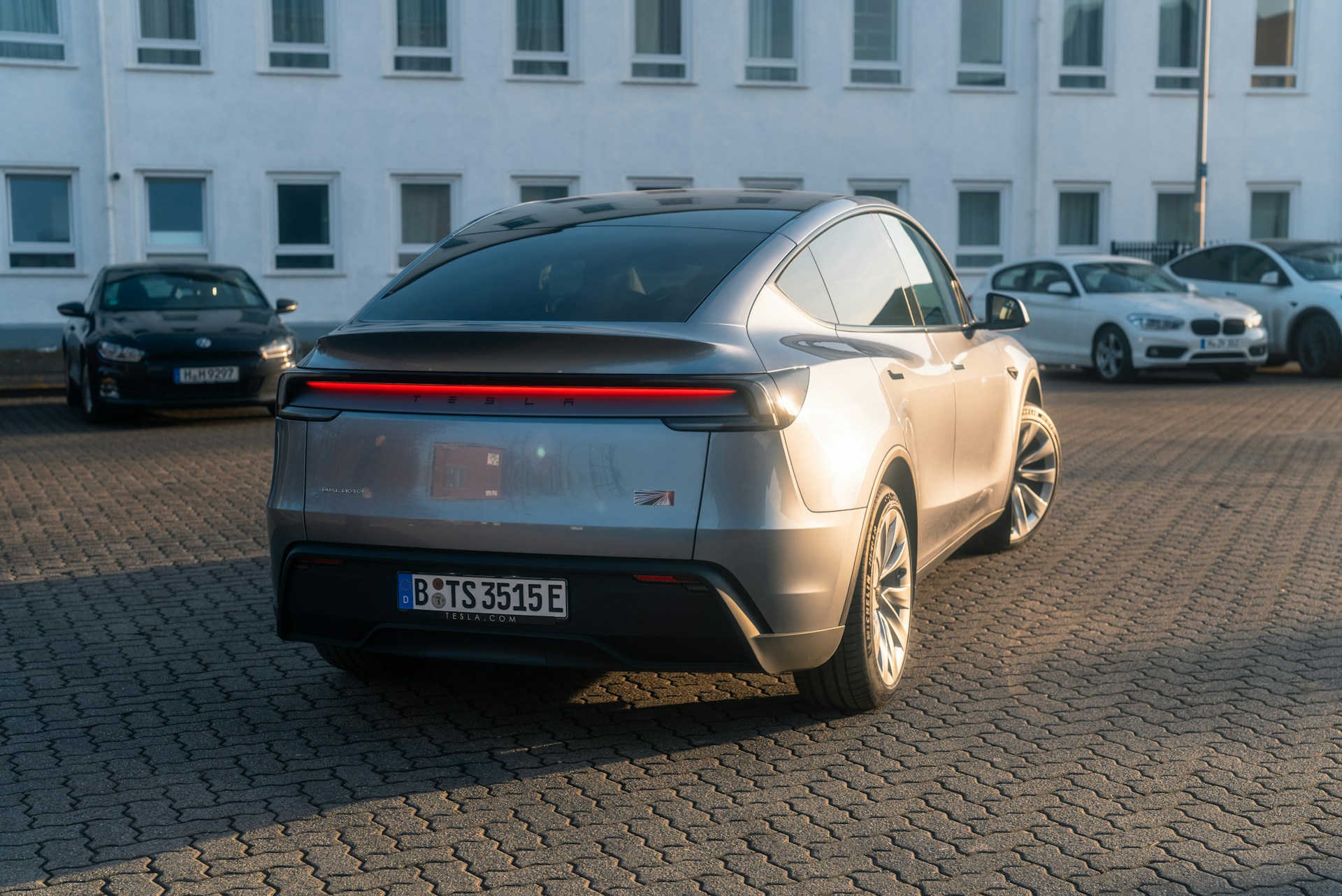
A new report suggests Tesla is preparing a cheaper Model Y variant, codenamed “E41,” after firmware references surfaced online. The leak, amplified by well-known hacker Greentheonly, points to cost-cutting changes such as a metal roof instead of glass, fewer convenience features, and simpler interior hardware, with both RWD and AWD options still expected. If accurate, a lower entry price for the world’s best-selling car of 2023 could speed up the shift from gasoline to electric and meaningfully cut transport emissions. Independent research shows battery-electric cars already have far lower life-cycle emissions than gasoline vehicles, so broadening access could deliver sizable climate gains. The usual caveat applies: firmware clues aren’t final specs.
A new Planetary Health Check 2025 assessment warns that Earth has breached seven of nine planetary boundaries that keep the planet stable and liveable. Ocean acidification has officially moved outside the safe range for the first time, joining earlier transgressions in climate, biodiversity, land use, freshwater, nutrient pollution and novel chemicals. The report highlights record-high CO₂ concentrations, accelerating warming, shrinking and degraded forests, and growing disruptions to rivers and soils, while noting two bright spots: a recovering ozone layer and declining aerosol pollution. The authors warn that rising pressures increase the risk of tipping points but emphasize that targeted action can still steer the system toward safety.