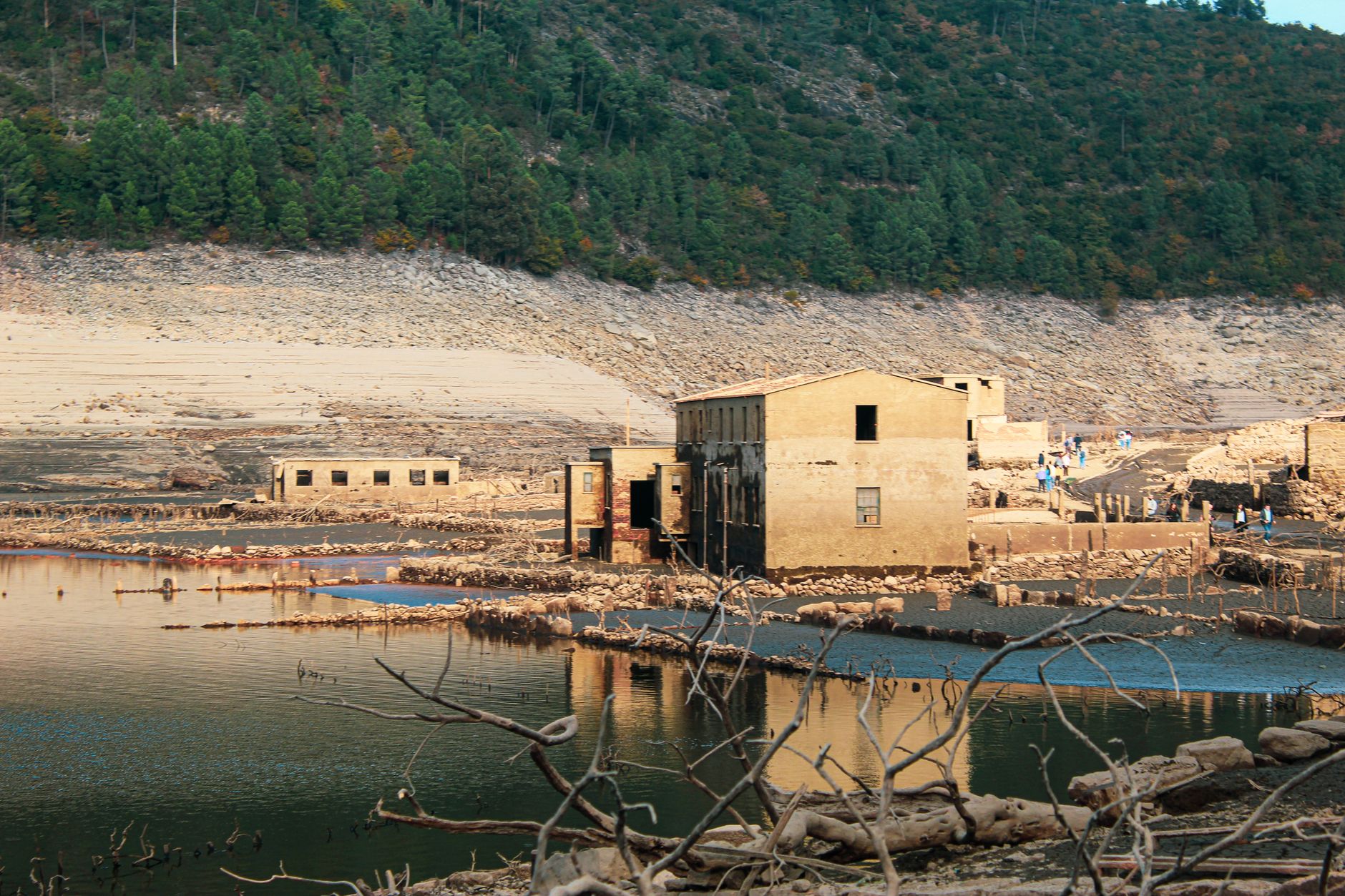
Puerto Rico's metropolitan residents are facing daily water rationing, waiting hours for water trucks as a severe drought grips the archipelago. The Governor declared a state of emergency in late July due to critically low water levels in key dams. This isn't solely a problem of insufficient rainfall; rather, a complex combination of rising temperatures, neglected infrastructure, and outdated management practices has plunged the island into one of its most severe water crises in years. The urgency of addressing these underlying issues, especially in the face of a changing climate, is becoming increasingly clear for the island's future.
Corpus Christi voters will decide this November on a new measure to increase water prices for large industrial users during droughts. This public referendum, known as the Fair Water Amendment, follows years of escalating tensions between residents and major companies like ExxonMobil and Valero over water consumption. Activist groups successfully gathered nearly 13,000 signatures to get the proposal on the ballot, highlighting community frustration and the urgent need for sustainable water management in drought-prone regions. The outcome could significantly impact how valuable water resources are protected and priced.
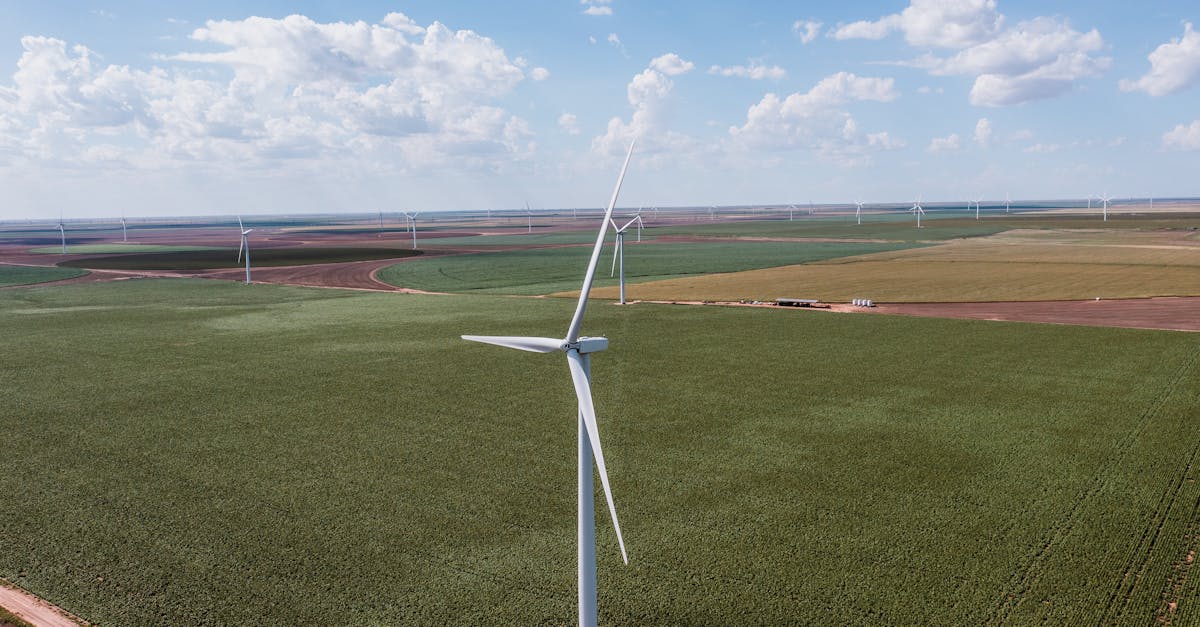
Tesla is considering a massive $10.1 billion solar cell manufacturing plant in Fort Bend County, Texas, signaling a major push into domestic clean energy production. This ambitious project, internally named "Project Crystal Sun," promises to create nearly 10,000 permanent jobs. It aims to build a fully integrated solar cell production facility, significantly boosting the supply of sustainable energy solutions. However, the plan hinges on securing a critical property tax incentive, with Tesla weighing other state options.
Nvidia is making a significant move, planning to invest up to $3 billion in Lancium, a Texas-based company focused on power infrastructure for AI data centers. This massive investment highlights a crucial shift: the race for artificial intelligence is no longer just about powerful chips, but also about securing reliable and substantial electricity to run these energy-intensive systems. As AI's energy footprint grows, ensuring sustainable power sources becomes vital for the future of technology and our planet. This investment aims to tackle the challenge of providing the vast amounts of electricity needed for the next generation of AI.
A recent wildfire in Southern California sparked urgent concerns about potential radioactive contamination spreading from the Santa Susana Field Laboratory (SSFL), site of one of the U.S.'s worst nuclear meltdowns. Internal emails reveal state officials scrambled to get proper real-time radiation and air monitoring, facing delays. This incident highlights the growing risks from climate-fueled wildfires approaching hazardous sites and underscores the critical need for timely environmental safeguards and complete cleanup of such locations to protect communities.
SpaceX has made enormous investments in artificial intelligence infrastructure, pouring billions into advanced computing. However, this bold move is quickly turning profitable. Argus Research recently upgraded SpaceX shares, noting the company's fast payback on its new deployments by leasing excess capacity and leveraging its own AI applications. This rapid monetization strategy highlights a strong financial outlook for the company, as reported by Argus Research.
Sila Nanotechnologies has secured a conditional loan commitment of up to $1.4 billion from the U.S. Department of Defense to significantly expand its domestic battery production. This massive investment aims to build a U.S.-based alternative to the current dominant global battery supply chain, crucial for electric vehicles and national security alike. By focusing on advanced silicon-carbon anodes, Sila's technology promises to make batteries more powerful and efficient, accelerating the transition to a cleaner, electrified future while strengthening U.S. energy independence.
SpaceX has made a substantial $16 billion investment in advanced AI infrastructure, a bold move that Wall Street firm Argus Research believes will lead to significant financial success. Following strong earnings, Argus upgraded SpaceX shares, anticipating rapid returns from this strategic decision. The company is quickly monetizing its powerful GPU compute capacity, a critical resource in high demand across the artificial intelligence industry. This aggressive play positions SpaceX to become a major player not just in space, but also in the burgeoning AI sector.
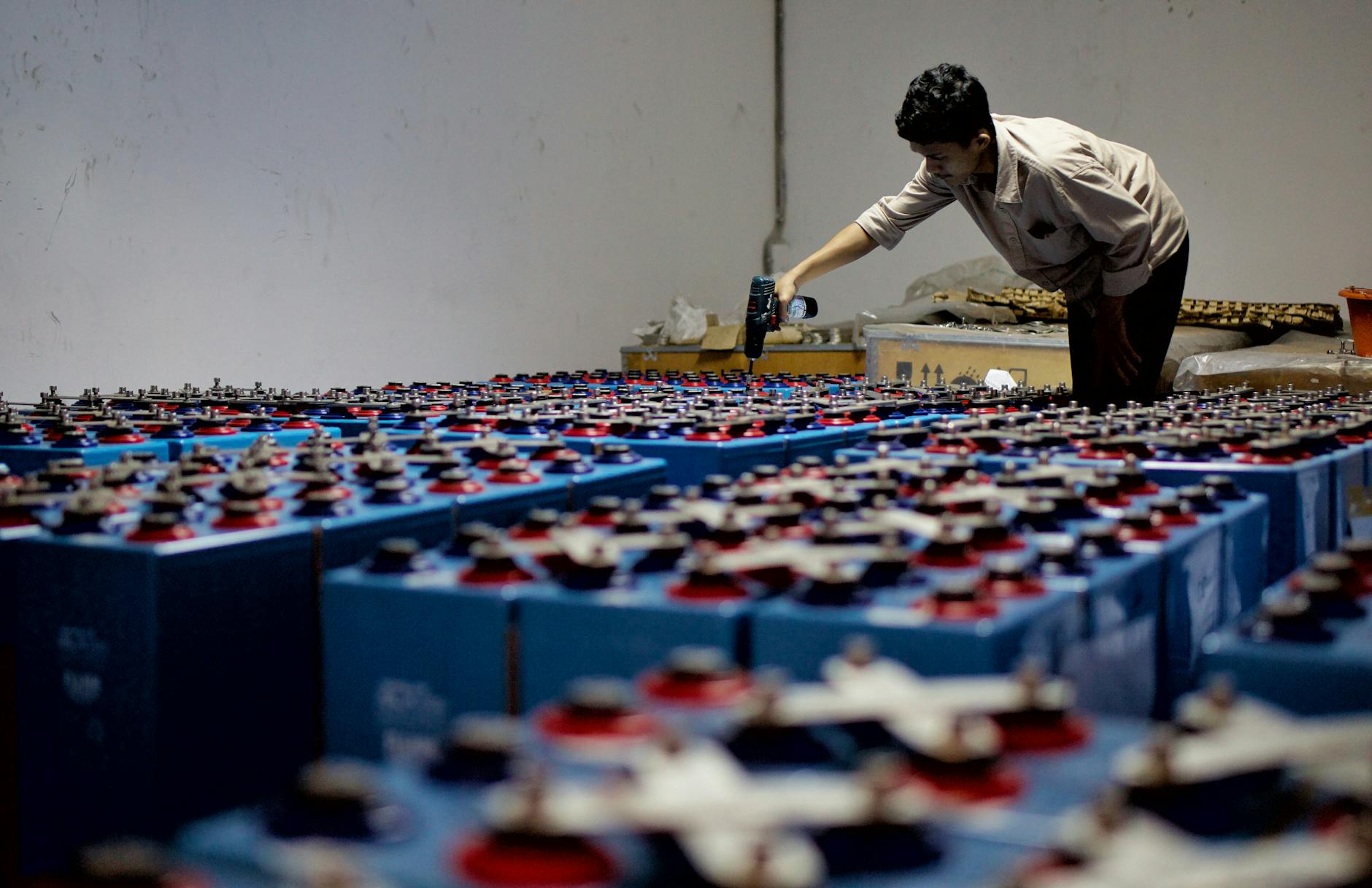
Large-scale battery storage is quickly becoming a cornerstone of the clean energy revolution. These systems are crucial for making renewable sources like solar and wind power reliable, ensuring electricity is available even when nature isn't cooperating. Leading the charge, Danish company Ørsted has launched its 250-megawatt Old 300 battery system in Needville, Texas. This major step forward, powered by Tesla Megapacks, significantly boosts the state's power grid while expanding cleaner energy options.
In a remarkable feat of global conservation, four zebra shark eggs recently completed an extraordinary journey from the U.S. to Indonesia. These precious 'mermaid's purses' are part of a pioneering international effort to rewild zebra sharks, a species driven to the brink of functional extinction by decades of overfishing. This ambitious project, involving aquariums and local communities, offers a beacon of hope for marine ecosystems and highlights the power of collective action in protecting our planet's endangered creatures.
As climate change drives more intense heat waves, millions of Americans in affordable housing face a dire predicament: choosing between essentials like food and the vital cooling needed to stay safe. A recent report by the Union of Concerned Scientists highlights this growing crisis, revealing that nearly half of affordable housing units are in areas frequently hit by extreme heat alerts. Many of these homes lack efficient cooling, and residents often can't afford the electricity bills. This escalating challenge underscores the urgent need for integrated solutions to protect our most vulnerable communities from rising temperatures.
California’s toxic substances agency has finally ordered the cleanup of a heavily contaminated site in South Los Angeles, nearly four decades after its chemical operations ceased. This former industrial facility, located perilously close to homes and a beloved public park, is now deemed a major source of pollution. Residents have long reported unsettling chemical odors, fueling serious concerns about the health risks from substances like the carcinogen perchloroethylene (PCE). This crucial action underscores the environmental urgency to tackle old industrial legacies that threaten community health and natural spaces.