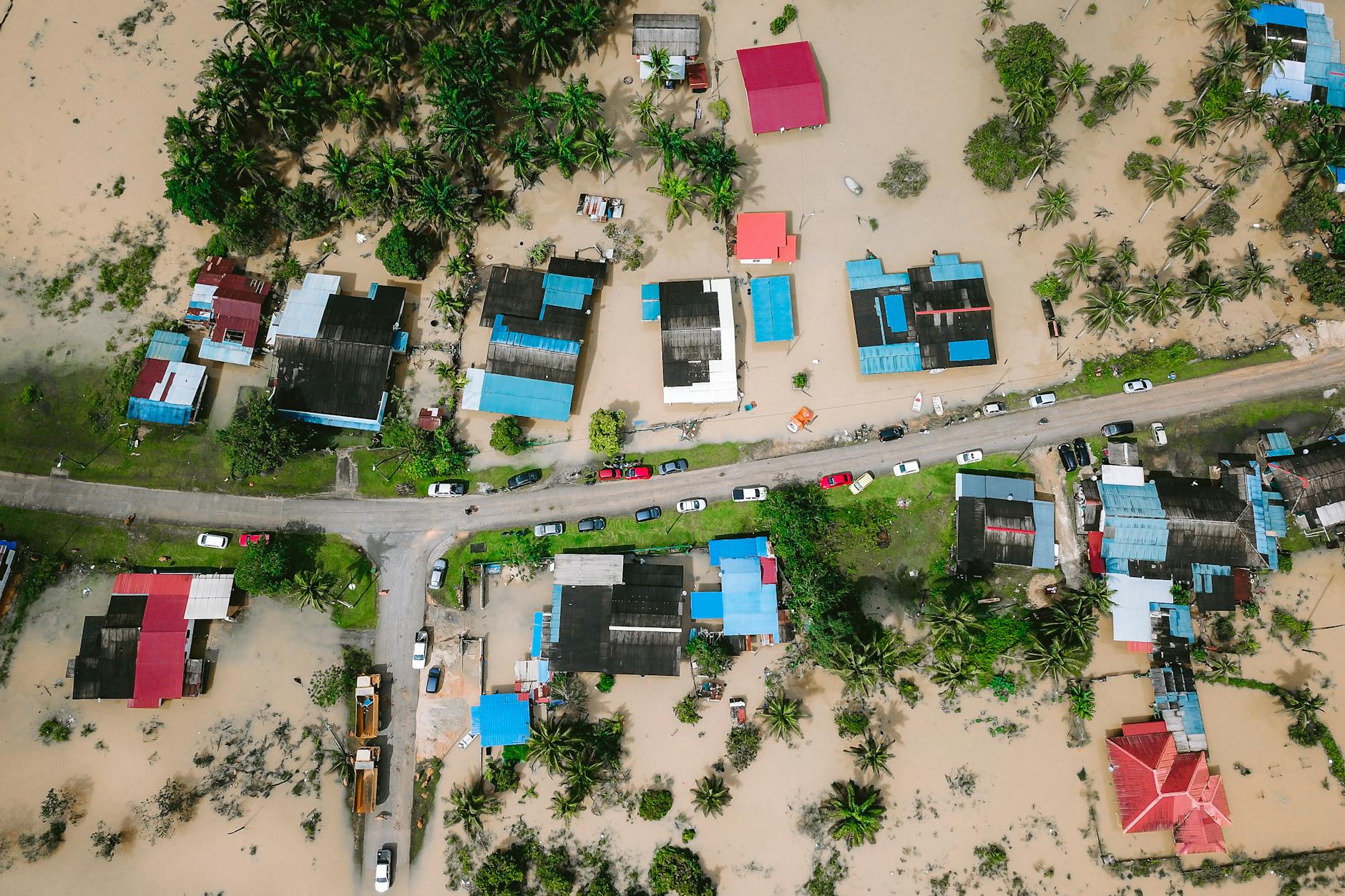
As climate change drives more intense heat waves, millions of Americans in affordable housing face a dire predicament: choosing between essentials like food and the vital cooling needed to stay safe. A recent report by the Union of Concerned Scientists highlights this growing crisis, revealing that nearly half of affordable housing units are in areas frequently hit by extreme heat alerts. Many of these homes lack efficient cooling, and residents often can't afford the electricity bills. This escalating challenge underscores the urgent need for integrated solutions to protect our most vulnerable communities from rising temperatures.
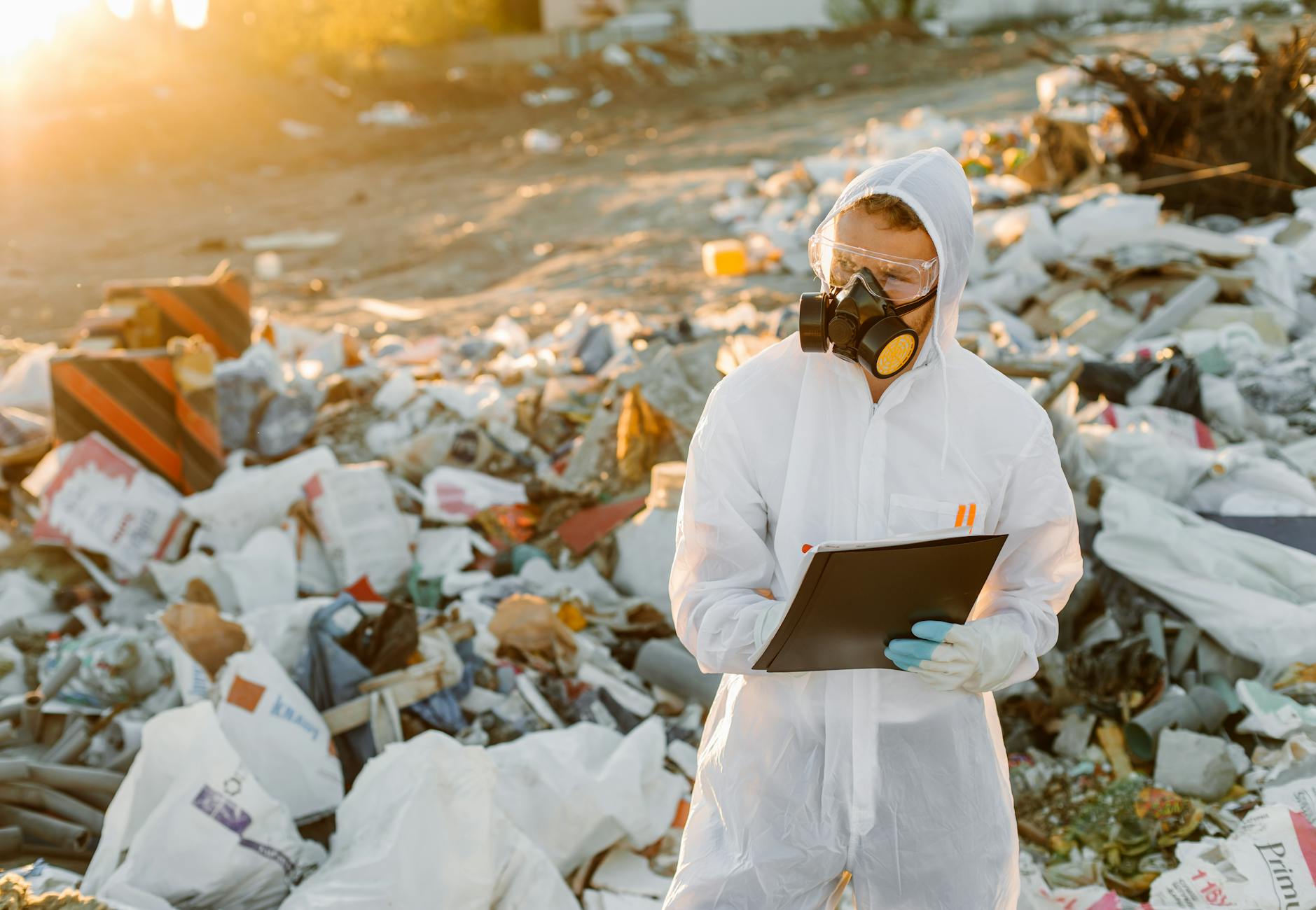
California’s toxic substances agency has finally ordered the cleanup of a heavily contaminated site in South Los Angeles, nearly four decades after its chemical operations ceased. This former industrial facility, located perilously close to homes and a beloved public park, is now deemed a major source of pollution. Residents have long reported unsettling chemical odors, fueling serious concerns about the health risks from substances like the carcinogen perchloroethylene (PCE). This crucial action underscores the environmental urgency to tackle old industrial legacies that threaten community health and natural spaces.
France's critical nuclear power infrastructure is facing an unusual adversary: massive jellyfish swarms. These marine visitors have forced Electricite de France (EDF) to shut down three units and reduce output at a fourth at its Gravelines plant, taking a significant 3.2 gigawatts of power offline. This disruption comes as intense heatwaves scorch Europe, boosting demand while unusually warm coastal waters, linked to rising global temperatures, fuel these jellyfish blooms. The swarms clog vital cooling systems, posing a serious challenge to energy supply. This event highlights how climate change impacts even major power sources, underscoring the urgency of sustainable solutions.
As climate change intensifies, extreme weather events like heat waves and storms are becoming more common, forcing many to stay indoors for safety. However, this necessary isolation brings an often-overlooked public health risk: loneliness. Research reveals that this growing social problem, worsened by global warming, can severely impact mental and physical well-being. Alarmingly, data shows that isolated individuals are more vulnerable and have a higher mortality risk during climate disasters, highlighting an urgent need for stronger community connections to build resilience.
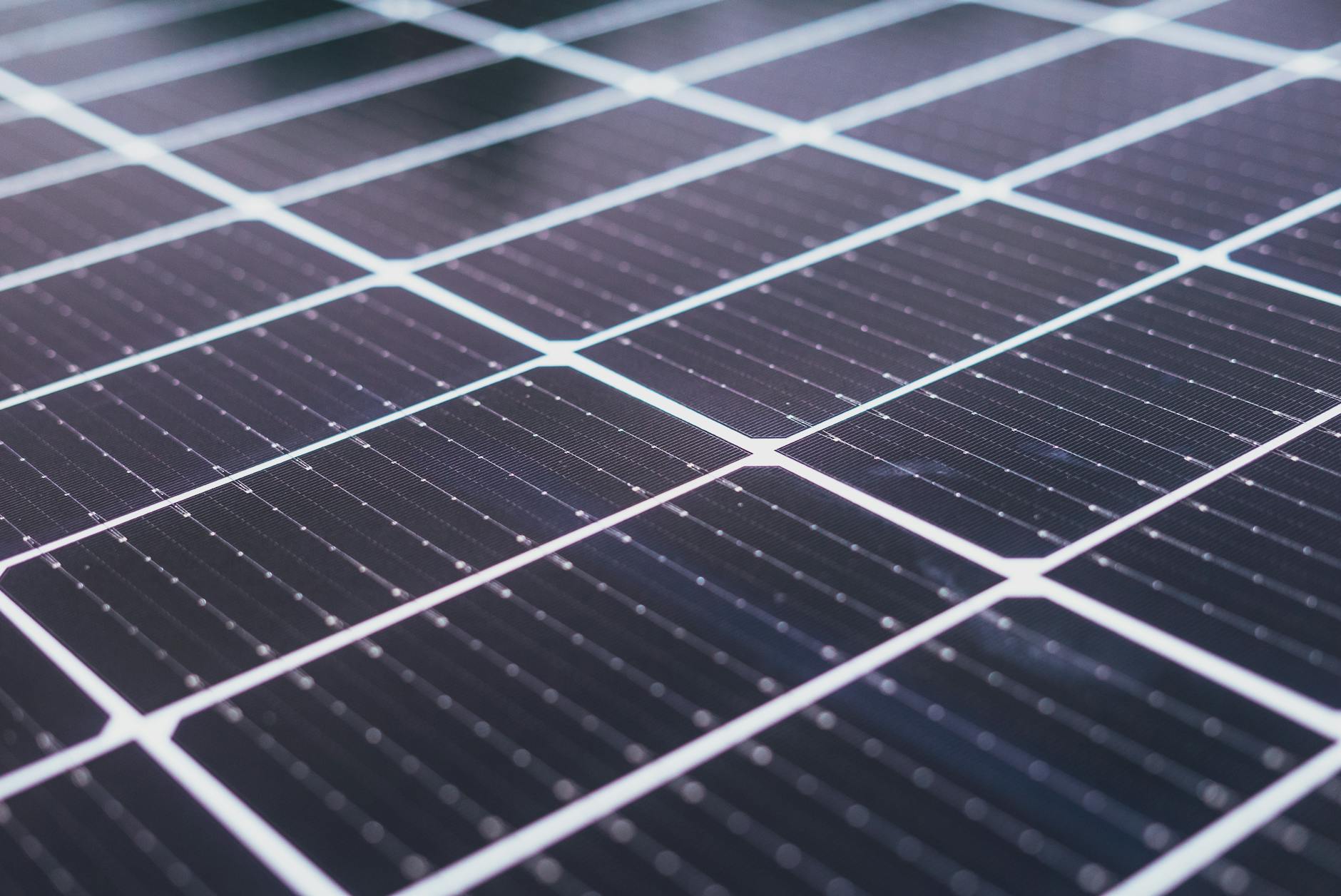
Tesla has filed plans for a massive $10.1 billion solar cell manufacturing plant in Fort Bend County, Texas, internally dubbed "Project Crystal Sun." This ambitious project aims to integrate the entire solar cell production process, from raw materials to finished products, across 3,000 acres. If built, it promises nearly 10,000 permanent jobs and represents a significant step towards boosting domestic clean energy capacity. Such an investment highlights the critical push for sustainable solutions and accelerates the transition away from fossil fuels, reinforcing the urgency of global warming action by expanding access to clean, renewable power.
California is taking a significant step to protect public health and the environment by phasing out paraquat, a potent weedkiller. Manufacturers have voluntarily agreed to withdraw the product, which has been linked to serious health problems like birth defects, thyroid issues, and even Parkinson's disease. This move aligns California with over 60 countries that have already banned the toxic chemical, underscoring a growing global commitment to safer, more sustainable agricultural practices. It's a clear signal that protecting our health and ecosystems is a top priority.
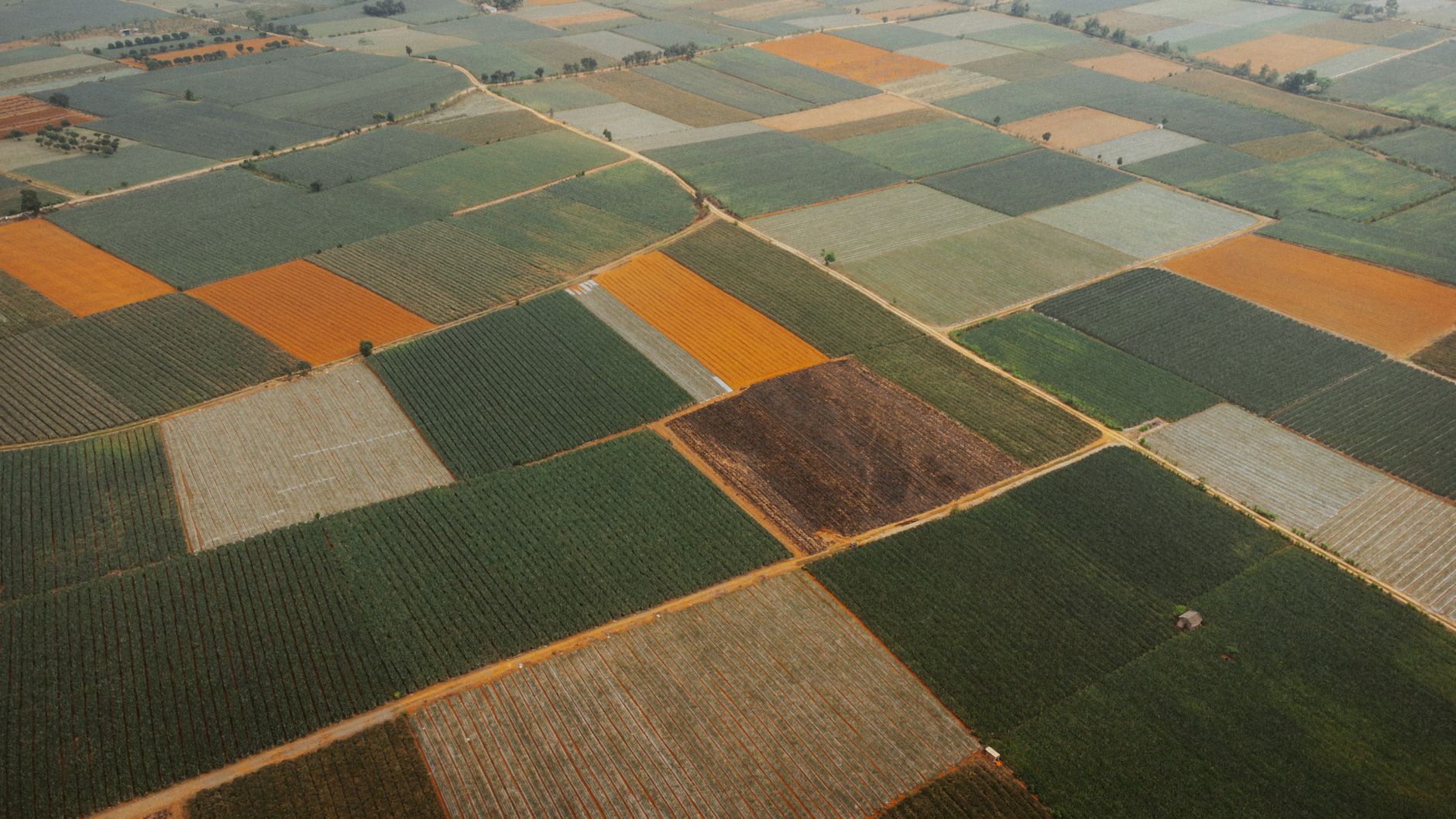
Regenerative agriculture, a farming method focused on improving soil health and biodiversity, is rapidly gaining traction in grocery stores. Products from tea to snacks now proudly bear the 'regenerative' label, reflecting a growing consumer demand for more sustainable food options. This approach aims to reduce pesticide use and enhance ecosystems, offering a promising path toward environmental healing. However, the surge in popularity also brings questions about what truly qualifies as regenerative, highlighting the urgent need for clear standards to prevent consumer confusion and ensure genuine environmental impact.
Virginia's highly competitive second congressional district is at a crossroads, with incumbent Republican Jen Kiggans facing off against former U.S. Rep. Elaine Luria. This coastal region, encompassing Virginia Beach and Hampton Roads, is acutely vulnerable to climate change, experiencing frequent blue-sky flooding and land subsidence. The election is set to be a crucial referendum on how to address these environmental challenges, with voters keenly focused on issues like offshore wind energy, coastal protection, and the economic impacts of a changing climate.
A Massachusetts lab is pioneering a groundbreaking solution to plastic pollution: bioplastics made from fermented sugar. These innovative materials are designed to break down naturally, unlike traditional fossil-fuel plastics that persist for centuries, shedding harmful microplastics into our environment. This development offers a promising path toward sustainable alternatives, emphasizing the critical need for environmental action as microplastics increasingly contaminate our food, water, and even our bodies. With growing concern over global warming and widespread pollution, these compostable options highlight a significant step toward a cleaner, healthier future.
The market for lithium, a critical mineral for electric vehicle batteries and renewable energy storage, is experiencing a strong recovery. Despite recent price fluctuations, lithium remains significantly higher than a year ago. This resurgence is evident in the latest earnings report from a major producer, Albemarle, whose profits have dramatically increased. Experts agree that the long-term demand for this essential element, crucial for accelerating the global shift to clean energy, continues to look robust thanks to the growing adoption of electric vehicles and battery storage solutions.
A U.S. Senate committee recently approved a complex land swap involving coal resources in Montana, a move poised to benefit Signal Peak Energy, a company known for exporting coal. While proponents argue the bill offers significant economic benefits for the Crow Tribe, critics — including environmental groups and some senators — express serious concerns. They fear the legislation is designed to bypass crucial environmental reviews and legal challenges, potentially exacerbating climate change and local ecological damage. This decision highlights the ongoing tension between short-term economic gains from fossil fuels and the urgent need for environmental protection.
Elon Musk, CEO of SpaceX, foresees a future where every car on the road relies on satellite internet from Starlink. He argues that ground-based networks like fiber and cellular towers simply won't be able to handle the immense data traffic expected from autonomous AI agents. This bold prediction comes as Tesla's upcoming Cybercab is confirmed to integrate a Starlink terminal, with plans to extend this technology across the entire Tesla lineup. Musk believes this shift is crucial for supporting the "insanely fast bandwidth growth" needed by artificial intelligence, fundamentally changing how vehicles connect to the world.