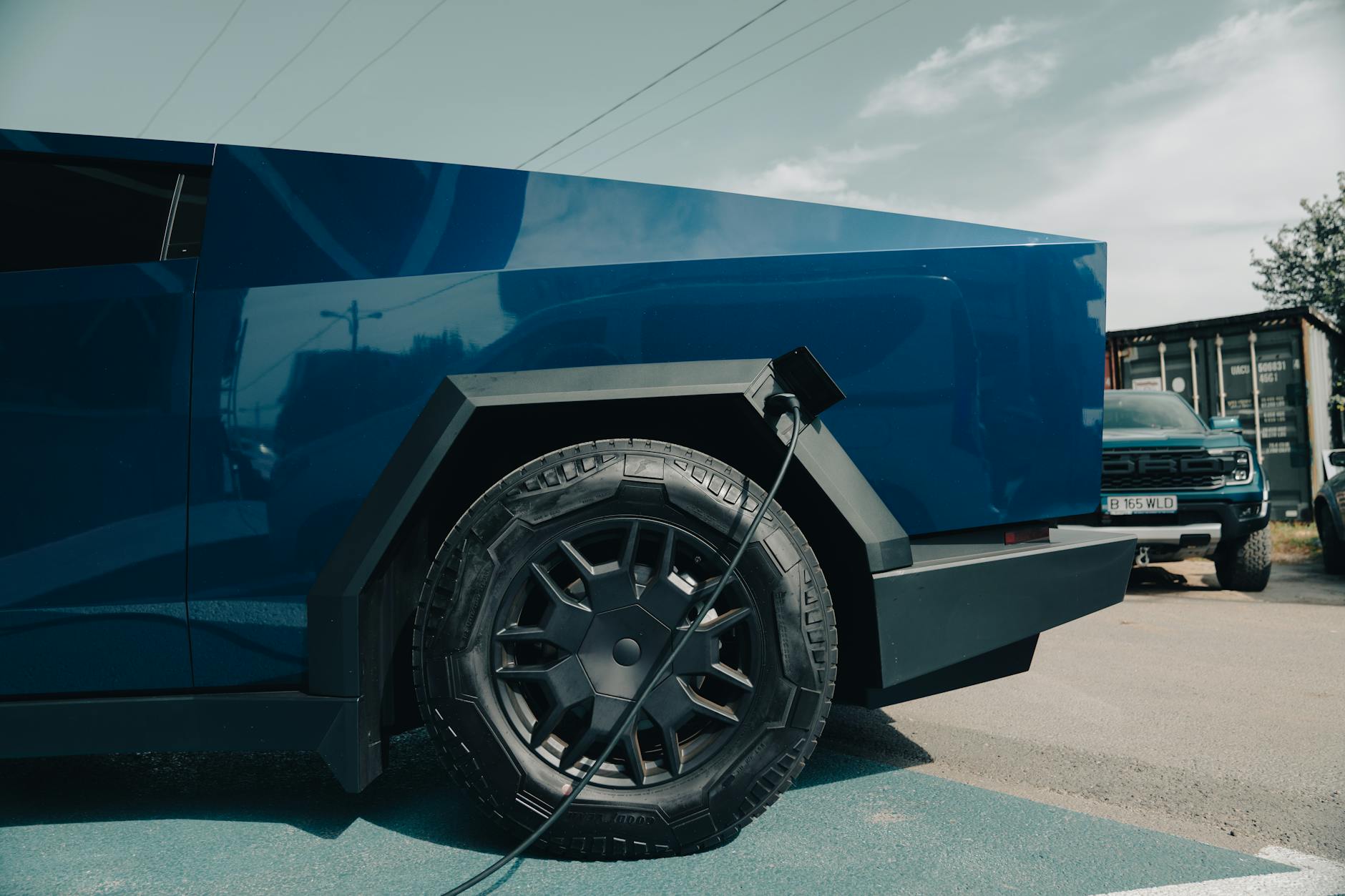
The U.S. trucking industry is making a monumental leap toward a greener future with the largest order of electric Class 8 trucks to date. This ambitious initiative, spearheaded by the ZET SCALE program with support from major companies like Microsoft and PepsiCo, aims to deploy 2,500 battery-electric trucks, potentially doubling the nation's existing heavy-duty electric fleet. This move is crucial for significantly reducing emissions from the transportation sector, a leading source of greenhouse gases, and highlights the urgent shift towards sustainable solutions.
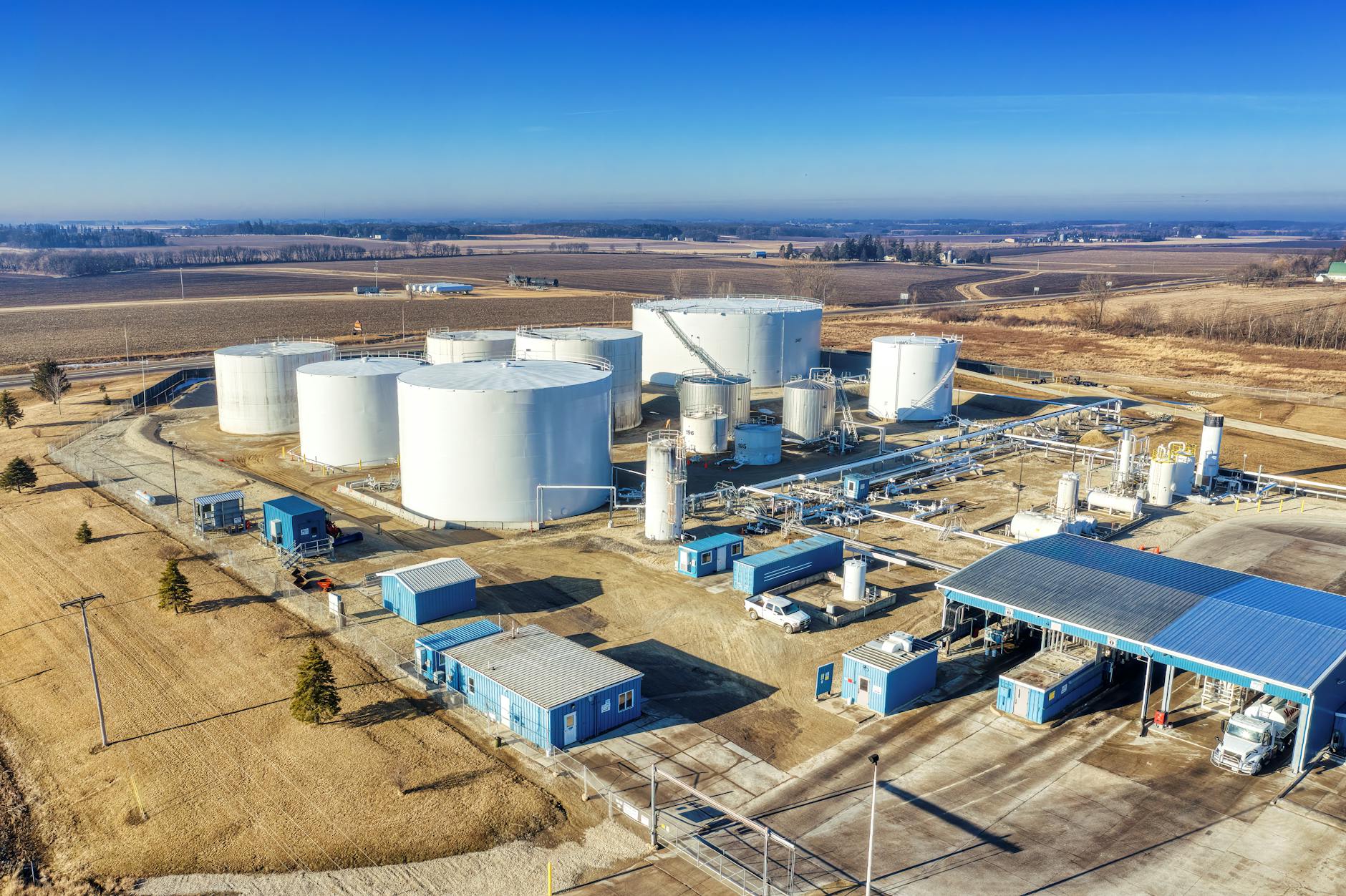
The U.S. Strategic Petroleum Reserve (SPR), a vital government oil stockpile, has dropped to its lowest levels since the 1980s. Frequent drawdowns, spurred by global conflicts and efforts to control high fuel prices, have significantly depleted this critical resource. This situation not only threatens the physical integrity of the storage facilities but also weakens the nation's ability to respond to future energy crises. Addressing this vulnerability requires urgent reevaluation of our energy strategies, pointing toward sustainable solutions.
X, formerly Twitter, has taken legal action against individuals accused of manipulating its creator payment system. The lawsuit targets an alleged network of Bitcoin-focused accounts that faked engagement to claim significant payouts. This move coincides with X’s overhaul of its creator rewards program, shifting focus from sheer engagement to original content. The company aims to protect its platform and ensure fair earnings for genuine creators, highlighting a new era for how online influence is valued.
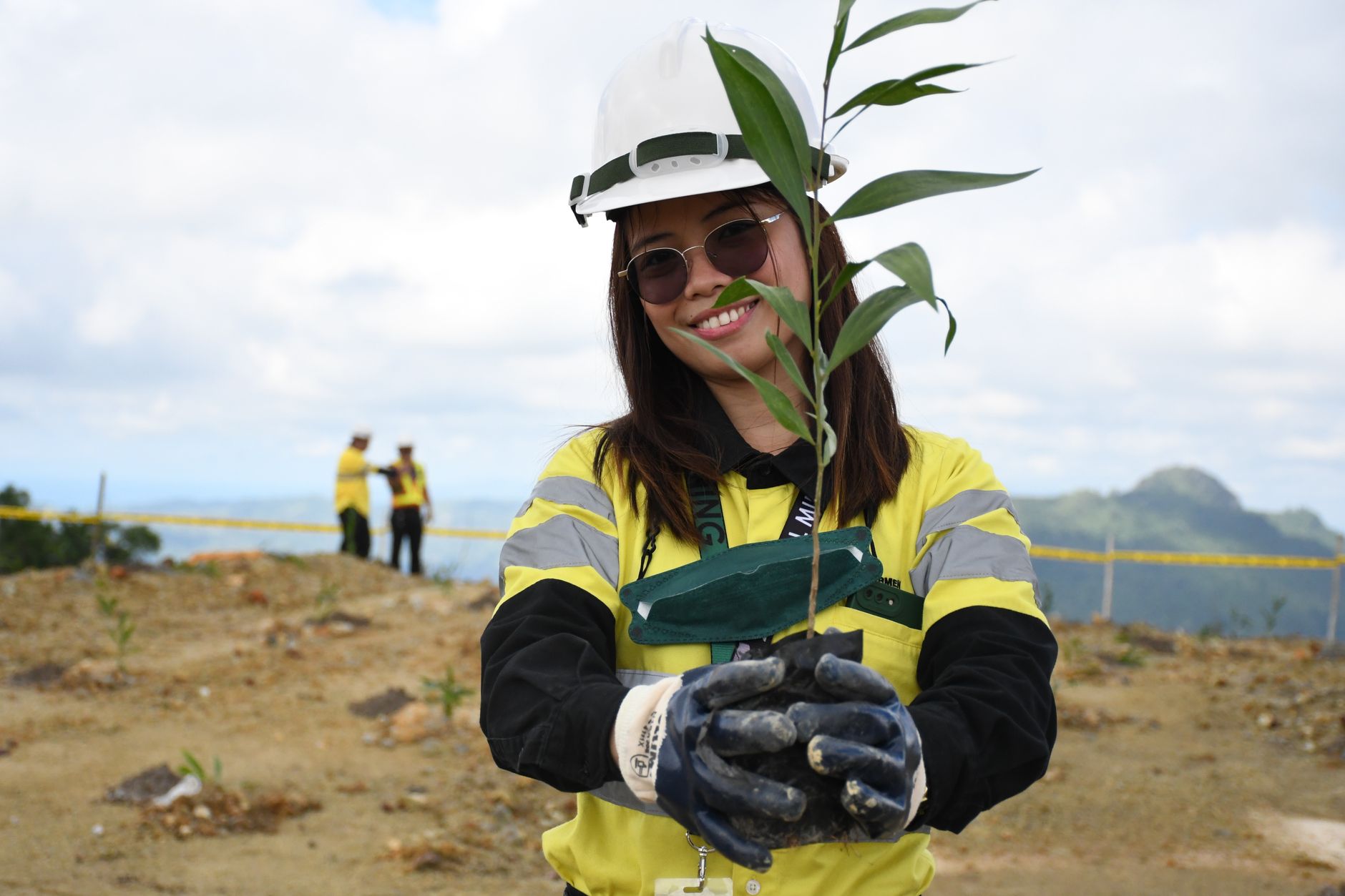
Brazilian company Mombak is accelerating its mission to restore the Amazon rainforest, launching a new $150 million fund. This significant effort is backed by a fresh multi-year agreement with tech giant Salesforce, adding to a growing list of major corporate partners. By reforesting degraded land, Mombak helps remove harmful carbon dioxide from the atmosphere, crucial for combating global warming. This initiative showcases a powerful blend of private investment and nature-based solutions working to protect our planet's vital ecosystems.
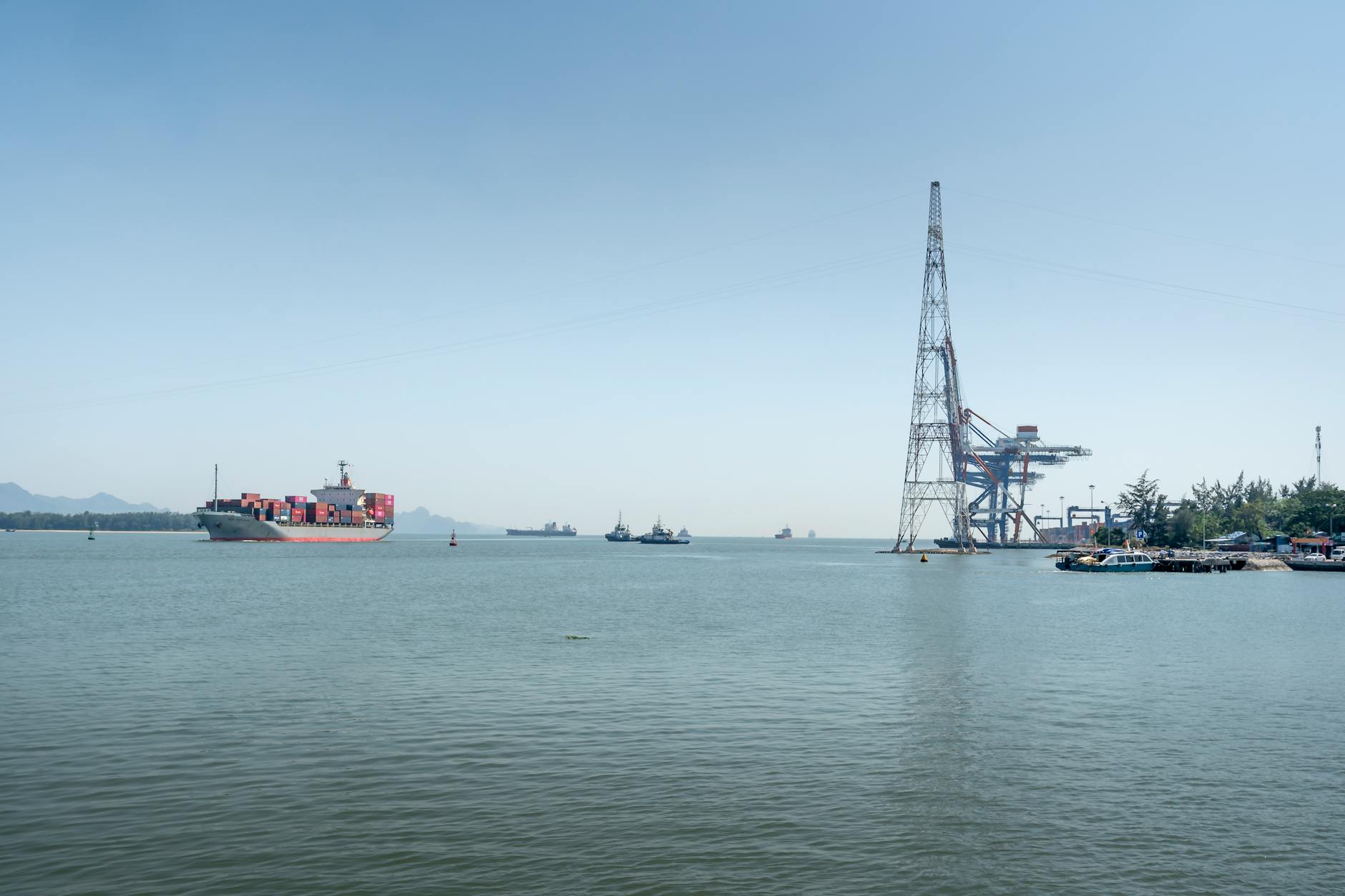
California's efforts to curb air pollution from massive cargo ships in its ports are facing a significant challenge from the U.S. House of Representatives. Recent votes aim to strip the state's authority to mandate cleaner solutions, like requiring ships to use electricity instead of diesel engines while docked. This move threatens to worsen air quality in communities near harbors, which already bear the brunt of smog and harmful emissions. The situation unfolds amidst a legal battle, with a federal judge already questioning the legality of the administration's deregulation attempts.
As extreme weather events become more frequent, a critical gap in disaster preparedness has emerged: many prisons and jails lack proper evacuation procedures. Across states hit by hurricanes like Milton and Harvey, incarcerated individuals have been left in danger, often without a clear plan. Experts confirm there's no nationwide standard, leading to situations where people face flooded cells, power outages, and isolation. This escalating risk, intensified by climate change, underscores the urgent need for comprehensive government plans to ensure no one is left behind during crises.
Valley fever, a serious fungal infection, is increasingly a concern in California's Central Valley, now spreading into urban areas. New research reveals a surprising link between the fungus, rodent burrows in cities, and nearby oil and gas drilling operations. This dangerous disease, which can cause severe respiratory issues and even be fatal, is exacerbated by activities that disturb the soil. Experts warn that human actions play a crucial role in the expanding footprint of this environmental health threat.
NASA's crucial GRACE-Continuity satellite mission, designed to monitor Earth's vital water systems, is navigating significant budget challenges. This next-generation mission tracks everything from melting ice sheets and rising sea levels to depleting aquifers, providing critical data for understanding global warming. Despite using most of its emergency funds due to unforeseen issues like a major wildfire and manufacturing hurdles, the project remains remarkably on track, showcasing resilience in the face of environmental and financial pressures. This mission's data is more critical than ever as our planet faces accelerating climate change impacts.
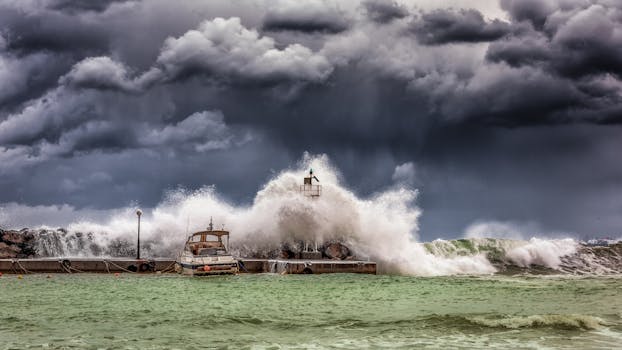
The Pacific Ocean is experiencing an unusually active hurricane season, with multiple powerful storms simultaneously threatening landmasses. Hawaii is facing its third hurricane watch this year, a record, as Tropical Storm Nolo rapidly strengthens and brings predictions of extreme rainfall. Meanwhile, Hurricane Polo, a prolonged major hurricane, is forecast to impact Mexico's Baja California Peninsula with significant force. This surge in activity underscores the urgent need to address climate change, as warmer waters often fuel more intense and frequent weather events, demanding heightened preparedness from vulnerable communities.
X (formerly Twitter) is taking a firm stance against fraudulent engagement, filing a lawsuit in England against individuals accused of faking interactions to profit from its past Creator Revenue Sharing program. The company claims the scheme netted over £207,000, prompting legal action to safeguard its platform and legitimate creators. This move coincides with X's recent overhaul of its creator compensation model, shifting focus from pure engagement to rewarding original content. The platform aims to ensure a fair ecosystem where creativity, not system gaming, is truly valued.
Tesla has rolled out Grok Bot, an advanced AI assistant designed to transform the driving experience. This new feature allows drivers to manage emails, calendars, tasks, and even complex errands using voice commands, keeping their hands on the wheel and eyes on the road. By integrating with personal accounts, Grok Bot helps make your Tesla more than just a car—it becomes a moving office or personal assistant, streamlining your daily life. This innovation highlights a significant leap towards a more intuitive and hands-free interaction with your vehicle.
Corpus Christi is grappling with a massive financial challenge, potentially owing the state of Texas $235 million, plus an additional $72 million in interest, for a seawater desalination plant that was never built. City leaders have recently declined, for the second time in a year, to proceed with the flagship water supply project due to escalating cost concerns and ongoing political division. This contentious situation unfolds amidst a growing regional water shortage, highlighting the urgent need for responsible and sustainable infrastructure development as climate impacts intensify across Texas.