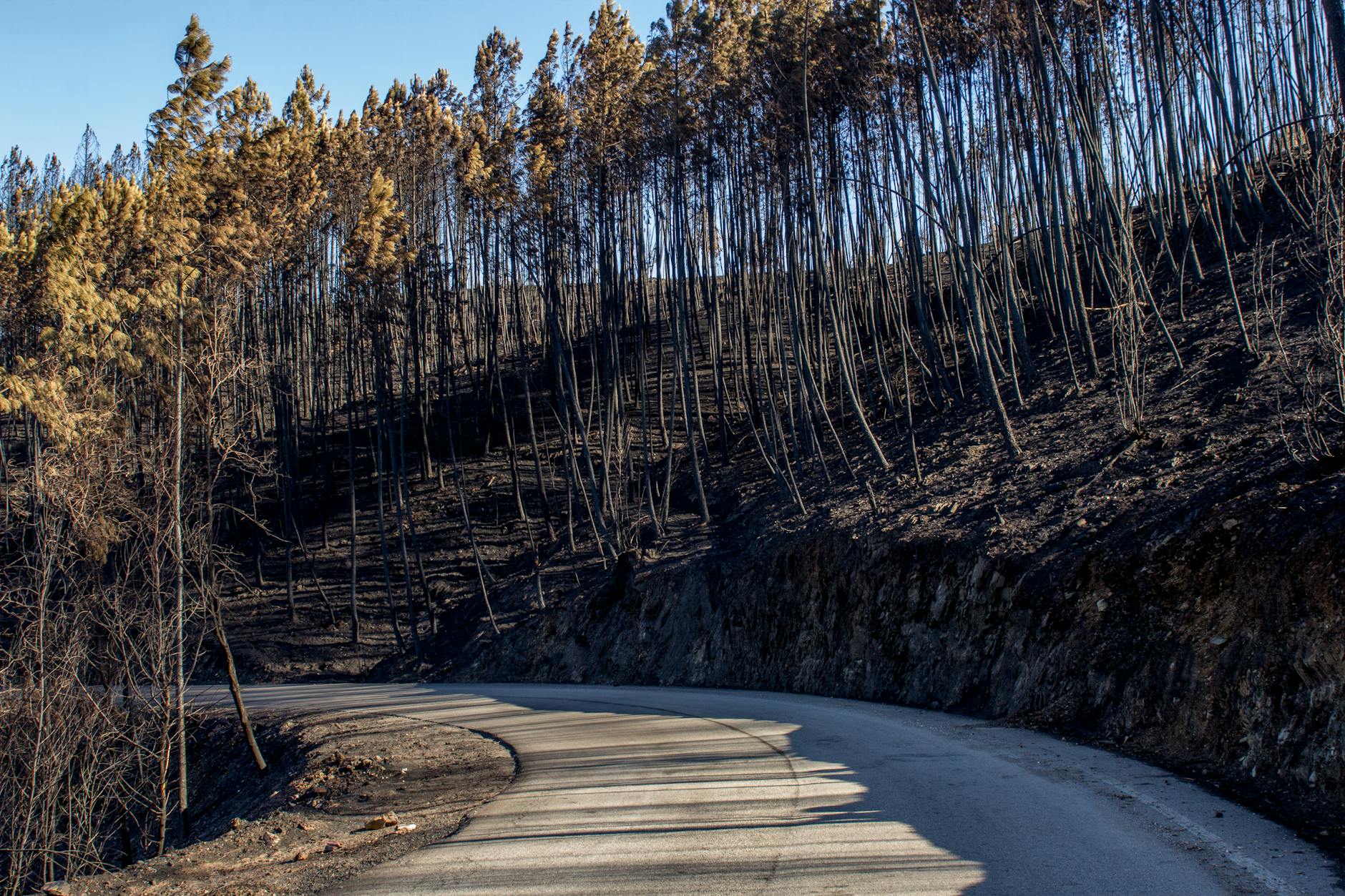
France is currently battling an enormous wildfire in its southwest, a blaze four times the size of Paris, as extreme temperatures threaten to intensify the crisis. The inferno, believed to have started from routine brush-clearing, highlights the severe impact of prolonged drought and record heat across Europe. This escalating situation underscores the urgent need for climate action, as the continent experiences unprecedented warming, turning landscapes into tinderboxes. The fires are a stark reminder of our planet's vulnerability and the critical importance of embracing sustainable solutions.
Tesla has unveiled its highly anticipated Spring 2026 software update, packed with exciting new features designed to enhance the electric vehicle experience. This comprehensive release introduces significant advancements across self-driving capabilities, artificial intelligence, and passenger safety. As electric vehicles continue to pave the way for a sustainable future, these innovations showcase how cutting-edge technology makes journeys cleaner, safer, and more connected. Owners can expect a more intuitive and personalized ride, further highlighting the benefits of electrification.
Verra, the world's leading carbon crediting program, has teamed up with S&P Global Commodity Insights to launch a new, advanced digital registry. This platform is designed to make carbon credit transactions faster, clearer, and easier to manage, addressing the growing demand for trustworthy climate solutions. The upgrade marks a crucial shift in the voluntary carbon market (VCM) towards stronger digital tools, vital for building confidence and accelerating global efforts against climate change. By improving transparency and efficiency, this new system aims to enhance the integrity of carbon markets, enabling more effective environmental action worldwide.
A hidden crisis is unfolding on our screens, as major social media platforms become global marketplaces for the illegal wild animal pet trade. This illicit activity thrives by evading detection with coded language and off-platform deals, making it easy for anyone to buy wild animals. Despite strong public demand for stronger protection, weak enforcement and outdated laws allow this trade to flourish unchecked. This global issue is devastating for wildlife, pushing countless species toward danger and directly contributing to a wider environmental crisis, all fueled by online engagement.
Elon Musk is preparing a major announcement for his ambitious Terafab project, a massive semiconductor manufacturing facility designed to produce critical AI chips for his ventures. This vertically integrated factory will supply the necessary computing power for projects like Tesla's Optimus robot and Full Self-Driving technology. With industry giant Intel joining as a key partner, Terafab is poised to become a central hub for advanced AI development. While the exact location is still under wraps, Musk emphasizes its crucial role in scaling future innovations.
Elon Musk is on the cusp of announcing the location for his ambitious Terafab project, a massive facility designed to supercharge the future of artificial intelligence. This vertically integrated factory will produce specialized AI chips for companies like Tesla and SpaceX, ensuring they have the computing power needed for groundbreaking projects such as Optimus robots and Full Self-Driving technology. Musk emphasizes Terafab's critical role in scaling these innovations, highlighting its importance beyond just another manufacturing plant.
The U.S. Department of Energy (DOE) is investing up to $65.5 million to enhance the nation's oil and natural gas industry. This federal funding aims to boost production, cut waste, and modernize critical energy infrastructure. With the U.S. already the world's leading producer of oil and liquefied natural gas, this move responds to soaring electricity demand, largely from new AI data centers and manufacturing. While supporting current energy needs, these technological upgrades are also designed to reduce environmental impacts by minimizing flaring and leaks.
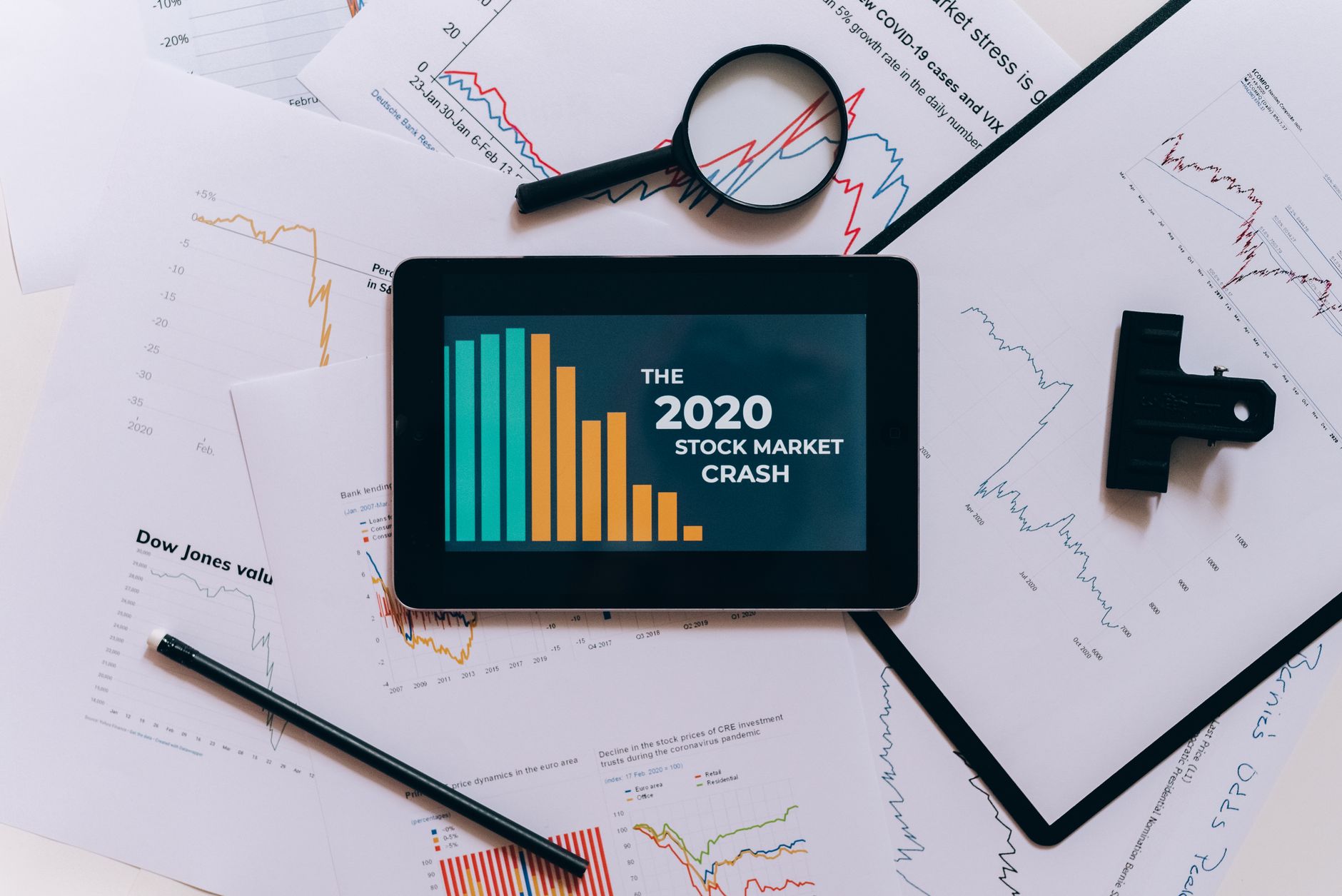
Tesla's stock saw one of its steepest single-day declines recently, shedding over $140 billion in market value. This dramatic drop followed the release of its second-quarter 2026 earnings, which presented a puzzling picture: record revenue and vehicle deliveries alongside a significant plunge in profitability. Despite strong advancements in sustainable transportation and energy solutions, investors reacted to massive investments in future technologies and uncertainties about product timelines. This highlights the high stakes in pioneering the shift to a cleaner, electrified future.
Tesla’s Full Self-Driving (FSD) system, a cornerstone of sustainable transportation, has rolled out version 14.3.6, bringing a mix of advancements and unexpected challenges for users. While FSD continues to revolutionize daily travel for many, this latest iteration shows some regressions in performance, stirring debate among drivers. However, it also hints at exciting new capabilities, like learning individual driver preferences, pushing the boundaries of what electric vehicles can achieve in autonomous mobility. These ongoing developments are crucial for making greener transport solutions more efficient and appealing.
As climate change intensifies droughts, securing enough water for communities is a growing challenge, especially in places like California. A Japanese company, Kubota Corp., is stepping up with an innovative solution: technology that extracts fresh water directly from the air. This groundbreaking approach aims to provide an unlimited, sustainable water source for new housing developments, easing pressure on depleted natural resources. By turning atmospheric moisture into drinking water, this system offers a vital lifeline for regions struggling with severe water scarcity, paving the way for more resilient communities.
Europe is grappling with some of its worst wildfires this summer, as extreme heat fuels massive blazes across Spain and southwestern France. Over 330,000 people have been forced from their homes and holiday sites, facing widespread devastation. Scientists warn that these intense fires are now generating their own dangerous weather systems, making them incredibly difficult to control. This escalating crisis serves as a stark and urgent reminder of the profound impact of a rapidly warming planet.
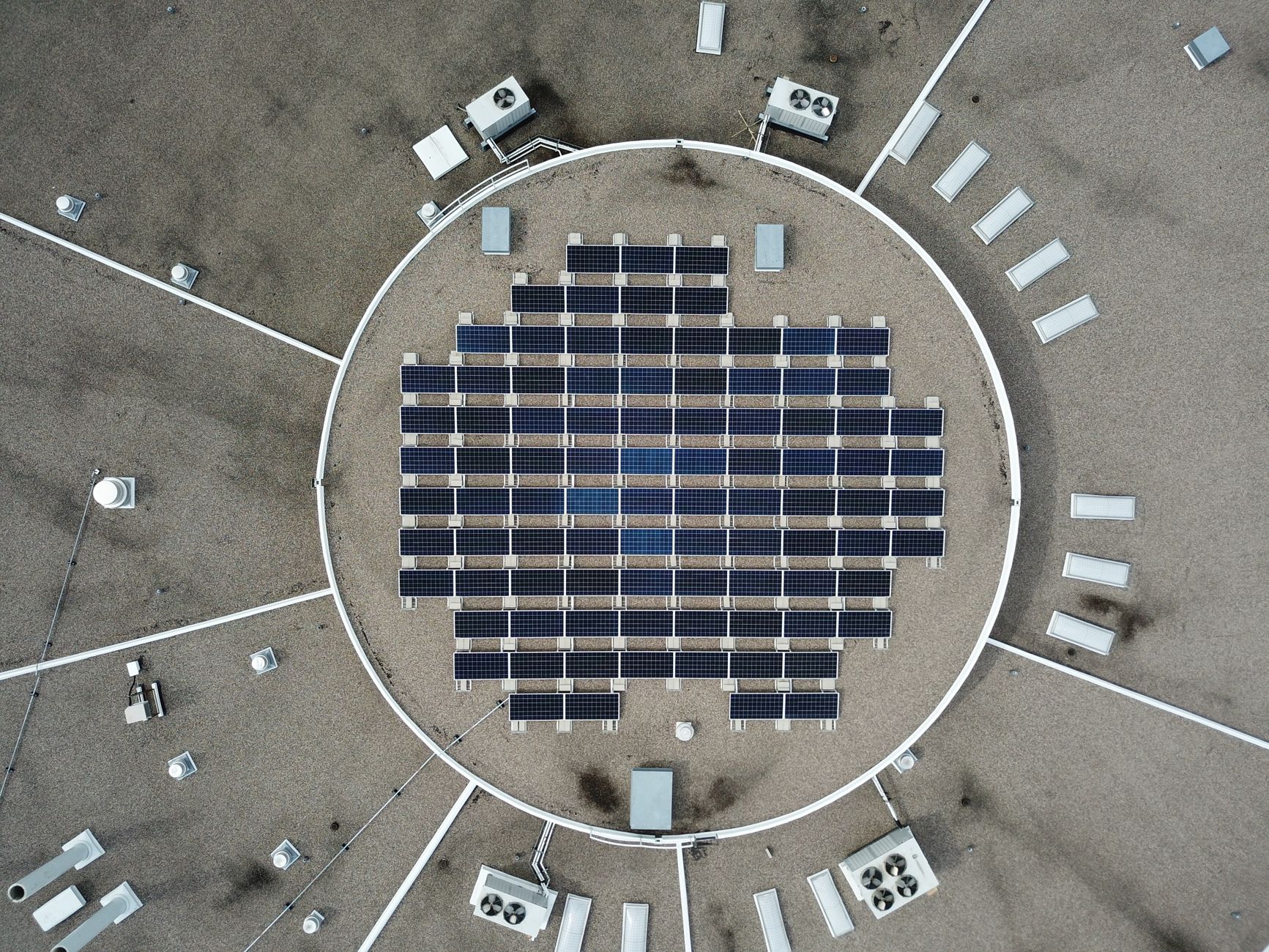
The Menominee Nation in Wisconsin is leading a vital effort to protect its elders by installing solar panels and battery systems in their homes. This initiative, part of the Elder Solar Program, addresses the serious threat of frequent power outages, which can last for days or even weeks. For elders relying on medical equipment or living on fixed incomes, these clean energy solutions provide crucial safety, continuous power, and welcome savings on electricity bills. It's a powerful example of how communities can harness sustainable technology to care for their most vulnerable members and build resilience against environmental challenges.