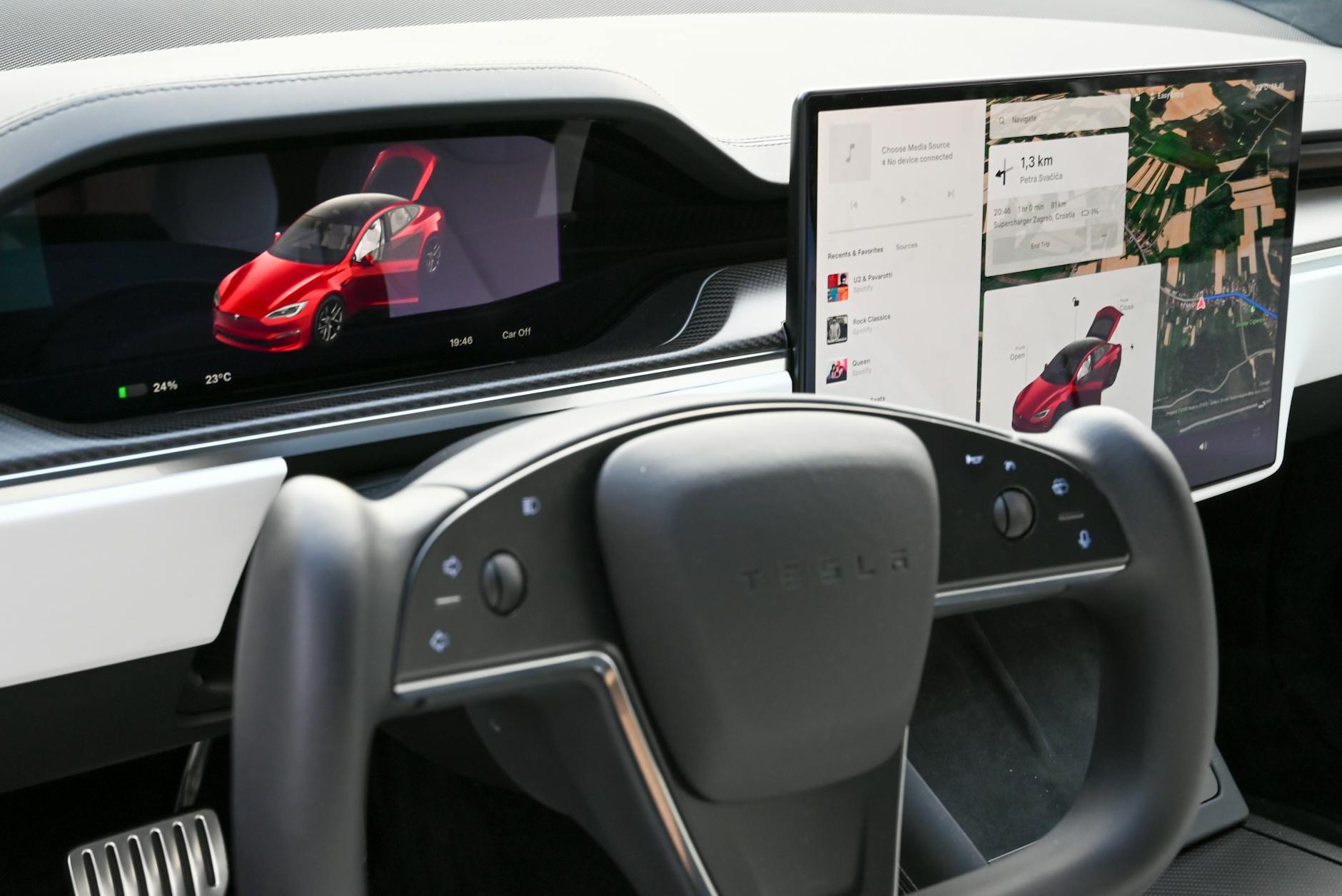
Tesla has launched its groundbreaking Cybercab in Austin, Texas, marking a significant leap into unsupervised self-driving ride-hailing. These all-electric vehicles stand out by entirely lacking traditional manual controls like steering wheels and pedals, pushing the boundaries of automotive design. While promising a cleaner, more efficient urban transportation future, this innovative approach has prompted the National Highway Traffic Safety Administration (NHTSA) to open an inquiry into its safety certification. This move highlights the crucial balance between rapid technological advancement and ensuring public safety in the evolving landscape of electric, autonomous transport.
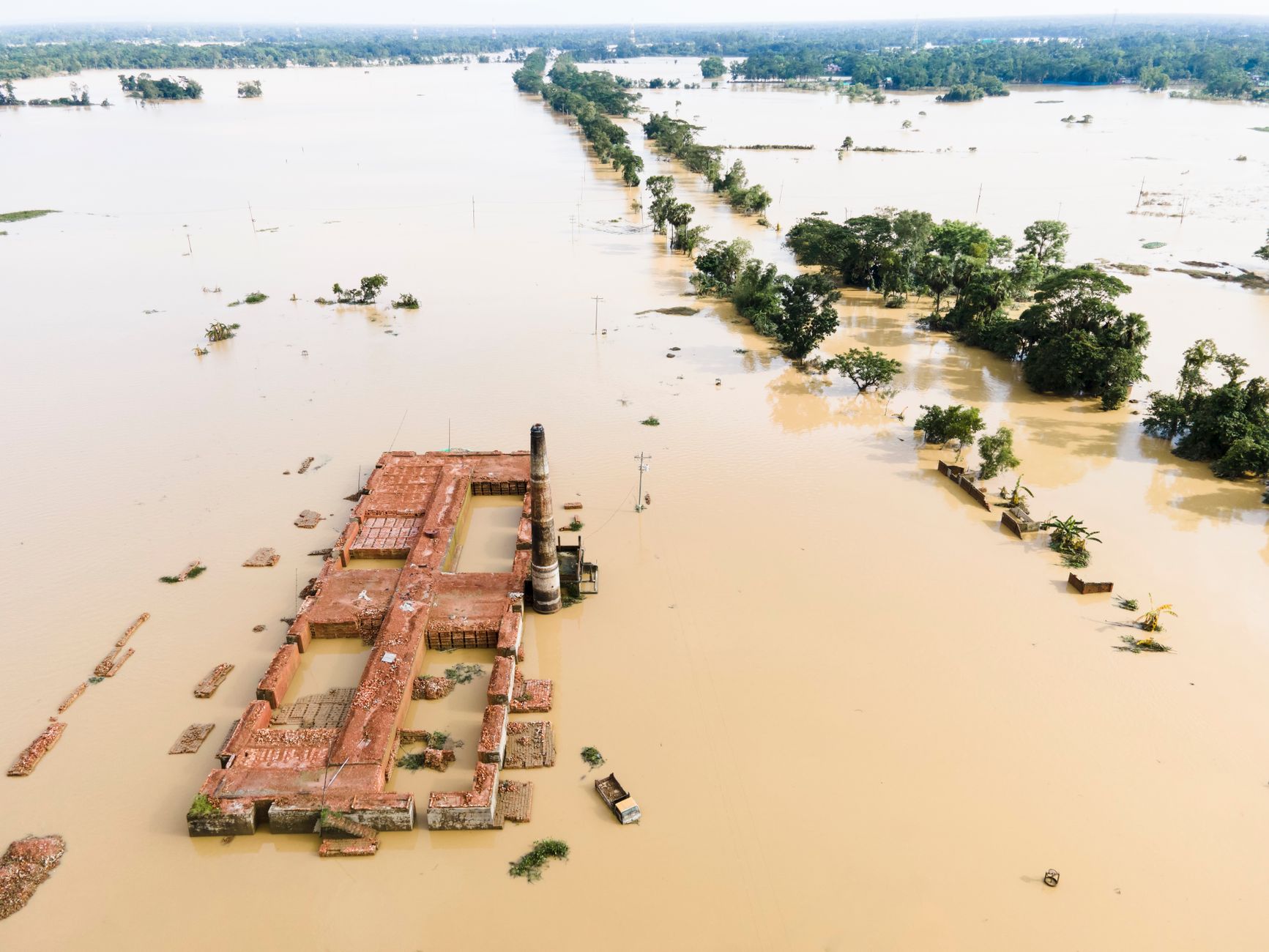
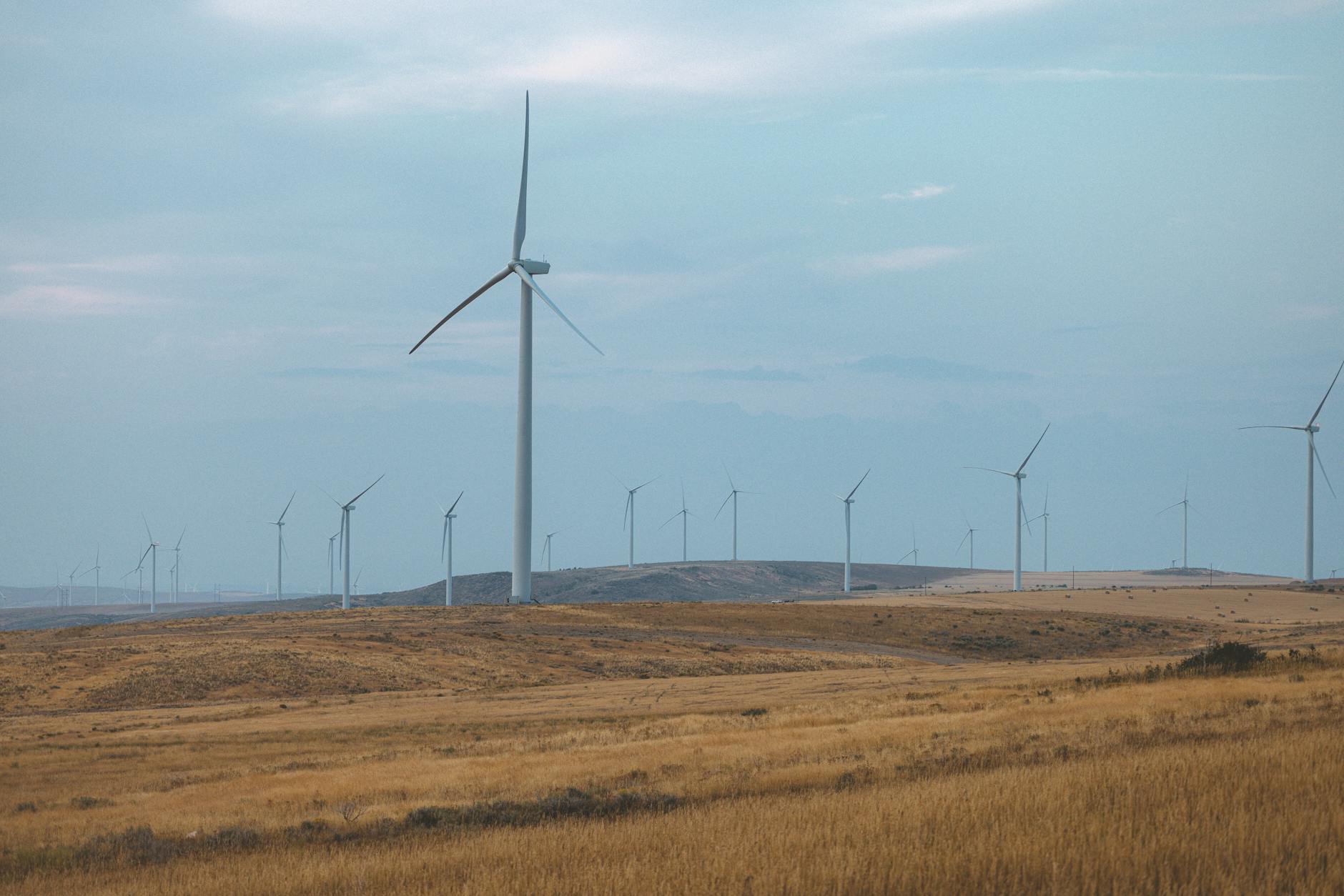
Global efforts to combat climate change are accelerating, with new rules strengthening carbon markets and promoting cleaner technologies like low-carbon ammonia and renewable fertilizers. Simultaneously, a stark warning from the UN Environment Programme confirms the world is already exceeding the critical 1.5°C warming limit, intensifying the need for immediate mitigation and adaptation. This comes as Nepal demands financial justice from major emitters following a devastating glacial flood, highlighting the growing legal obligations for climate accountability. As nations prepare for a hotter future, integrating sustainable solutions and collective action becomes paramount.
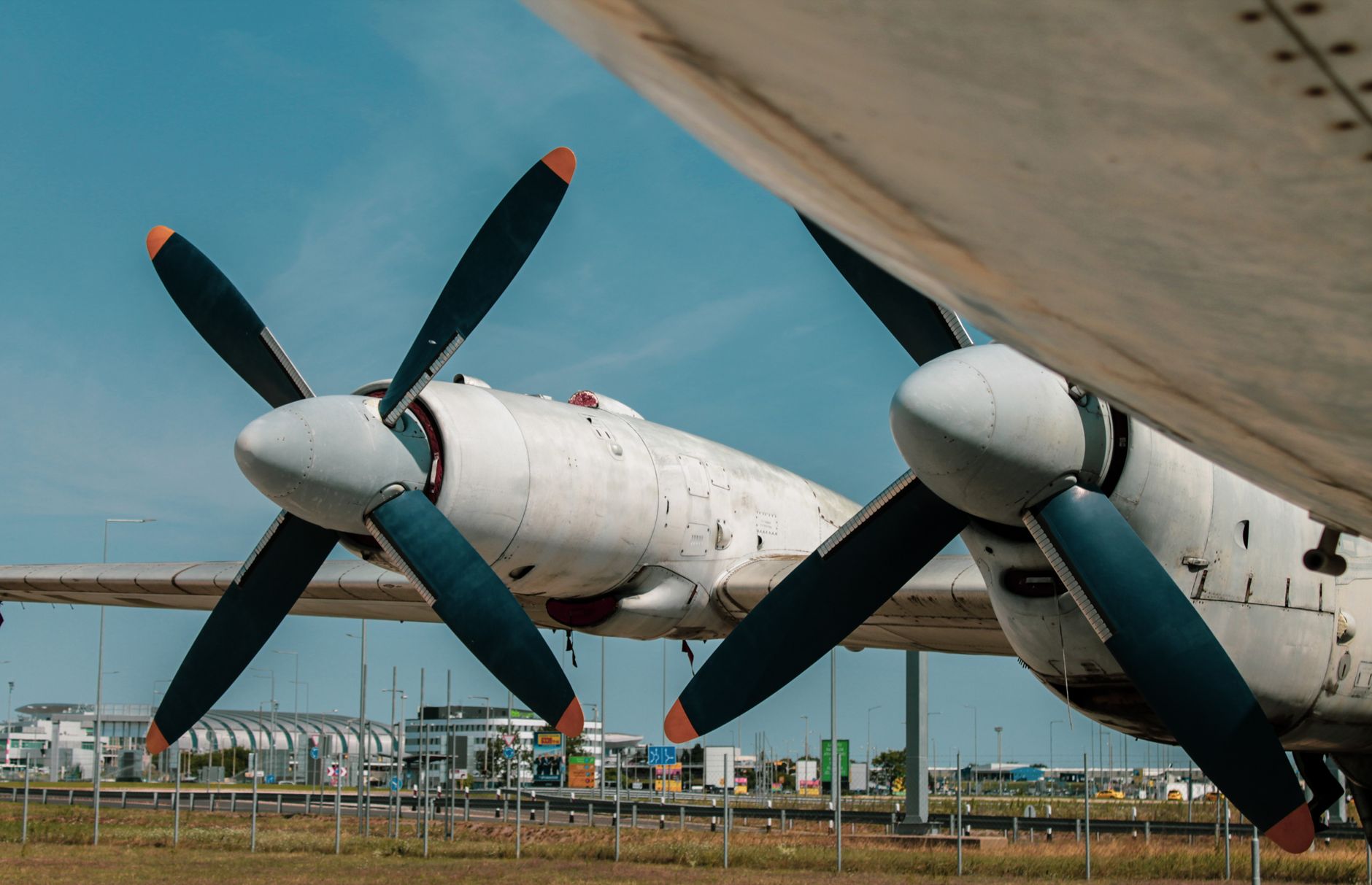
New research from Oregon State and Portland State Universities reveals alarming levels of lead contamination near Hillsboro and Troutdale airports. This lead, traced back to fuel used by small aircraft, poses significant health risks, especially for children, where even low levels can cause irreversible cognitive decline. The findings highlight a critical environmental and public health concern that impacts communities surrounding thousands of small airports across the nation, underscoring the urgent need for cleaner aviation solutions.
Tesla has officially launched its groundbreaking Cybercab service in Austin, Texas, marking a significant step into the future of urban transportation. These fully autonomous vehicles are designed without traditional steering wheels or pedals, offering a completely new ride-hailing experience. This bold introduction has quickly garnered attention from the National Highway Traffic Safety Administration (NHTSA), which has opened an inquiry into Tesla's self-certification process. The agency aims to understand how this pioneering electric vehicle, lacking conventional manual controls, meets federal safety standards, highlighting the crucial scrutiny new, sustainable technologies face.
Tesla recently debuted its all-electric Cybercab in Austin, Texas, initiating unsupervised ride-hailing services. This innovative vehicle, completely lacking a steering wheel or pedals, represents a significant leap towards fully autonomous, sustainable transportation. Its groundbreaking design has naturally attracted attention from the National Highway Traffic Safety Administration (NHTSA), which has opened an inquiry into its certification process. This development underscores the rapid advancement of clean energy solutions and the crucial need for careful regulatory review as we transition to an electrified, driverless future.
Los Angeles mayoral candidates Karen Bass and Nithya Raman recently faced off at an environmental forum, each outlining their commitment to a greener city. While Bass highlighted her administration's achievements in renewable energy and phasing out coal, Raman critiqued the city's climate priorities and budget decisions. The debate underscored the critical need for robust environmental leadership as L.A. confronts pressing challenges like extreme heat, water scarcity, and the global climate crisis. With the UN recently acknowledging the difficulty of limiting global warming to 1.5 degrees Celsius, the urgency for local action is higher than ever.
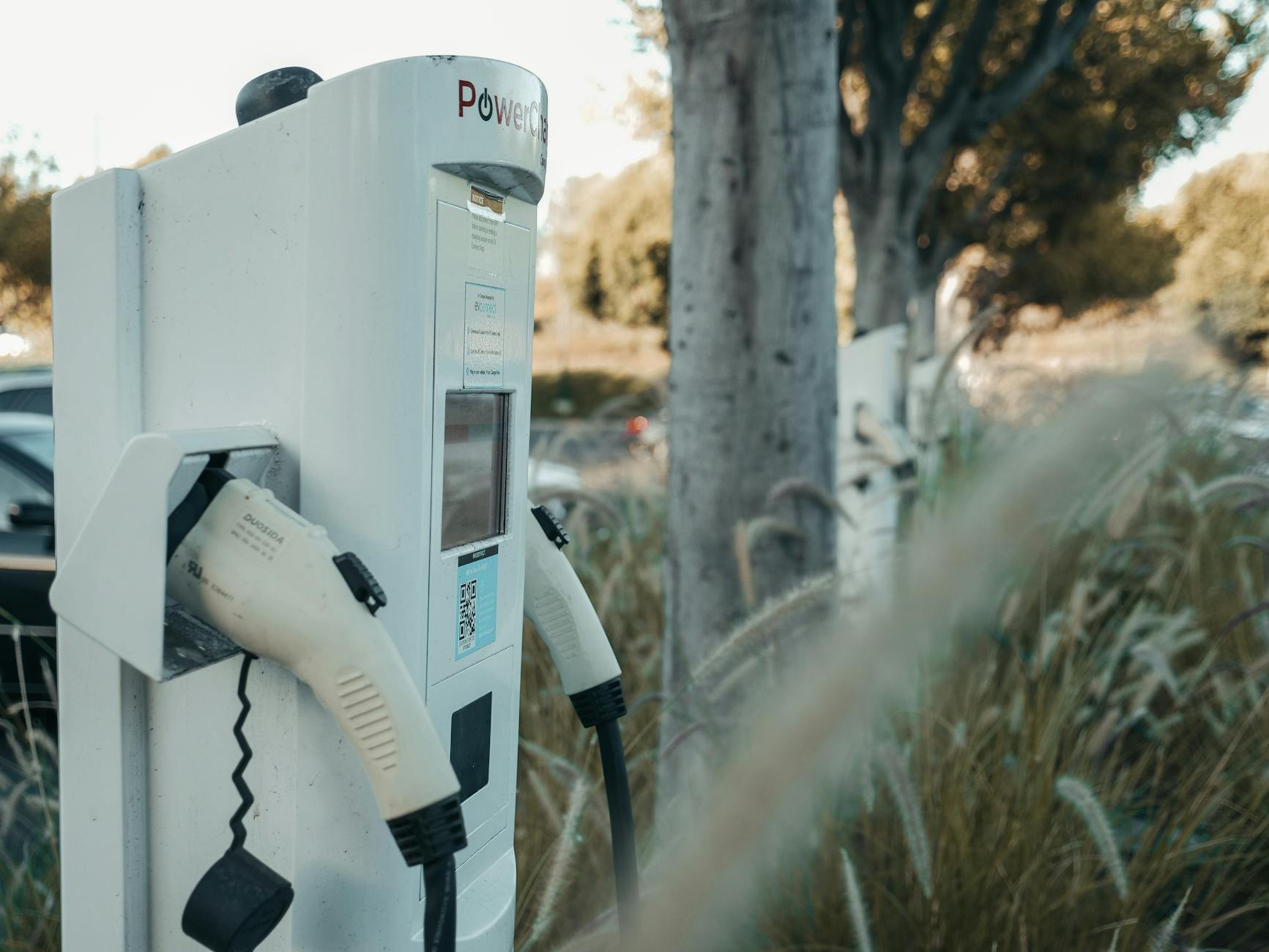
California is forging ahead with its electric vehicle (EV) transition, expanding charging infrastructure and increasing EV sales despite significant federal efforts to slow progress and promote fossil fuels. This determination is crucial for the state's ambitious climate goals, including achieving carbon neutrality by 2045. With transportation accounting for about half of its greenhouse gas emissions, California's sustained push for electrification is vital for environmental protection and public health.
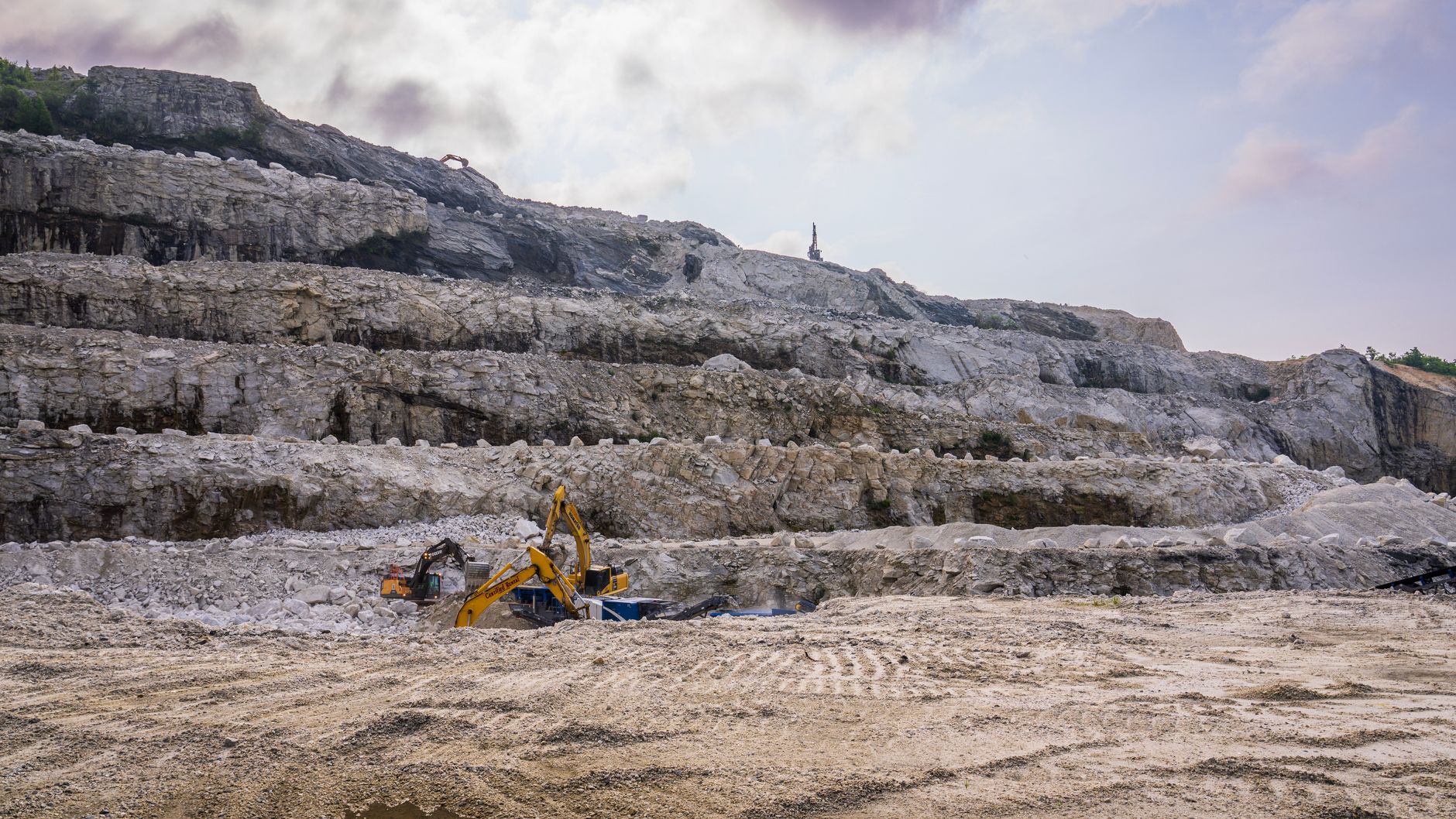
CATL's Jianxiawo lithium mine, crucial for electric vehicle batteries, has lost its environmental approval in China, halting operations once more. This significant setback for China's largest planned lithium mine comes amid growing global demand for lithium, a key component in clean energy technologies. Concerns surrounding environmental management and tailings facilities are central to the delay, underscoring the importance of responsible resource extraction. The prolonged shutdown threatens to reduce expected lithium supply, potentially impacting the world's transition to a sustainable, electrified future. This situation highlights how vital environmental stewardship is for securing the resources needed for global climate action.
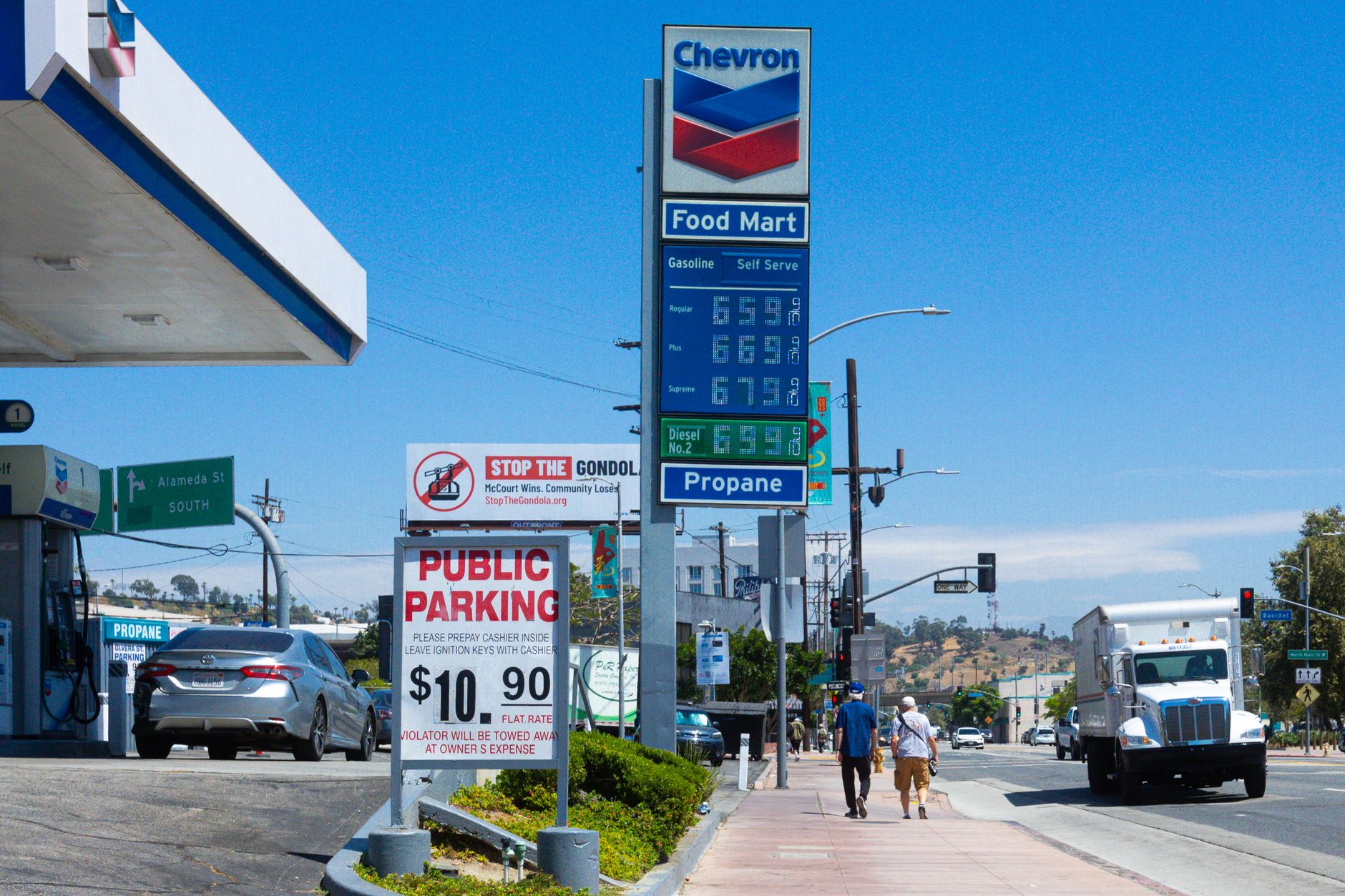
California is experiencing unprecedented diesel fuel prices, with averages soaring to around $7.71 per gallon—far exceeding the national record. This surge is creating immense pressure on vital industries like agriculture and trucking, impacting everyone from farmers trying to harvest almonds to the logistics companies moving goods. The ripple effect means higher costs are increasingly being passed on to consumers, particularly affecting grocery prices. This situation not only highlights the economic vulnerabilities tied to fossil fuel markets but also underscores the urgent need for robust, sustainable alternatives to secure our future and mitigate climate impacts.
Tesla is making big moves in the world of driverless cars, officially inviting businesses to join its Cybercab robotaxi network. These unique electric vehicles are built without a steering wheel or pedals, designed from the ground up for fully autonomous operation. This marks a significant step towards a future where shared, electric transportation could dramatically reduce urban emissions and reshape how we move. By opening commercial interest, Tesla aims to scale this sustainable solution quickly.
The shipping industry, vital for global trade, is also a major source of greenhouse gas emissions, presenting a tough challenge for companies aiming to reduce their environmental footprint. A groundbreaking pilot program between Danish shipping firm NORDEN and tech giant Microsoft is now offering a practical solution. They've launched the first verified maritime emissions reduction through a "Book & Claim" system, allowing companies to invest in cleaner shipping fuels even when traditional low-carbon options aren't available on every route. This innovative approach helps accelerate climate action by decoupling physical fuel use from specific cargo movements, crucial for tackling complex supply chain pollution. It underscores the urgency of embracing sustainable solutions to combat rising global warming.
Tesla has launched its groundbreaking all-electric Cybercab ride-hailing service in Austin, Texas. This new vehicle marks a significant step toward sustainable urban transportation, operating without a steering wheel or pedals. The National Highway Traffic Safety Administration (NHTSA) is now reviewing Tesla's certification of these innovative cars, aiming to understand the technology and ensure safety as the program expands. This inquiry highlights the crucial balance between rapid technological advancement and regulatory oversight for the benefit of both people and the planet.