Agreena has finalized a landmark 7-year agreement to generate 4.45 million tons of soil carbon credits from 1.6 million hectares of farmland in northern Kazakhstan. This groundbreaking deal, considered the largest publicly announced agricultural carbon agreement to date, signals a significant step towards global climate action. It empowers Kazakh farmers to adopt regenerative farming practices, which are vital for drawing carbon out of the atmosphere and improving soil health, showcasing how forward-thinking investments can accelerate environmental progress.
North Carolina and several local communities have reached a significant settlement with Chemours, requiring the chemical company to pay $455 million over 15 years for widespread PFAS contamination. This landmark agreement, the largest environmental damage payment in North Carolina's history, addresses pollution from the Fayetteville Works plant and other related claims. It aims to fund crucial cleanup efforts and ensure access to safe drinking water, highlighting the severe public health and environmental impacts of these persistent 'forever chemicals'. The settlement underscores the ongoing battle to hold polluters accountable and protect natural resources.
A California bill aimed at banning harmful “forever chemicals,” known as PFAS, from produce has been significantly weakened. Despite widespread health concerns about these persistent chemicals, heavy lobbying from chemical and agricultural industries diluted the legislation. Originally intended to phase out PFAS pesticides, the bill now only requires regulators to track their use, missing a key opportunity to protect public health and the environment from these long-lasting pollutants. This outcome raises critical questions about the influence of industry on environmental policy.
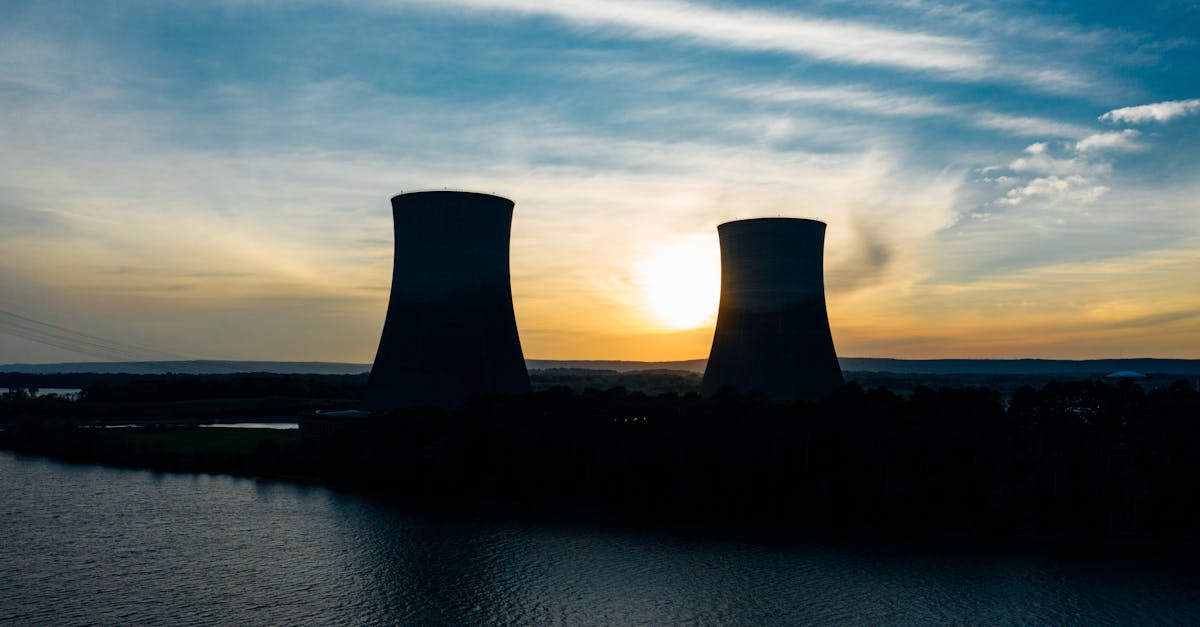
A new report predicts a significant expansion for nuclear power, a vital low-carbon energy source. The World Nuclear Association’s World Nuclear Outlook Report 2026 reveals that global nuclear capacity could triple by 2050. This surge is crucial for meeting rising energy demands while drastically cutting carbon emissions. Since 1970, nuclear generation has already prevented an estimated 43.6 billion tonnes of CO₂ emissions, underscoring its historical and future importance in the fight against climate change. Achieving this ambitious goal, however, hinges on a much faster pace of reactor construction.
Environment Secretary Angela Eagle has issued a stark warning, urging the public to store food supplies in anticipation of extreme weather events. This comes as an unprecedented El Niño is forecast to become the largest since the 19th century, with sea temperatures rising significantly in the Pacific. Experts predict a future of drier summers and wetter, stormier winters for the UK, alongside severe flooding in Asia and droughts in other tropical regions. This critical situation underscores the urgent need for both individual and governmental preparedness in the face of accelerating climate impacts.
China's Belt and Road Initiative has poured over $1.5 trillion into global infrastructure, dramatically reshaping development in many countries since 2013. While fostering economic growth, an investigation reveals a darker side: these massive projects often come with severe environmental devastation and human rights concerns. From threatened wildlife to melting glaciers and toxic spills, the urgency of safeguarding our planet is clearer than ever, highlighting the need for more responsible global investment. This global push also includes both beneficial clean energy technologies and harmful fossil fuel developments, creating a complex impact.
Good news for owners of older Tesla Model S and Model X vehicles: a significant software upgrade is finally on its way. Tesla's Head of AI, Ashok Elluswamy, has indicated that these pre-refresh models, equipped with Hardware 3, will soon receive the Full Self-Driving (FSD) v14 Lite suite. This highly anticipated update promises to bring a range of advanced driving capabilities to these enduring electric vehicles, enhancing their functionality and bringing them closer to the experience of newer models. It's a testament to how software can extend the life and utility of existing technology, supporting a more sustainable approach to vehicle ownership.
Southern California, famed for its fabled "mild Mediterranean-type climate" and dry heat, is experiencing a dramatic shift. This summer, the region endured record-breaking humidity, feeling more like Florida than its traditional self. Scientists, like UC climate scientist Daniel Swain, confirm this is the most humid summer on record for many locations since 1980. This unsettling change is directly linked to human-caused global warming, an active hurricane season, and extraordinary marine heat waves. It serves as a stark warning of intensifying climate impacts, including severe coastal flooding expected this winter, emphasizing the urgent need for environmental action.
A new poll reveals that two-thirds of Utah voters want to see Bears Ears and Grand Staircase-Escalante national monuments returned to their original, larger boundaries. This strong public sentiment comes as lawsuits are reignited against past decisions to significantly shrink these protected areas. The monuments hold immense ecological, archaeological, and cultural value, making their protection crucial for preserving natural heritage and honoring tribal co-stewardship efforts. This widespread support underscores the public's commitment to safeguarding these invaluable landscapes from resource extraction and ensuring environmental preservation for future generations.
Europe has just launched its largest industrial carbon capture facility in the Netherlands, marking a significant stride in the fight against climate change. Located at Yara International's Sluiskil plant, this groundbreaking facility will prevent up to 800,000 metric tons of CO2 from entering our atmosphere annually. The captured carbon will then be transported across borders to Norway, where it will be permanently stored deep beneath the North Sea. This pioneering project offers a vital model for hard-to-abate industries across the continent, highlighting the urgent need for innovative solutions to achieve ambitious climate goals. It demonstrates that large-scale industrial decarbonization is not only possible but happening now.
The National Oceanic and Atmospheric Administration (NOAA) Fisheries has unveiled new priorities, signaling a significant departure from long-standing science-based marine conservation. These reforms, aimed at boosting commercial fishing, have ignited widespread concern among environmental experts. Critics warn the changes could severely impact endangered species, deplete vital fish stocks, and open protected marine national monuments to destructive practices. This controversial shift, according to experts, prioritizes short-term economic gains over the urgent need for environmental stewardship and sustainable ocean health. It raises serious questions about the future of America's marine ecosystems in an era of accelerating climate change.
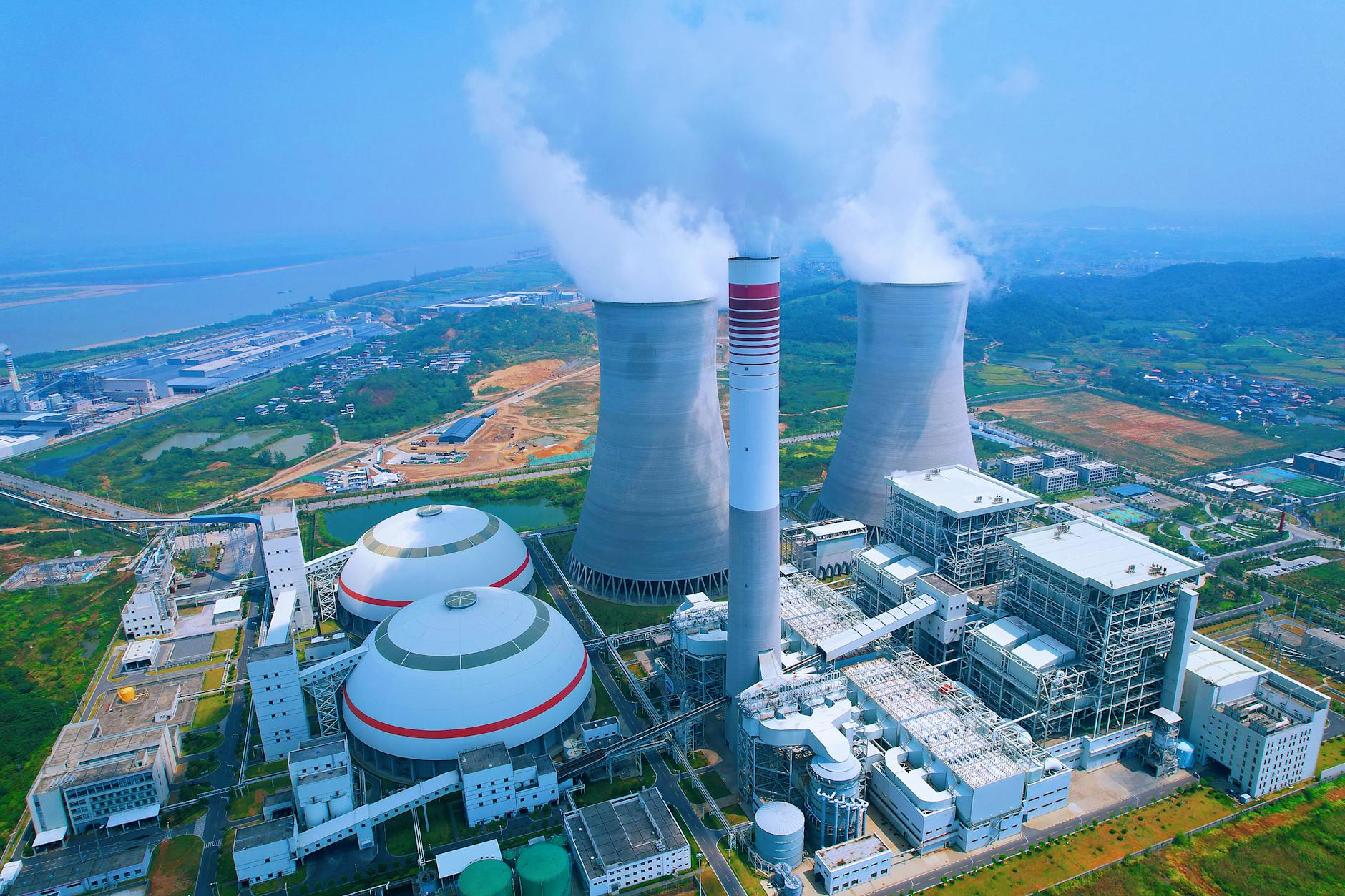
China, currently the world's largest emitter of greenhouse gases, is making significant strides in its energy transition. A recent report reveals that many Chinese provinces are actively reducing their reliance on coal, a major source of planet-warming pollution. This shift marks a crucial step away from fossil fuels, signaling a growing commitment to cleaner energy. Such progress is vital for combating global warming and offers a hopeful outlook for international climate action. Moving towards sustainable solutions is paramount for our planet's future.