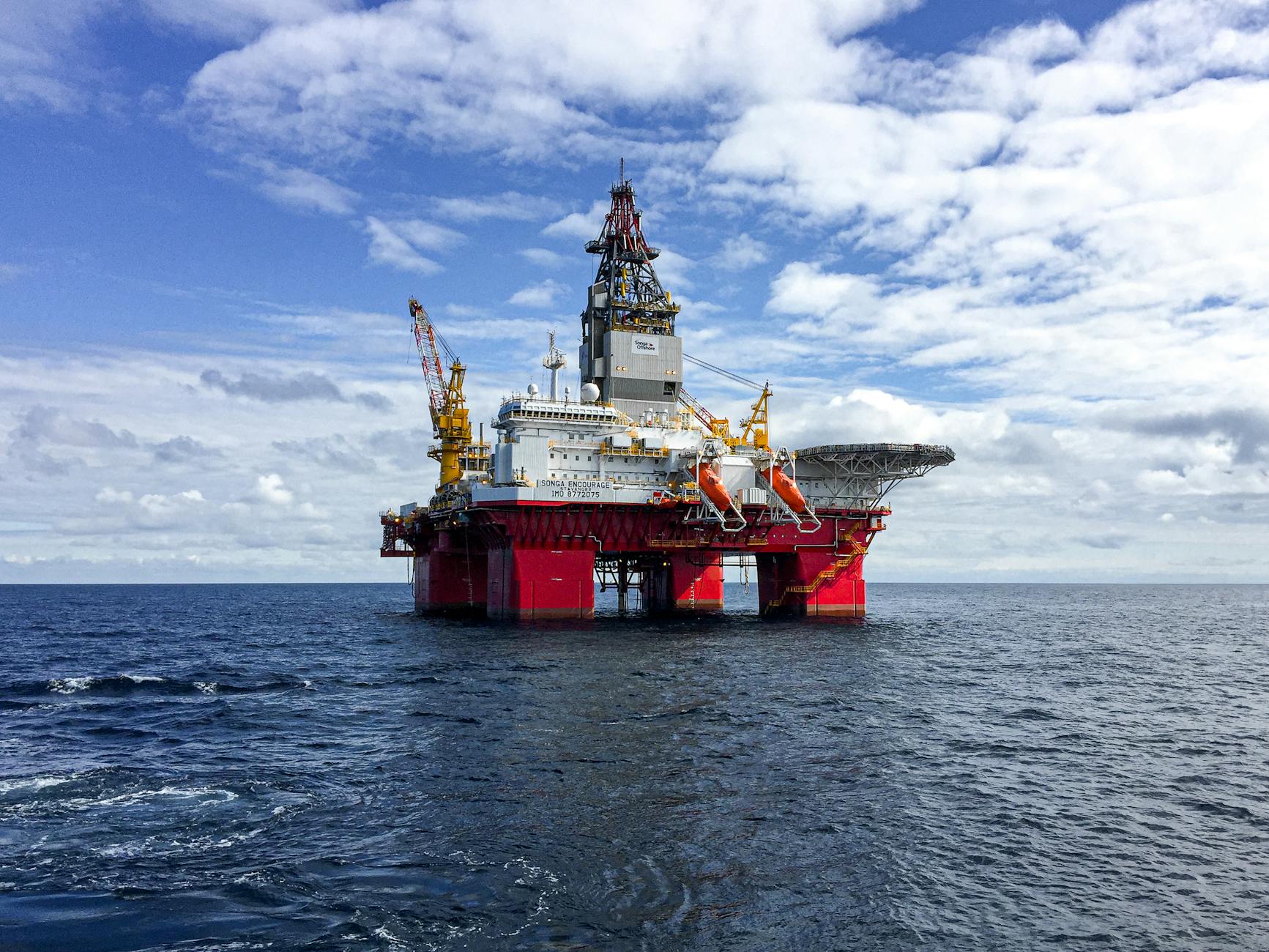
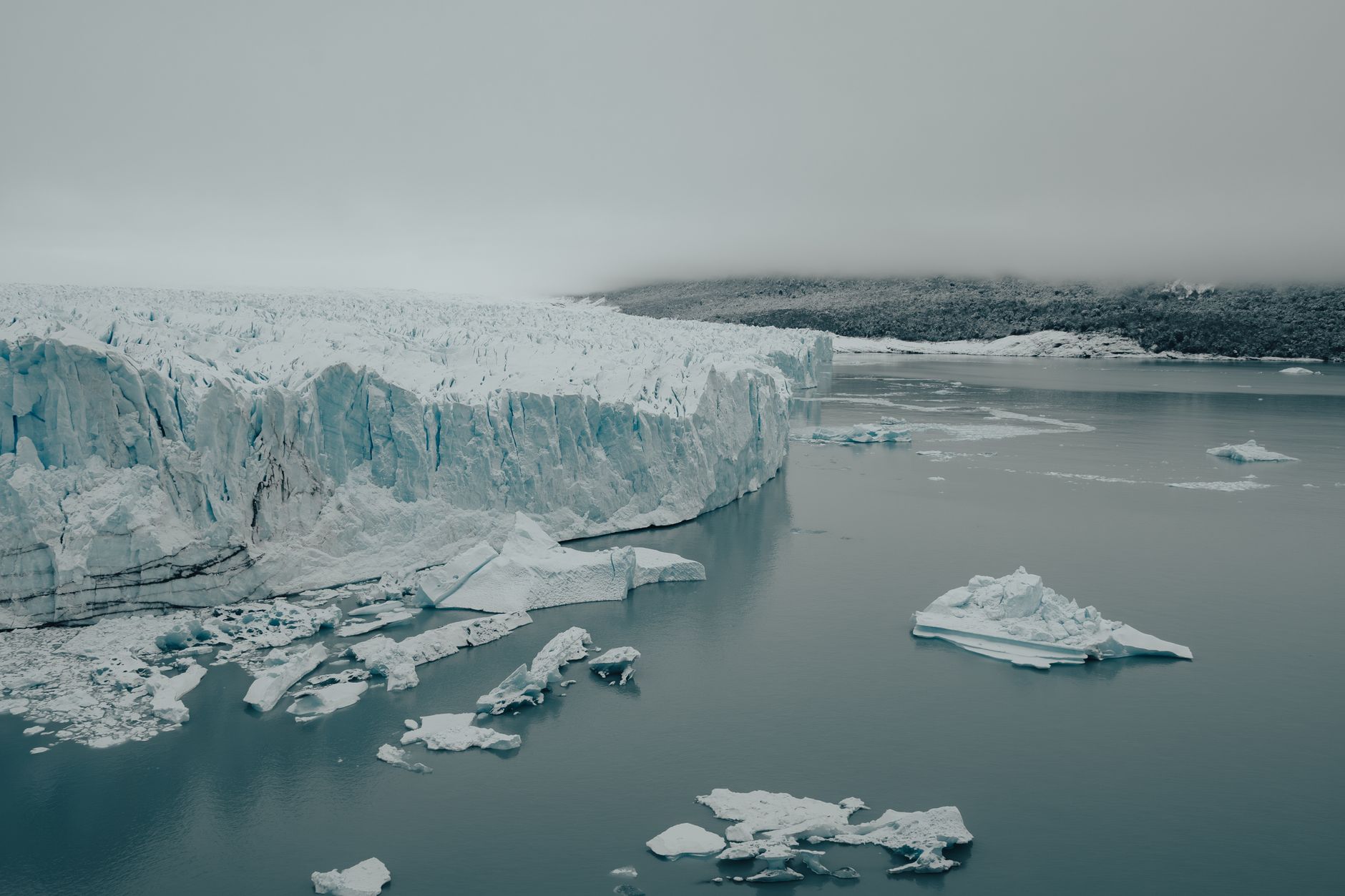
The Trump administration is pushing a new plan to rapidly expand oil and gas drilling across Alaska’s Western Arctic. This proposal aims to dramatically cut environmental reviews and public input, allowing energy companies to fast-track projects in sensitive areas. Critics warn it could open vast stretches of wilderness and vital hunting grounds for Alaska Natives to industrial development, threatening critical habitats for polar bears, caribou, and migratory birds. This move intensifies the urgency to protect one of the planet's most pristine environments from further fossil fuel extraction.
Tesla has unveiled a clever, cost-free upgrade for its Cybertruck, addressing a common issue with its side repeater cameras. Previously, wet weather could obscure these crucial cameras, impacting driver-assistance features. The new design uses passive airflow to keep lenses clear, enhancing both everyday usability and safety. This smart update highlights Tesla's commitment to continuous vehicle refinement, ensuring its electric pickup performs reliably in all conditions without adding complexity or cost.
Our planet just experienced its hottest August ever recorded, a stark reminder of the accelerating climate crisis. This grim milestone follows a series of unprecedented temperature highs throughout the year, underscoring the urgent need for global action. Scientists confirm these rising temperatures are directly linked to human-caused climate change, impacting ecosystems, human health, and economies worldwide. It's a clear signal that the time for decisive environmental action is now, emphasizing the critical role of sustainable solutions in shaping our future.
Residents in Clemmons, North Carolina, rallied against a proposed asphalt plant, concerned about its environmental and health impacts. They welcomed a seemingly dedicated ally, Chris Sanderson, who helped organize their opposition. However, weeks later, the community discovered Sanderson was an operative working under a false identity. This revelation has left residents feeling angry and betrayed, highlighting how genuine environmental concerns can be manipulated by corporate interests.
Los Angeles County has launched an investigation into Farmers Insurance Company, following numerous complaints from policyholders impacted by last year's devastating Eaton and Palisades wildfires. Residents claim the insurer has delayed, denied, or underpaid claims, particularly regarding essential testing and cleanup of homes contaminated by lead, asbestos, and other toxins. This probe highlights the critical importance of reliable insurance in helping communities recover from environmental disasters, especially as climate change intensifies wildfire risks and leaves behind dangerous residues.
On Bainbridge Island, Washington, a unique art installation is transforming abstract climate data into a tangible experience. This innovative project, dubbed a "reverse time capsule," aims to help residents visualize the very real threat of future sea level rise and the increasing risk of king tide flooding. By making scientific projections feel more immediate, the community hopes to inspire greater understanding and action against the urgent impacts of climate change on coastal areas. It's a powerful reminder that preparing for environmental shifts is critical for our collective future.
A new bipartisan bill, the Fix Our Forests Act, aims to tackle the growing threat of catastrophic wildfires by speeding up forest management projects. This legislation has created unusual alliances, bringing together loggers and some environmental groups who agree on the urgent need for action. However, other conservationists worry about potential over-logging and the weakening of environmental protections. The debate highlights a critical question: how should humans best intervene to protect our precious forests and communities as climate change intensifies wildfire seasons?
Internal documents have unveiled a quiet but powerful effort by industry groups to dismantle California's landmark plastic reduction laws. These crucial regulations, designed to tackle the growing crisis of plastic pollution, aim to shift the burden of waste cleanup from taxpayers to the companies that produce single-use plastics. This newfound pushback from groups like the Print Creative Alliance and Californians for Affordable Packaging threatens vital progress toward a cleaner environment. The battle highlights a stark contrast between corporate profits and public responsibility for a healthier planet.
California's already vulnerable coastline is facing a new threat: a powerful 'coastally trapped Kelvin wave' linked to El Niño. This phenomenon is set to add about 6 inches to sea levels for months, exacerbating the impacts of global warming's existing sea level rise and persistent marine heatwaves. While not visible, this additional water height significantly increases the risk of severe beach erosion and coastal flooding. Experts warn that the combined effect could devastate communities, underscoring the urgent need for action against climate change.
California is rapidly moving away from natural gas for electricity, a significant step in the fight against climate change. Since hitting its gas-fired power peak in 2014, the state has seen an accelerating decline, with a substantial 26 percent drop in the first half of this year alone compared to last. This swift transition highlights a successful blueprint for environmental action, demonstrating how focused policies and innovative clean energy solutions can drastically reduce reliance on fossil fuels. This shift proves that a cleaner, more sustainable energy future is not just a distant goal, but a present reality.
August 2026 has alarmingly tied July 2023 as the hottest month ever recorded globally, pushing temperatures a concerning 1.65°C above preindustrial levels. This marks the first time since November 2025 that global warming has exceeded the critical 1.5°C threshold. Compounding this, the world's oceans have endured 100 consecutive days of record-breaking sea-surface temperatures. These alarming trends are amplified by a strong El Niño and underscore a recent UN warning that our planet is likely to overshoot the Paris Accord's 1.5°C limit very soon, demanding immediate global action to reduce emissions and embrace sustainable solutions.
SpaceX, a name synonymous with modern space exploration, almost didn't make it. Before its current successes, the company faced immense challenges with its first rocket, Falcon 1. After three consecutive failures, their very survival hinged on a single, make-or-break fourth launch. This critical moment in 2008 not only saved the company but also paved the way for the reusable rockets, satellite internet, and ambitious Mars plans we know today, profoundly reshaping the future of space.