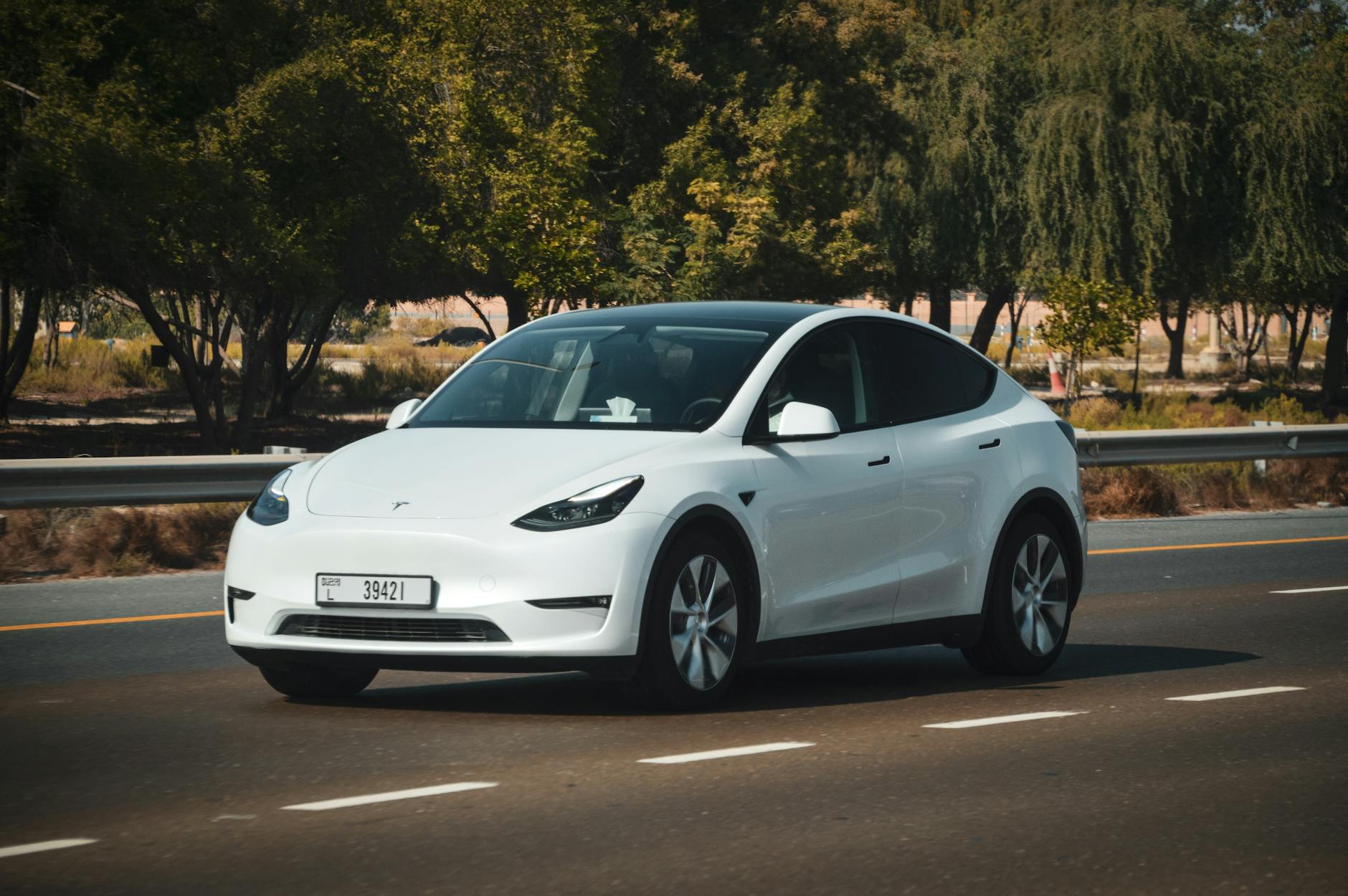
Tesla is taking a bold new step to boost its presence in the challenging Indian market. After facing significant hurdles from high import tariffs and lukewarm initial sales of its standard Model Y, the electric vehicle giant is adapting its strategy. It is now preparing to introduce the Model Y L, a new six-seat variant designed to appeal to families seeking more spacious, sustainable transport. This move underscores Tesla's commitment to bringing more clean energy options to one of the world's most populous nations, offering a pragmatic approach to expand electric vehicle adoption and contribute to global climate goals.
A new report from Bloomberg suggests that a significant portion of Tesla Cybertruck sales in late 2025 came from within Elon Musk’s business empire, including SpaceX. This internal buying accounted for over 18% of the total Cybertrucks registered in the US during that quarter. Without these purchases, sales would have seen a sharp decline, raising questions about the true market demand for the unique electric pickup and its role in accelerating the shift to sustainable transportation.
Maine has taken a groundbreaking step by passing a moratorium on large data center development, becoming the first state to do so. This move comes amid growing concerns over the immense energy and water consumption of these facilities, which are essential for powering modern technology and artificial intelligence. U.S. data centers already demand over 50 gigawatts of electricity, a staggering amount that challenges our current energy grids and raises questions about environmental impact and rising electricity costs. Environmental advocates laud Maine's decision as a crucial model for states seeking to regulate this rapidly expanding industry and protect communities from unsustainable growth. The urgency to address this consumption is clear for a sustainable future.
Methane is a powerful greenhouse gas, a major contributor to global warming. While often linked to industries like oil and gas or dairy farms, a lesser-known source is now drawing urgent attention: reservoirs. Environmental groups are pushing California air regulators to start tracking methane emissions from these waters, arguing it's a critical "blind spot" in the state's efforts to combat climate change. Experts agree that understanding these emissions is vital for making informed decisions about energy and solidifying California's role as a climate leader. Ignoring this source could undermine our collective efforts for a sustainable future.
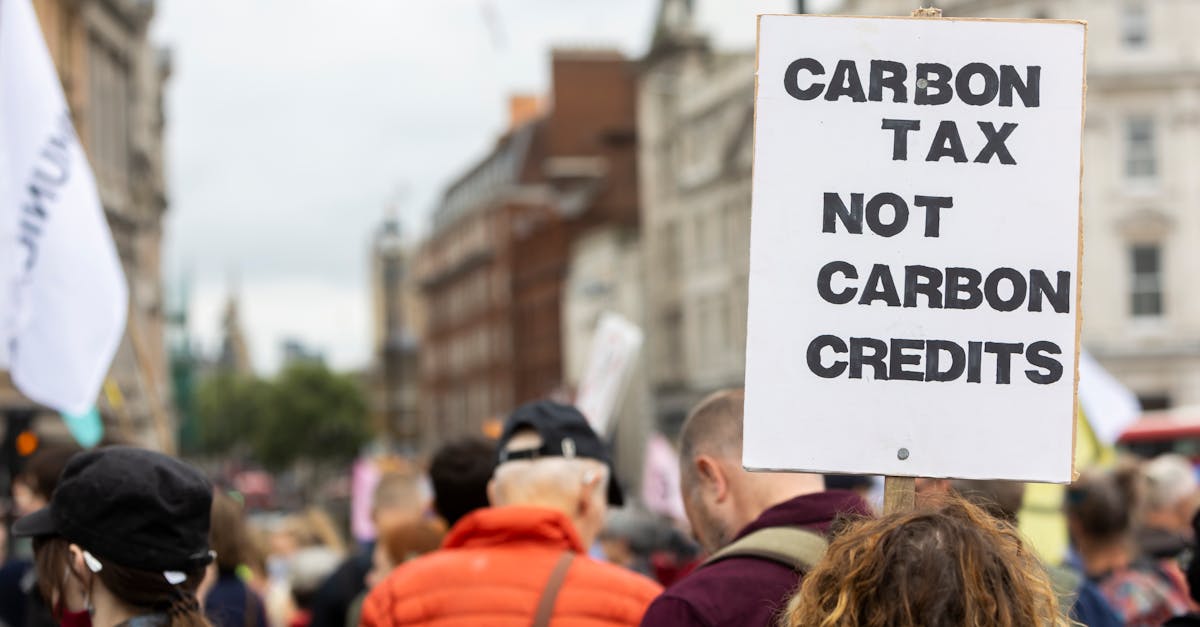
The European Commission has set the Carbon Border Adjustment Mechanism (CBAM) certificate price at €75.36 for early 2026, aiming to level the playing field for products entering the EU. This move comes as the EU Emissions Trading System (ETS) reports a 1.3% drop in emissions in 2025, continuing a significant downward trend since 2005. The ETS has also generated over €258 billion since 2013, funding vital projects for renewable energy, industrial decarbonization, and other sustainable solutions across Europe. These efforts underscore the urgent global shift towards electrification and environmental action.
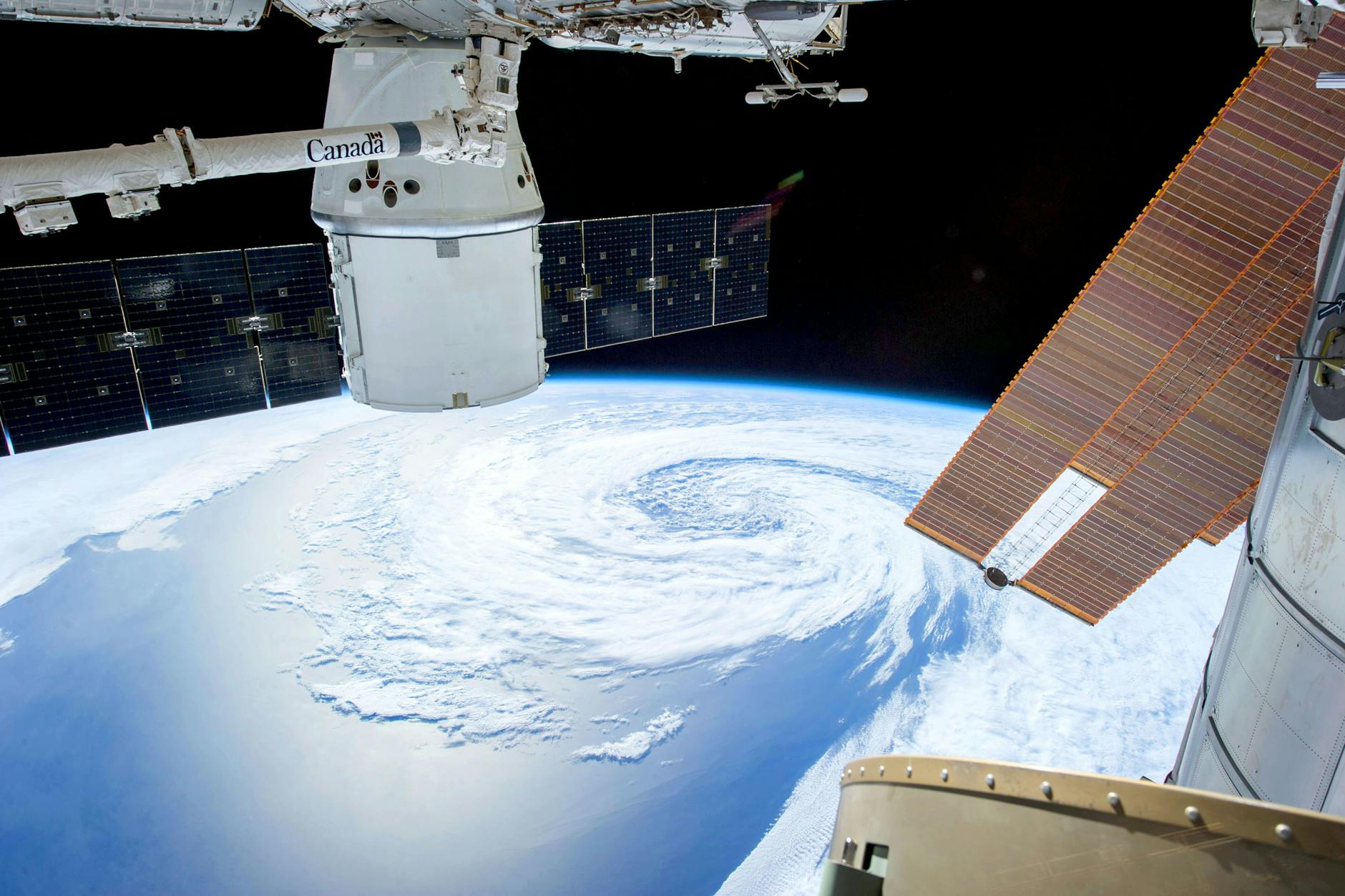
Super Typhoon Sinlaku has rapidly escalated to a powerful Category 5 storm, becoming the second of its kind this early in 2026. Peaking with 180 mph winds, it now poses an extreme threat to the U.S. Northern Mariana Islands, including Saipan and Tinian. This unusually intense and early season activity underlines growing concerns about how climate change is contributing to the increasing power of tropical cyclones. The ocean's warming waters provide fertile ground for such rapid intensification, making environmental action more critical than ever.
A recent study reveals a critical health crisis near California's shrinking Salton Sea: children living close to the lake are experiencing significantly diminished lung development. Toxic dust, stirred by winds from the exposed lakebed, poses a serious threat to their respiratory health, impacting their futures. This urgent situation highlights the severe environmental consequences of a drying lake, exacerbated by climate change and water management decisions, underscoring the need for immediate action to protect vulnerable communities.
The global carbon market is undergoing significant changes, with the UN advancing new methodologies for Article 6.4 focused on renewable energy, while the older Clean Development Mechanism phases out. Europe is strengthening its emissions trading system for post-2030, and Nasdaq has launched EU carbon futures trading, enhancing market liquidity. Crucially, a growing gap between green job demand and available skilled workers highlights an urgent need for workforce retraining. These shifts underscore a global drive towards more effective climate solutions and a sustainable economy.
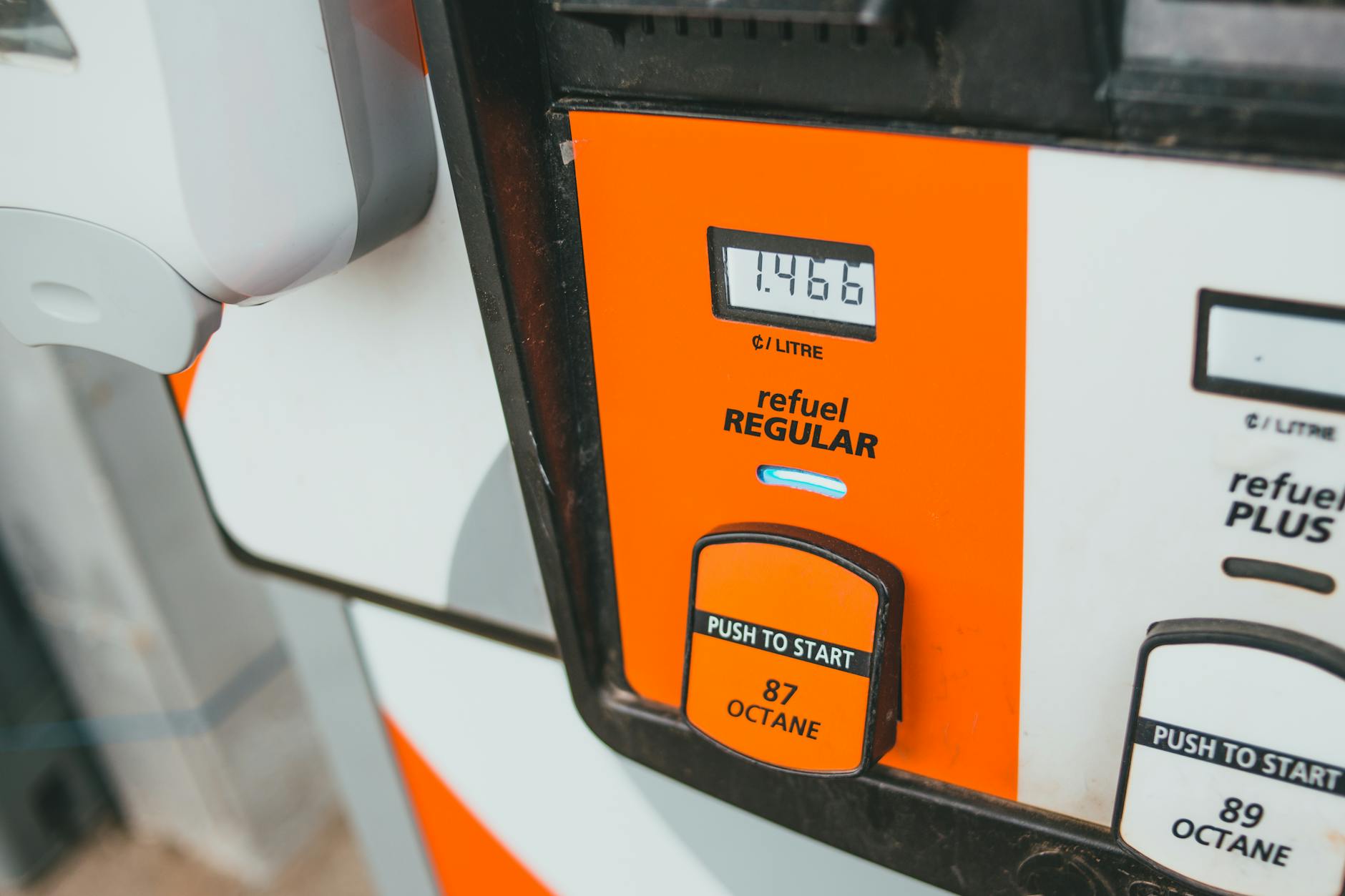
Gas utility bills are climbing sharply across the U.S., outpacing electric costs and inflation. While many assume rising gas prices are to blame, a new report reveals the real culprit: aging infrastructure. The increasing cost of maintaining and replacing outdated gas pipelines now accounts for the majority of customer charges. This growing financial burden on consumers highlights the urgent need to transition towards cleaner, more sustainable energy solutions like electrification, aligning with crucial climate goals and offering a path to more stable energy costs.
A massive mining project poised to extract billions in gold, copper, and zinc from Alaska's Johnson Tract is igniting fierce opposition. This valuable land, owned by an Indigenous corporation and leased to a mining firm, is nestled within the pristine Lake Clark National Park. Conservationists, local fishermen, and lodge owners are raising alarms about irreversible harm to wildlife, including a critically endangered population of Cook Inlet beluga whales. With permits already advancing, stakeholders warn that the unspoiled wilderness and vital ecosystems face an immediate and devastating threat.
Many families are feeling the pinch of rising utility bills and higher fuel prices, a situation exacerbated by global events and the increasing cost of protecting infrastructure from extreme weather linked to climate change. These financial pressures highlight a crucial connection between our wallets and the planet. Every purchase, from daily necessities to major investments like homes and cars, impacts our contribution to greenhouse gas emissions. Recognizing this, NPR is inviting the public to submit questions about how personal spending choices can both reduce climate pollution and save money, aiming to empower individuals in the fight against global warming.
Tesla has begun rolling out its Full Self-Driving (FSD) v14.3 software to early access members, bringing significant improvements to the driving experience. This latest update addresses several frustrating behaviors from previous versions, making the journey smoother and more reliable. While substantial progress is noted in areas like yellow light handling and parking, the system's navigation and routing capabilities still present challenges. These advancements highlight the continuous evolution of electric vehicle technology, pushing toward a future where sustainable transport is not just cleaner, but also remarkably convenient and safe.