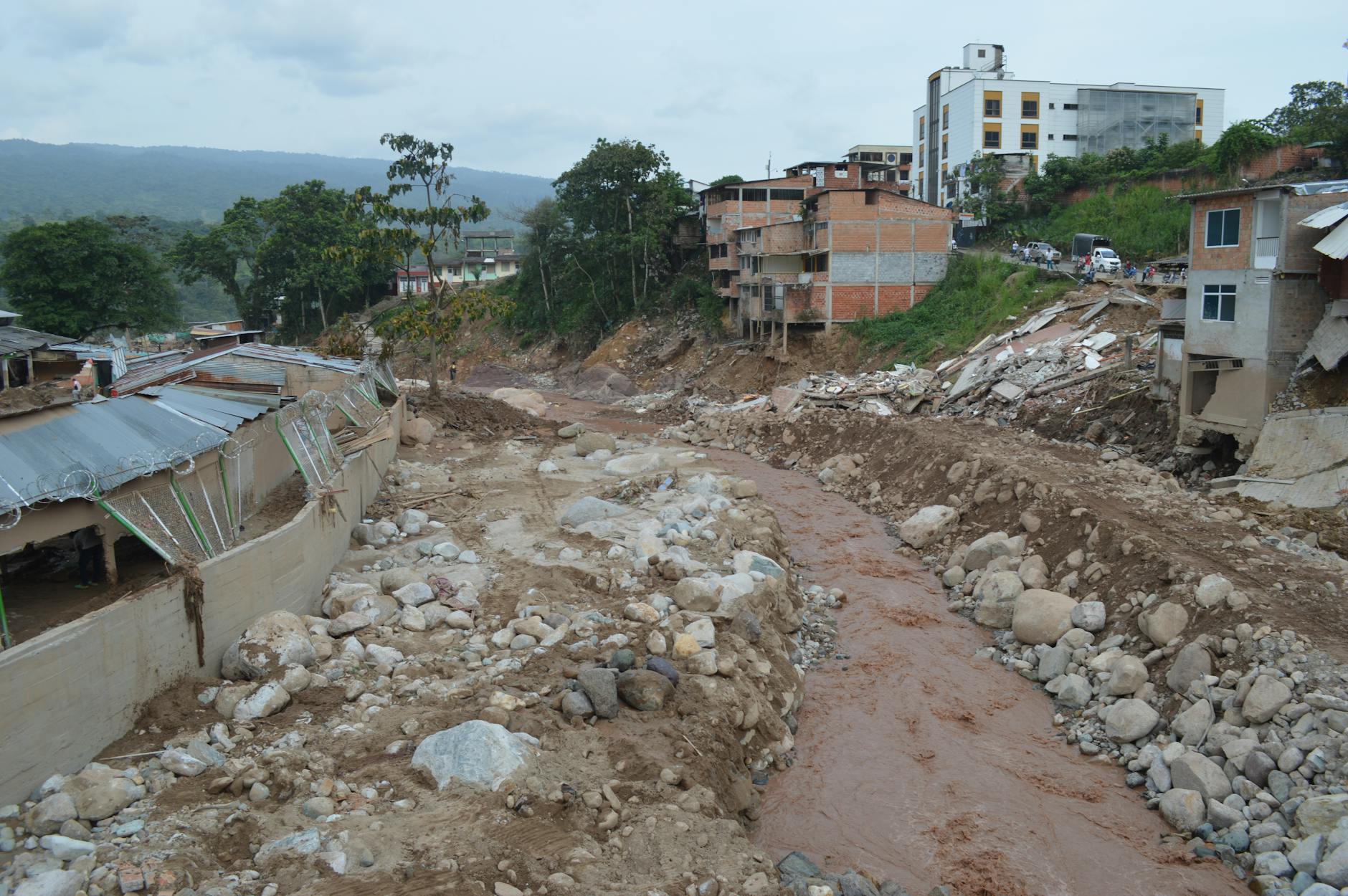
Hawaii has been hit by a series of intense, unexpected floods, with the latest deluge sending raging waters through Honolulu neighborhoods. This recent wave of destruction, which has caused over a billion dollars in damage and forced hundreds of rescues, has even surprised meteorologists with its ferocity and localized intensity. Experts warn that the increasing frequency and severity of such heavy rains are directly linked to human-caused global warming, underscoring the urgent need for climate action and adaptation for vulnerable island communities.
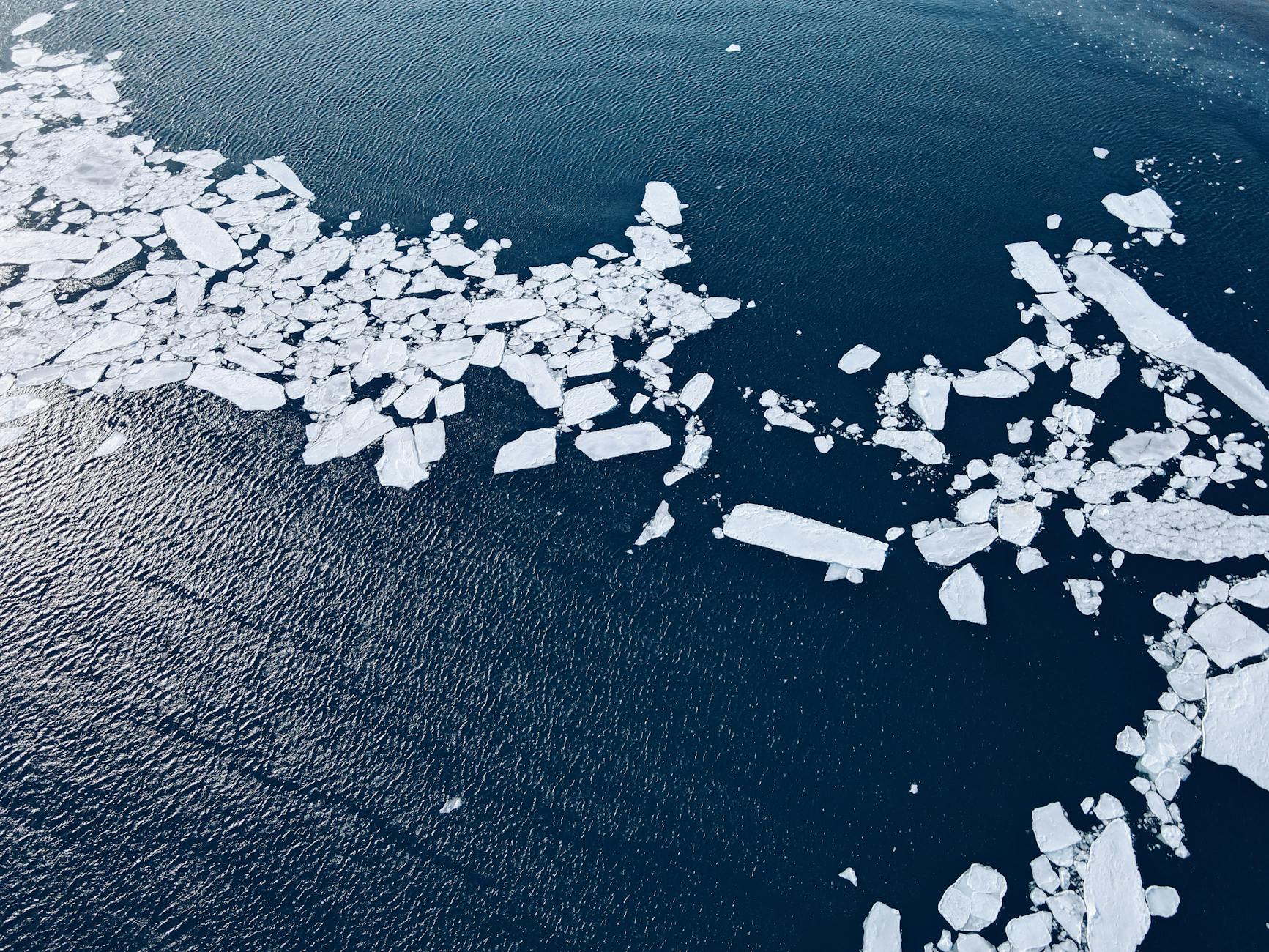
Arctic sea ice has reached its lowest winter level on record, a critical indicator amidst a global surge in temperatures that has shattered records across continents. This shrinking ice cover is vital for regulating Earth's climate, acting like a giant refrigerator by reflecting sunlight and keeping our planet cooler. Its rapid decline has significant implications for wildlife like polar bears and seals, and could even impact global weather patterns, underscoring the urgent need for climate action.
Many families across the U.S. face climbing electricity bills, even in states boasting low per-kilowatt rates. The surprising truth? Your total power bill isn't just about the rate; it's also heavily influenced by how much electricity you consume. Factors like local climate and a lack of strong energy efficiency programs can drive up usage, leading to higher costs despite seemingly cheaper electricity. Understanding this connection is key to managing household budgets and promoting sustainable energy practices.
Google is changing how big energy users support the power grid, securing a massive 1 gigawatt (GW) of capacity from its U.S. data centers. This innovative "demand response" approach allows the company to reduce or shift its electricity use during peak times, helping to stabilize the grid and lower costs for everyone. It's a crucial step as electricity demand soars, driven by the digital world and growing reliance on clean energy. This flexibility helps integrate more renewable power and reduces the need for polluting backup plants, pushing us closer to a cleaner energy future.
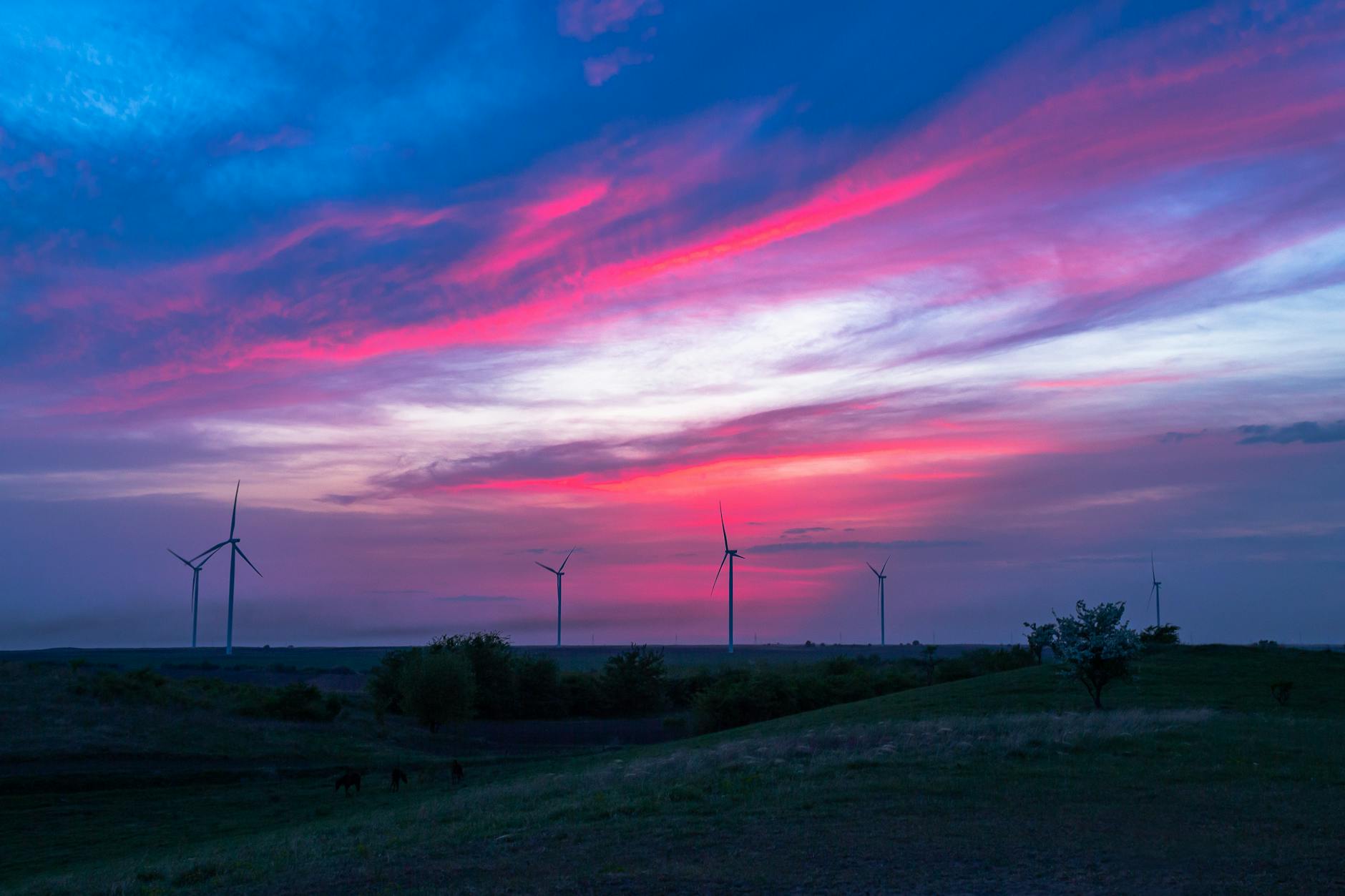
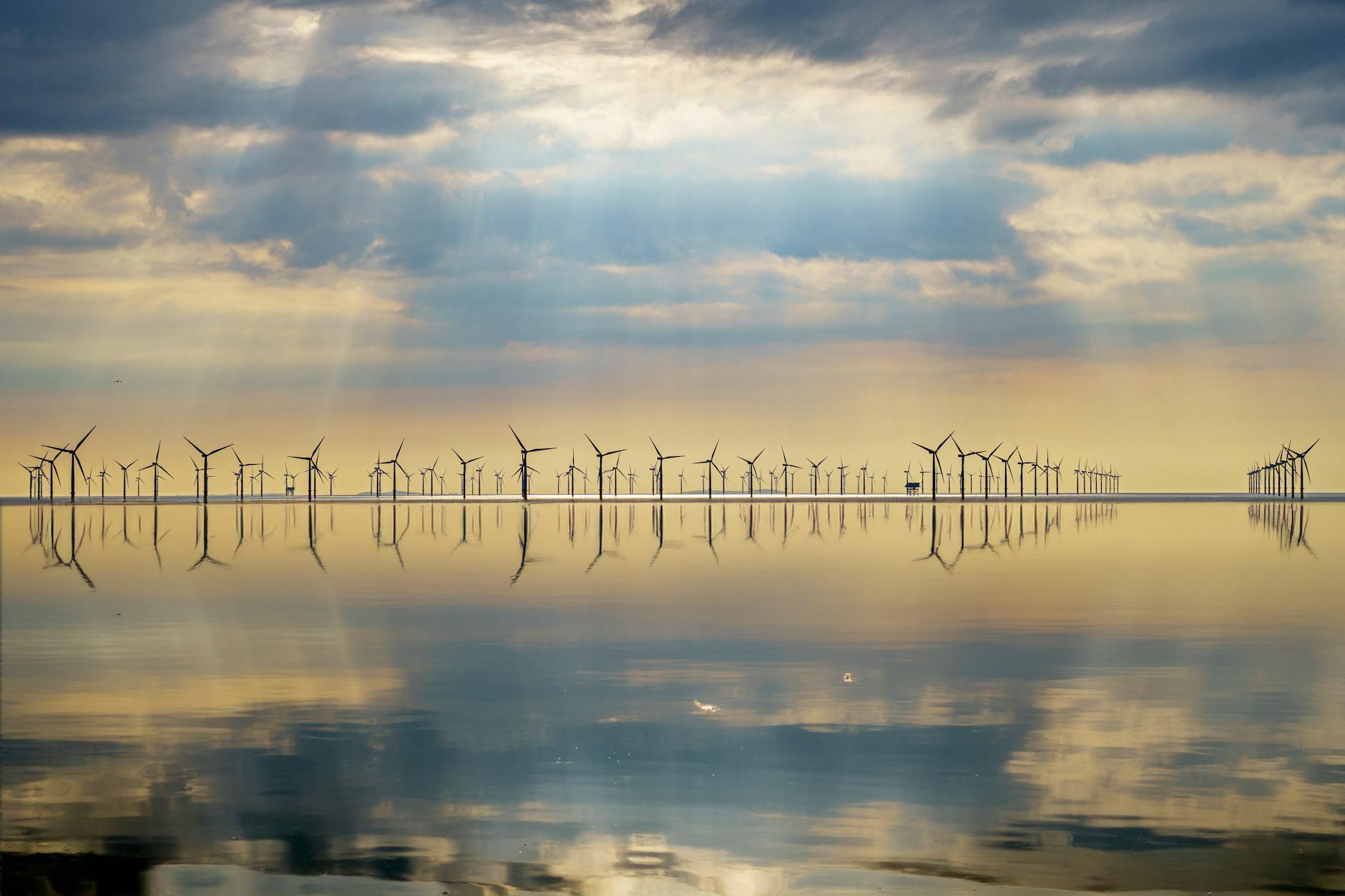
The Trump administration has struck a deal with French energy giant TotalEnergies, redirecting significant investment away from U.S. offshore wind projects toward oil and gas instead. This agreement, which allows TotalEnergies to recover nearly $1 billion in lease payments, marks a major pivot in American energy policy. Industry experts warn it creates unprecedented executive interference, risking a chill on wider infrastructure spending and undermining confidence in the nation's commitment to clean energy. This shift away from sustainable solutions like wind power raises serious concerns for the future of electrification and our collective efforts to address global warming.
The Earth is facing an unprecedented crisis, with every key climate indicator flashing red, according to U.N. Secretary-General António Guterres. This stark warning follows the World Meteorological Organization's latest State of the Global Climate report, which reveals record-high greenhouse gas concentrations and widespread environmental impacts. For the first time, the report introduces Earth's energy imbalance as a critical new measure, highlighting the alarming gap between the solar energy entering our atmosphere and the heat escaping back into space. This imbalance underscores the urgent need for global climate action to protect our planet.
Los Angeles County is grappling with an alarming rise in *Aedes aegypti* mosquitoes, now active year-round and linked to a recent surge in dengue fever. To combat this growing threat, local districts are piloting an innovative "sterile insect technique," releasing X-ray-sterilized male mosquitoes that cannot reproduce. Early results in Sunland-Tujunga show an impressive 80% reduction in female mosquito populations, a promising step towards controlling these disease carriers. However, expanding this crucial program across the county faces a significant hurdle: securing additional funding through property owner fees.
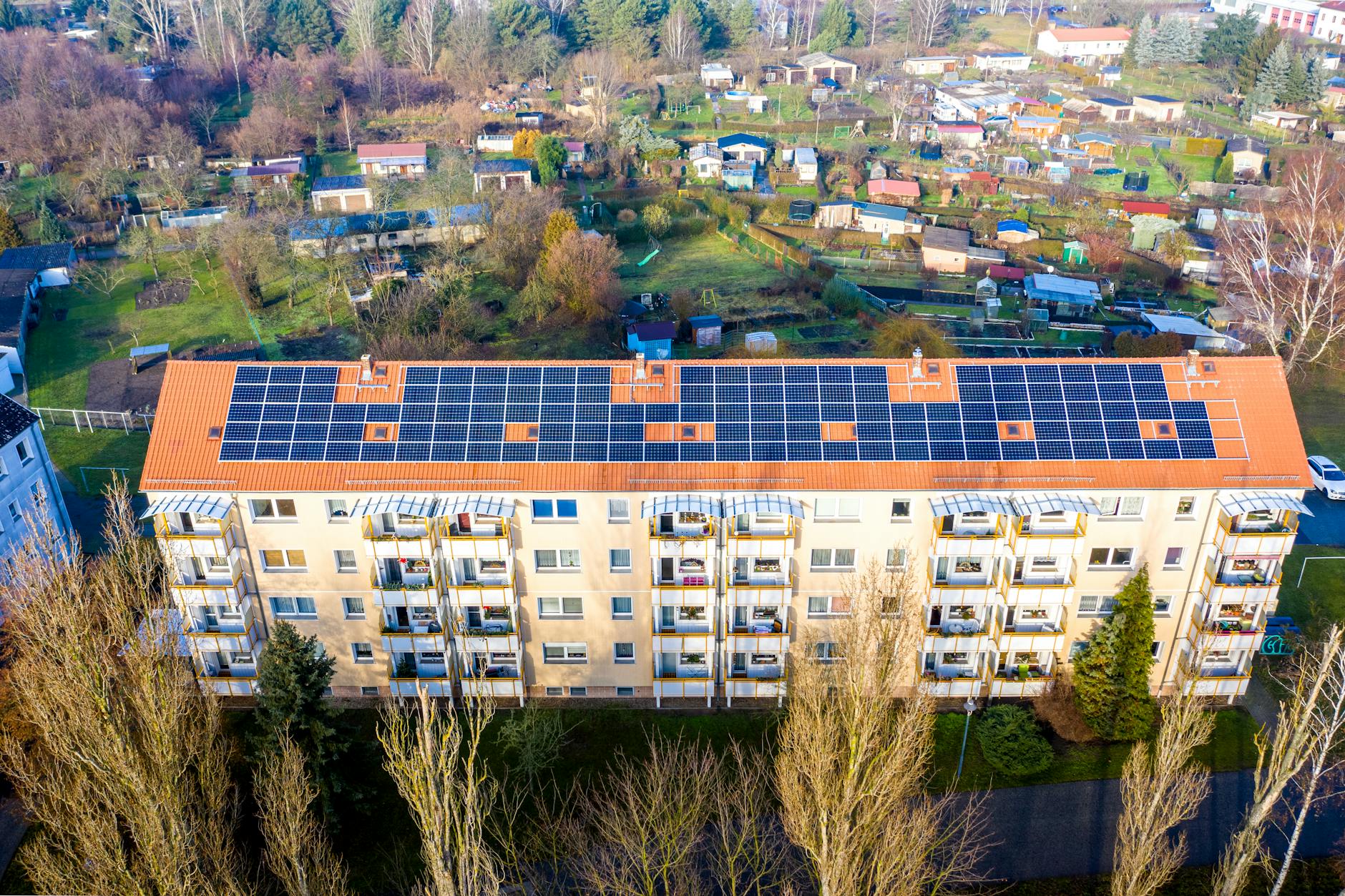
In Detroit's Hope Village, a house once destroyed by fire has been reborn as a model of clean energy efficiency. Through a total renovation by Hope Village Revitalization, the La Salle Eco-Demonstration house now showcases how sustainable solutions can transform buildings. Equipped with new insulation, efficient windows, electric heat pumps, and solar panels, it drastically cuts energy costs for residents. This project highlights the powerful impact of electrification and green technology in creating affordable, environmentally friendly living spaces.
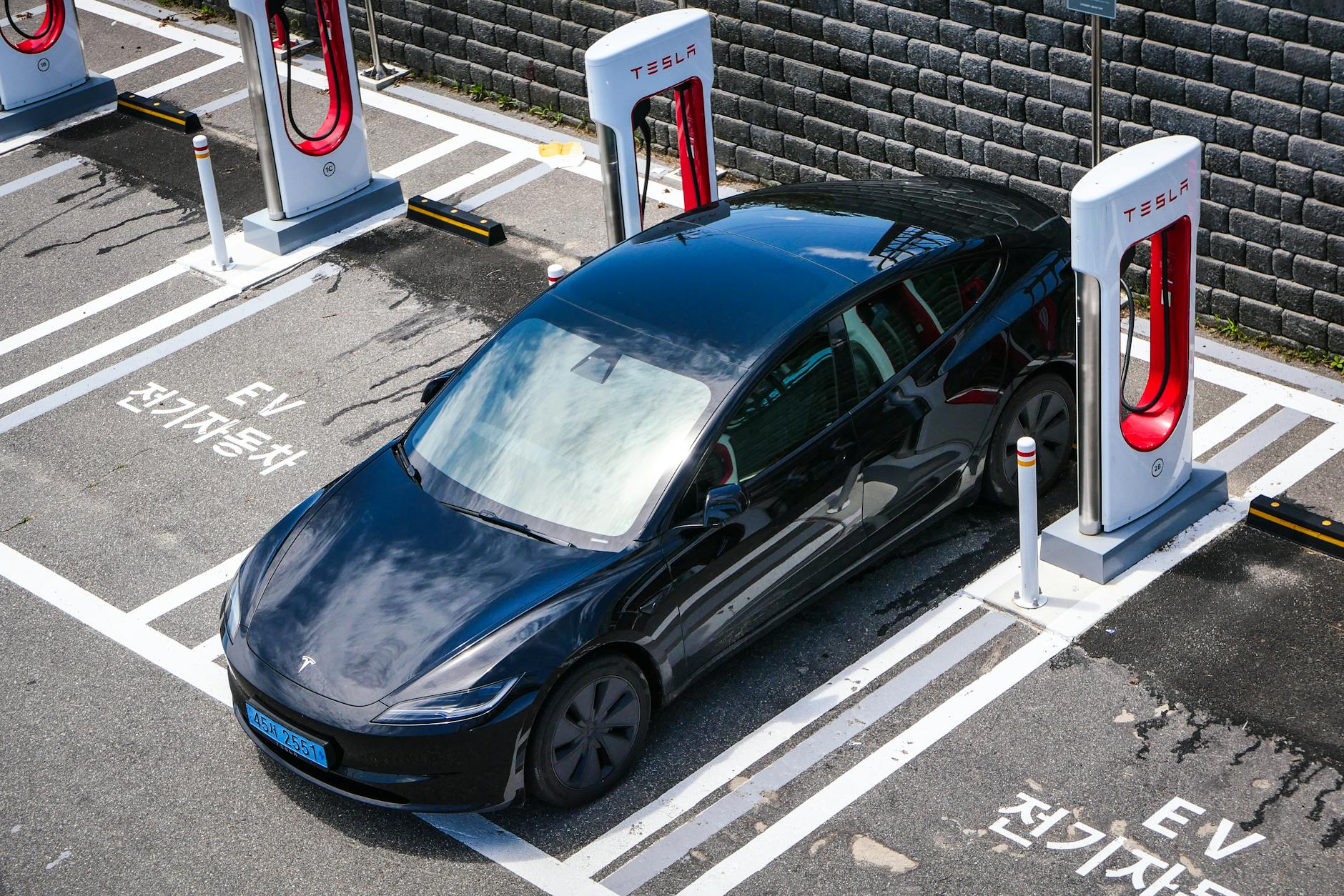
A significant rise in global oil prices, fueled by Middle East tensions and shipping disruptions, is rapidly accelerating the world's shift towards electric vehicles (EVs). This economic pressure is making EV ownership far more appealing, as drivers seek relief from soaring fuel costs. Chinese EV manufacturers are stepping up to meet this growing demand, leveraging their massive production capabilities and competitive pricing to dominate new markets. This surge underscores a crucial moment in global electrification, pushing us closer to sustainable transport solutions and reducing reliance on fossil fuels.
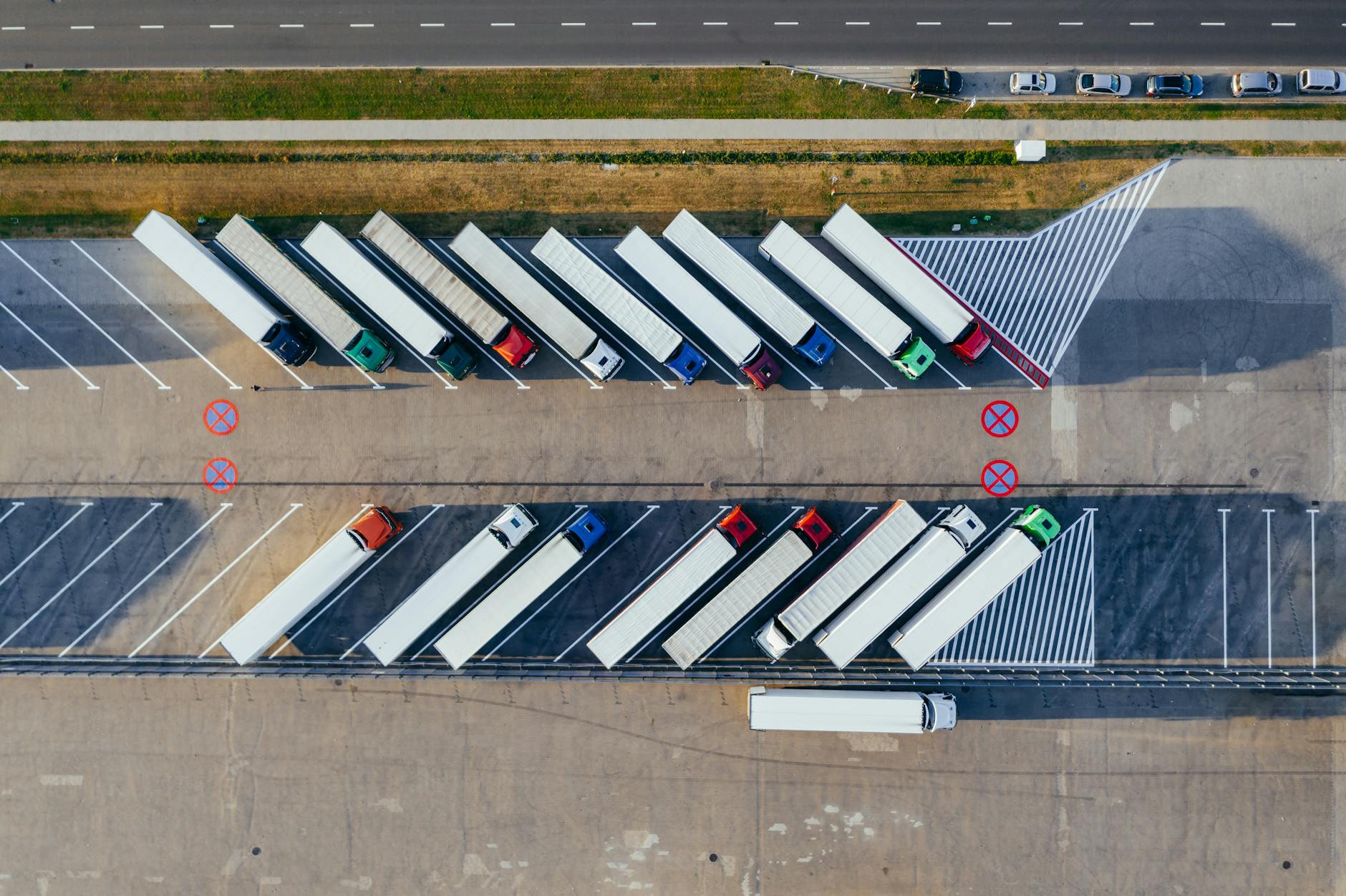
The Tesla Semi, an all-electric heavy-duty truck, is rapidly transforming the logistics industry and winning over skeptical veteran drivers. Praised for its effortless handling, advanced features, and significant comfort improvements, the Semi is making long hauls easier and less stressful than traditional diesel rigs. This shift isn't just about driver satisfaction; it represents a major step towards cleaner transportation. With pilot programs racking up millions of miles and delivering impressive efficiency, the electric truck is proving it can outperform its fossil-fuel counterparts, driving us closer to a sustainable future and reducing emissions on our roads.
Traditional cargo ships are major contributors to planet-warming carbon pollution, making ocean shipping a significant challenge for climate action. However, a French company named Neoline is charting a new course with its innovative vessel, the Neoliner Origin. This remarkable ship uses giant sails to harness wind for up to 70% of its propulsion, drastically reducing its reliance on fossil fuels. By combining ancient technology with modern efficiencies, Neoline aims to cut carbon emissions by an impressive 80% compared to conventional cargo ships, demonstrating a powerful step towards sustainable ocean transport.
The Interior Department is increasingly making it difficult for journalists to report on national parks and public lands, raising concerns about transparency. A recent incident saw SFGate reportedly blacklisted for critical coverage, with the National Park Service ceasing responses to their inquiries. This points to a broader effort by the Interior Department to centralize all communications, shifting hundreds of staff and requiring departmental approval for what parks can share. Such moves threaten the public's ability to stay informed about vital environmental changes and conservation efforts on our shared lands.