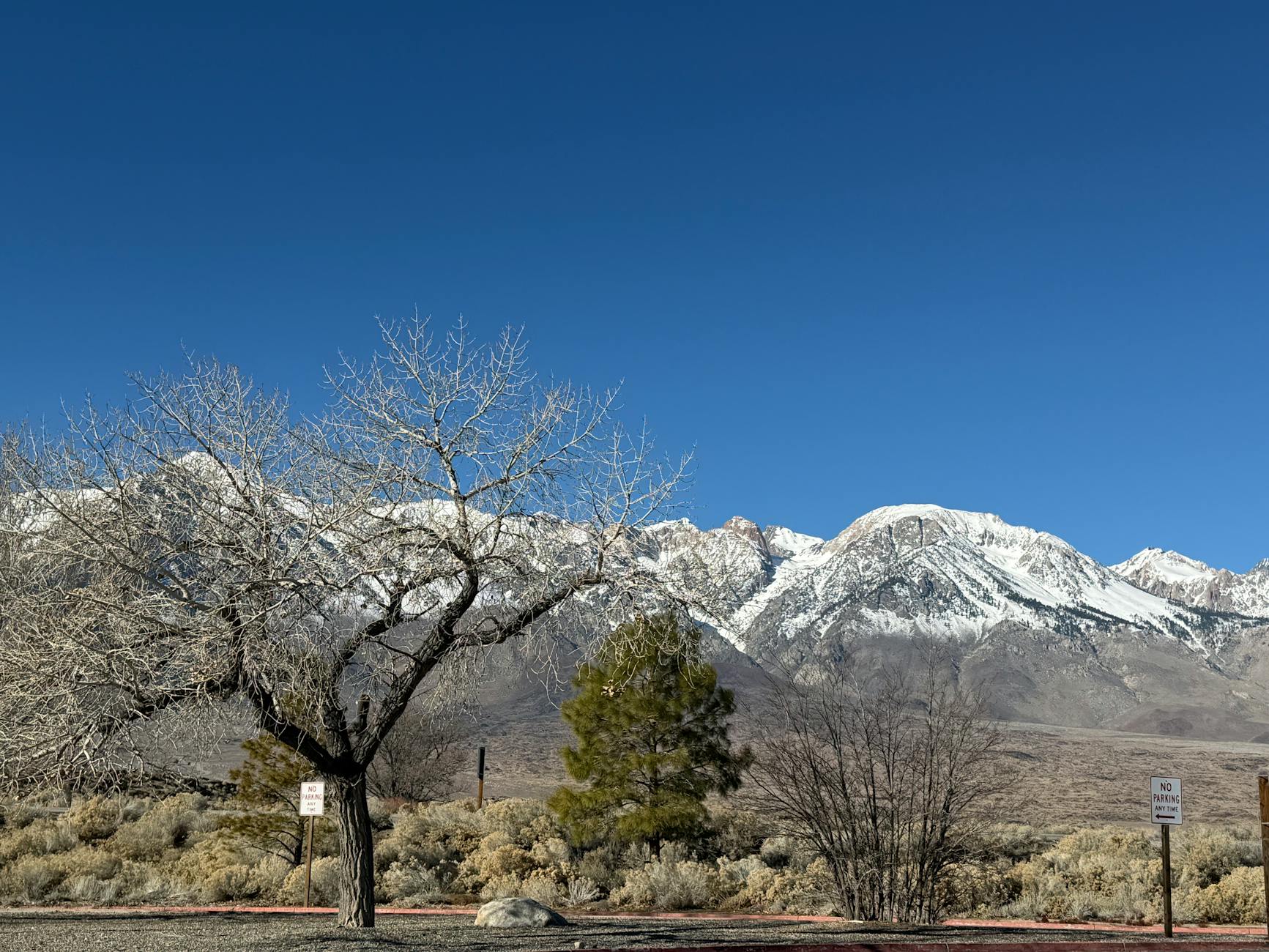
The Interior Department is increasingly making it difficult for journalists to report on national parks and public lands, raising concerns about transparency. A recent incident saw SFGate reportedly blacklisted for critical coverage, with the National Park Service ceasing responses to their inquiries. This points to a broader effort by the Interior Department to centralize all communications, shifting hundreds of staff and requiring departmental approval for what parks can share. Such moves threaten the public's ability to stay informed about vital environmental changes and conservation efforts on our shared lands.
This winter, Western U.S. ski areas are experiencing alarmingly low snowpack, leading to early closures and reduced employee hours. This isn't just a bad year; it's a stark sign of how global warming is making snowy seasons shorter and less predictable. While mountain communities depend heavily on winter sports, the ski industry's collective response to this existential threat has been surprisingly muted, failing to match the urgency of the climate crisis. The economic and environmental implications are severe, demanding more forceful action.
As the Western U.S. endures a historic early-season heat wave, Hawaii is battered by relentless, destructive floods. This extreme weather, from soaring temperatures that have shattered nearly 180 March records to deluge-driven devastation, is a stark reminder of our changing climate. Experts confirm that human-caused global warming has made such heat events "virtually impossible" without climate change, pushing our planet into unprecedented territory. These dramatic shifts underscore the urgent need for climate action to protect communities and vital resources.
California is currently experiencing an unprecedented March heat wave, smashing temperature records across the state. This extreme weather event is more than just an unusually hot spell; it's a stark reminder of our changing climate. Experts warn that this heat, alongside recent intense rains and destructive wildfires, is part of a dangerous 'weather whiplash' pattern directly linked to global warming. Understanding these shifts is crucial as they reshape California's landscape and challenge communities.
The White House is demanding a rapid increase in oil and gas production, echoing a "Drill Baby Drill" mantra, to counter a severe energy crisis. This mandate comes as geopolitical conflict in the Middle East sends Brent crude soaring and gas prices rising for consumers. However, major oil companies are hesitant to commit to long-term investments, citing unpredictable market volatility and the "fog of war." This global instability not only strains wallets but also underscores the critical need to accelerate the shift towards clean, resilient energy sources, offering a stark contrast to the vulnerability of fossil fuel dependence.
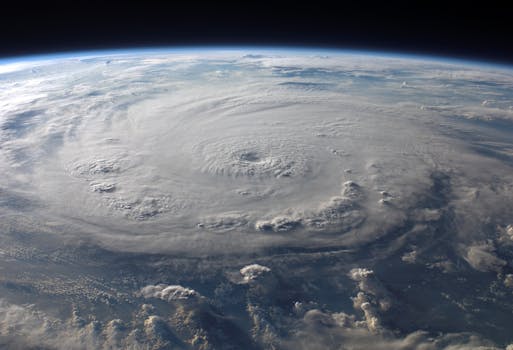
As our planet warms, hurricanes are growing stronger and more destructive, pushing the limits of our current warning systems. Some scientists are now proposing a radical change: adding a Category 6 to the existing hurricane rating scale. Atmospheric scientist I-I Lin suggests that storms with winds over 184 miles per hour, like 2013's devastating Typhoon Haiyan, are so powerful they warrant their own distinct classification. Her research highlights that such extreme storms have become more common, capable of doubling the destructive potential of a regular Category 5 hurricane. This shift is crucial to accurately convey the escalating danger posed by climate-fueled super-storms.
As Women's History Month shines a light on overlooked contributions, a new collection of books celebrates women's pivotal role in understanding and addressing climate change. From pioneering scientific discoveries to leading global climate action and shaping our collective future, these reads reveal how women have always been at the forefront. They explore the historical impact of climate on women, vital scientific insights, and compelling narratives urging urgent action. This curated list underscores the critical importance of diverse voices in tackling the environmental crisis.
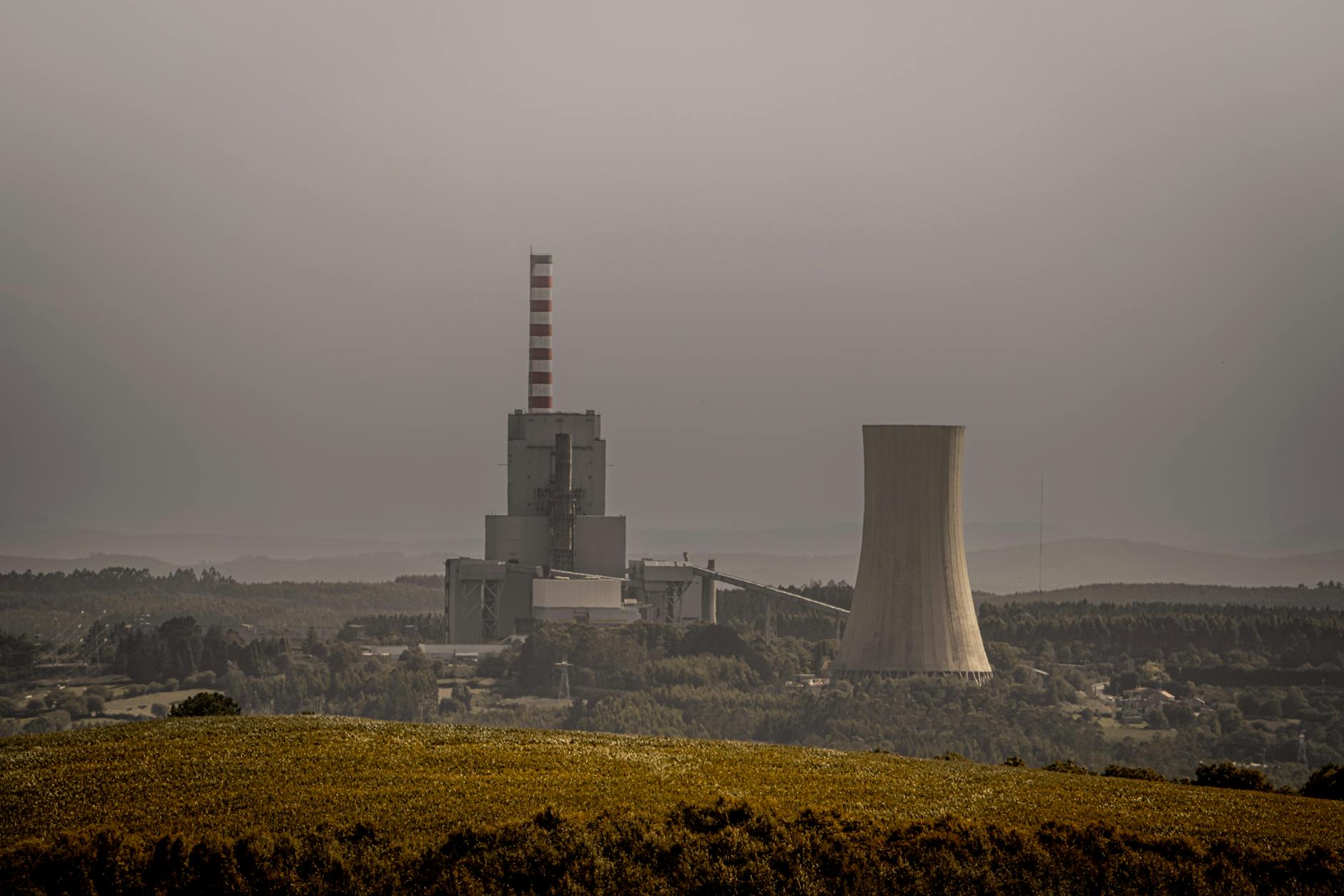
A new conflict in Iran is sending ripple effects across Asia, forcing several nations to turn back to coal as global liquefied natural gas (LNG) supplies are disrupted. This sudden shift, driven by critical fuel shortages, poses a significant threat to global climate goals and worsens air quality in already struggling regions. The reliance on imported fossil fuels highlights a critical vulnerability, making the urgent transition to sustainable energy solutions more vital than ever to avoid future environmental and economic shocks.
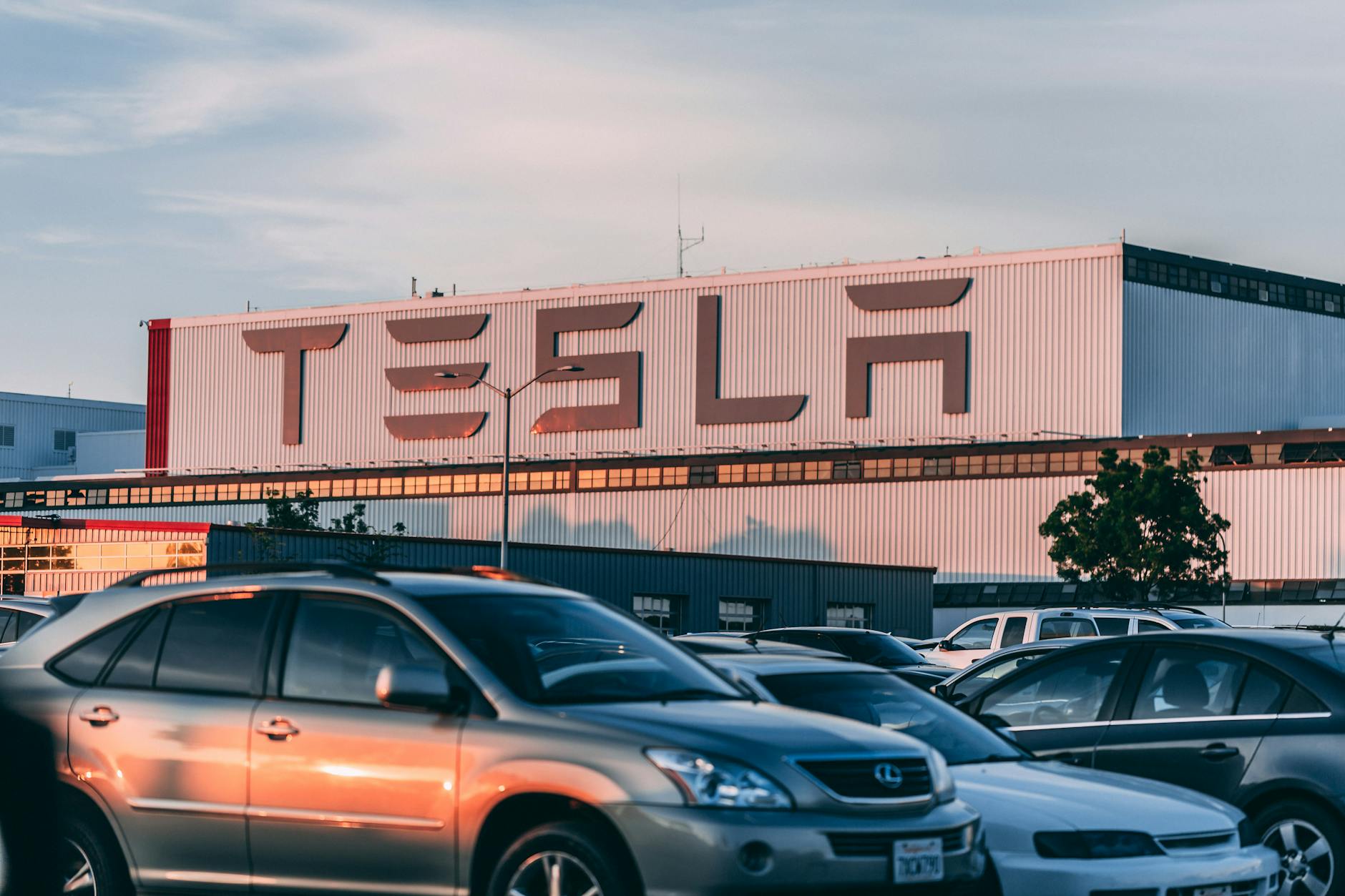
Tesla is reportedly planning a massive push into U.S. solar manufacturing, aiming for up to 100 gigawatts of capacity by 2028. This ambitious move, potentially involving a $2.9 billion purchase of Chinese equipment, could significantly boost America's clean energy independence. However, it also highlights a critical challenge: even as the U.S. seeks to grow its domestic green technology sector, it often relies on foreign supply chains, particularly from China, for essential manufacturing tools. This situation underscores the complex path towards a fully sustainable and localized energy future, emphasizing the urgent need for global collaboration in climate action.
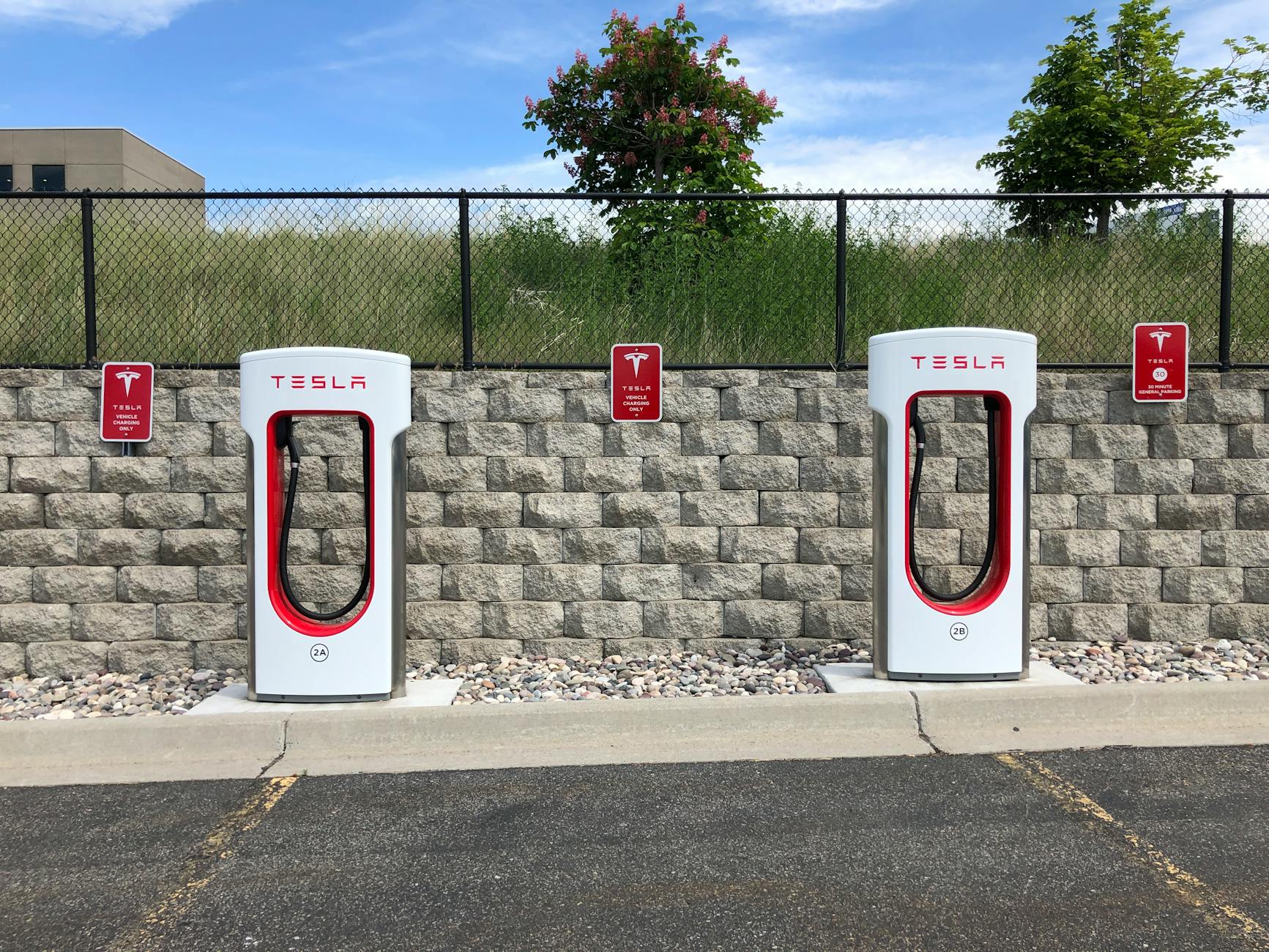
Tesla has unveiled its first "true" V4 Supercharger on the East Coast, located in Kissimmee, Florida. This advanced station delivers an incredible 500 kW of power, making it one of only a handful in the U.S. capable of such speeds. This isn't just an incremental update; it's a significant leap in charging technology, promising much faster charging times and laying the groundwork for future electric vehicles with higher voltage needs. It marks a crucial acceleration in building a sustainable, high-power EV infrastructure.
Illinois is making a significant move towards a cleaner energy future with a new law signed by Governor JB Pritzker. This legislation focuses on large-scale battery storage, a crucial step for boosting clean energy use across the state. By capturing and storing power generated from sources like wind and solar, these batteries can release electricity when demand is high, helping to bridge gaps when the sun isn't shining or the wind isn't blowing. This investment aims to power millions of homes, reduce reliance on costly fossil fuels, and ultimately save residents billions of dollars on their utility bills.
California is experiencing a record-breaking heat wave, causing its vital Sierra Nevada snowpack to melt at an unprecedented rate. This snowpack typically supplies about a third of the state's water, replenishing reservoirs in spring and summer. However, climate change is accelerating this runoff, leading to less water availability when it's most needed. While many reservoirs are currently full, the early disappearance of this natural “snow reservoir” poses a significant challenge for future water supply and highlights the urgent need for adaptive management in the face of a changing climate.