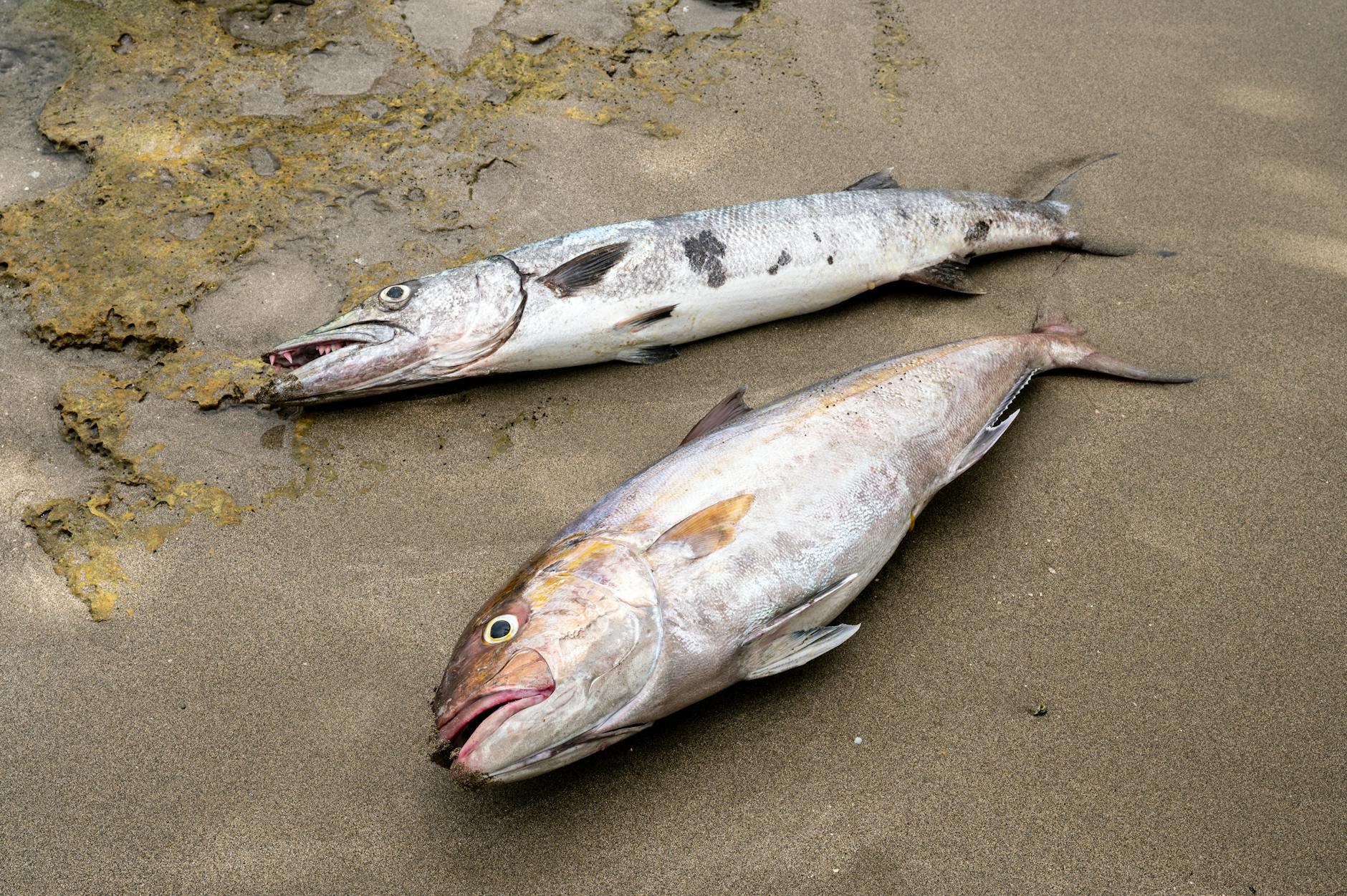
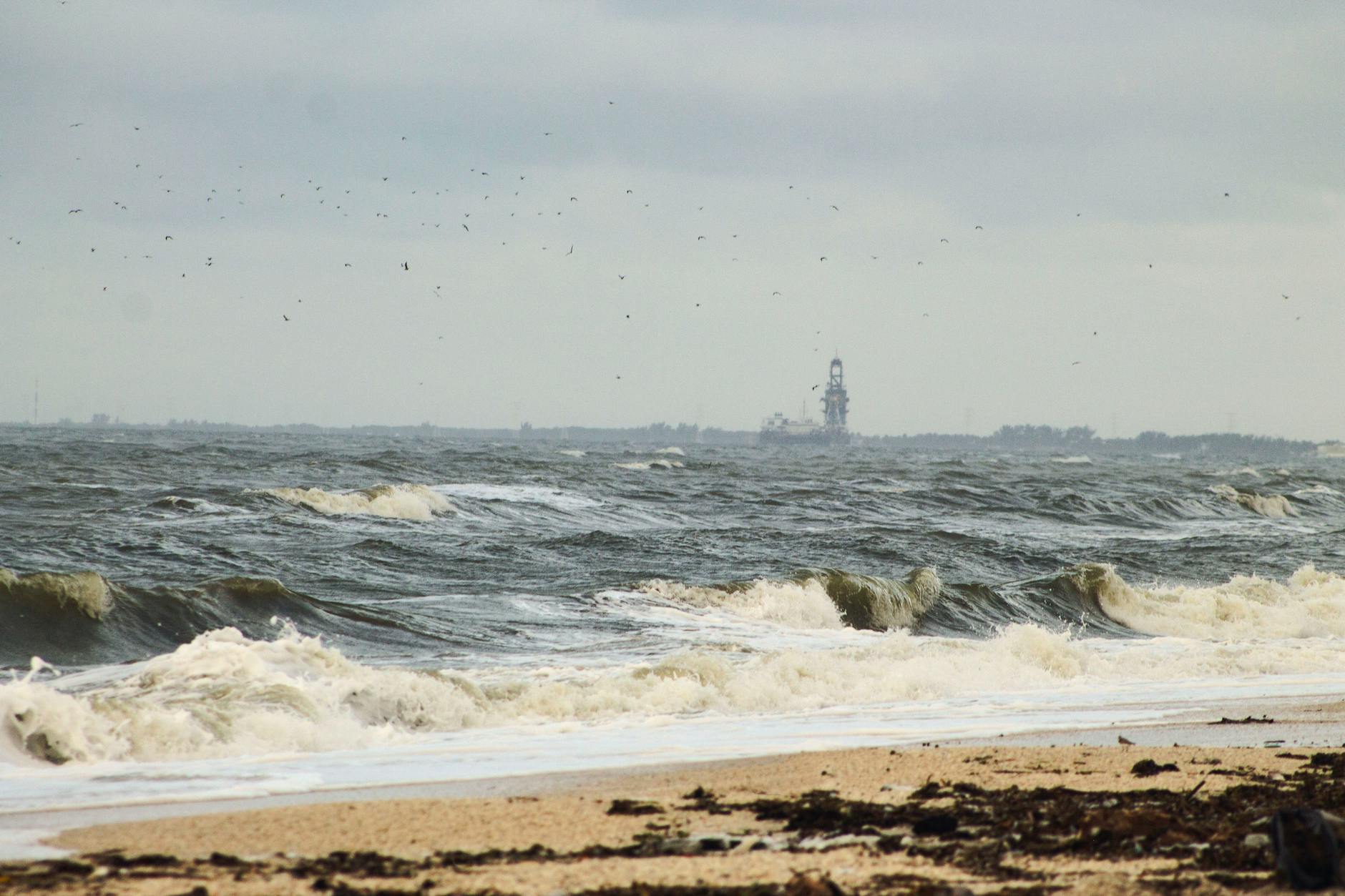
A significant oil spill in the Gulf of Mexico has spread over 370 miles, severely impacting coastal communities in Mexico. The disaster has devastated the fishing industry in states like Veracruz, Tabasco, and Tamaulipas, leaving markets desolate during what should be their busiest season, Holy Week. Beyond the immediate economic blow to hundreds of fishermen, the spill has seeped into seven nature reserves, raising serious concerns about environmental damage and reports of marine life fatalities. This event underscores the fragile balance between human activity and vital ecosystems.
Rural communities across the U.S., like Duryea, Pennsylvania, face an intensifying threat from extreme weather, particularly devastating floods exacerbated by climate change. These small towns rely heavily on federal funding for essential protection, such as upgrading aging flood defenses. However, billions in federal disaster preparedness funds were stalled by the Trump administration, leaving countless vulnerable communities in a perilous waiting game. While a recent court order has pushed for the program's restart, uncertainty remains about when and if crucial climate-related projects will receive the much-needed support.
A federal judge has ruled that Alabama Power can continue charging one of the nation's highest monthly backup fees for residential solar customers. This decision concludes a long-standing legal challenge and is seen by advocates as a significant blow to clean energy progress in the state. The fee, which adds around $39 to an average solar homeowner's monthly bill, is widely criticized for slowing down solar adoption and delaying the shift towards sustainable, fossil-fuel-free electricity. Alabama currently ranks last per capita in residential solar capacity, underscoring the urgency of addressing barriers to renewable energy.
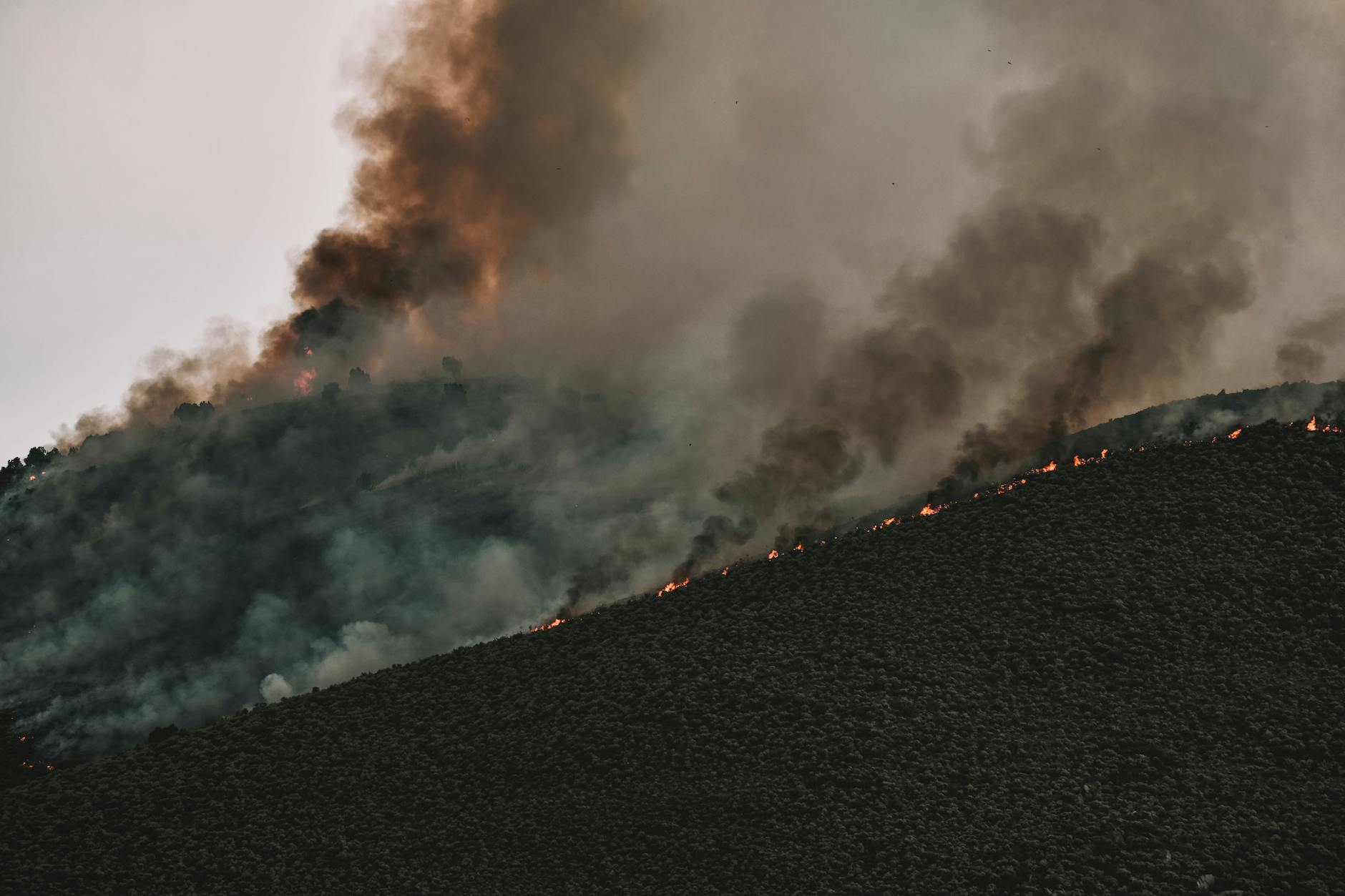
The United States is grappling with an exceptionally active wildfire season, already breaking records by late March. Over 1.5 million acres have burned, a staggering 127 percent above the 10-year average, with more ignitions than any year in the past decade. This early surge, fueled by one of the warmest and driest winters on record, is a stark reminder of escalating climate change impacts. Experts warn that these unprecedented blazes could set the stage for a long and dangerous summer, underscoring the urgent need for action against global warming.
Around the world, nations are rapidly expanding carbon markets and committing to significant greenhouse gas reductions. The UK's voluntary carbon market alone now exceeds $2 billion annually, with projections for massive growth, emphasizing the urgent need for stricter standards to prevent greenwashing. Countries like Congo, India, and Paraguay are building robust carbon trading frameworks, while Brazil advances with large-scale forest restoration projects linked to carbon credits. These coordinated efforts highlight a critical global push towards a more sustainable future, addressing climate change with both market mechanisms and direct emission cuts.
Father Joe Mitchell, a Passionist priest from Louisville, Kentucky, has dedicated decades to bridging two critical gaps: the disconnect between people and the divine, and between humanity and the natural world. Through the Passionist Earth & Spirit Center, he fostered an interfaith approach, drawing wisdom from Christian and Buddhist traditions to address our global environmental crisis. Mitchell stresses that while science provides facts, faith inspires the necessary lifestyle changes, urging us to recognize Earth not merely as a resource, but as our shared, sacred home. His work underscores the urgent need for a profound shift in how we relate to the planet, viewing environmental action as a spiritual imperative for collective flourishing.
A controversial panel, nicknamed the “God Squad,” is set to decide the fate of endangered marine life in the Gulf of Mexico. The Trump administration is pushing to waive Endangered Species Act protections for all federal oil and gas operations, citing national security concerns. This unprecedented move could significantly impact species like the critically endangered Rice's whale, numbering only 51 individuals, and several sea turtle species. Environmental groups argue this is a reckless power grab, as experts doubt the national security claims and emphasize the profound risks to the delicate Gulf ecosystem from increased drilling and potential oil spills. The decision highlights the urgent need to prioritize environmental protection over short-term fossil fuel interests.
Global climate negotiations often stall on phasing out fossil fuels, a failure political scientist Jessica Green attributes to a fundamental flaw in our approach. In her book, "Existential Politics," Green argues that fossil fuel companies skillfully redirected climate action away from eliminating their products and towards the complex, easily gamed system of "managing tons" of emissions. This strategic misdirection allows the root cause – fossil fuel extraction and combustion – to continue, threatening our planet's future. Recognizing this urgent problem is the first step toward effective environmental action.
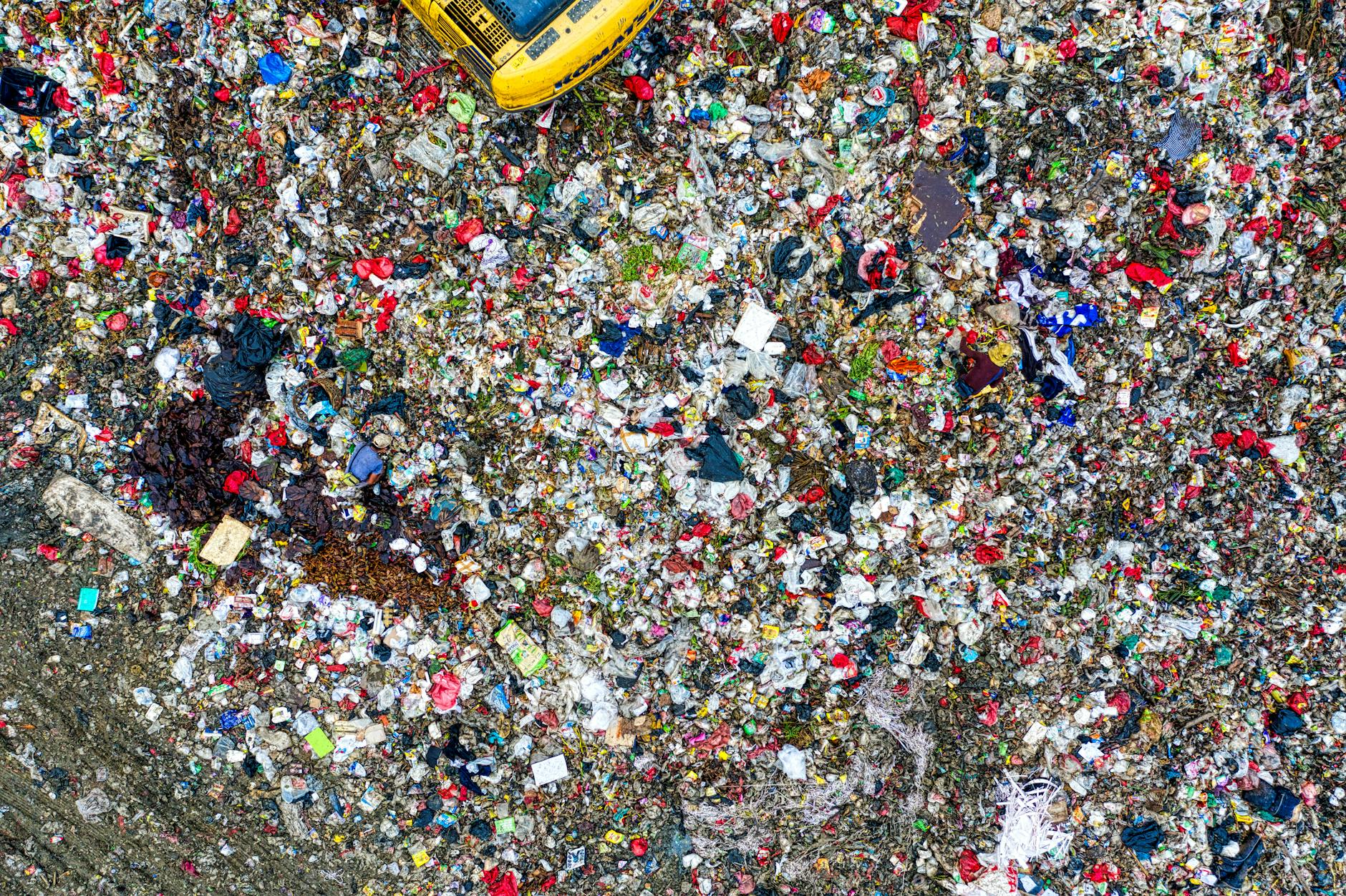
Starbucks recently announced that its plastic to-go cups are now "widely recyclable" across over 60 percent of U.S. households. This sounds like good news for the environment, but experts say there's a significant catch. Just because a cup can be collected for recycling doesn't mean it actually gets recycled; the real recycling rate for these plastic cups remains alarmingly low, often just 1 or 2 percent. This disparity highlights a crucial challenge in waste management, emphasizing the urgency of effective climate action and genuine sustainability efforts.
Facing rising gas prices and pressure to support farmers, the EPA has temporarily approved the sale of higher ethanol-blended gasoline (E15) this summer. This move is intended to provide relief at the pump for consumers. However, environmental advocates and researchers are raising significant concerns, questioning if E15 truly offers economic benefits and warning about its potential negative impacts on air quality and climate goals. The decision reignites a long-standing debate over the environmental efficacy of corn-based biofuels.
The global push for climate action is accelerating, with carbon markets seeing significant expansion and new commitments to reduce harmful emissions. The UK reports that voluntary carbon markets already exceed US$2 billion annually and could multiply 15 times by 2030, highlighting the urgent need for stricter standards to prevent greenwashing. Meanwhile, nations like Canada, India, and Brazil are rolling out ambitious plans, from slashing methane emissions in the oil and gas sector to launching massive carbon inventory projects. These worldwide efforts underscore a critical moment for protecting our planet and fostering a sustainable future.
Elephants Tina and Billy, formerly of the L.A. Zoo and now residing at the Tulsa Zoo, are reportedly facing significant health and behavioral challenges. Tina, 59, is battling a uterine infection, while Billy, 40, continues to exhibit chronic stress behaviors. Animal rights activists are intensifying their long-standing calls for the elephants to be relocated to a specialized sanctuary, arguing that such an environment would offer a better quality of life. High-profile celebrities, including actor Samuel L. Jackson, have joined this urgent advocacy, highlighting the critical need for appropriate care and freedom for these magnificent creatures.