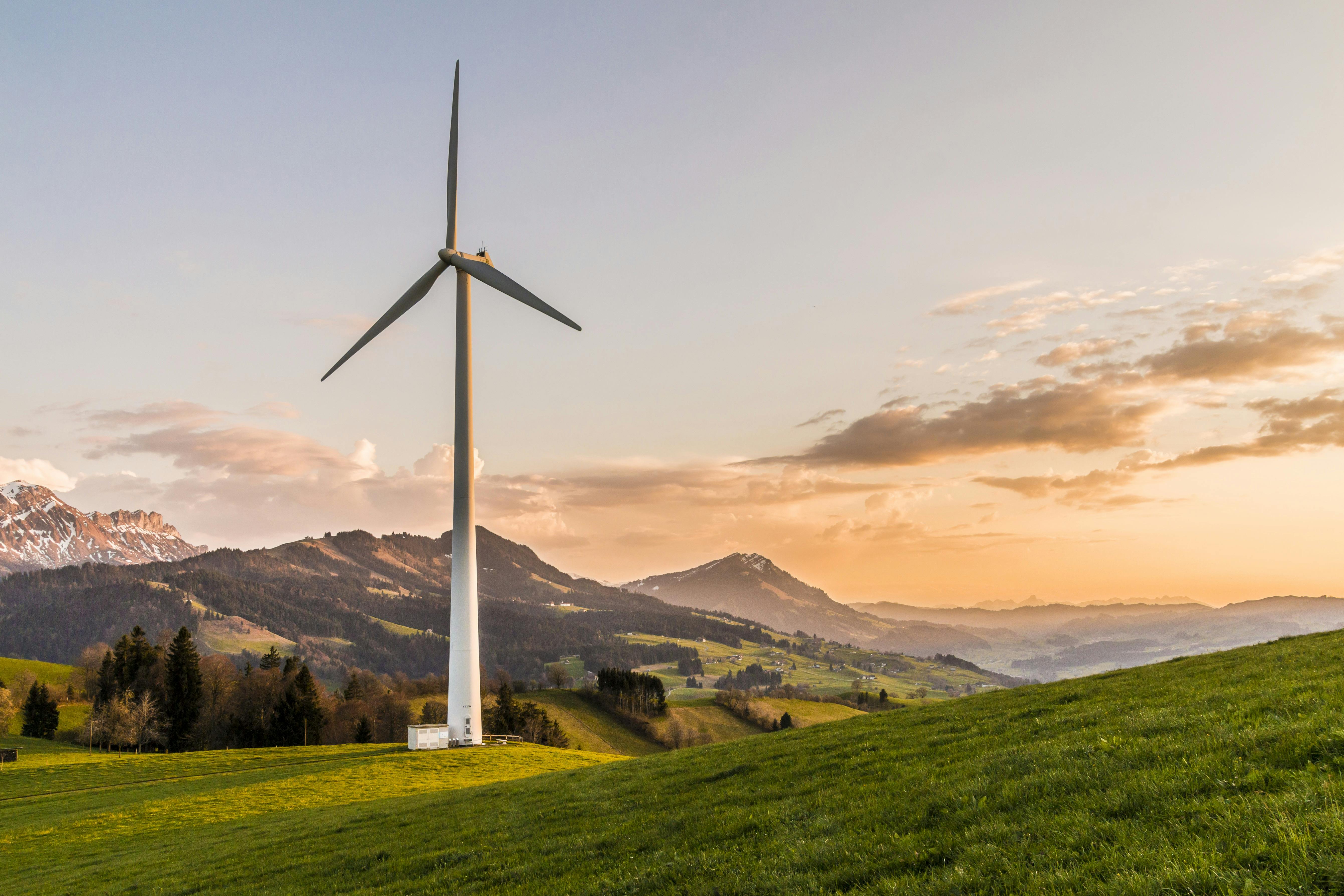
A stark new reality is emerging on the global energy stage, with the United States notably lagging in the rapid transition to renewable power. As the world convenes at significant climate conferences like COP30, data suggests that while other nations aggressively embrace the future of green energy, the U.S. risks being left behind. This delay has urgent implications, not only for environmental targets but also for economic competitiveness and global leadership. The pace of change elsewhere underscores a critical moment for American policy and innovation.
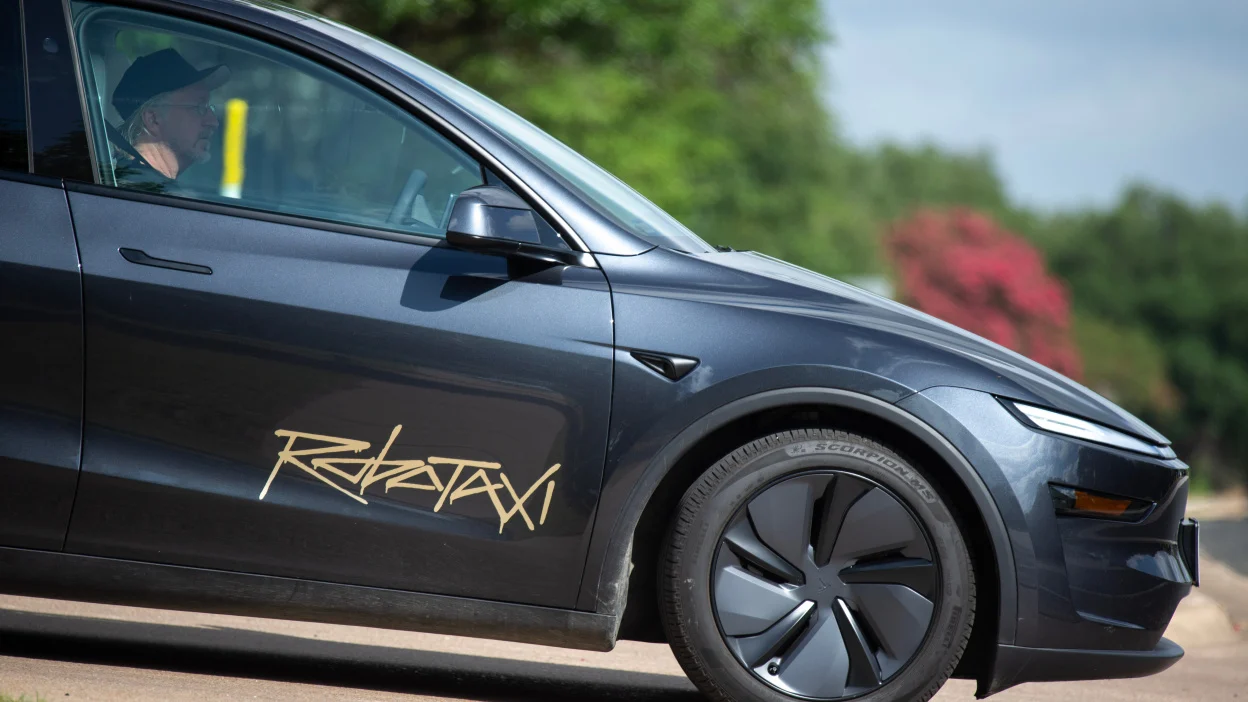
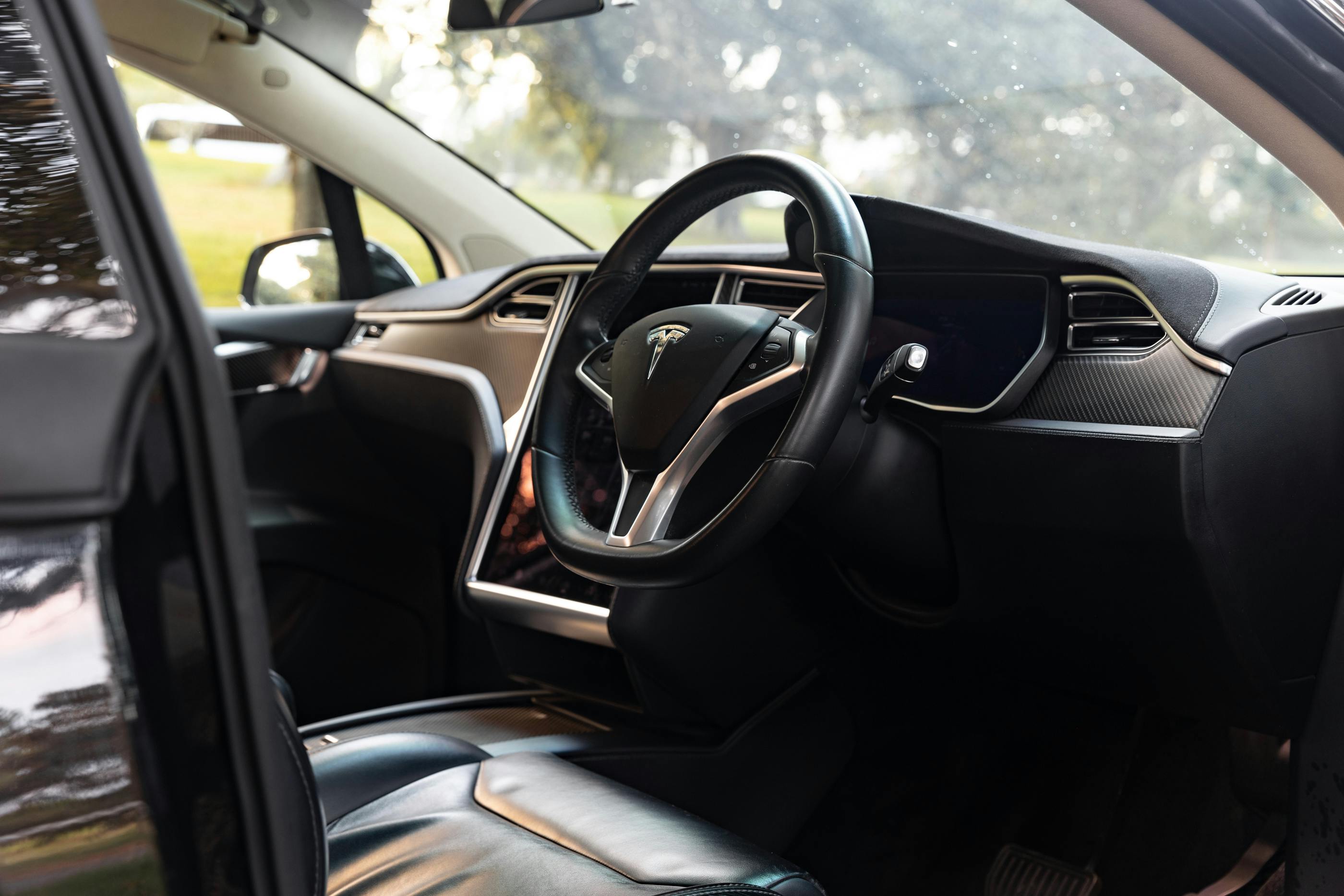
Tesla's Full Self-Driving (FSD) technology and its Robotaxi service are increasingly showing that artificial intelligence can often drive better and safer than humans. Users in cities like Austin and the Bay Area are reporting more comfortable, reliable, and even more affordable rides compared to traditional ride-sharing options. This advanced self-driving capability is not just about convenience; it highlights a significant path toward drastically improving road safety for everyone. With tens of thousands of lives lost annually in crashes and thousands more affected by drowsy driving, the shift towards autonomous vehicles offers a powerful solution to these pressing human-caused problems.
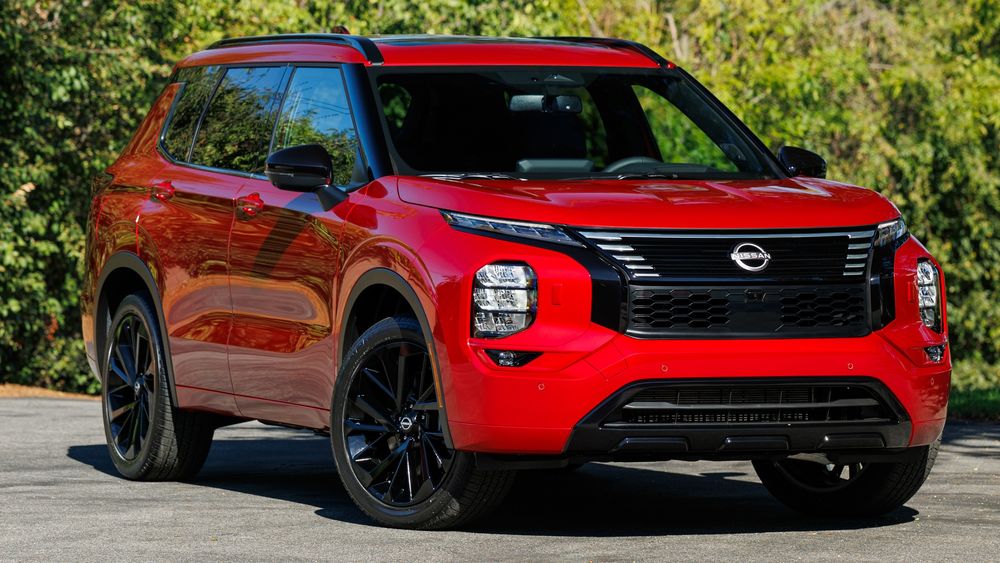
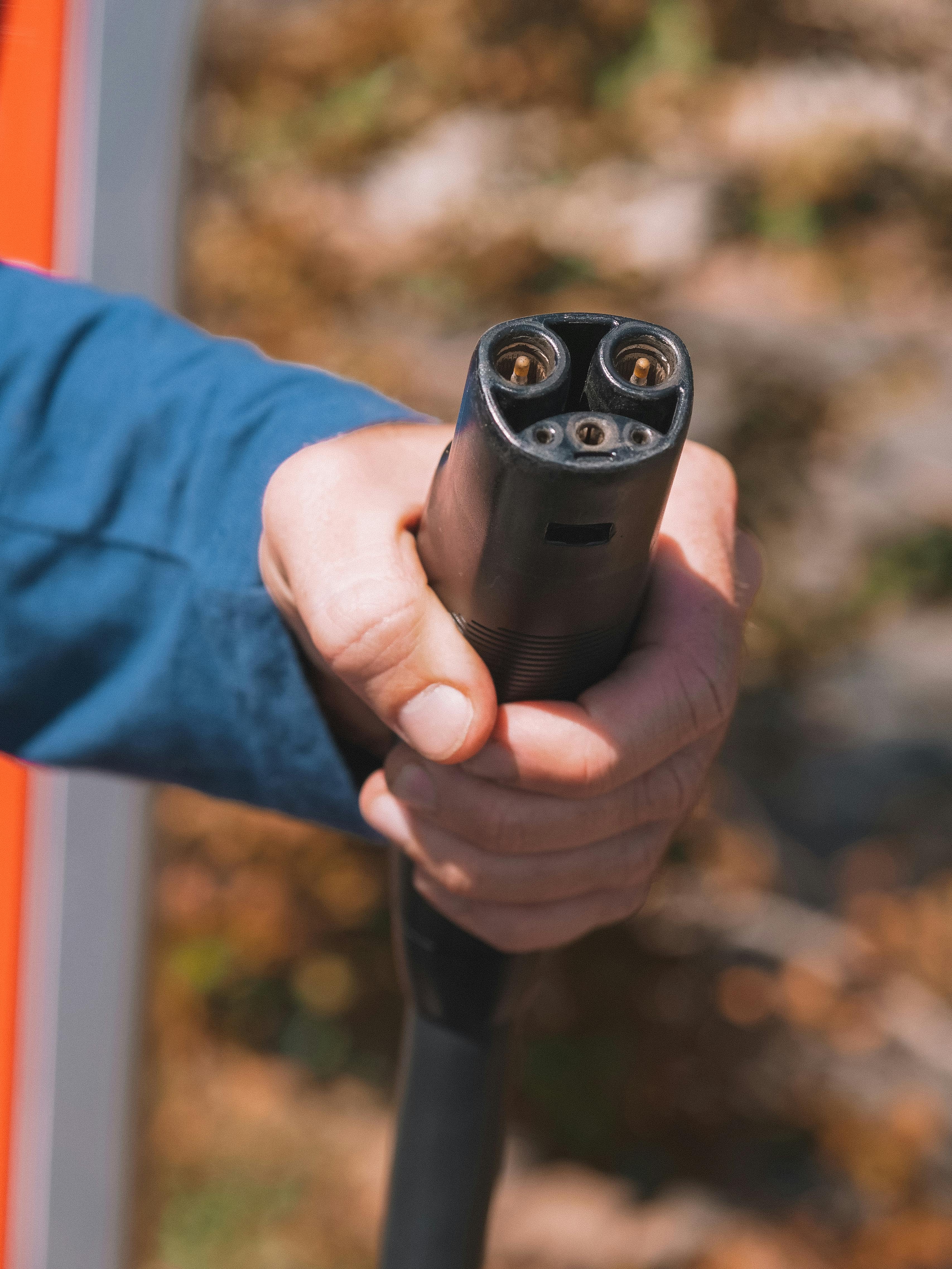
Nissan has officially launched its first-ever Plug-in Hybrid Electric Vehicle (PHEV) in the United States, the 2026 Rogue PHEV, marking a critical moment for the automaker. This new model, a rebadged version of the successful Mitsubishi Outlander PHEV, promises up to 38 miles of all-electric range. While leveraging a proven platform helps Nissan enter the competitive PHEV market, the vehicle’s debut is overshadowed by surprising omissions. Consumers and industry observers are questioning Nissan’s decision to exclude a larger battery and DC fast charging capabilities, features present in its European counterpart, raising concerns about its competitiveness in a rapidly evolving market.
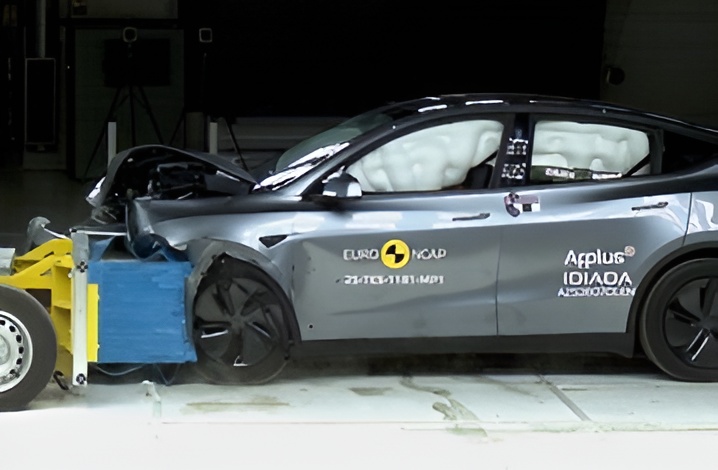
ClimateClicker has compiled a new ranking using every vehicle tested under Euro NCAP’s updated 2023 assessment protocol. By summing the four Euro NCAP category scores—Adult Occupant, Child Occupant, Vulnerable Road Users and Safety Assist. Tesla still sets the benchmark for crash protection and accident avoidance. Tesla Model Y ranks first with 362 points, followed by Model 3, smart #5, Leapmotor B10 and the Volvo EX90.
Tesla Chair Robyn Denholm has hailed a recent shareholder vote as an “overwhelming support” for the company's ambitious future, including the controversial approval of Elon Musk's trillion-dollar pay plan. In a direct letter to investors, Denholm framed this decision as a critical endorsement of Musk's leadership and Tesla's accelerating vision for an autonomous, AI-driven world. This pivotal vote, she stated, reaffirms confidence in Tesla's "Master Plan Part IV" and its mission to pioneer sustainable prosperity. The message underscores the urgent mandate given to Tesla to aggressively pursue its next phase of groundbreaking innovation, which is crucial for its long-term trajectory.
The global race for electric vehicles and renewable energy storage faces a critical bottleneck: the urgent need for ultra-pure, battery-grade lithium. 'Surge Battery Metals' is rapidly emerging as a key player, having demonstrated the ability to produce 99.9% pure lithium carbonate from its Nevada North Lithium Project. This unprecedented purity is vital for advanced EV chemistries, including the rapidly expanding LFP battery market, which now accounts for nearly 50% of global EV battery chemistry. The urgency to secure such high-purity supply has never been greater as the industry pivots to more demanding battery technologies.
The UK Department for Education's recent Curriculum and Assessment Review acknowledges the importance of climate science and sustainability teaching in schools, sparking optimism. However, critics argue the recommendations fall short of adequately embedding climate education across all Key Stages. Despite recognizing climate understanding as vital for future green jobs and the economy, the current approach relies heavily on Science and Geography, neglecting a holistic integration. There is a pressing call for immediate, statutory guidance, robust teacher training, and clear timelines to meet the demands of the escalating climate emergency.
As negotiators gather in Belém for COP30, Brazil is trying to brand this summit as a historic course correction on climate – and even as the moment when ethics finally enter the heart of global negotiations through a new Global Ethical Stocktake. Yet on the ground, the “Amazon COP” is being built on fresh destruction: a four-lane highway slicing through remaining rainforest, dozens of construction projects, and the rapid approval of new offshore oil drilling near the mouth of the Amazon. At the same time, a controversial “devastation bill” has weakened environmental licensing just as Brazil’s emissions, deforestation and wildfire impacts remain alarmingly high. Indigenous leaders and social movements are already clashing with security forces to make themselves heard. What happens in Belém in the coming days will help decide whether the Amazon becomes a symbol of protection – or a warning from a world that chose delay over survival.
At the opening of the U.N. climate summit in Belém, Brazilian President Luiz Inácio Lula da Silva demanded that governments confront a rising wave of climate denial, warning that disinformation is helping to push the world toward disaster. He branded COP30 the “COP of truth” and urged delegates to defeat those who manipulate algorithms, attack science and block action, even as negotiations nearly stalled over what issues could be discussed. A new U.N. analysis released at the talks shows that updated national climate plans would cut global emissions by only about 12% by 2035 compared with 2019, while scientists say a 60% reduction is needed to keep the Paris Agreement’s 1.5°C goal within reach. With the last three years likely to be the hottest ever recorded and the world on course to overshoot 1.5°C within a decade, leaders in Belém face a stark choice: accelerate climate action now or lock in irreversible damage for billions of people.
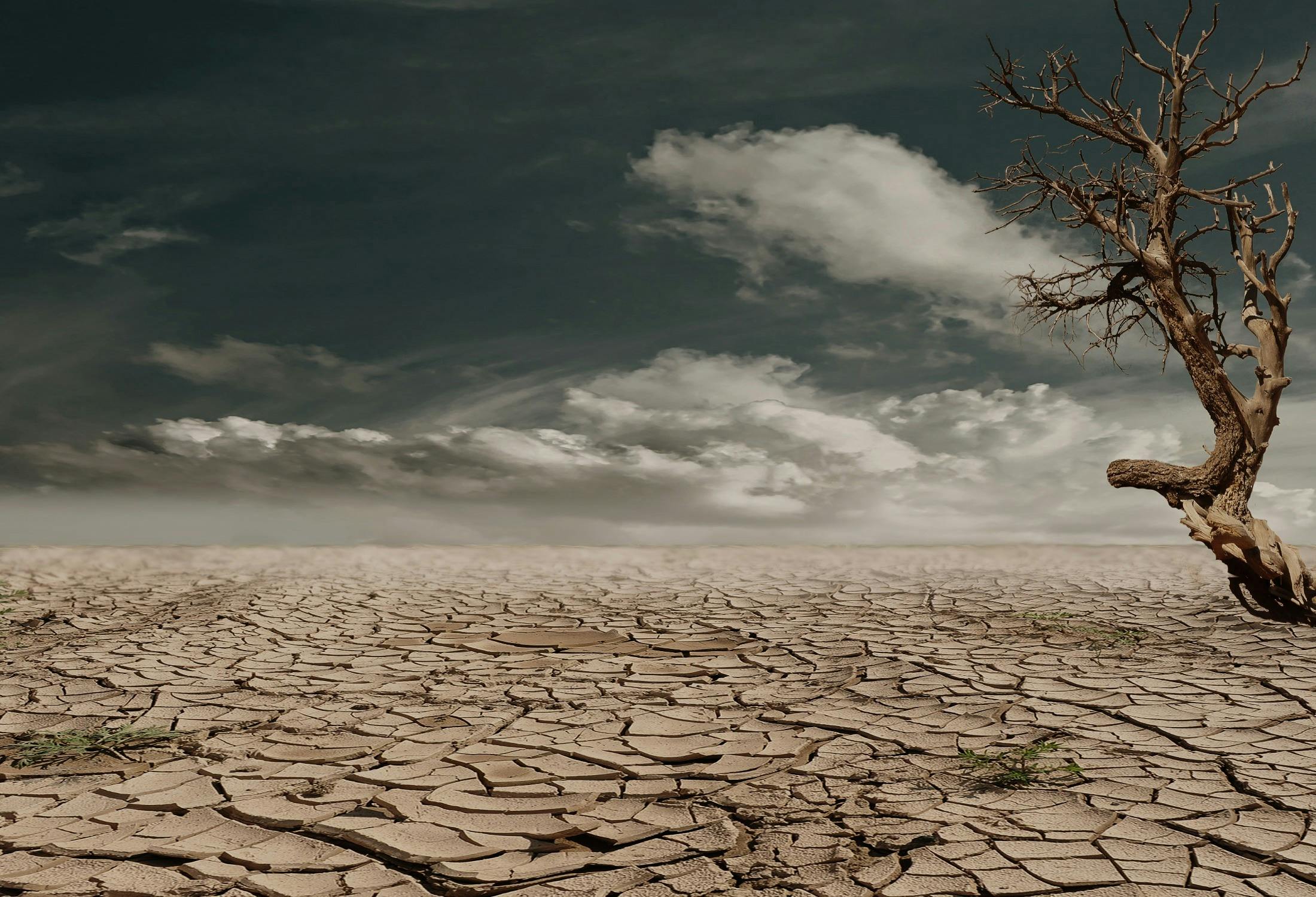
At the U.N. climate summit in Belém, Brazil, the most striking thing may be the empty chair: for the first time in three decades of climate diplomacy, the United States has not sent any top officials. As President Trump withdraws from the Paris Agreement for a second time and tears up U.S. pledges to cut fossil fuel use, the world is left asking whether the fight to stabilize the climate can succeed without its richest country and largest oil and gas exporter. New U.N. analyses show that even if governments deliver on their current promises, the planet is heading for roughly 2.5 to 2.9 degrees Celsius of warming — far beyond the Paris targets and deep into danger. Yet other powers are already moving: China’s clean-tech boom, record global investment in renewables and rising climate leadership from vulnerable countries are beginning to redraw the map of climate power. The stakes could not be higher, because 2024 was the hottest year ever recorded and the window to avoid irreversible damage is closing fast.
Around 9,000 years ago, a huge section of East Antarctica suddenly destabilised when warm deep ocean water surged under its ice shelves and made them collapse. A new reconstruction based on marine sediments from Lützow-Holm Bay and advanced climate–ocean models shows that meltwater from other Antarctic regions triggered a chain reaction, reshaping ocean currents and funnelling heat toward this supposedly stable sector. Once the floating ice shelves disintegrated, inland ice flowed faster into the sea, driving rapid ice-sheet retreat and sea-level rise. Scientists warn that the same “cascading positive feedback” is now being set up again as warm water gnaws at West Antarctic glaciers like Thwaites and Pine Island. The message from the past is stark: if warming continues, Antarctic ice loss could accelerate far faster than our coastal defences and societies are prepared for.
On a family ranch in south-central Montana, a new climate experiment is unfolding beneath a grassy hillside. After the 2021 PF Fire killed more than 50,000 ponderosa pines, Mast Reforestation worked with landowner Rebecca Gentry to dig a 22-foot pit and bury over 10 million pounds of charred trees, sealing them under soil, gravel and plastic so their carbon cannot easily escape. The company will turn that buried wood into roughly 5,000 tons of carbon removal credits, potentially selling them for around $100–200 per ton, with the revenue funding replanting across the burn scar. Similar “biomass burial” projects from companies like Graphyte and Wood Cache promise durable, relatively low-tech carbon storage. But experts warn that this tool is only truly climate-positive when it uses genuine waste wood, is rigorously monitored for centuries and, crucially, does not distract from the urgent work of phasing out fossil fuels.