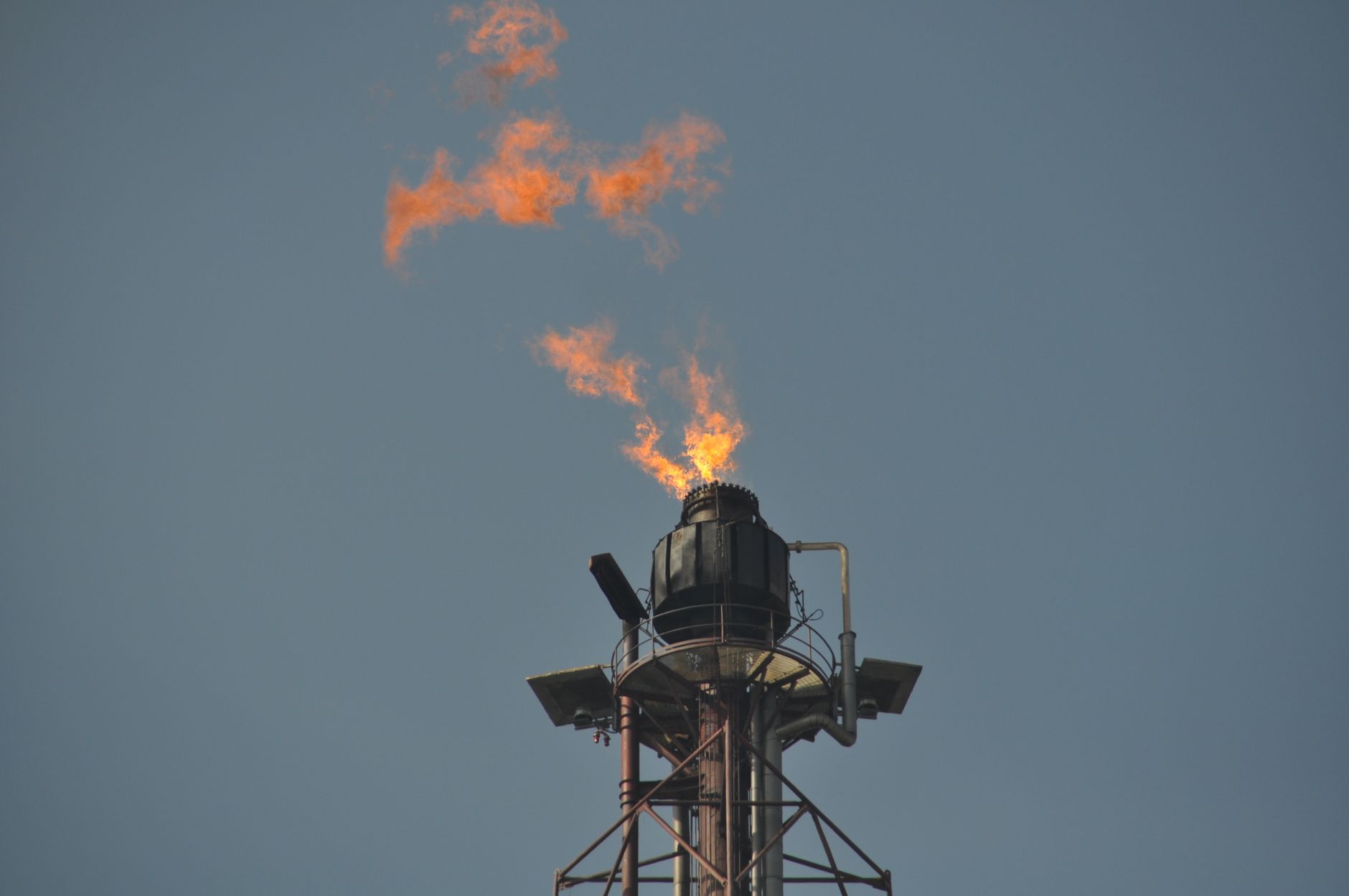
Residents in El Paso are demanding answers and accountability after Marathon Petroleum's refinery released hazardous compounds above legal limits earlier this month. The incident, which residents link to severe health issues like headaches and nausea, has amplified long-standing concerns about air quality in the community. Local officials and a U.S. Representative are now pressing state and federal environmental regulators to intervene, emphasizing the urgent need for cleaner air and greater transparency. This situation highlights how industrial operations directly impact community health and the environment, stressing the importance of robust environmental protection.
The UK government and Google are launching a landmark trial, "Operation Blue Skies," to significantly reduce aviation's climate impact. This ambitious 30-month research program aims to prevent the formation of condensation trails, or contrails, by guiding hundreds of commercial flights to slightly alter their altitude. Contrails, often seen as thin white lines behind planes, contribute surprisingly to global warming by trapping heat. By using Google's AI forecasts, this effort seeks to find practical, scalable solutions for a greener future in air travel, building on earlier successes with individual airlines.
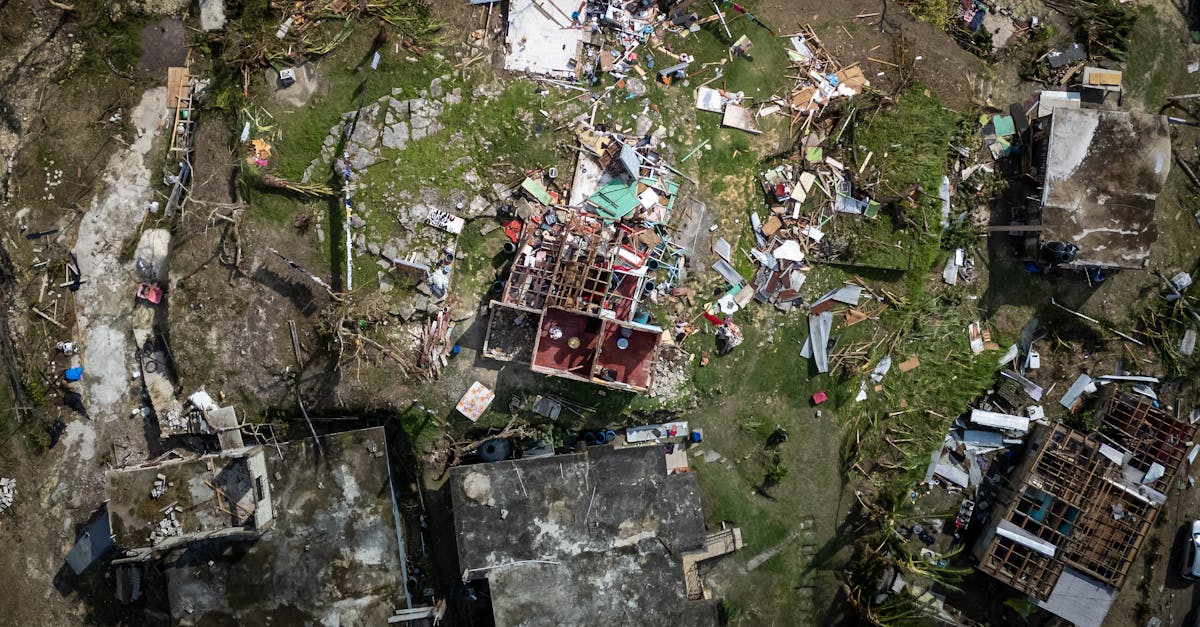
Hurricane Lala, despite never officially making landfall, left a trail of significant destruction across Hawaii, especially the Big Island. Over 100 homes were damaged, roads blocked by felled trees, and nearly 200,000 homes and businesses lost power, with some outages expected to last for months. This unusual intensity was amplified by a strong El Niño, which warms Pacific waters. While Hawaii rarely sees such severe hurricanes, scientists warn that a stronger tropical storm season is increasingly likely in the coming decades due to rising global temperatures, highlighting the islands' growing climate vulnerability.
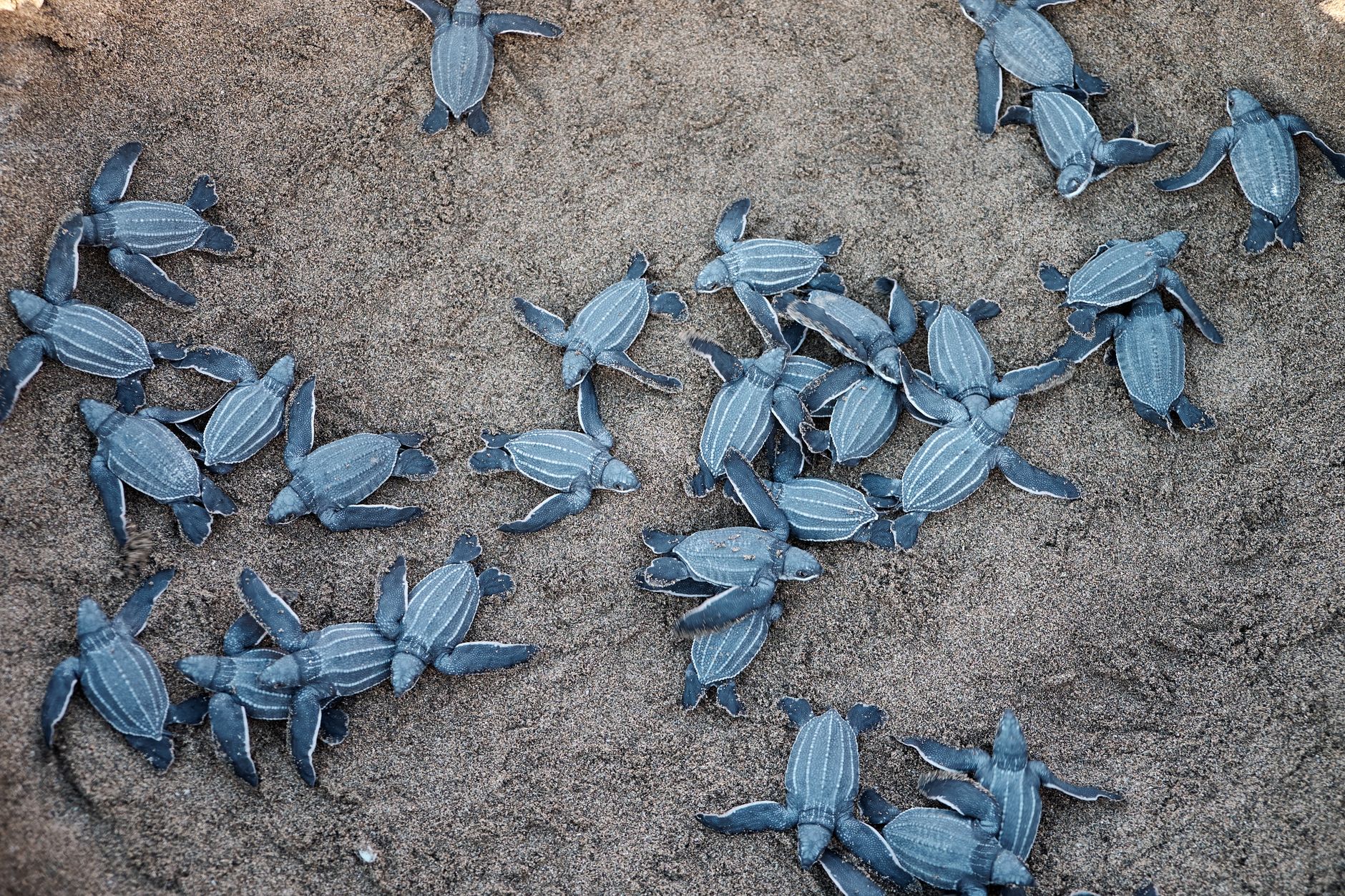
The National Oceanic and Atmospheric Administration (NOAA) is enacting sweeping changes across U.S. waters, pushing to dismantle crucial marine protections nationwide. These new directives, driven by a 2025 executive order, prioritize short-term economic gains for the fishing industry over established conservation efforts. Endangered species like leatherback turtles, Steller sea lions, and North Atlantic right whales face increased threats, with proposals to shrink sanctuaries, remove species from protected lists, and loosen gear restrictions. This controversial move, criticized by conservationists, raises serious concerns about the long-term health and sustainability of our vital ocean ecosystems, especially in the face of escalating climate impacts.
Tesla is reportedly gearing up to launch its innovative Cybercab robotaxi service to the public in Austin, Texas, as early as this month [Source: teslarati.com, citing The Information]. This significant move introduces a fully autonomous, two-seater electric vehicle designed to operate without pedals or a steering wheel, relying solely on Tesla’s Full Self-Driving software. It marks a crucial milestone in the journey towards sustainable urban mobility, promising a cleaner, more efficient way to travel and reducing the environmental footprint of daily commutes. The rollout underscores the accelerating shift towards electrification and smart transportation solutions.
Powerful ocean swells have dramatically reshaped Newport Beach, uncovering forgotten infrastructure buried for decades. Piles of rocks, concrete, and rusted metal rods, believed to be remnants of old jetties, are now visible along the shoreline. This intense erosion, near the popular Wedge surf spot, is fueled by a growing El Niño pattern and recent hurricanes. Such extreme weather events underscore the urgent need to address climate change, as our coastlines face increasing threats from a changing global climate. This situation highlights how shifts in global weather patterns directly impact our local environments.
Microsoft has sharply reduced its purchases of carbon removal credits this year, cutting them by about 80% compared to last year. This significant shift comes as the tech giant's overall emissions increased by 25% in fiscal 2025, largely driven by the massive energy demands of its expanding artificial intelligence (AI) business. This creates a challenging paradox for Microsoft, as it strives for rapid AI growth while still aiming to become carbon negative by 2030. The situation highlights a growing tension between technological advancement and urgent climate action.
General aviation faces a critical deadline: phasing out leaded fuel by 2030. This shift is vital as lead, once removed from cars decades ago, continues to pose serious health risks, especially to children living near airports. Despite the urgency, transitioning over 220,000 aircraft to unleaded alternatives presents significant technical, economic, and logistical challenges. The move towards cleaner aviation is an essential step for public health and environmental protection, but the path forward remains complex.
Costa Rica's commitment to environmental action is making a real difference in the global fight against climate change. A recent United Nations review confirms that the nation's lush forests absorbed over 10.2 million tonnes of carbon dioxide equivalent between 2020 and 2023. These significant "net removals" stem from ongoing efforts to protect forests and boost their ability to store carbon. This achievement highlights the power of sustainable solutions and helps secure vital climate finance for the country's continued conservation work.
Thirteen young Hawaiians have achieved a landmark victory, settling a lawsuit that will transform the state's approach to climate action. Their case against the Hawai‘i Department of Transportation (DOT) alleged a violation of their constitutional right to a clean environment. The groundbreaking settlement now requires the DOT to completely decarbonize its transportation sector by 2045, marking a significant step towards a sustainable future. This outcome showcases the powerful impact youth voices can have in accelerating progress against global warming.
Tesla recently rolled out an exciting Vehicle-to-Load (V2L) Outlet Adapter, promising to transform Model Y cars into mobile power sources for everything from laptops to camping gear. This innovative feature highlights the growing versatility of electric vehicles, offering practical benefits beyond transportation. However, many owners, even those with newer Model Ys, are discovering their vehicles aren't compatible due to an older internal power system. This unexpected hurdle has created disappointment for those eager to tap into their EV's full potential.
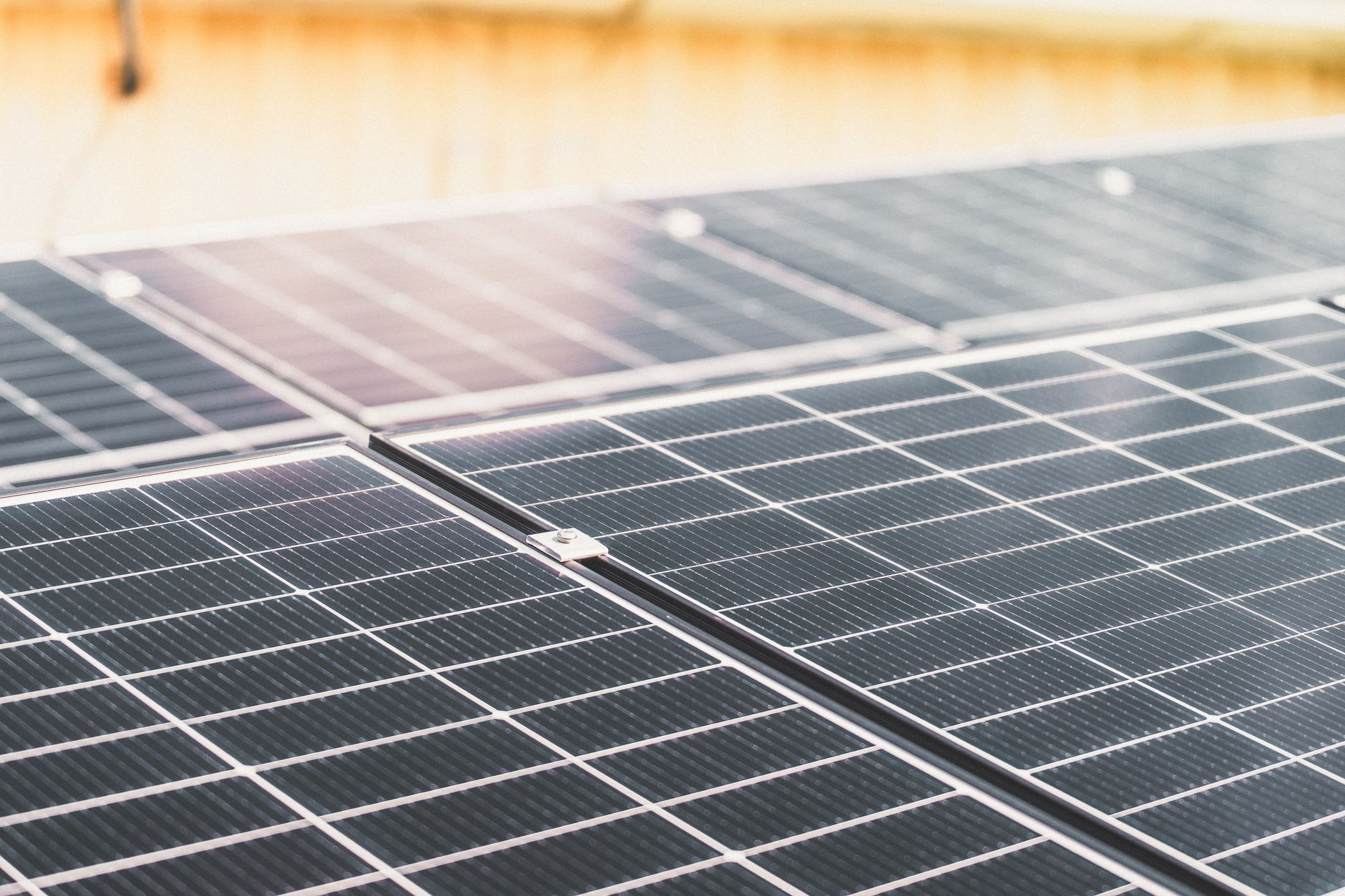
Utah is seeing a boom in new homes, with Governor Spencer Cox targeting 150,000 new builds. Amidst this growth, the nonprofit Utah Clean Energy is championing a crucial initiative: making these new residences climate-friendly. This means homes powered by clean energy like solar, featuring electric appliances and heating systems that drastically cut planet-warming carbon pollution. These advanced homes not only promise greater comfort during extreme weather but also offer significant long-term savings on utility bills, paving the way for a more sustainable future.