Many have noticed Tesla's Robotaxi fleet isn't expanding as quickly as expected, but CEO Elon Musk has clarified the strategy. During a recent earnings call, Musk emphasized the company's paramount commitment to safety, aiming to prevent any harm to people or even pets. He noted that while conventional car accidents often go unnoticed, a single incident involving a Robotaxi would draw global scrutiny and regulatory backlash. This cautious approach, supported by an impressive safety record of 380,000 unsupervised miles without incident, also allows Tesla to prove its software works broadly across many cities, not just one. Despite calls for faster growth, Tesla prioritizes methodical expansion to ensure trust and reliability for this significant leap in sustainable transportation.
In 2017, winemaker Steve McIntyre witnessed his vineyard hit an unimaginable 116 degrees, a stark reminder of climate change's grip on California's vital wine industry. New research from Tohoku University confirms this threat, predicting a dramatic shift in prime grape-growing regions, potentially moving away from iconic areas like Napa and Sonoma. This isn't just about wine; it’s a clear signal of the urgent need for environmental action as extreme weather reshapes our landscapes. However, growers are already implementing innovative sustainable solutions to adapt to these challenging new realities.
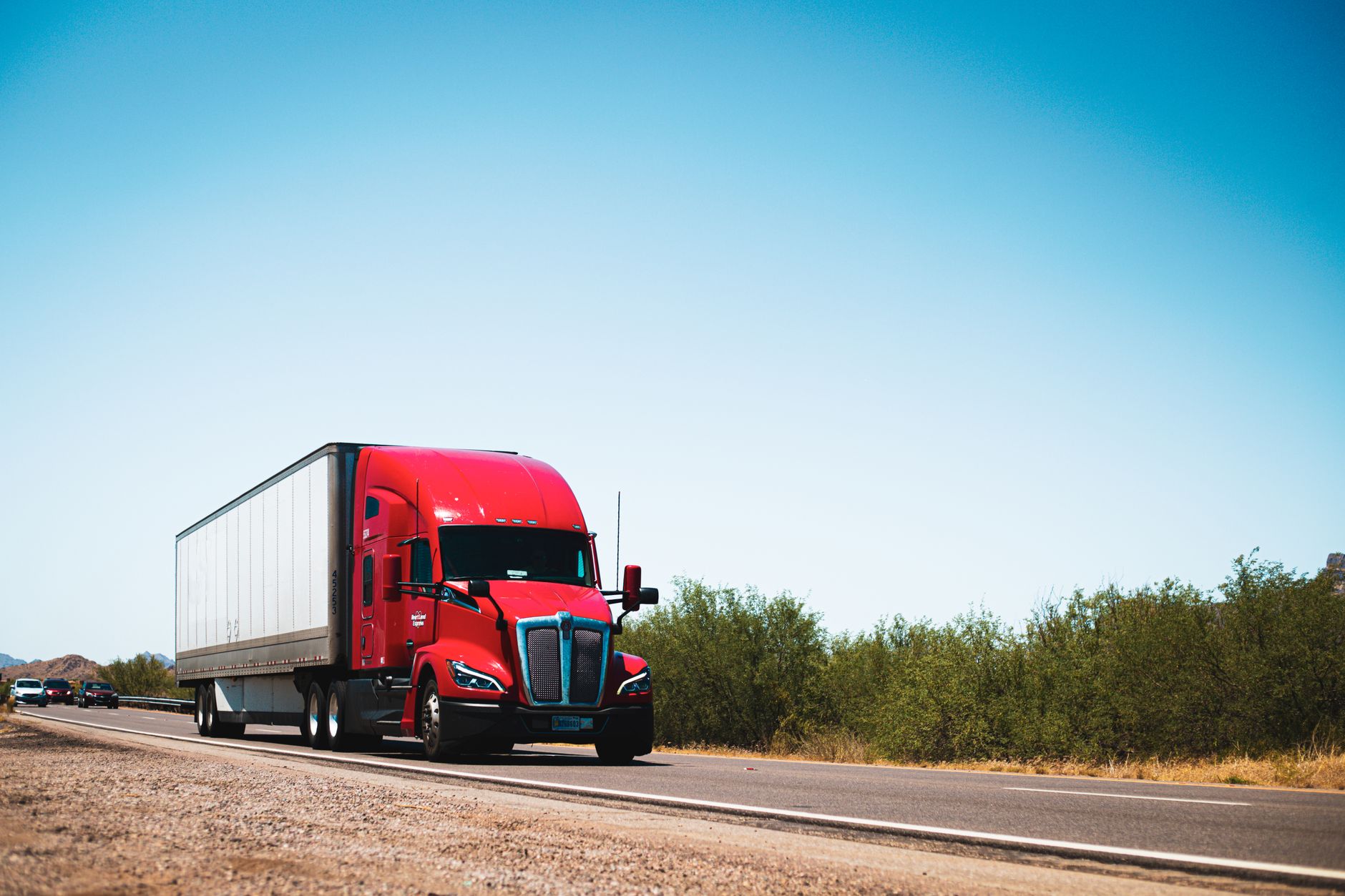
Elon Musk has provided a concrete timeline for when Tesla expects its Semi trucks to achieve autonomous driving capabilities, targeting late this year or early 2027. While Tesla's self-driving team has prioritized high-volume passenger vehicles, the shift towards autonomous electric trucks is crucial. This development promises to tackle a significant shortage of qualified truck drivers, enhance road safety, and accelerate the transition to more sustainable logistics. Embracing electrification in freight transport marks a vital step toward reducing global carbon emissions and building a cleaner future.
France's Transport Minister, Phillippe Tabarot, has publicly rejected Tesla's Full Self-Driving (FSD) Supervised system in its current form, citing safety concerns. This decision has drawn a sharp rebuke from Elon Musk, who argues that the delay has a human cost. Minister Tabarot emphasizes that FSD is not a truly self-driving system and highlights issues like driver attention and vehicle behavior in complex urban scenarios. Musk counters with compelling data from Tesla's safety reports, which show FSD-enabled vehicles are significantly safer than average human-driven cars.
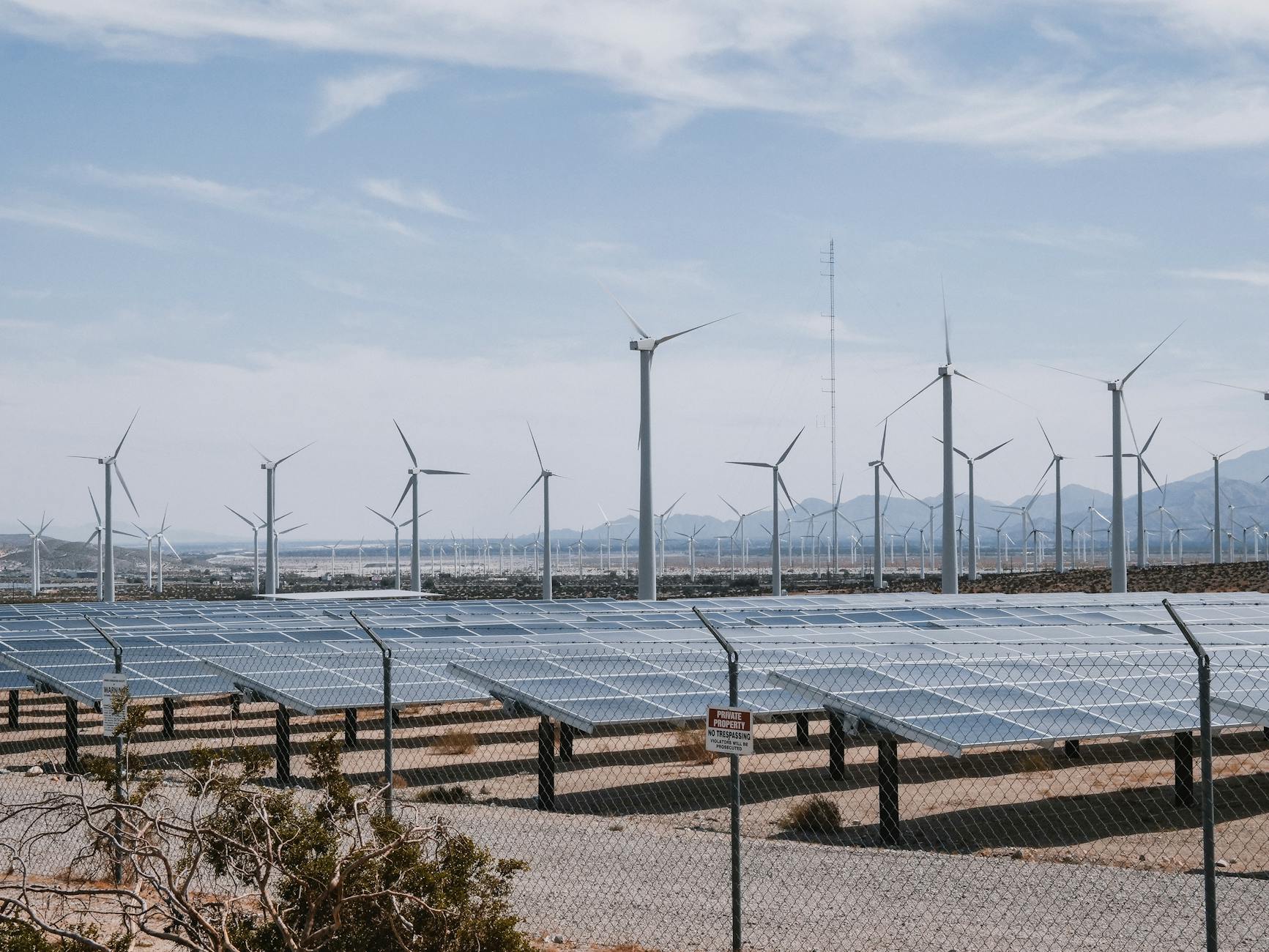
Silver, long cherished as a precious metal, has become a vital industrial component powering the global shift to clean energy and advanced digital technologies. Its demand is surging from solar panels, electric vehicles, and AI infrastructure, pushing prices near record highs of $59 per ounce. This unprecedented demand, coupled with persistent supply deficits, highlights silver’s growing strategic importance in building a sustainable, low-carbon future. The challenge now is ensuring enough silver is available to meet the accelerating pace of electrification worldwide.
Alphabet reported a stellar second quarter in 2026, with revenue hitting $119.8 billion, largely powered by a booming demand for its AI products and Google Cloud services. This impressive financial growth, however, casts a long shadow on the company's environmental aspirations. While Google has successfully reduced emissions from its direct operations, the rapid expansion of AI infrastructure is dramatically increasing its overall carbon footprint and electricity demand. This creates a significant challenge for Google’s long-term climate targets and highlights the urgent need for sustainable technological development.
The U.S. electric vehicle market, despite recent challenges, is showing signs of a promising turnaround. New models from automakers like Toyota and Subaru have significantly boosted sales, demonstrating a growing organic demand for cleaner transportation. This surge highlights how consumers are increasingly valuing the financial benefits and environmental advantages of electric cars, signaling a crucial shift towards a more sustainable future. This momentum is vital for reducing our reliance on fossil fuels and accelerating climate action.
Tesla is set to release its second-quarter 2026 earnings report, sparking keen interest among investors and analysts. Expectations place the company's Earnings Per Share (EPS) at $0.53 and revenues around $26.4 billion. However, beyond the financial figures, the real focus will be on updates regarding Tesla's ambitious projects, including the expansion of its self-driving robotaxi fleet and the progress of its Optimus humanoid robot. These developments are crucial as they push forward the future of sustainable transportation and automated solutions, aiming to redefine how we move and work in an environmentally conscious world.
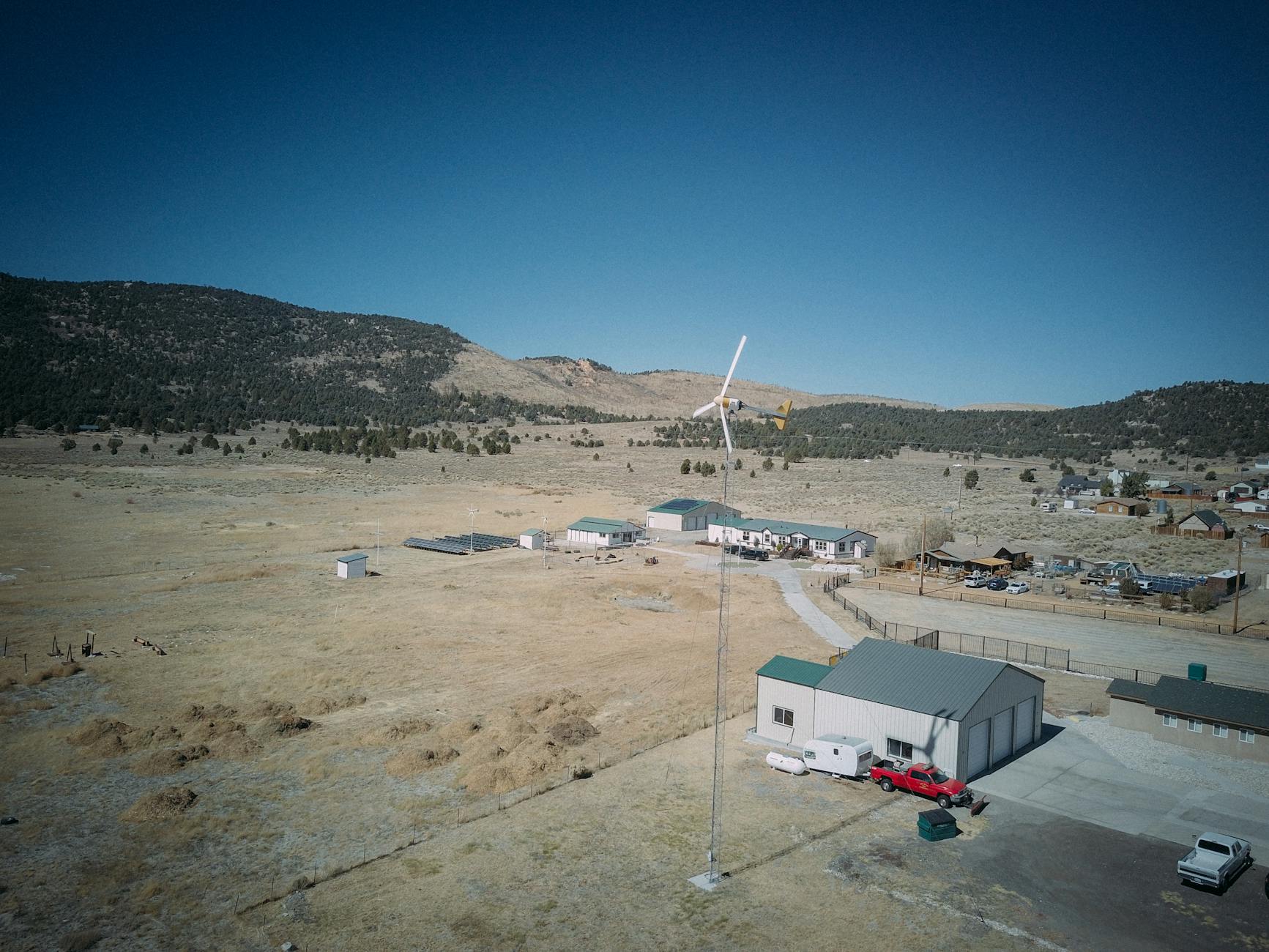
In Salt Lake City, two community hubs — Culture Coffee and Salt Lake Barber Company — are changing the game for local businesses. Thanks to rooftop solar panels and battery storage, these shops can keep their lights on and services running even during neighborhood power outages. This innovative approach not only ensures continuous service for their customers but also showcases a powerful commitment to sustainable practices. It highlights how embracing clean energy can provide vital community resilience while fighting climate change.
The Tesla Cybertruck has achieved a significant milestone, earning the Insurance Institute for Highway Safety (IIHS) Top Safety Pick+ award. This makes it the only full-size pickup to receive this highest honor in recent evaluations. The award applies to Cybertrucks built after April 2025, following key structural enhancements. While celebrated for its advanced safety in the U.S., the same vehicle faces unique regulatory challenges and remains banned from roads in the UK and much of Europe due to its design.
Lithium prices have hit a five-month low in China, a surprising turn that isn't due to weaker current demand, but rather future expectations of increased supply. This shift could significantly accelerate the global clean energy transition. Cheaper lithium means more affordable electric vehicles (EVs) and energy storage systems, making sustainable options accessible to more people. This development offers a crucial boost to global electrification efforts, pushing us closer to a greener future.
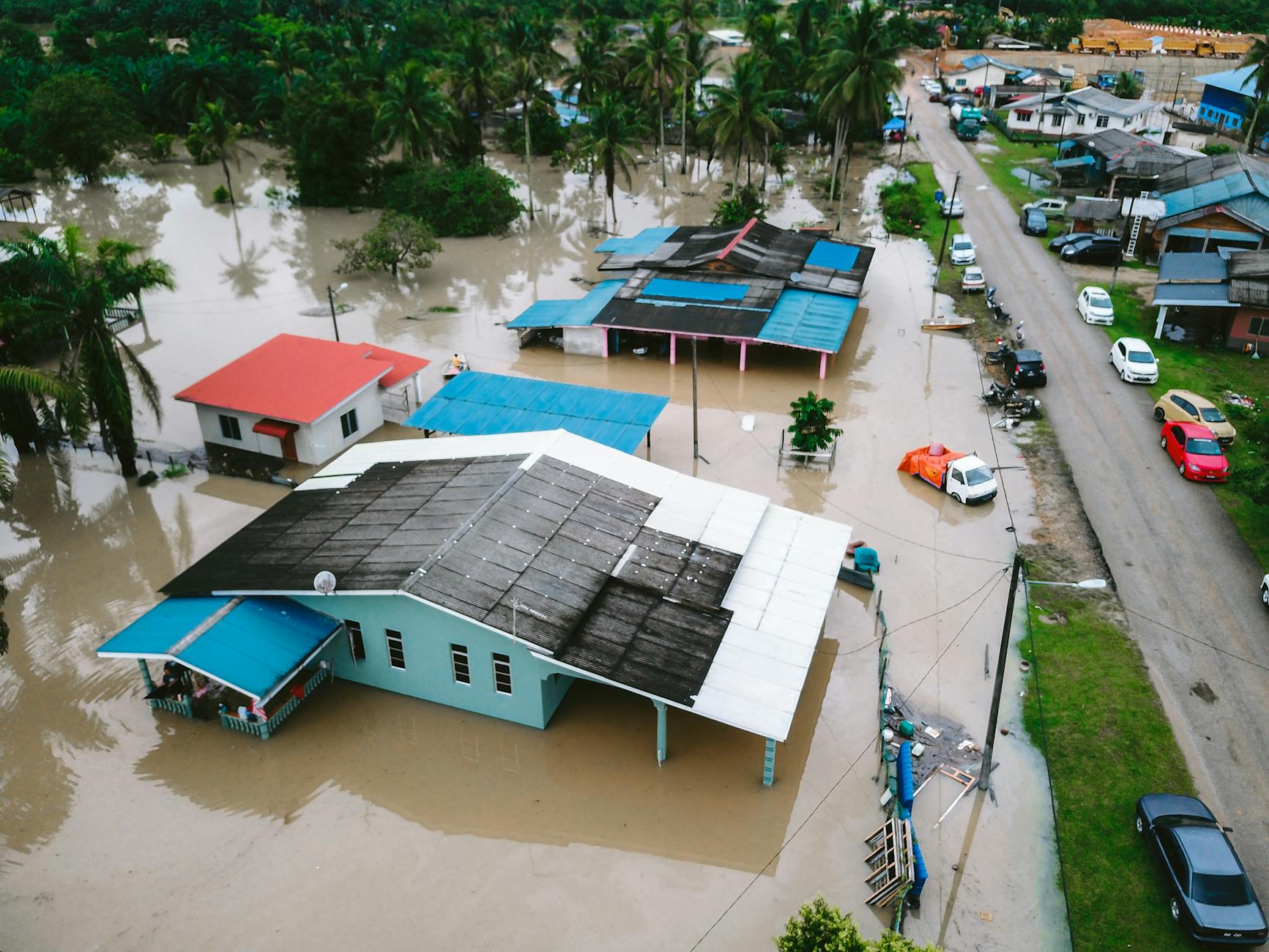
The financial world is sounding a stark warning: extreme weather events, fueled by man-made climate change, are rapidly making more and more assets too risky to insure. A top executive from Allianz, Europe's largest primary insurer, highlights that traditional insurance models are struggling to cope with frequent heatwaves, floods, and wildfires. This alarming trend signals a significant shift in how financial institutions assess risk, directly linking environmental urgency to economic stability. Urgent action towards sustainable solutions is not just an environmental imperative but a financial necessity.