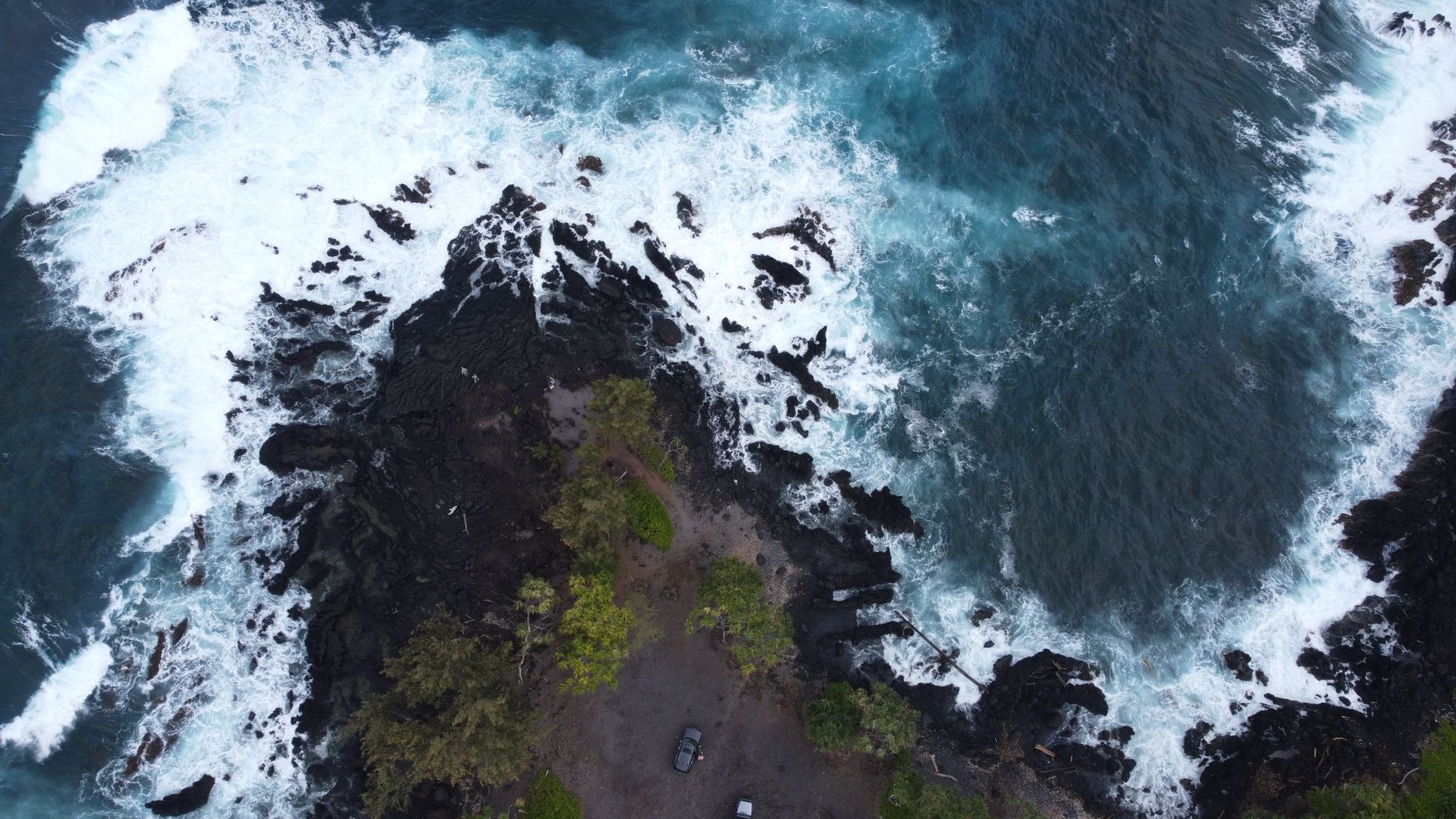
Hawaii's Big Island is on high alert as Tropical Storm Lala is set to strengthen into a hurricane, potentially marking the first direct landfall since 1871. Forecasters predict heavy rainfall, risking severe flooding, dangerous mudslides, and even igniting wildfires. Communities are preparing for the worst, highlighting the need for immediate action to protect lives and property from this rare and potent weather event. The storm underscores the increasing vulnerability of coastal regions to extreme weather.
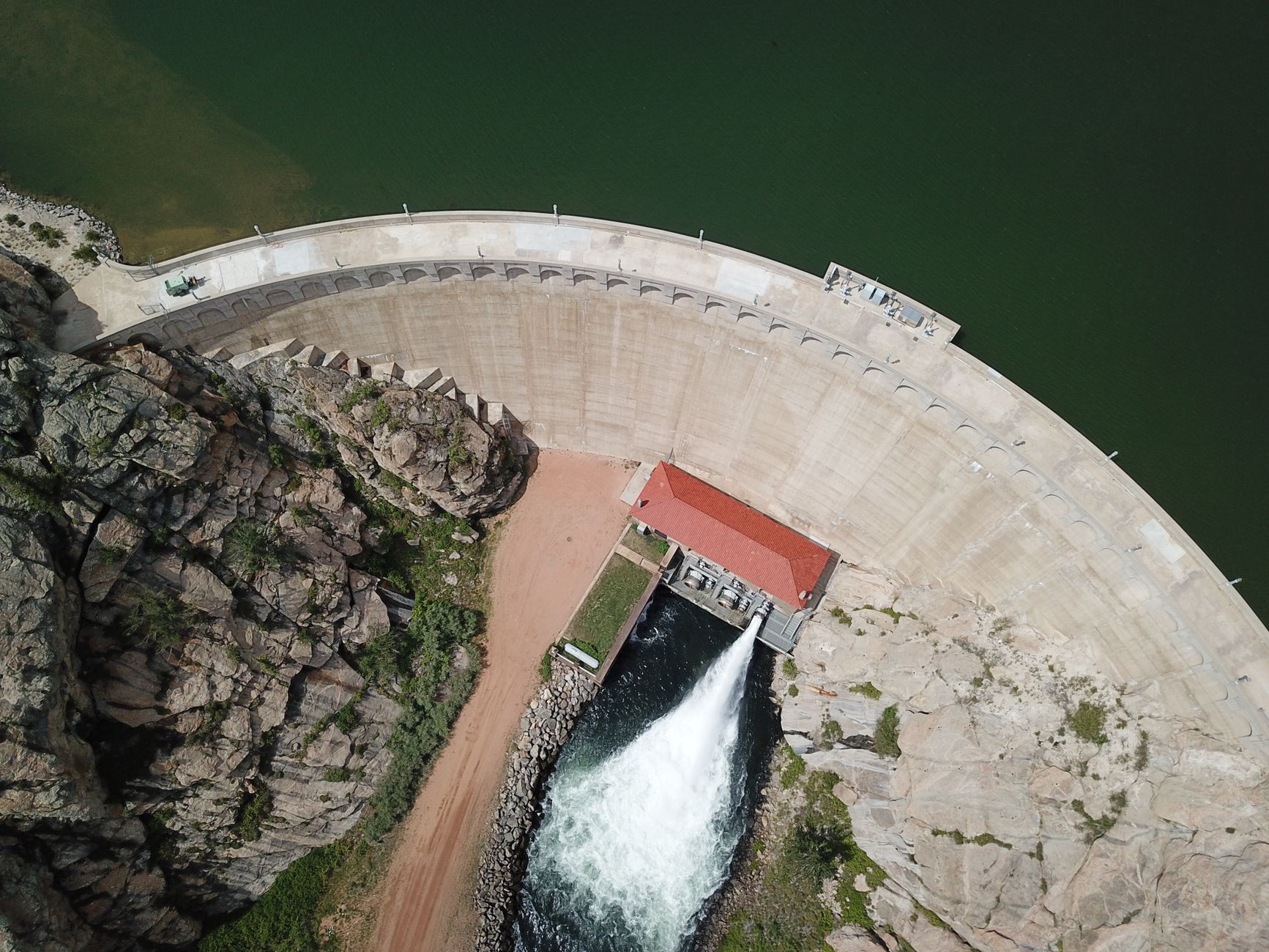
A pivotal legal battle is unfolding in the American West, questioning if a massive dam expansion on the already strained Colorado River can proceed without fully considering climate change impacts. Environmental groups are challenging Denver Water and the U.S. Army Corps of Engineers, arguing the river has no more water to spare, a stark reality underscored by a rapidly warming planet. This case in the 10th U.S. Circuit Court of Appeals could reshape how water resources are managed across seven states and for millions of people, making it a crucial test for integrating climate realities into major infrastructure decisions.
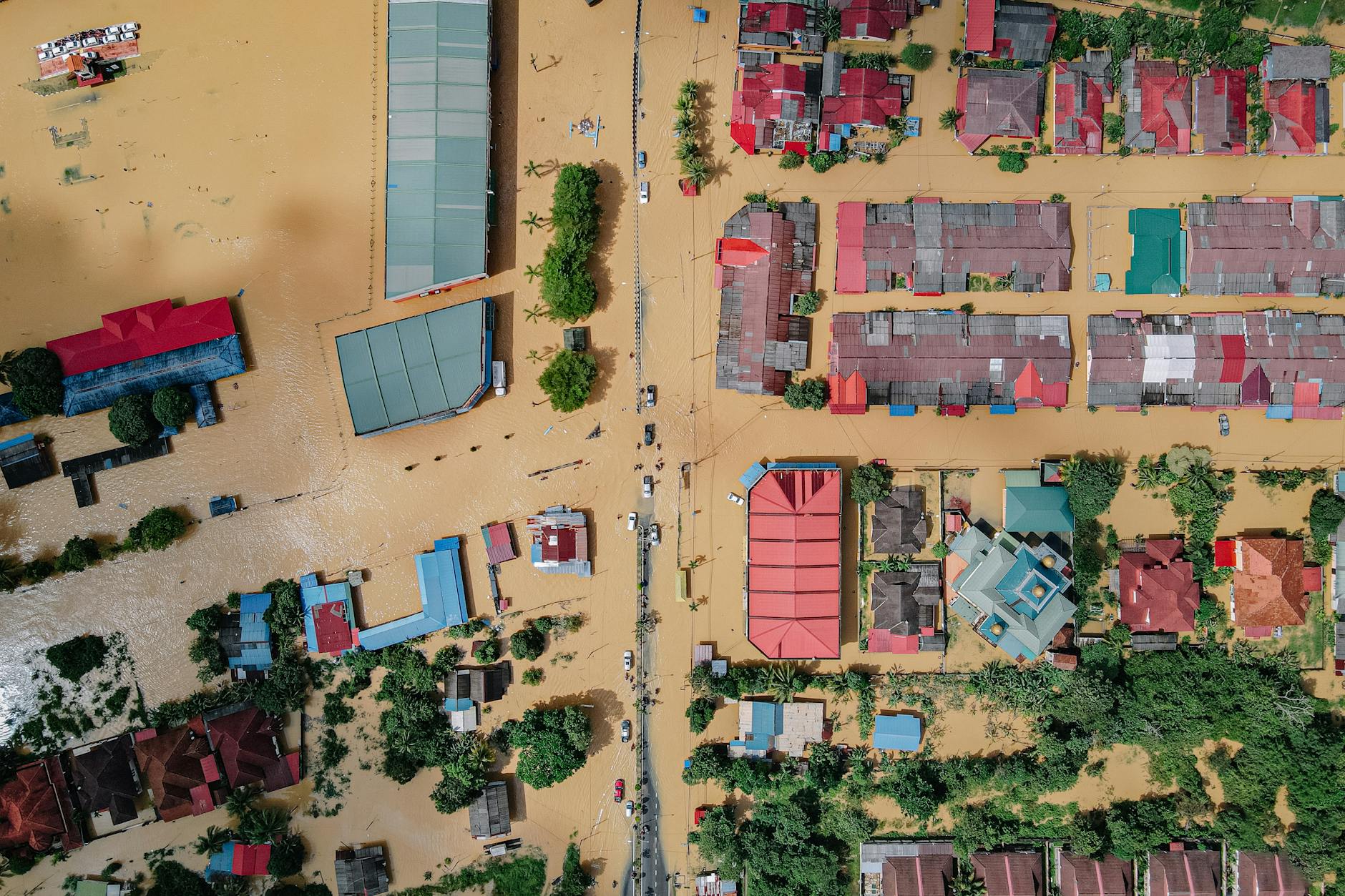
Record-breaking rainfall has unleashed devastating floods east of Tokyo, tragically claiming at least five lives and injuring dozens. Cities in Japan's Chiba prefecture experienced unprecedented downpours, submerging homes, vehicles, and even railway tracks. This extreme weather event stranded thousands of travelers and left tens of thousands without power, causing widespread chaos. The incident underscores the severe challenges urban areas face with escalating climate impacts and the critical need for resilient infrastructure to protect communities.
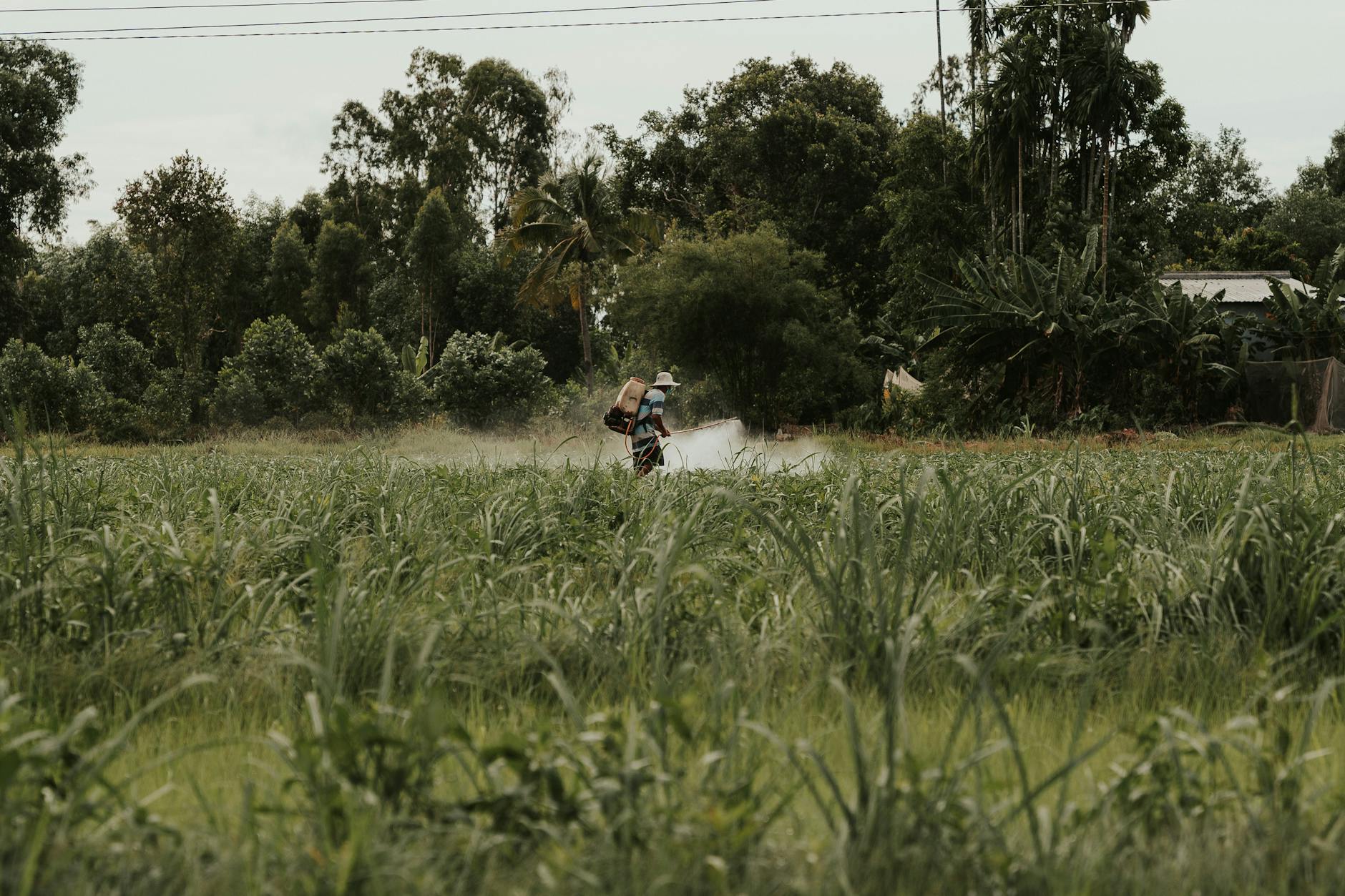
California's reputation as an environmental leader is under scrutiny as farmworkers and their advocates recently confronted state legislators, describing a broken pesticide regulatory system. Families shared harrowing accounts of severe health issues, including cancers and birth defects, which they attribute to exposure to harmful chemicals. Critics charge that the state's Department of Pesticide Regulation (DPR) fails to protect vulnerable communities, allowing the use of many chemicals banned in dozens of other countries. This raises urgent questions about environmental justice and the state's commitment to public health.
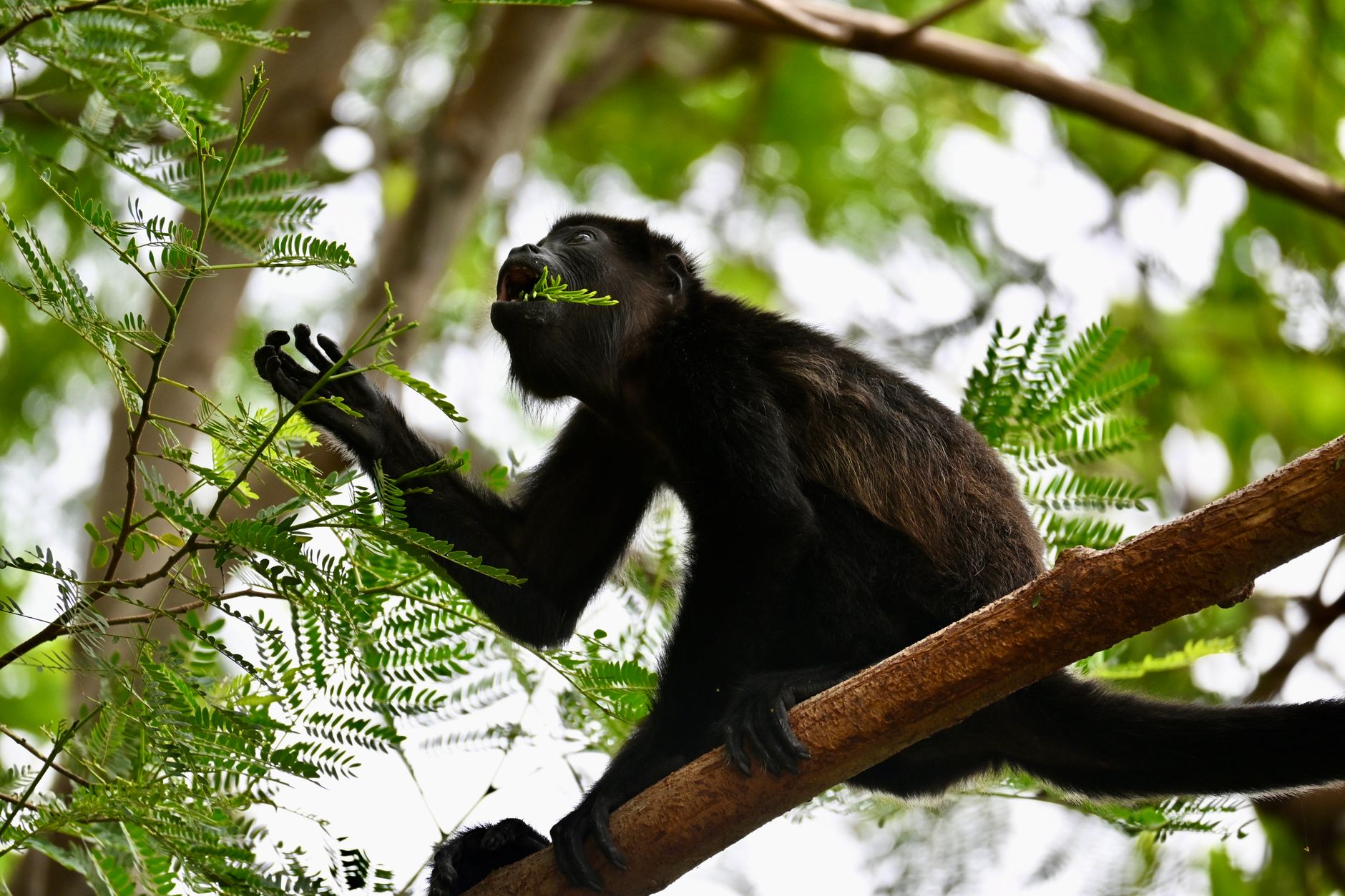
A recent study in Mexico’s Los Tuxtlas UNESCO biosphere reserve has uncovered alarming news: over 90 percent of howler monkey waste samples contain microplastics. This critical finding highlights the pervasive reach of human pollution, even into protected natural habitats. These tiny plastic fragments, often from improper waste disposal in nearby communities, pose a new threat to an already endangered species. The situation underscores the urgent need for better waste management and greater awareness to protect our planet's most vulnerable inhabitants.
The Hawaiian Islands are on high alert as Tropical Storm Lala approaches, threatening to become a rare landfalling hurricane. With hurricane warnings for the Big Island and watches across the state, residents face potential life-threatening flooding exacerbated by strong winds and heavy rainfall. This unusual system, fueled by unusually warm ocean waters, is poised to make history as only the second landfalling hurricane on record for Hawaii, underscoring the growing climate challenges.
As record-breaking heatwaves become the norm across the UK, a critical gap in worker protection is becoming clear. Currently, there are no legal maximum temperature limits for workplaces, leaving millions vulnerable to the health risks of extreme heat. A recent YouGov poll reveals overwhelming public support for new laws, with nearly four out of five Britons demanding action. Unions and climate experts are joining forces, emphasizing that robust regulations are essential for worker safety and as a vital step in adapting to our rapidly warming climate.
NVIDIA is rallying top financial firms like BlackRock and Goldman Sachs to fund a massive $500 billion AI infrastructure buildout. This initiative aims to help companies access the capital needed for data centers and computing power, treating these "AI factories" as critical infrastructure. However, this explosive growth in AI also means a huge surge in electricity demand, putting unprecedented pressure on our energy grids. Meeting this demand sustainably with clean energy is crucial to avoid escalating climate impacts and ensure AI development aligns with global environmental goals.
A new Florida law, House Bill 167, is set to make it significantly harder for residents to sue phosphate mining companies and developers over radiation exposure from homes built on reclaimed land. This change comes despite long-standing concerns about elevated levels of naturally occurring radioactive materials in areas like the "Bone Valley," where extensive phosphate mining has occurred. Environmental advocates and residents worry the law prioritizes corporate interests over public health, potentially leaving thousands exposed to long-term health risks without proper recourse. This situation highlights the critical need for robust environmental protections and corporate accountability.
EFM Investments & Advisory has made a significant move by investing over $100 million to acquire nearly 29,000 acres of coastal rainforest in northern Oregon. This substantial deal highlights a growing global trend: valuing forests not just for timber, but crucially for their role in storing carbon and protecting our environment. This "climate-smart forestry" approach combines sustainable timber production with vital conservation efforts, recognizing forests as key allies in our fight against global warming.
Tesla has recently trademarked 'MEGAPOD', signaling its deepening commitment to artificial intelligence and modular computing solutions. This new filing describes a self-contained, modular system packed with everything needed for AI workloads, from servers to cooling. It represents a significant step in how Tesla plans to build out its AI infrastructure, hinting at a future where powerful computing units can be deployed flexibly. This move could redefine how AI is integrated into our daily lives and energy systems, making advanced computing more accessible and efficient.
Elon Musk envisions a future where every car relies on satellite internet, specifically Starlink, to handle the massive data demands of artificial intelligence. This bold prediction comes as Tesla's upcoming electric Cybercab is set to ship with Starlink V5 technology built-in, marking a significant step towards this vision. While not for autonomous driving, the satellite link will enhance navigation and rider experience. Musk argues that traditional ground networks simply won't keep pace with the data generated by the next generation of AI-powered, sustainable transportation.