Elon Musk, CEO of SpaceX, foresees a future where every car on the road relies on satellite internet from Starlink. He argues that ground-based networks like fiber and cellular towers simply won't be able to handle the immense data traffic expected from autonomous AI agents. This bold prediction comes as Tesla's upcoming Cybercab is confirmed to integrate a Starlink terminal, with plans to extend this technology across the entire Tesla lineup. Musk believes this shift is crucial for supporting the "insanely fast bandwidth growth" needed by artificial intelligence, fundamentally changing how vehicles connect to the world.
The Earth's climate continues to transform at an alarming pace, with oceans reaching record high temperatures for the third consecutive year in 2025. This grim assessment comes from the recent 2025 State of the Climate report, revealing a planet increasingly impacted by human activity. Alongside warming oceans, Greenland's ice sheet saw significant loss, and northern forests struggled, underscoring the urgent need for global environmental action. These findings highlight the critical importance of transitioning away from fossil fuels to protect our shared future.
Major fashion brands are embracing a surprising strategy to attract Generation Z: encouraging customers to mend their clothes instead of constantly buying new ones. This shift, seen at companies like Levi's, Uniqlo, and Zara, involves offering in-store repairs and sewing workshops. It's a response to Gen Z's desire to save money and reduce their environmental impact, addressing the fashion industry's huge contribution to global textile waste. By extending the life of garments, these programs aim to reduce consumption and promote a more sustainable approach to fashion.
Far from the Gulf of Mexico, corn fields in Iowa play a surprising role in creating vast 'dead zones' that suffocate marine life. Fertilizer runoff from these farms travels down the Mississippi River, carrying excess nitrogen into Gulf waters. This nutrient overload fuels harmful algal blooms, which consume vital oxygen, threatening oysters, fish, and other species. As climate change brings more extreme rainfall, the urgent problem of pollution and its devastating environmental impacts only grows more severe, highlighting the critical need for sustainable farming practices.
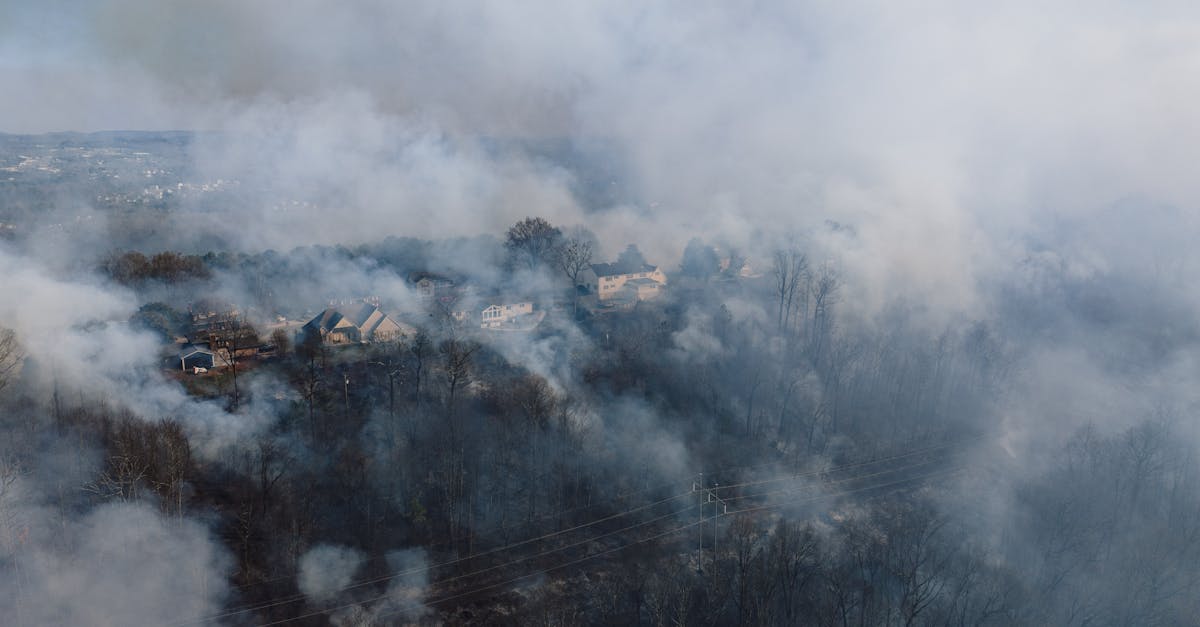
On a day when wildfire smoke choked the Michigan skies, the Bay Mills Indian Community faced a stark paradox: state approval for oil pipeline expansion. While President Whitney Gravelle distributed air purifiers due to climate-fueled fires, Michigan greenlit permits for Enbridge's Line 5 tunnel, potentially locking in fossil fuel infrastructure for another century. This decision clashes with Michigan's clean energy goals and deeply concerns Indigenous communities, who warn of catastrophic oil spill risks to the sacred Great Lakes and call for urgent climate action.
The ambitious plan to complete the Los Angeles River bike path, creating a continuous route from the San Fernando Valley to Long Beach, faces major hurdles. An 8-mile gap through downtown L.A. remains unfinished, with costs ballooning to over $1 billion – nearly triple initial estimates. This delay postpones a crucial step toward sustainable urban living, denying residents a vital, eco-friendly transportation option and much-needed green space. Completing the path would dramatically boost electrification efforts by encouraging cycling over car use, contributing significantly to cleaner air and a healthier community.
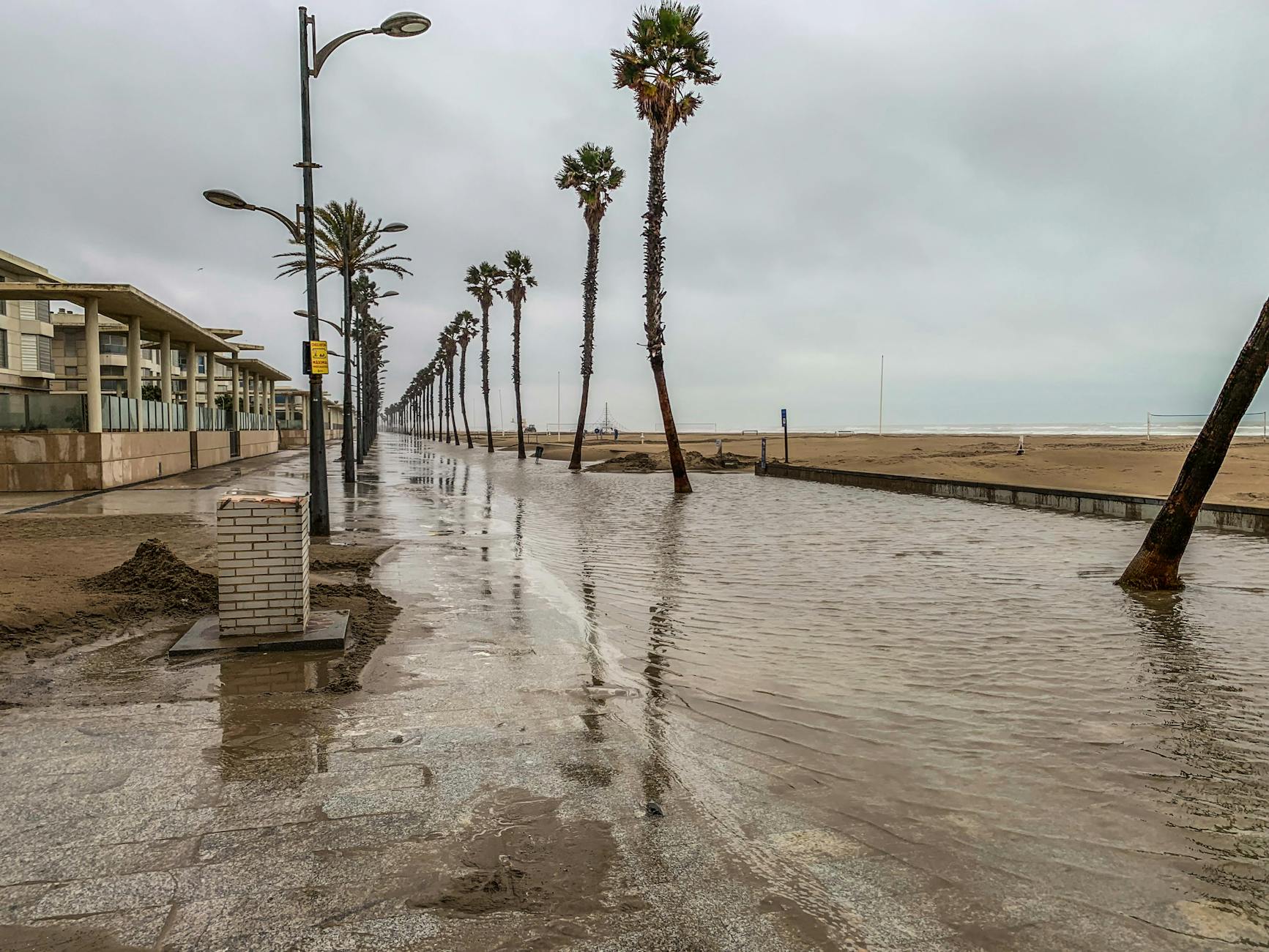
California is bracing for potentially the highest sea levels ever recorded this year, driven by a strengthening El Niño event. This powerful climate pattern is expected to raise sea levels significantly, increasing the risk of widespread coastal flooding and severe erosion. Scientists warn that this El Niño could be historically strong, bringing not only elevated seas but also powerful storms and marine heat waves, underscoring the urgent need for preparedness in a world already contending with human-caused climate change.
New York City is launching a pilot program to explore a groundbreaking solution for its notoriously hot subway stations: thermal energy networks. With temperatures often turning platforms into "underground saunas," this $800,000 study aims to harness the Earth's stable underground temperatures for cooling. This innovative approach not only promises relief for commuters but also highlights a critical step towards more sustainable infrastructure. Addressing this challenge is increasingly urgent as climate change continues to bring hotter summers to the city. It’s a bold move for a century-old transit system.
August marks the peak of hurricane season, and the Atlantic is buzzing with activity as two tropical waves emerge from Africa. While their paths are uncertain, they face challenges like strong wind shear and Saharan dust that could hinder their development. However, unusually warm ocean temperatures, a common concern in a warming climate, could fuel any systems that manage to organize. Meanwhile, the Pacific is also active, with one disturbance potentially heading towards Hawaii. Staying vigilant and informed is key as these powerful weather patterns unfold.
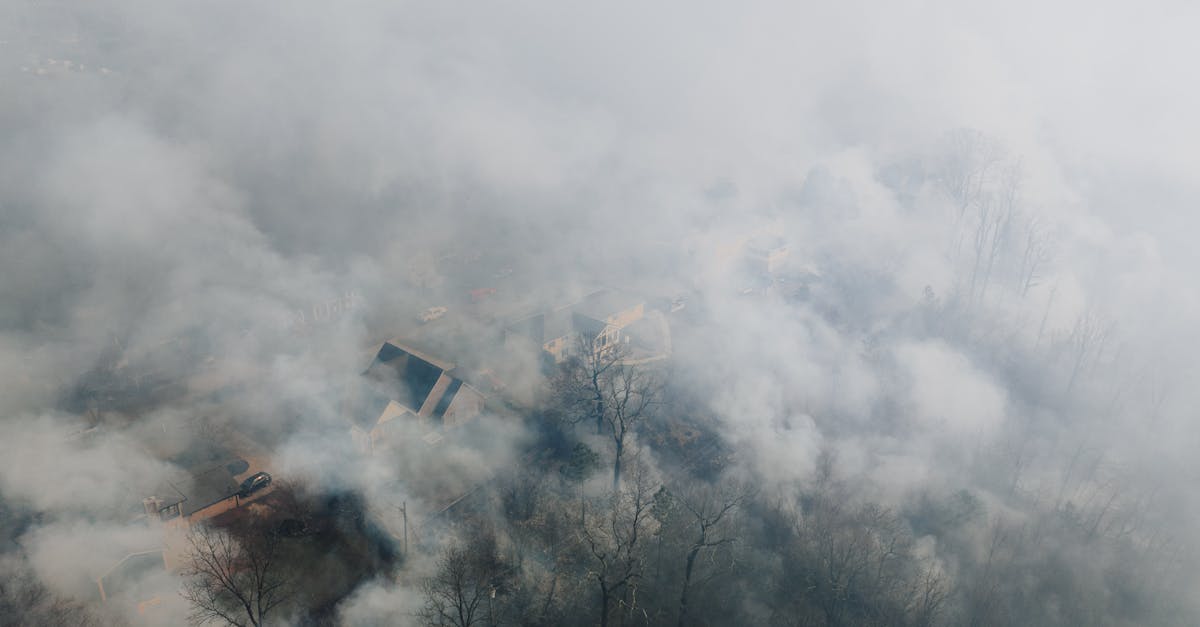
Pennsylvania is grappling with an unexpected and dangerous climate hazard: thick wildfire smoke drifting from far-off Canadian fires. This new reality, a stark contrast to decades of improved air quality, is forcing communities to confront unhealthy air levels. Children, the elderly, and outdoor workers are especially vulnerable to the tiny, harmful particles that can cause serious health problems. This unprecedented challenge underscores the urgent need to understand and adapt to the widespread impacts of a warming planet.
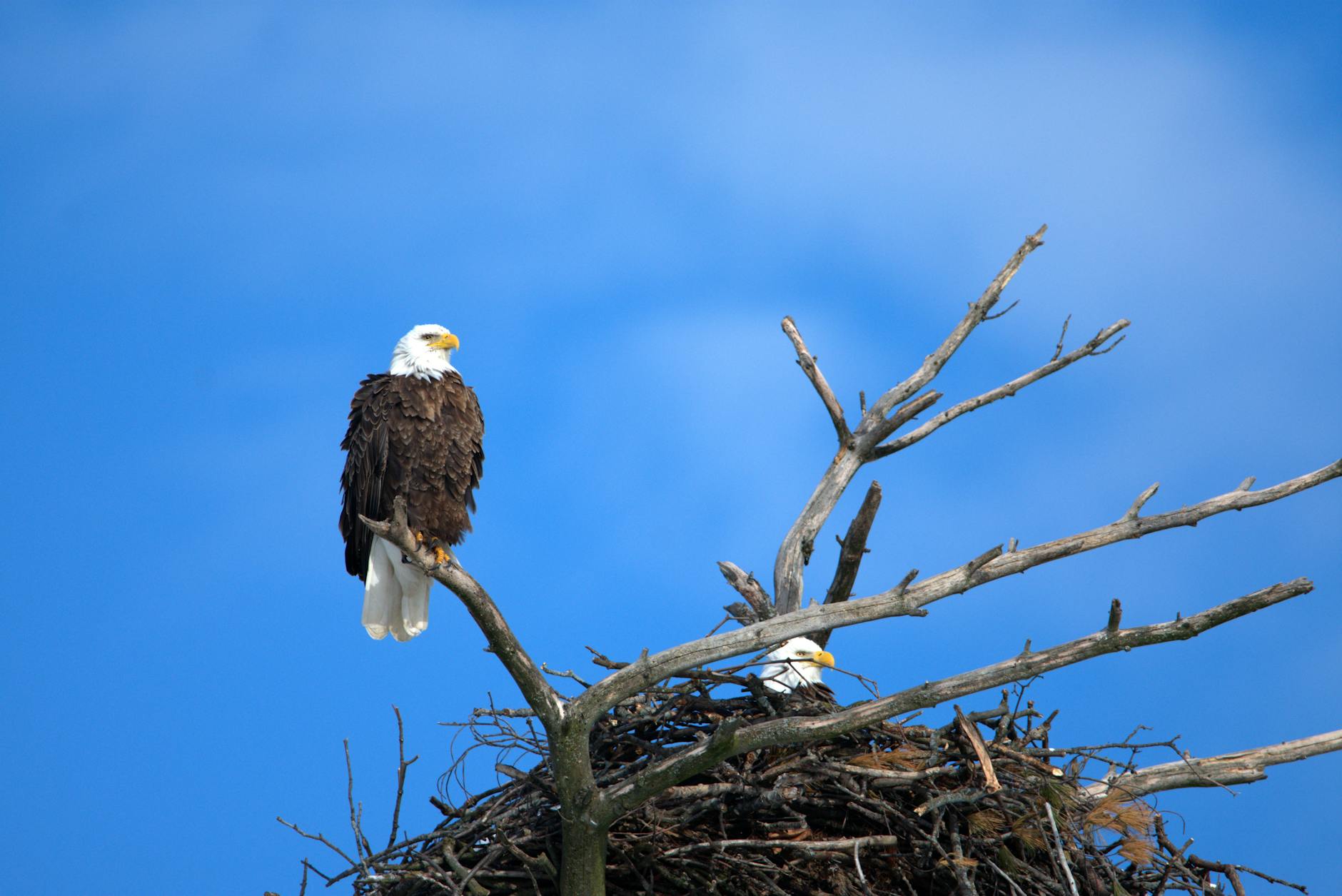
Millions are mourning the loss of Jackie, the beloved bald eagle from Big Bear Lake, who passed away at 14 after a weeks-long battle with a mysterious illness. Known globally through a popular livestream, Jackie and her mate, Shadow, captivated viewers with their wild journey, from raising chicks to enduring storms. Her passing reminds us of the delicate beauty of wildlife and the profound connection people can form with nature, highlighting why protecting these majestic creatures and their habitats is more important than ever.
Tesla, in partnership with SpaceX and xAI, has revealed stunning new renders of its massive "Terafab Texas" facility, a project valued at an astounding $16.8 billion. This ambitious endeavor in Grimes County, Texas, showcases a future where advanced robotics and driverless electric vehicles work seamlessly within a strikingly designed environment. This vision highlights a significant push towards integrating sustainable transportation and automated solutions on an unprecedented scale, promising a glimpse into how future industries could operate and contribute to a cleaner planet. The project signals a major step in the ongoing global shift toward electrification and innovative manufacturing.