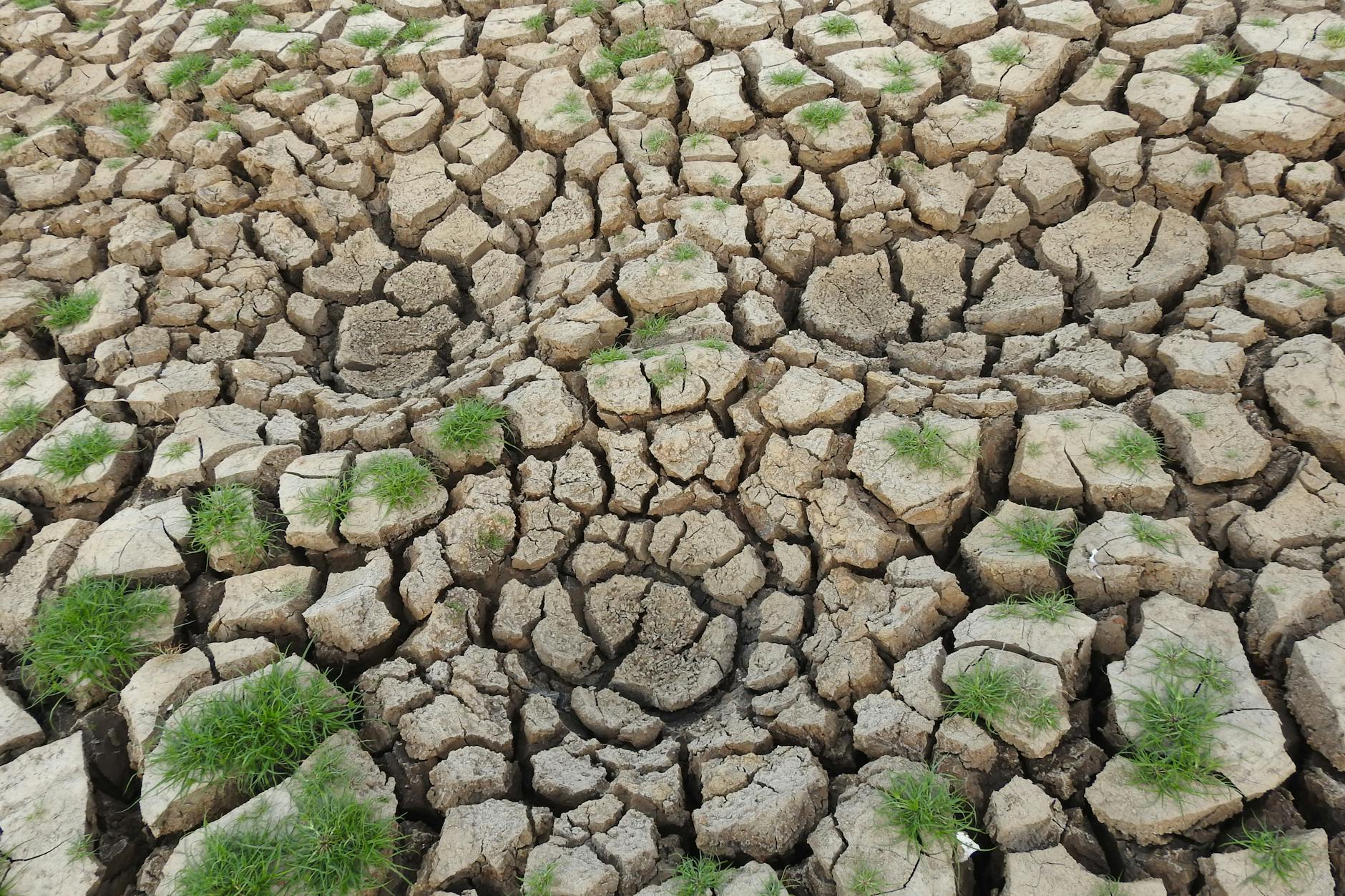
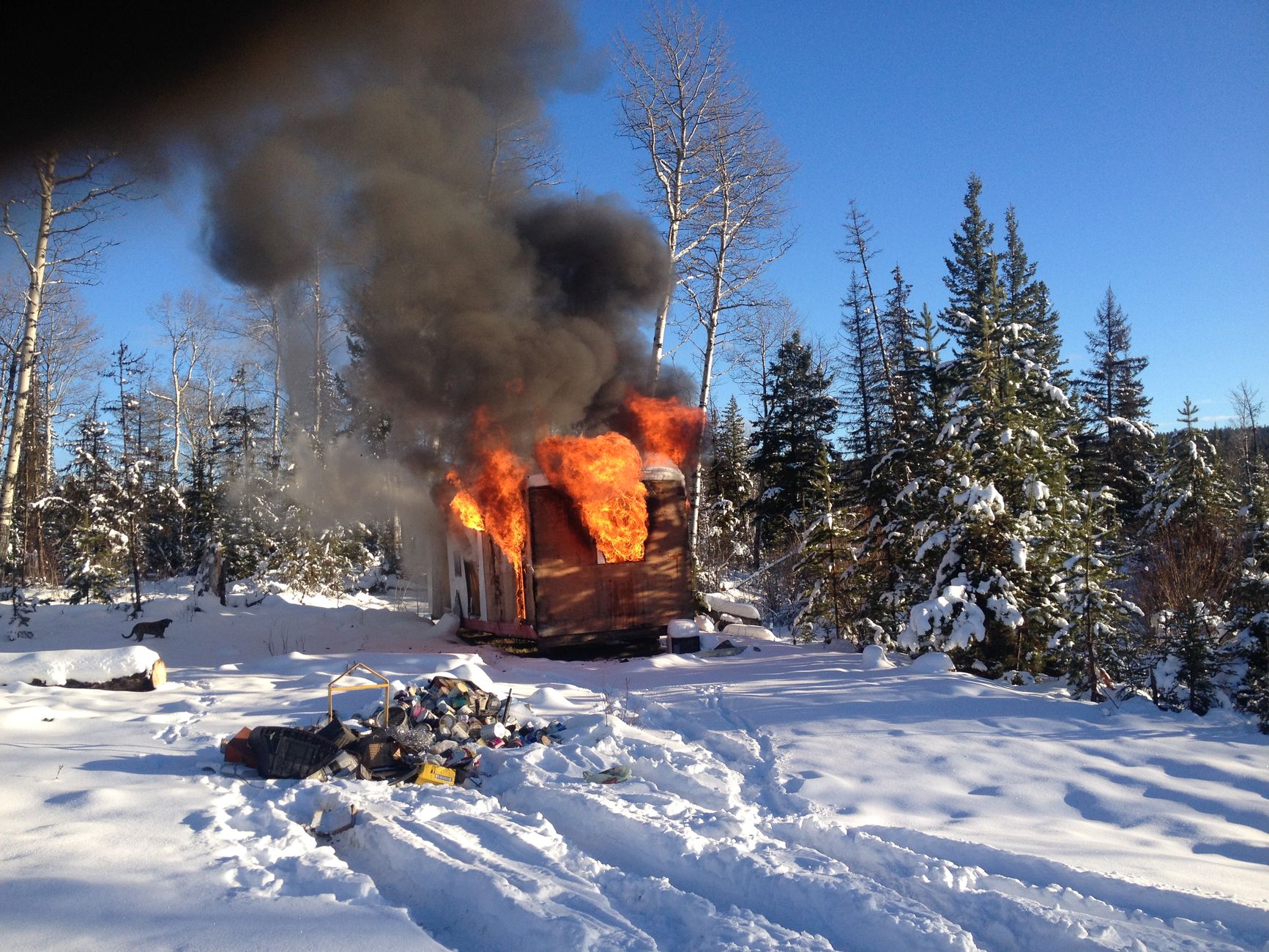
Montana faces a renewed wildfire threat as July's intense heat rapidly dries out vegetation. After a record-warm winter and initial hopes of a mild season due to late June rains, scientists warn that climate change is making fire seasons dangerously unpredictable. This shift underscores the urgent need for environmental action, as the erratic pattern of warmth, melting snowpack, and sudden heatwaves creates highly combustible conditions across the state. Communities must prepare for a longer, more challenging fire season.
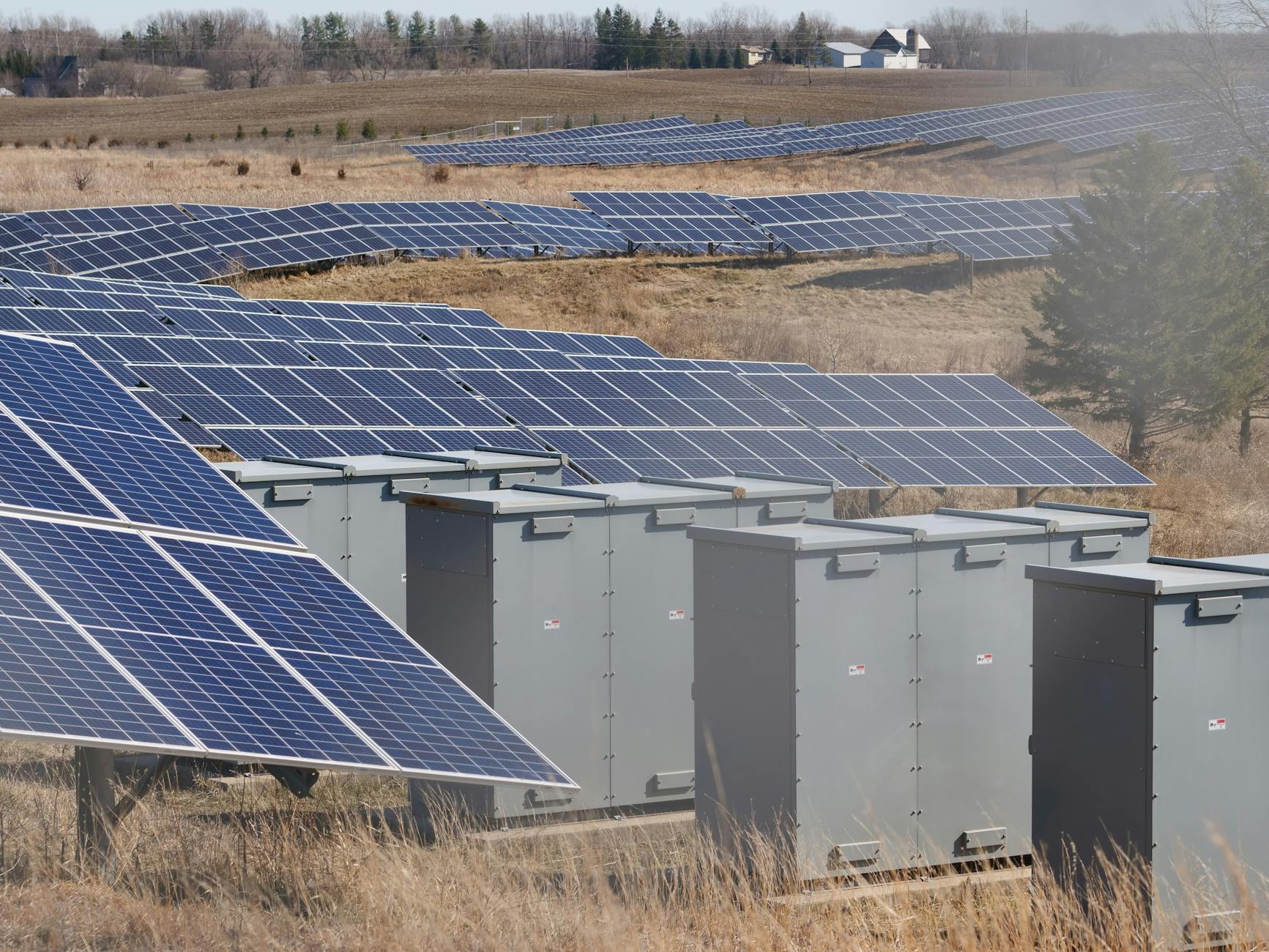
Google is making a massive investment in renewable energy by backing the Steel River Energy Center in Arkansas, one of America's largest solar-plus-storage projects. This move aims to power the company's rapidly expanding artificial intelligence (AI) operations and combat rising greenhouse gas emissions. While AI's electricity needs jumped significantly last year, making climate goals tougher, this project helps Google work towards its target of 24/7 carbon-free energy by 2030. It's a crucial step toward building a more reliable and sustainable power grid, showing how tech innovation can also drive environmental progress.
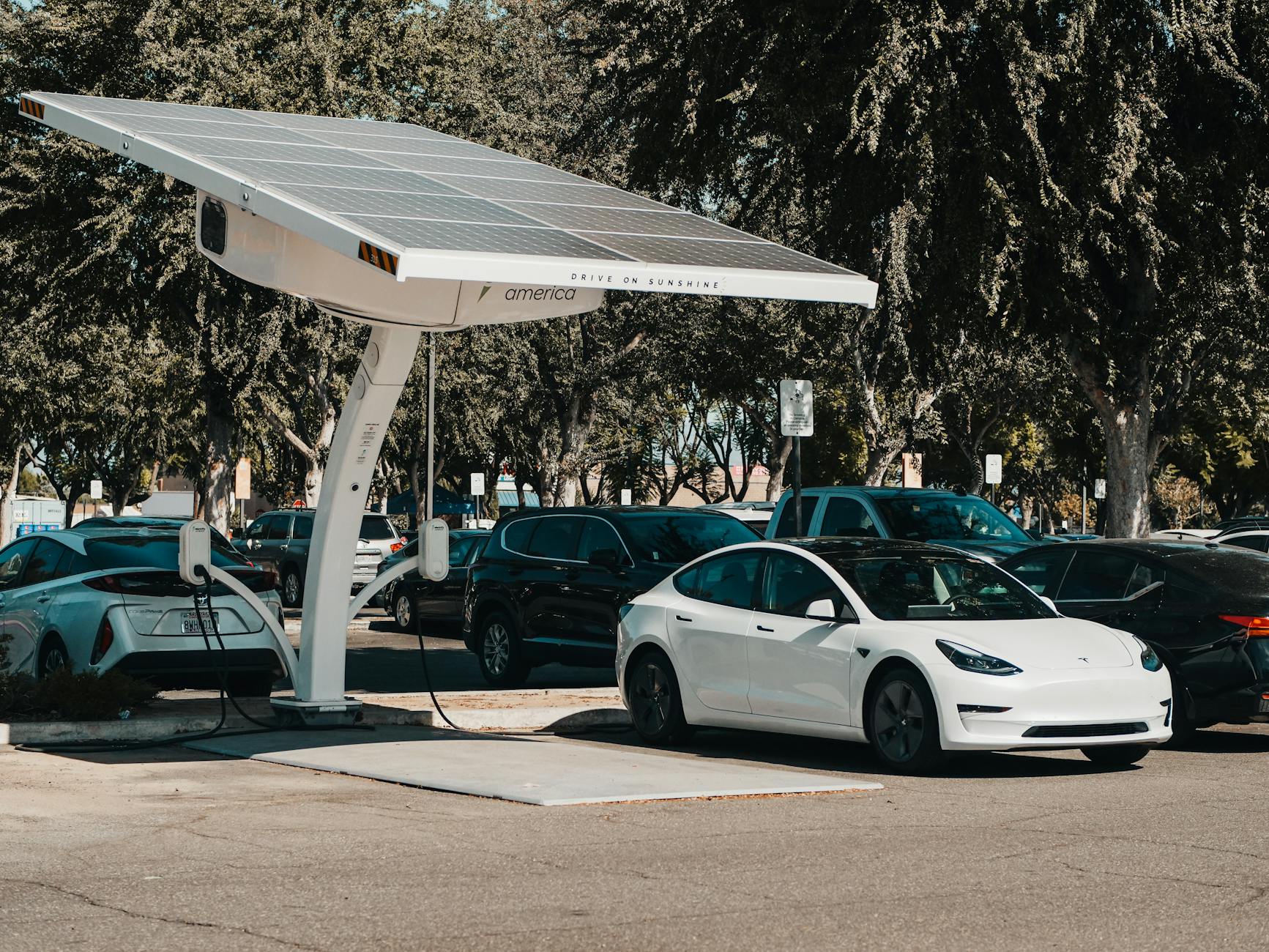
The U.S. electric vehicle (EV) market is currently facing a significant slowdown, with sales declining sharply following the cancellation of federal tax credits. Automakers sold 462,892 all-electric vehicles in the first half of 2026, marking a nearly 24 percent drop from the previous year. This downturn not only poses a challenge for manufacturers but also raises concerns about the pace of our transition to cleaner transportation. While some states are stepping up with incentives, the market grapples with finding its "natural" demand, highlighting the urgent need for compelling, reliable, and affordable electric options to drive environmental progress.
Coastal southwest Louisiana faces growing threats from rising seas and intensifying hurricanes, making flood protection more urgent than ever. To help, the U.S. Army Corps of Engineers offered free home elevations for around 1,000 eligible homes. Surprisingly, after three years, only a fraction of homeowners have accepted this crucial assistance. This hesitation highlights complex community concerns that stand in the way of essential climate adaptation efforts. Addressing these concerns is vital for protecting vulnerable communities.
The California Beach Shark Safety program, a vital initiative tracking great white sharks, faces imminent closure due to a lack of funding. Operating since 2018, the program provides crucial data to lifeguards and educates the public, helping prevent costly beach closures. This comes as Southern California expects a “very sharky” summer, with juvenile great white numbers increasing, partly due to warming ocean waters. The program’s potential shutdown in September leaves coastal communities vulnerable, losing a key resource for managing shark encounters and ensuring public safety. Its survival is critical for both human well-being and understanding our marine environment.
The 2026 hurricane season is already proving to be exceptionally active in the Eastern Pacific, driven by what could be the strongest El Niño on record. This surge in tropical storms brings significant risks of flooding and damage, with some systems already making deadly landfalls. While the Atlantic Basin has seen a slower start, forecasters warn of potential development closer to land later in the season. Understanding these weather patterns is crucial for preparing our communities and underscores the urgent need for robust climate action in a warming world.
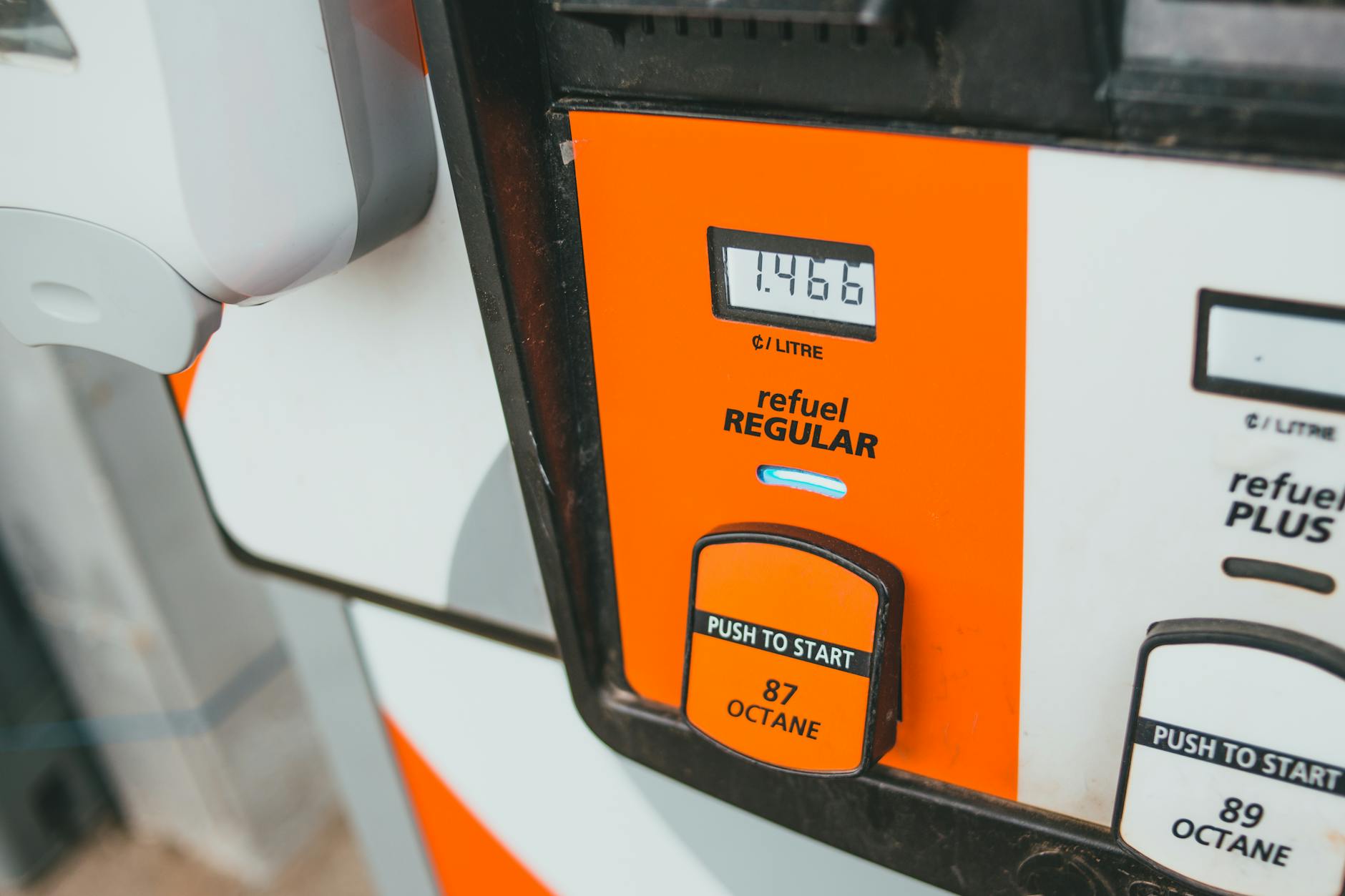
Global oil prices are surging due to renewed conflict, leading to higher costs for American drivers at the gas pump. Meanwhile, major oil and gas companies are reporting enormous, unexpected profits, with some firms earning tens of millions per hour. This stark contrast has ignited calls from U.S. lawmakers to implement a windfall profit tax, aiming to redirect some of these excess earnings to help struggling families. This debate also highlights the volatile nature of fossil fuel markets and underscores the urgent need to transition to stable, sustainable energy sources.
A new report from the U.S.'s leading science panel confirms a major shift in climate attribution science. Scientists are no longer just asking if human-caused global warming drives extreme events like heat waves and floods, but how severe future impacts will become as these events increasingly overlap. This evolution underscores the urgency of addressing climate change, as clearer links between human activity and devastating weather help communities prepare and adapt. Understanding these connections is vital for protecting lives and livelihoods in a warming world.
Los Angeles has quietly replaced its chief heat officer, a pivotal role addressing one of California’s deadliest climate risks. Daniela Simunovic took over the position on May 31 after the administration discreetly fired Marta Segura, the city's first chief heat officer. Simunovic will also lead the Climate Emergency Mobilization Office, which is crucial for coordinating efforts against climate disasters. This leadership change comes as L.A. faces rising heat-related illnesses and deaths, highlighting the urgent need for robust climate action.
A proposed federal law, the Florida Safe Seas Act, aims to ban shark feeding for tourism off Florida's coast. While supporters cite safety, the move has sparked a wider debate among dive operators, fishermen, and scientists. This bill highlights a growing tension over how to manage recovering shark populations in Florida's changing marine environment. It also raises questions about environmental priorities as vital marine ecosystems face broader threats from pollution and declining water quality.
Electric vehicle manufacturer Lucid Motors faced a tumultuous day recently after a report surfaced suggesting the company was weighing options like going private or even Chapter 11 bankruptcy. This news sent Lucid's stock tumbling by a significant 55%. However, the company swiftly moved to quell the fears, with its CEO strongly refuting the claims. Such rapid market shifts highlight the delicate balance in the burgeoning electric vehicle industry, underscoring the importance of stability for companies driving sustainable transport forward.
In a unique approach to tackle the growing wildfire crisis, researchers in South Carolina are intentionally burning down specially built houses. This drastic measure helps them understand how fires spread, especially as climate change intensifies heat waves and droughts, fueling bigger and faster wildfires. The goal is to develop smarter building practices and community designs that can withstand these devastating blazes, ultimately protecting homes and lives from a threat that is becoming increasingly common and destructive.